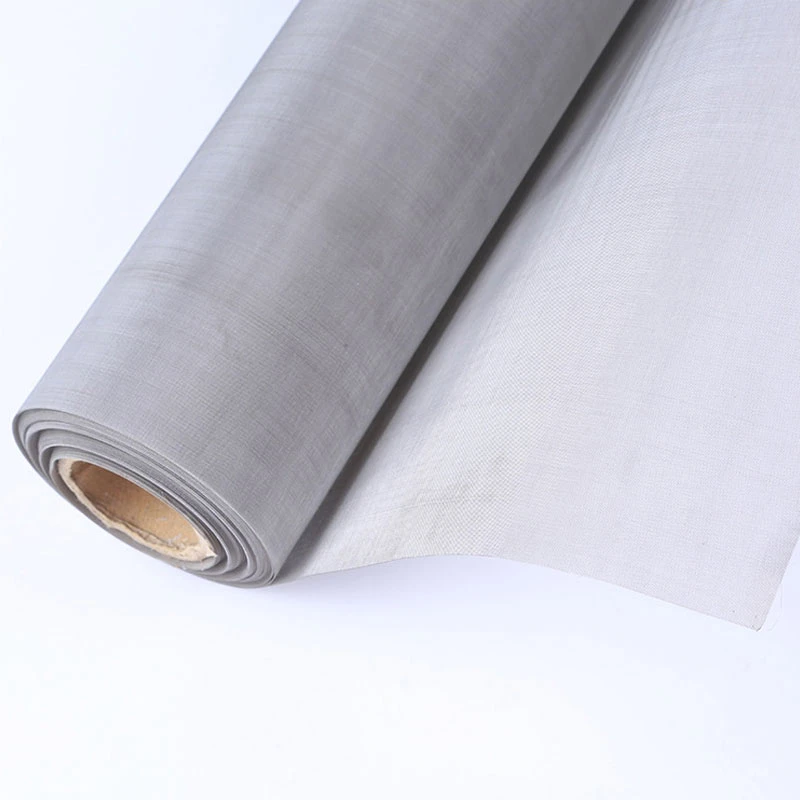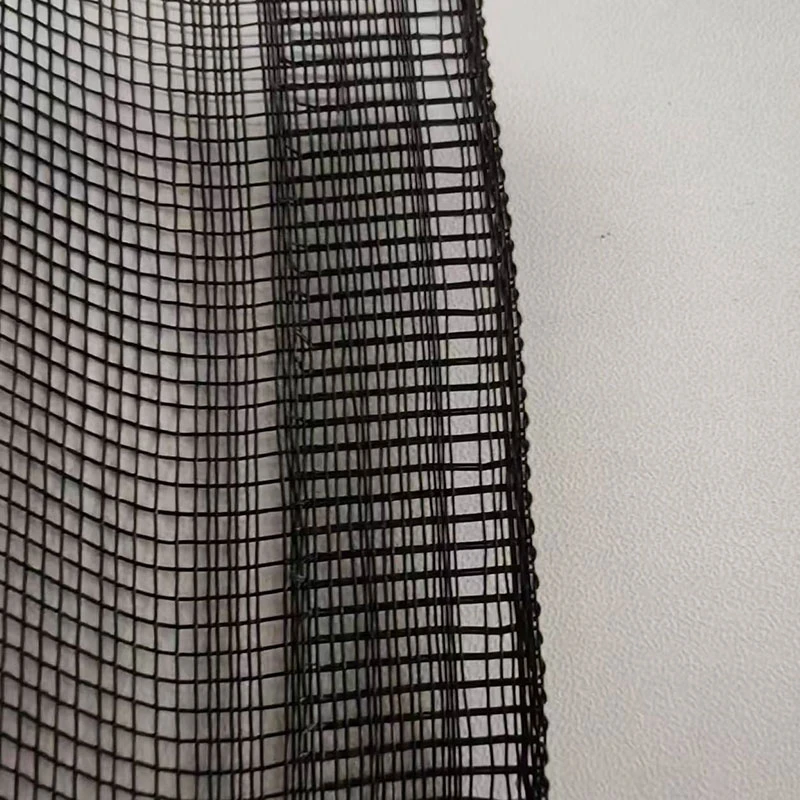
In the realm of industrial materials, hexagonal wire netting stands out as a versatile and indispensable product. Known for its distinct hexagonal apertures, this wire mesh variant offers an optimal balance of flexibility, strength, and cost-effectiveness, making it a preferred choice across a multitude of B2B applications. From critical infrastructure protection to agricultural enclosures and erosion control, its unique woven structure provides robust containment and support solutions. Our focus here is to delve into the intricate details of this material, exploring its manufacturing intricacies, technical specifications, diverse applications, and the critical factors that inform procurement decisions for discerning industrial buyers and engineers. This comprehensive guide aims to equip stakeholders with the expertise needed to leverage the full potential of this fundamental industrial component.
Industry Trends in Hexagonal Wire Netting
The global market for wire mesh products, including hexagonal wire netting, is experiencing sustained growth, driven by expanding infrastructure development, agricultural demands, and increasing focus on environmental protection. Recent market analyses indicate a compound annual growth rate (CAGR) for the wire mesh market segment hovering around 4-6% over the next five years. Key trends influencing this sector include:
- Material Innovation: A growing demand for advanced corrosion-resistant coatings, such as specialized PVC compounds and high-grade galvanization (e.g., Galfan), extending the service life in harsh environments.
- Automation in Manufacturing: Adoption of sophisticated CNC-controlled weaving machines to enhance precision, reduce production costs, and improve manufacturing efficiency, leading to more consistent product quality.
- Sustainability & Eco-friendliness: Increased focus on using recycled content in wire production and developing environmentally benign coating processes, aligning with global sustainability goals.
- Diversification of Applications: Expansion into niche markets like aquaculture, specialized filtration, and architectural design elements, beyond traditional uses.
These trends underscore a move towards higher performance, greater customization, and more sustainable practices within the hexagonal wire netting industry, reflecting an evolving industrial landscape.
Manufacturing Process of Hexagonal Wire Netting
The production of high-quality hexagonal wire netting involves a meticulously controlled process, ensuring product integrity and performance. While traditional wire production might involve casting or forging, the manufacturing of wire mesh is primarily a sophisticated weaving and twisting operation. The typical process flow is as follows:
1. Raw Material Procurement
Selection of low-carbon steel wire, stainless steel wire, or galvanized wire, meeting international standards like ASTM A641/A641M for galvanized products.
2. Wire Drawing & Surface Treatment
Wire is drawn to the specified gauge. Depending on application, it undergoes hot-dip galvanization, electro-galvanization, or PVC coating for enhanced corrosion resistance.
3. Weaving/Twisting
Using specialized weaving machines, wires are twisted together to form hexagonal openings. Common methods include reverse twist (double twist) for superior strength and durability, or straight twist.
4. Trimming & Edging
The woven mesh is trimmed to specified widths and lengths, and selvage edges are often reinforced (e.g., with a heavier gauge wire) to prevent unraveling.
5. Quality Control & Testing
Each batch undergoes rigorous testing for mesh uniformity, wire gauge accuracy, coating thickness, tensile strength, and adherence to ISO 9001 and ANSI standards.
6. Rolling & Packaging
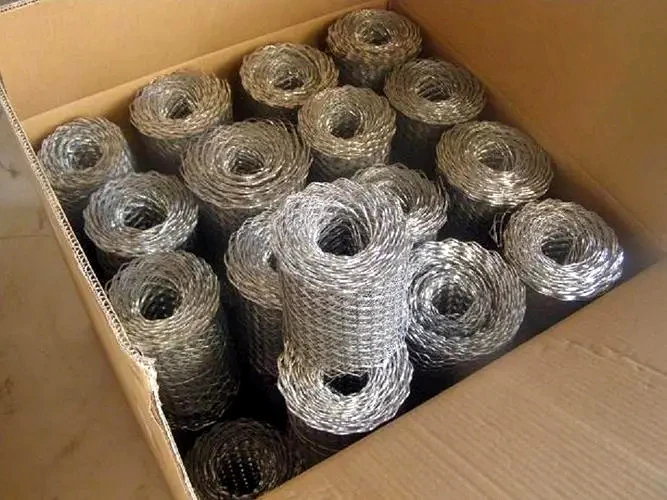
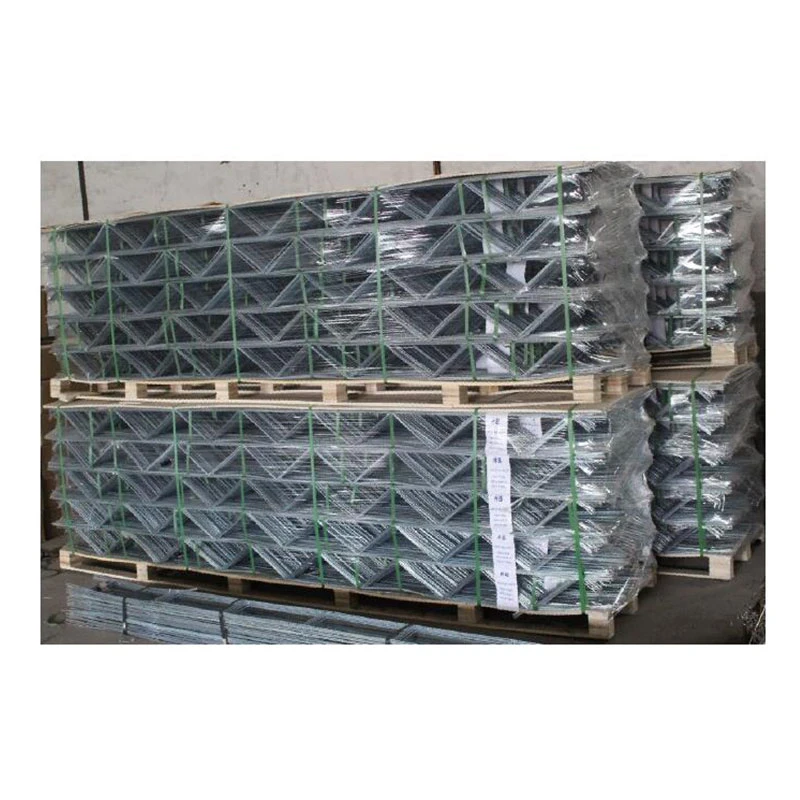
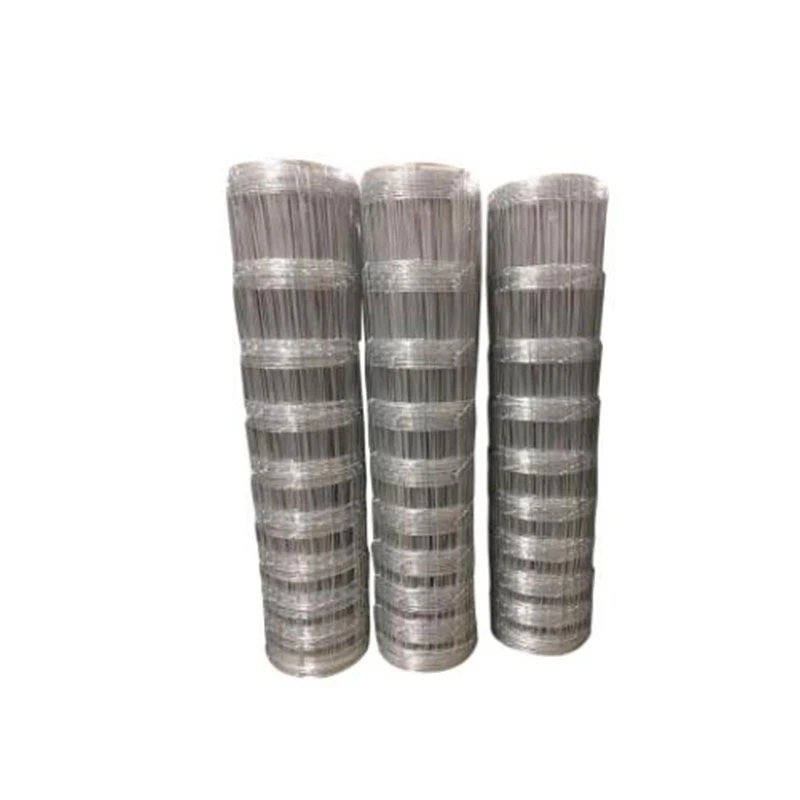
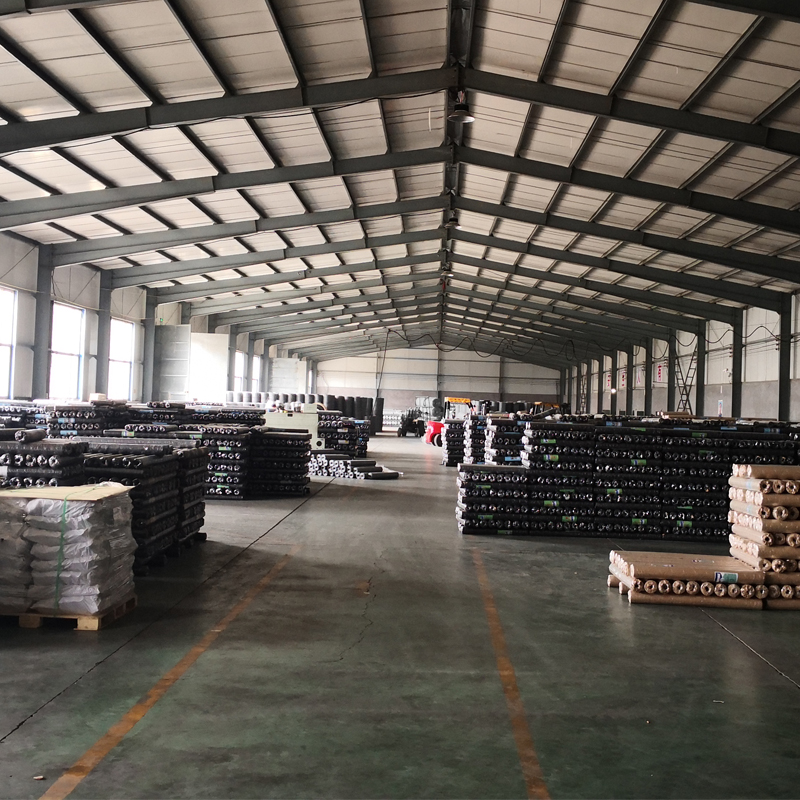
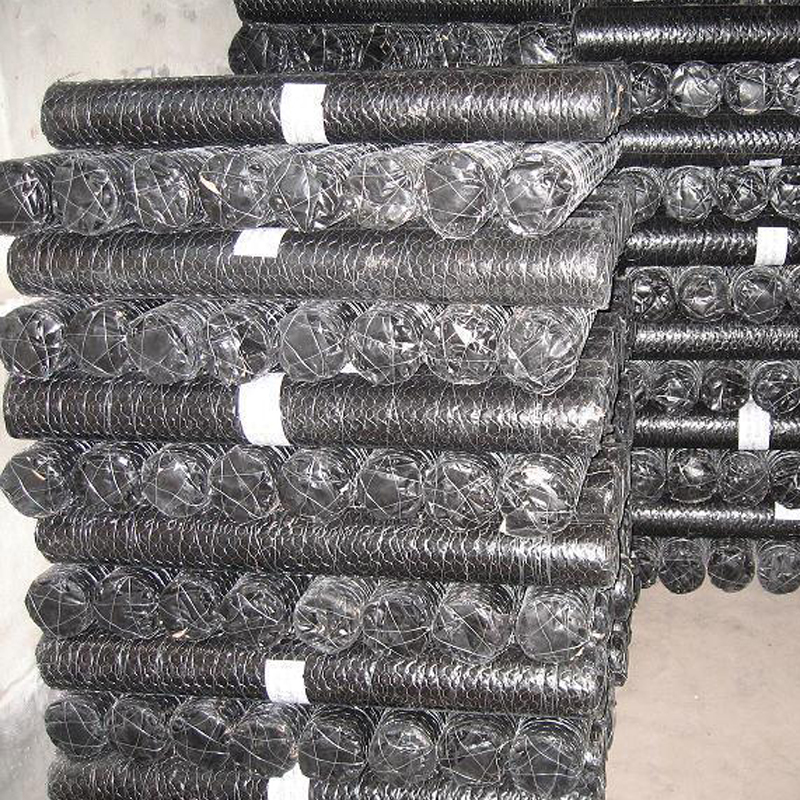
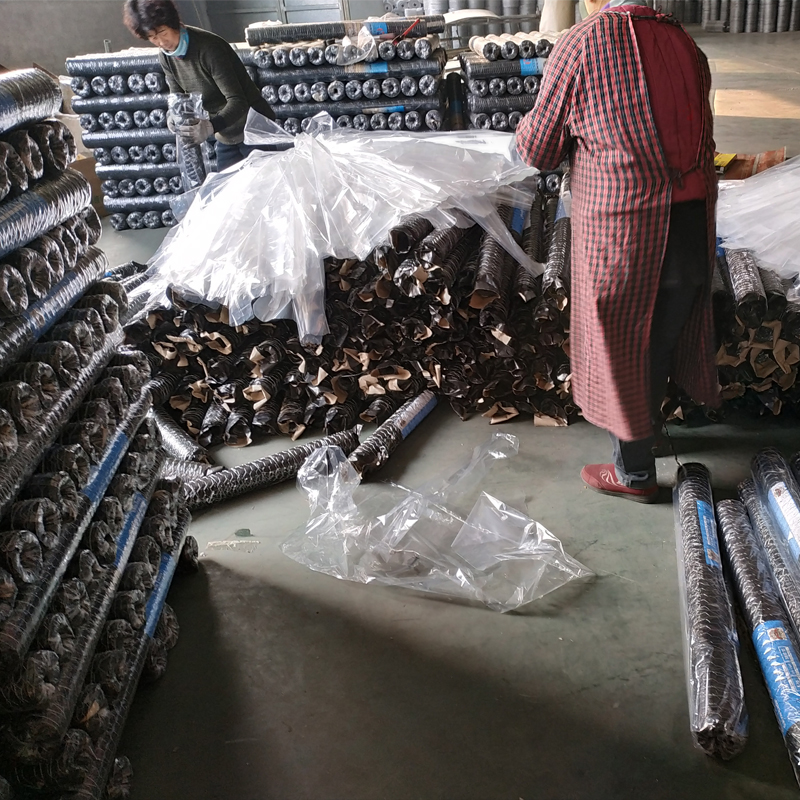
Finished netting is rolled into compact coils or flat panels, then securely packaged for transport, protecting it from damage during shipping.
This meticulous process ensures that the final hexagonal wire mesh product exhibits high durability, consistent mesh integrity, and excellent resistance to environmental factors, providing a service life typically ranging from 10 to 25 years depending on the coating and environmental conditions. Target industries include petrochemical, metallurgy, water supply & drainage, construction, and agriculture, where advantages like energy saving (e.g., as insulation support for pipes) and superior corrosion resistance are paramount.
Technical Specifications and Parameters
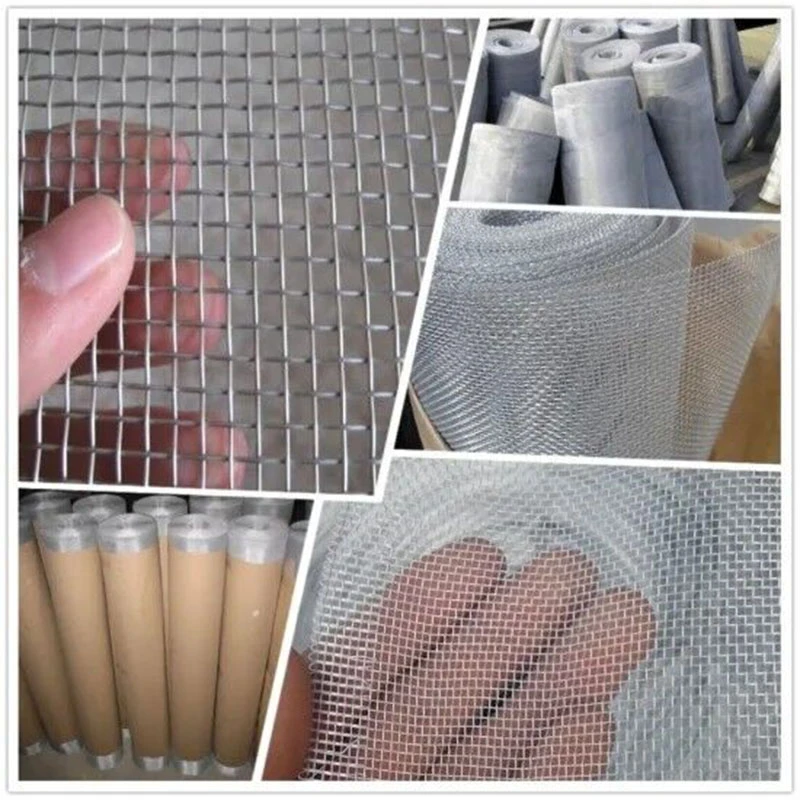
Understanding the technical specifications of hexagonal wire netting is crucial for selecting the appropriate product for specific applications. Key parameters include mesh size, wire gauge, material composition, and surface treatment. These factors directly influence the netting's strength, durability, and corrosion resistance.
| Parameter | Details | Standard Range | Compliance |
|---|---|---|---|
| Material | Low Carbon Steel Wire (Q195), Stainless Steel (304, 316) | Galvanized (Electro/Hot-dip), PVC Coated, Stainless Steel | EN 10244-2, ASTM A641/A641M |
| Mesh Size (Aperture) | Distance between opposite sides of hexagon | 5mm to 100mm (1/4 inch to 4 inches) | ISO 9044 |
| Wire Diameter (Gauge) | Thickness of individual wire | 0.5mm to 3.0mm (24 SWG to 11 SWG) | BS 1052 |
| Roll Width | Standard roll dimension | 0.5m to 2.0m (1.6 ft to 6.5 ft) | Customizable |
| Roll Length | Standard roll dimension | 15m to 50m (50 ft to 164 ft) | Customizable |
| Tensile Strength | Resistance to breaking under tension | 380-550 N/mm² (for galvanized steel) | ASTM A641/A641M |
| Zinc Coating Mass | Amount of zinc per unit area | Typical: 30-60 g/m², Heavy: 200-290 g/m² | EN 10244-2 Class A/B |
The choice between electro-galvanized, hot-dip galvanized, or PVC-coated hexagonal mesh wire depends on the required level of corrosion protection and aesthetic considerations. Hot-dip galvanization offers superior long-term corrosion resistance, making it ideal for outdoor and harsh environments, while PVC coating provides an additional layer of protection, color options, and enhanced durability against abrasion and chemical exposure.
Application Scenarios and Technical Advantages
The inherent properties of hexagonal wire mesh — its flexibility, strength-to-weight ratio, and ease of installation — make it suitable for a broad spectrum of industrial and commercial applications.
- Petrochemical & Energy Sector: Utilized as insulation support for pipes, boilers, and storage tanks. Its open structure allows for efficient thermal insulation, contributing to energy saving and reducing heat loss. The corrosion resistance of galvanized or stainless steel variants is critical in these environments.
- Metallurgy & Mining: Employed in screening and separation processes, and as protective barriers. The robust weave can withstand abrasive conditions, providing durability in demanding applications.
- Water Supply & Drainage Systems: Used in gabion baskets for retaining walls, river bank protection, and channel lining to prevent erosion. The flexibility of the mesh allows it to conform to ground movement, enhancing structural integrity.
- Construction & Infrastructure: As reinforcement in plastering and rendering, providing anti-cracking properties for walls and ceilings. Smaller mesh sizes are commonly referred to as chicken wire mesh in this context.
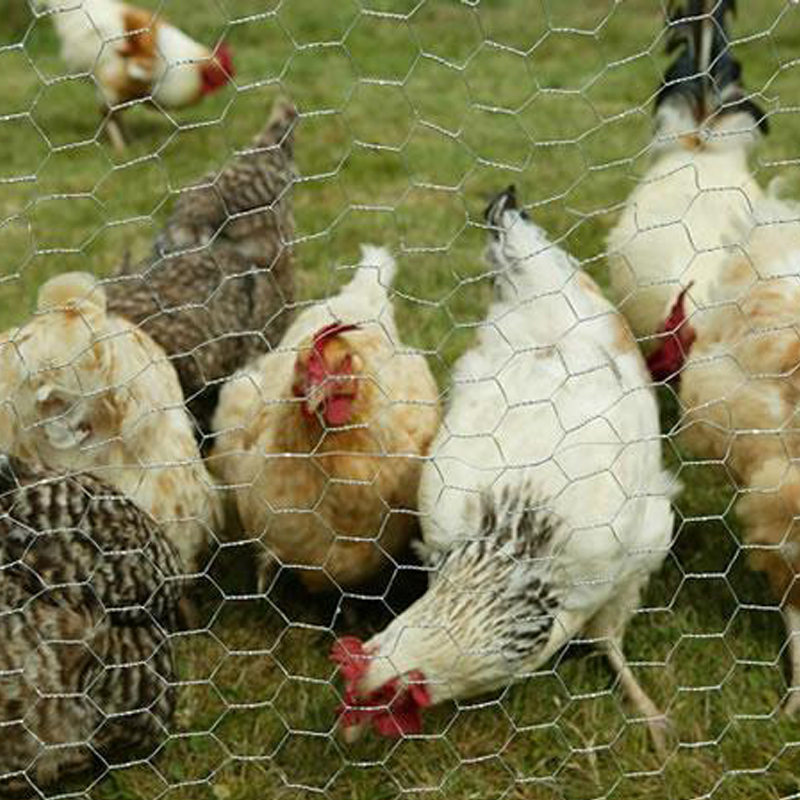
- Agriculture & Animal Husbandry: Widely used for poultry enclosures, rabbit fences, and general animal containment. Its design effectively prevents animals from escaping or predators from entering, ensuring safety and security.
- Erosion Control & Landscaping: Critical in soil stabilization projects, slope protection, and rockfall netting. The material's flexibility and permeability allow for vegetation growth, promoting natural stabilization.
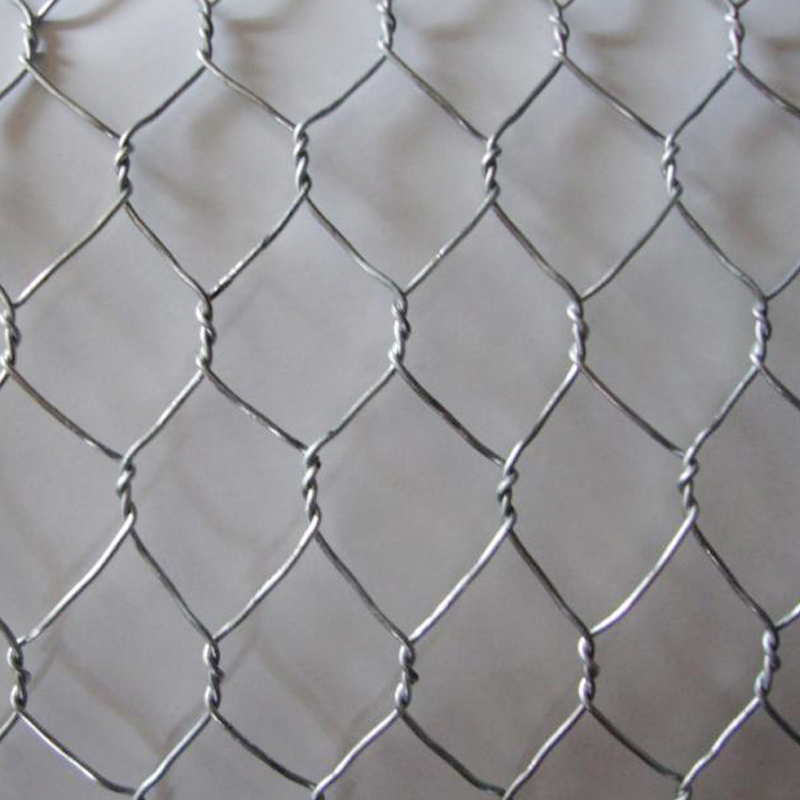
The technical advantages of hexagonal wire netting stem from its unique manufacturing process. The double-twist or reverse-twist weaving pattern ensures that even if one wire breaks, the integrity of the mesh is largely maintained, preventing unraveling. This inherent structural stability, combined with the various coating options (zinc, PVC), provides exceptional resistance against corrosion, abrasion, and harsh weather conditions, ensuring a long service life and reduced maintenance costs. Its ability to absorb impacts and distribute loads makes it highly effective in dynamic applications like rockfall barriers.
Vendor Comparison: Key Differentiators
Selecting the right supplier for hex wire netting is paramount for project success, reliability, and cost-efficiency. While many vendors offer similar products, key differentiators often lie in material quality, manufacturing precision, customization capabilities, and after-sales support. Below is a comparative overview of factors to consider when evaluating potential suppliers:
| Feature/Criterion | Premium Vendor (e.g., YJD Wire Mesh) | Standard Vendor | Budget Vendor |
|---|---|---|---|
| Raw Material Quality | Prime virgin steel, certified alloys (e.g., Q195, SS304/316) | Standard commercial grade steel | Potentially recycled or lower-grade steel |
| Coating Quality & Adhesion | Heavy hot-dip galvanized (200-290 g/m²), UV-stabilized PVC, Galfan | Standard hot-dip galvanized (30-60 g/m²), basic PVC | Electro-galvanized (10-20 g/m²), thin PVC |
| Weaving Precision | CNC-controlled double/reverse twist, uniform mesh | Automated twist, acceptable uniformity | Basic twist, potential for inconsistencies |
| Compliance & Certifications | ISO 9001, ASTM, CE, detailed test reports | Basic ISO, possibly some national standards | Limited or no certifications |
| Customization Capabilities | Extensive options for wire gauge, mesh size, coating, roll dimensions | Moderate customization within standard ranges | Minimal or no customization |
| Lead Time & Logistics | Optimized production, efficient global logistics, DDP options | Standard lead times, F.O.B. delivery | Longer lead times, limited shipping options |
| After-Sales Support | Dedicated support, comprehensive warranty, technical assistance | Standard warranty, basic inquiries | Limited or no post-sale support |
Investing in a premium supplier for hexagonal wire netting often translates to superior product longevity, enhanced project safety, and overall lower lifetime costs due to reduced replacement and maintenance needs.
Customized Solutions for Hexagon Wire Mesh
Recognizing that industrial applications often demand unique specifications, leading manufacturers offer extensive customization options for hexagon wire mesh. This flexibility ensures that the netting precisely meets project requirements, optimizing performance and integration. Key areas of customization include:
- Material & Wire Gauge: Beyond standard low-carbon steel, options include specific stainless steel grades (e.g., SS304L, SS316L) for enhanced chemical resistance, or higher tensile strength wires for demanding structural applications. Wire gauges can be precisely matched to load-bearing or barrier requirements.
- Mesh Size & Opening Shape: While hexagonal is standard, the exact aperture size can be adjusted. This is critical for filtration, screening, or specific containment needs where precise opening dimensions are vital.
- Coating Type & Thickness: Custom galvanization levels (e.g., Type B or Class III heavy galvanized) or specialized PVC coatings (e.g., fire-retardant, anti-UV, or specific color matching) can be applied to extend service life and meet environmental regulations.
- Roll Dimensions: Custom widths and lengths ensure minimal material waste and streamlined installation, particularly for large-scale projects or bespoke fittings.
- Edge Treatment & Reinforcement: Specialized selvage edges or integrated heavier gauge wires can be incorporated for additional strength and ease of handling in applications like gabion manufacturing or rockfall protection.
Partnering with a manufacturer capable of delivering these customized solutions for hexagonal wire netting provides a significant competitive advantage, ensuring optimal material performance and project efficiency.
Application Case Studies: Real-World Impact
The practical efficacy of hexagonal mesh wire is best demonstrated through its successful implementation in real-world projects.
Case Study 1: River Bank Stabilization Project
Client: Major Municipal Infrastructure Department, Southeast Asia.
Challenge: Severe erosion along a critical river bank threatened adjacent agricultural land and local infrastructure, requiring a durable yet environmentally friendly solution.
Solution: Over 10,000 square meters of heavy hot-dip galvanized hexagonal wire mesh (mesh size 80x100mm, wire gauge 2.7mm) were fabricated into gabion baskets and mattresses. These were strategically deployed along the river banks and filled with locally sourced stones. The flexible nature of the gabions allowed them to conform to the riverbed, providing immediate stabilization.
Outcome: The project successfully halted erosion, protecting farmlands and infrastructure. Vegetation was able to grow through the gabions, further reinforcing the banks and blending the structure seamlessly into the natural landscape. The chosen hexagonal wire netting demonstrated excellent longevity, maintaining structural integrity even during monsoon seasons.
Case Study 2: Industrial Pipe Insulation Reinforcement
Client: Large Petrochemical Complex, Middle East.
Challenge: Ensuring the long-term integrity of thermal insulation on extensive pipelines operating at high temperatures in a corrosive coastal environment. The insulation needed stable support against vibration and environmental degradation.
Solution: Custom-sized rolls of stainless steel 316 hexagonal wire netting (mesh size 25mm, wire gauge 1.0mm) were supplied. The stainless steel offered superior resistance to chloride-induced corrosion, while the small mesh size provided optimal support for the insulation material, preventing sagging and dislodgement.
Outcome: The stainless steel hexagonal wire netting significantly extended the service life of the pipe insulation, preventing premature degradation and maintaining thermal efficiency. This led to substantial energy savings and reduced maintenance downtime, demonstrating the critical role of material selection in challenging industrial settings.
Ensuring Trust and Authority ( Components)
Our commitment to providing high-quality hexagonal wire netting is underpinned by stringent quality control and adherence to international standards, reflecting our expertise, experience, authoritativeness, and trustworthiness.
- Certifications & Standards: Our products comply with critical industry standards, including ISO 9001 for quality management systems, ASTM International standards for materials (e.g., ASTM A641 for galvanized coatings), and relevant EN standards. These certifications validate our manufacturing processes and product reliability.
- Quality Assurance & Testing: Each batch of hexagonal wire netting undergoes multi-stage quality checks. This includes raw material inspection, in-process monitoring of wire drawing and weaving, and final product testing for mesh uniformity, wire gauge accuracy, coating thickness (e.g., using X-ray fluorescence for zinc coating), and tensile strength. We can provide third-party inspection reports upon request.
- Years of Service & Client Partnerships: With decades of experience in the wire mesh industry, we have cultivated long-standing relationships with leading enterprises across construction, agriculture, and heavy industries globally. Our extensive portfolio of successful projects and repeat business underscores our reliability and the trust placed in our products.
- Expertise: Our team comprises experienced engineers and technical specialists dedicated to product innovation and quality. We regularly engage with industry associations and research bodies to stay at the forefront of material science and manufacturing technologies.
Frequently Asked Questions (FAQ) about Hexagonal Wire Netting
Q1: What are the primary differences between electro-galvanized and hot-dip galvanized hexagonal wire mesh?
A1: Electro-galvanized netting has a thinner, more uniform zinc coating, offering good basic corrosion resistance, primarily for indoor or less severe outdoor applications. Hot-dip galvanized netting features a much thicker and more durable zinc layer, providing superior long-term corrosion protection, ideal for harsh outdoor, coastal, or industrial environments.
Q2: Can hexagonal wire netting be used for structural support?
A2: While it offers excellent flexibility and retains shape, its primary role is not for heavy load-bearing structural support. It excels as reinforcement (e.g., for plaster), containment (gabions, enclosures), or support for insulation. For heavy structural applications, welded wire mesh or heavier gauge woven meshes are typically more appropriate.
Q3: What factors determine the service life of hexagonal wire netting?
A3: The service life is predominantly determined by the type and thickness of the protective coating (galvanized, PVC), the base material (e.g., stainless steel), and the severity of the environmental conditions (e.g., humidity, exposure to chemicals, abrasion, UV radiation). Heavy hot-dip galvanized or PVC-coated options typically offer the longest lifespan, often exceeding 20 years.
Logistics & Support
Lead Time & Fulfillment
We understand the critical importance of timely delivery for B2B projects. Our standard lead time for common specifications of hexagonal wire netting is typically 15-25 business days from order confirmation, subject to order volume and specific customization requirements. We maintain a robust inventory of raw materials and operate efficient production lines to minimize delays. For urgent requirements, expedited production and shipping options can be arranged. We partner with reputable global logistics providers to ensure secure and efficient delivery to your specified destination, including options for FOB, CIF, or DDP terms.
Warranty Commitments
Our hexagonal wire netting products come with a comprehensive warranty against manufacturing defects and premature coating failure under normal usage conditions. The specific warranty period varies based on product type and coating (e.g., 5-10 years for standard galvanized, up to 15-20 years for heavy hot-dip galvanized or PVC-coated products). Detailed warranty terms and conditions are provided with each quotation and order confirmation. We stand behind the quality and durability of our products.
Customer Support & After-Sales Service
Our commitment extends beyond product delivery. We offer dedicated customer support through various channels, including phone, email, and online inquiry forms. Our technical support team is available to assist with product selection, installation guidance, and troubleshooting. For any post-purchase inquiries or technical assistance regarding hexagonal mesh wire, our specialists are prepared to provide timely and effective solutions.
Conclusion
Hexagonal wire netting is a foundational material in numerous industrial applications, celebrated for its unique balance of flexibility, durability, and cost-effectiveness. From safeguarding agricultural assets to reinforcing critical infrastructure against erosion and supporting industrial insulation, its versatile properties make it an indispensable choice for engineers and procurement specialists. By understanding its detailed manufacturing process, comprehensive technical specifications, diverse application scenarios, and the robust support systems offered by reputable vendors, businesses can make informed decisions that ensure long-term performance and optimal project outcomes. The ongoing advancements in materials and manufacturing techniques continue to enhance the capabilities and sustainability of this essential wire mesh product.
References
- ASTM International. ASTM A641/A641M - 23, Standard Specification for Zinc–Coated (Galvanized) Carbon Steel Wire. ASTM.org.
- ISO. ISO 9001:2015, Quality management systems – Requirements. ISO.org.
- European Committee for Standardization. EN 10244-2: Steel wire and wire products - Non-ferrous metallic coatings on steel wire - Part 2: Zinc or zinc alloy coatings. CEN.eu.
- Gabion Mesh and Engineering Applications. International Journal of Engineering Research & Technology (IJERT). Volume 9, Issue 06, June-2020.
- Wire Mesh Market Size, Share & COVID-19 Impact Analysis, By Material Type (Stainless Steel, Galvanized Steel, Others), By Application (Construction, Industrial, Agriculture, Others), and Regional Forecast, 2021-2028. Fortune Business Insights.