Understanding metal screen: From Raw Material to Precision Application
In diverse industrial sectors, the demand for high-performance mesh products is continuously evolving, driven by stringent requirements for filtration, separation, security, and aesthetic integration. Our focus on Square Mesh, a fundamental yet versatile form of screen mesh, underscores its critical role in myriad applications ranging from heavy industrial processes to delicate architectural facades. This section delves into the intrinsic properties and comprehensive manufacturing processes that define a superior metal screen. We explore the selection of advanced materials, the precision engineering involved in weaving or welding, and the rigorous quality control protocols that ensure each product meets or exceeds international standards such as ISO and ANSI. Understanding these foundational aspects is crucial for B2B decision-makers seeking reliable, long-lasting solutions for their complex operational needs. The longevity and performance of a mesh solution are directly tied to its manufacturing integrity, making it imperative to partner with suppliers who prioritize robust production methodologies and verifiable quality assurances.
The selection of raw materials is the cornerstone of any high-quality mesh. Stainless steel grades like 304, 316, and 316L are commonly utilized due to their superior corrosion resistance, high tensile strength, and excellent formability. For applications requiring specific magnetic properties or enhanced durability, materials like galvanized steel, brass, copper, or even specialized alloys are employed. The intrinsic chemical composition and metallurgical structure of these materials directly influence the screen's resistance to environmental factors, chemical agents, and mechanical stress. Our commitment to sourcing premium-grade raw materials, coupled with strict incoming material inspection, ensures that every Square Mesh product begins with the highest possible quality foundation. This meticulous approach is vital in ensuring that the final mesh can withstand the demanding conditions prevalent in industries such as petrochemical, metallurgy, and water treatment, where durability and performance are non-negotiable.
The Advanced Crafting Process of Metal Screen
The manufacturing of metal screen, particularly Square Mesh, involves a sophisticated sequence of operations designed to achieve precise aperture sizes, wire diameters, and structural integrity. The primary manufacturing processes for screen mesh include wire drawing, weaving, and welding. In the weaving process, individual wires are interlaced on highly advanced weaving looms, creating uniform openings and a stable mesh structure. This method allows for a wide range of mesh counts and wire diameters, offering exceptional versatility for applications requiring fine filtration or robust support. Alternatively, for heavier gauges and larger openings, resistance welding processes are employed, where wires are fused at their intersections, creating an incredibly strong and rigid mesh. Each method is chosen based on the desired strength, opening size, and specific application requirements. For instance, cold drawing prepares the wire by reducing its diameter and increasing its tensile strength, ensuring the wire can withstand the stresses of weaving or welding without compromising the final product's integrity.
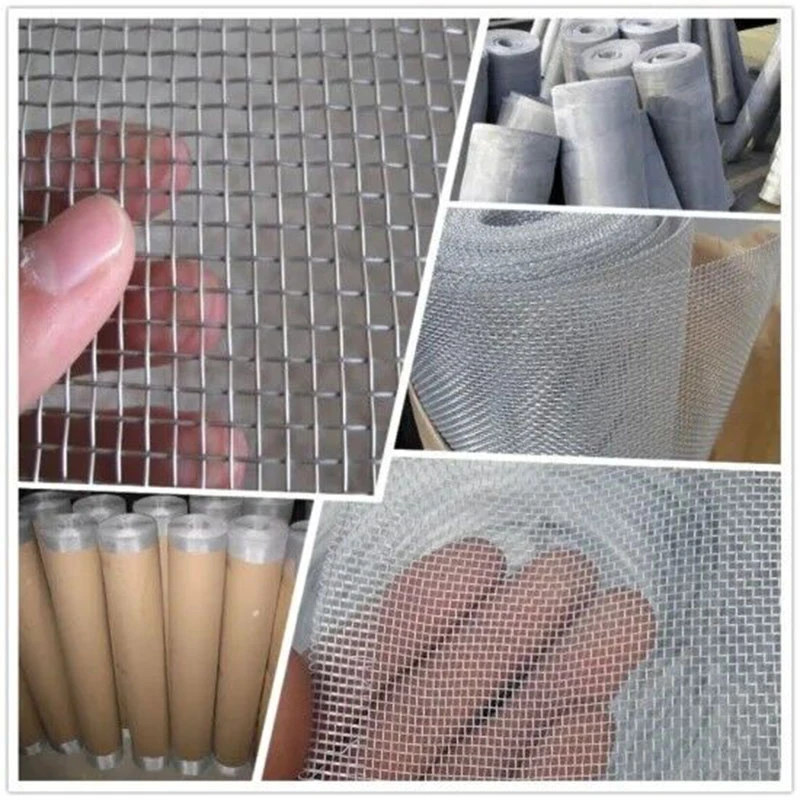
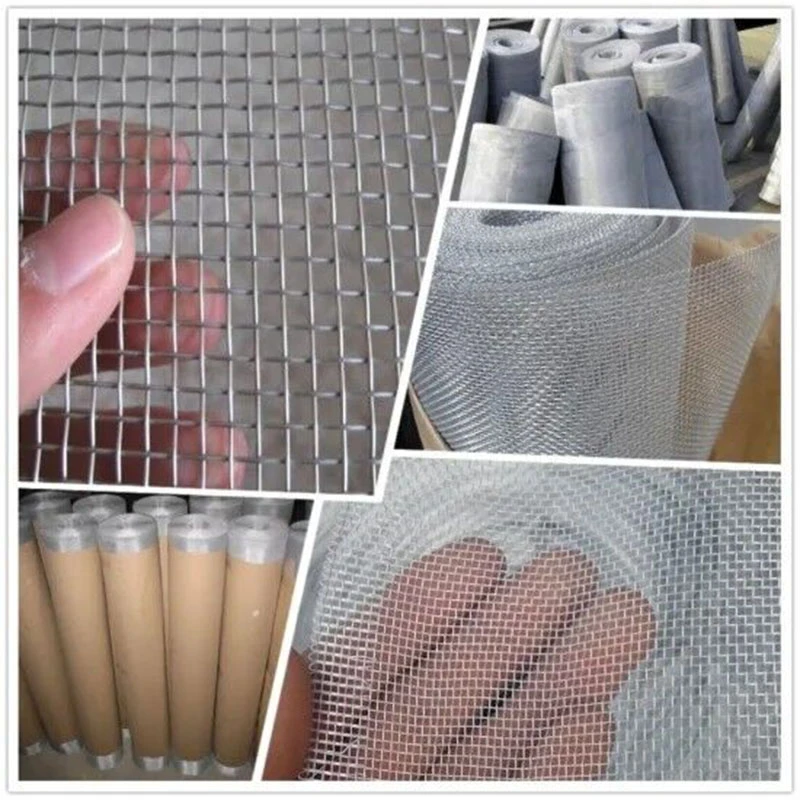
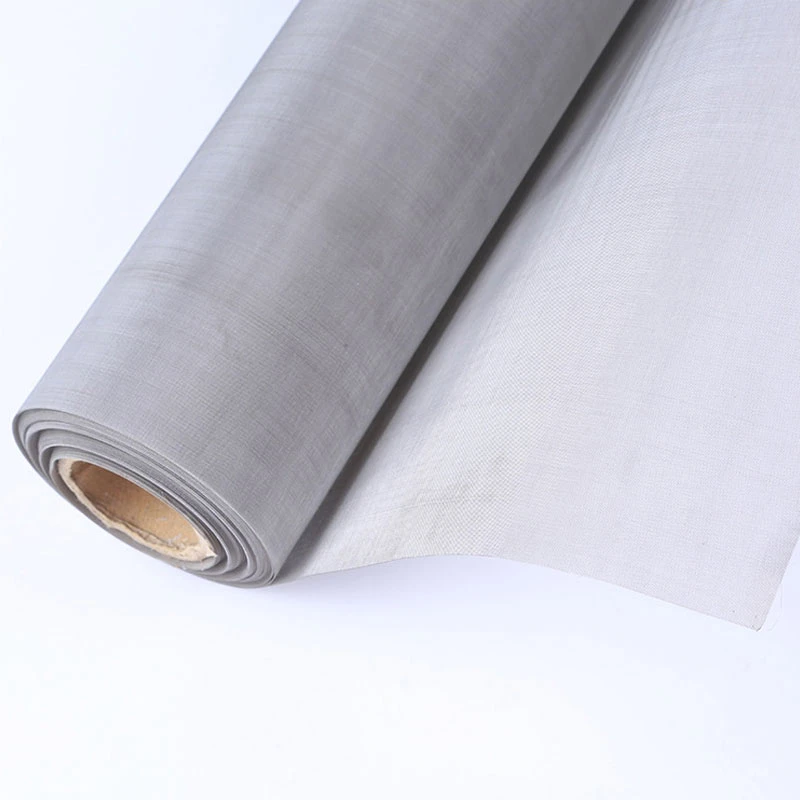
Figure 1: Close-up of precisely woven metal screen illustrating uniform apertures.
Post-manufacturing, the manufactured mesh undergoes a series of crucial finishing and inspection stages. Precision cutting, edge treatment, and sometimes surface treatments like passivation or electropolishing are applied to enhance corrosion resistance and improve surface finish. Quality control is paramount, with strict adherence to international standards such as ISO 9001 for quality management systems and ASTM standards for material properties and testing. This includes optical inspection for aperture uniformity, microscopic analysis for wire integrity, and various mechanical tests such as tensile strength, elongation, and burst pressure tests, especially for filtration applications. These rigorous checks ensure that every batch of screen mesh meets precise specifications, guaranteeing optimal performance and a long service life. For demanding industries like petrochemical and metallurgy, where operational integrity is critical, these detailed inspection standards are non-negotiable, ensuring reliability and preventing costly failures in critical systems such as strainers, filters, and protective barriers.
Technical Specifications and Performance Metrics for Metal Screen
Selecting the appropriate metal screen necessitates a thorough understanding of its technical parameters, which directly influence its suitability for specific applications. Key specifications include mesh count (number of openings per linear inch), wire diameter, aperture size (the clear opening between adjacent wires), and percentage of open area. For instance, a high mesh count combined with a small wire diameter yields very fine filtration capabilities, ideal for pharmaceutical or food processing, while a lower mesh count with a thicker wire provides structural integrity, making it suitable for architectural safety barriers or industrial sieving. Material composition, as previously discussed, is also critical, impacting corrosion resistance, temperature tolerance, and mechanical strength. Comprehensive data sheets providing these precise parameters enable engineers and procurement specialists to make informed decisions, ensuring the chosen types of screen mesh aligns perfectly with operational demands and environmental conditions.
Typical Metal Screen Parameters: A Comparative Overview
| Parameter | Stainless Steel 304 | Stainless Steel 316L | Galvanized Steel | Brass |
|---|---|---|---|---|
| Corrosion Resistance | Good | Excellent (Chlorides) | Moderate (Zinc Coating) | Good (Water/Oil) |
| Tensile Strength (MPa) | 515-690 | 485-620 | 340-480 | 310-480 |
| Temperature Range (°C) | Up to 870 | Up to 870 | Up to 200 (coating) | Up to 200 |
| Typical Mesh Count Range | 4-500 mesh | 4-500 mesh | 2-200 mesh | 4-200 mesh |
| Weldability | Excellent | Excellent (Low Carbon) | Good (Coating Removal) | Fair |
The performance of the mesh in practical applications is often benchmarked against specific industry requirements. For example, in filtration, parameters like flow rate, particle retention efficiency, and pressure drop are crucial. In architectural or security applications, the emphasis shifts to structural rigidity, aesthetic appeal, and impact resistance. Our Square Mesh products are engineered to provide optimal performance across these diverse needs, demonstrating superior energy efficiency in fluid separation processes by minimizing pressure drop, and exceptional anti-corrosion properties even in highly aggressive chemical environments. The service life of a high-quality mesh can vary significantly based on material, application, and maintenance, but with proper selection and installation, it can last for decades, providing a substantial return on investment for industrial clients prioritizing long-term reliability and reduced operational downtime.
Versatile Applications and Tailored Solutions for Metal Screen
The versatility of metal mesh solutions extends across an incredibly broad spectrum of industries, driven by its adaptable physical properties and customizable configurations. In petrochemical and chemical processing, woven screen mesh is indispensable for catalyst support grids, molecular sieve retention, and the separation of various liquid and gas streams, often operating under high pressure and corrosive conditions. In the mining and aggregate sectors, heavy-duty square mesh serves as robust sieving media for classifying materials like sand, gravel, and ores, withstanding significant abrasion and impact. Furthermore, in food and beverage processing, fine mesh stainless steel screens are critical for hygienic filtration, ensuring product purity and compliance with strict regulatory standards. The application flexibility means that a single product type like Square Mesh can be designed with varying mesh counts and wire diameters to meet disparate performance criteria, from micro-filtration to heavy-duty screening, underscoring its adaptability in critical industrial operations.
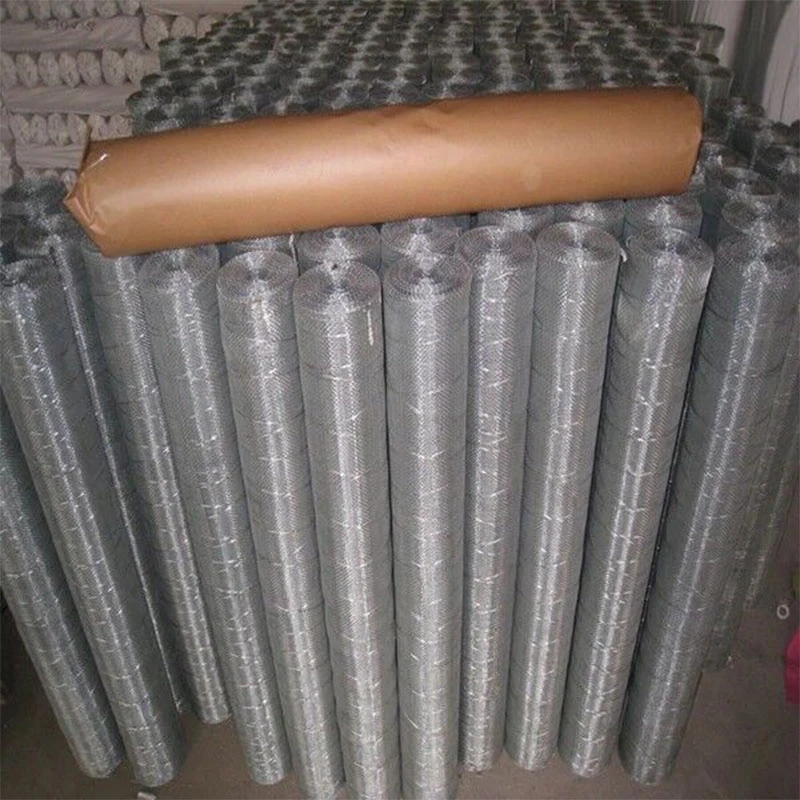
Figure 2: Industrial application of robust metal screen for material classification.
Beyond traditional industrial filtration and separation, metal mesh finds innovative applications in architectural design, security solutions, and even pest control, such as magnetic fly screen systems. Architects often utilize stainless steel screen mesh for facades, sunshades, and interior partitions, leveraging its aesthetic appeal, light diffusion properties, and durability. In security, robust woven or welded mesh provides effective barriers for windows, doors, and fences, offering protection without sacrificing visibility. For specialized scenarios, custom fabrication is key. This includes cutting to exact dimensions, forming into cylinders or cones for filter elements, or incorporating frames for panel installations. Our expertise in custom solutions ensures that even the most complex design challenges are met with precision engineering and high-quality manufacturing. Testimonials from satisfied clients in diverse fields, from a large-scale mining operation reporting a 15% increase in screening efficiency with our custom-fabricated mesh panels to a municipal water treatment plant noting zero corrosion issues over a five-year period, validate our commitment to delivering superior performance and long-term value.
Ensuring Trust and Reliability: Your Partner in Metal Screen Solutions
Frequently Asked Questions (FAQ) about Screen Mesh
Q1: How do I choose the correct mesh count and wire diameter for my application?
Choosing the right mesh count and wire diameter depends entirely on your application's specific requirements, such as the size of particles to be filtered, the desired flow rate, and the mechanical strength needed. For filtration, a smaller aperture (higher mesh count, smaller wire diameter) provides finer separation. For structural support or high-impact applications, larger wire diameters and lower mesh counts are typically preferred. We recommend consulting with our technical experts who can guide you through material selection and mesh specifications based on your operational parameters and environmental conditions, ensuring optimal performance and extended service life for your mesh solutions.
Q2: What is the typical lead time for custom Square Mesh orders?
Lead times for custom Square Mesh and other types of screen mesh vary based on material availability, complexity of fabrication, and order volume. Standard stock items typically ship within 3-5 business days. For highly customized orders requiring specialized materials or extensive fabrication, lead times can range from 2 to 4 weeks. We prioritize efficient production planning and transparent communication, providing accurate delivery estimates at the time of quotation. Our robust supply chain management and dedicated production team are committed to meeting your project deadlines without compromising on the quality or precision of your order.
Q3: What kind of warranty or after-sales support do you offer for mesh products?
We stand by the quality and performance of all our mesh products, including Square Mesh. Our products are covered by a comprehensive warranty against manufacturing defects, typically ranging from 1 to 5 years depending on the specific product and application. Beyond the warranty period, we offer dedicated after-sales support, including technical assistance for installation, maintenance guidance, and troubleshooting. Our commitment to client satisfaction extends throughout the product's lifespan, ensuring you receive continuous value and support. We also provide documentation such as material certifications and test reports, further reinforcing the reliability and traceability of our screen mesh solutions.
Our dedication to quality, transparency, and customer satisfaction forms the bedrock of our business. With over 15 years of experience in the wire mesh industry, serving hundreds of B2B clients globally, we have established ourselves as a trusted authority. Our adherence to stringent ISO 9001:2015 quality management systems, coupled with continuous investment in advanced manufacturing technologies, underscores our commitment to delivering superior mesh products. Partnering with us means gaining access to a wealth of expertise, reliable supply chains, and a promise of consistent product quality that powers your operations efficiently and sustainably. We believe in building long-term relationships based on mutual trust and demonstrable value, ensuring that your investment in our mesh solutions yields exceptional returns and operational longevity.
References and Authoritative Sources
- ASTM International. "Standard Specifications for Wire Cloth and Screens (Square Opening Series)."
- International Organization for Standardization. "ISO 9001:2015 Quality management systems – Requirements."
- ASM Handbook, Volume 1: Properties and Selection: Irons, Steels, and High-Performance Alloys.
- "Filtration and Separation Handbook" by Christopher Dickenson.