Nails Building Materials: A Veteran’s Take on Quality and Use
Having spent over a decade working in the industrial equipment and construction materials sector, I’ve seen quite a few advances – and, frankly, some things that stubbornly stay the same. Nails, for instance, might seem like the simplest bit of hardware out there, but they’re actually pretty fascinating if you’ve ever inspected them up close on a busy job site. The kind of nails you choose can deeply affect build integrity, durability, and long-term performance.
Let’s dive into nails building materials – what they are made of, how they’re tested, and why it’s worth paying attention to quality. Plus, I’ll share a bit about some common types and how they match up in the industry today.
Material and Design Trends in Nails
In real terms, most nails are steel-based, but oddly enough, there’s a notable difference between the grades and coatings manufacturers apply. Galvanized nails resist rust better, ideal if you’re working in humid or exterior environments. Then there’s stainless steel nails, which are pricier but hold up exceptionally well in corrosive conditions.
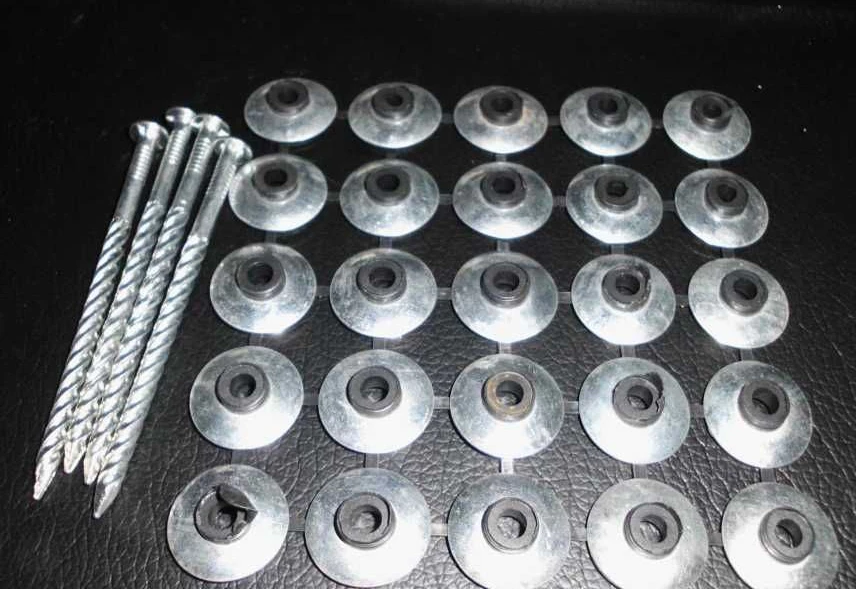
One thing I’ve noticed over time is that the diameter and length aren't always the obvious parameters to focus on; the head shape, shank type (smooth, ringed, or spiral), and point style can really change performance depending on whether you're framing, finishing, or roofing. Many engineers I chat with stress ring-shanked nails for framing due to the added grip strength.
Testing and Standards
Building inspectors and code officials generally expect nails to meet ASTM standards (like ASTM F1667 for mechanical fasteners). From impact resistance to holding power, nails get tested in lab environments that mimic real-world stresses. Sometimes, I find unofficial field tests more enlightening though – like dropping a freshly nailed board and checking if the joints hold firm after a week of exposure to rain.
Advantages of Good Quality Nails
Certainly, there's a noticeable difference between cheap imports and premium brands. A good nail doesn’t just hold things together — it prevents structural failures, reduces callbacks, and frankly, saves time and money on site because you don’t have to redo splits or popped nails.
You can find all sorts of specialized nails these days too: from stainless steel for coastal builds to electro-galvanized for moderate exposure. The key is matching the nails building materials to the environment and material type.
Product Specification Snapshot
| Specification | Details |
|---|---|
| Material | High Carbon Steel, Galvanized, Stainless Steel |
| Lengths | 1” to 4” (varies by type) |
| Shank Types | Smooth, Ringed, Spiral |
| Head Styles | Flat, Brad, Round |
| Corrosion Protection | Electro Galvanized, Hot-Dip Galvanized, Stainless |
Vendor Comparison on Common Nail Types
| Vendor | Material Options | Corrosion Resistance | Price Range | Availability |
|---|---|---|---|---|
| YJD Wire Mesh | Galvanized, Stainless Steel | High (Hot-Dip Galv & Stainless) | Mid-Range | Excellent |
| Generic Importer Co. | Steel, Galvanized | Moderate (Electro-Galvanized) | Low | Good |
| Premium Builders Supply | Stainless Steel Only | Very High | High | Limited |
A Quick Customer Story
One memorable project I worked on involved a coastal boardwalk that had a history of nail corrosion issues. The contractor switched to stainless steel ring shank nails sourced from a reliable vendor, and oddly enough, the boards stayed perfect for years longer than expected, even with daily salt spray. That’s the sort of story that makes nail choice feel less trivial and more strategic.
In conclusion, at the end of the day, I suppose it’s tempting to grab the cheapest nails off the shelf, but in construction, the small things really do add up. So next time you pick up your nails building materials, think about what’s beneath the surface.
— From someone who’s seen nails break, hold, rust, and shine over many years on many projects.
References:
1. ASTM F1667 – Standard Specification for Driven Fasteners
2. Construction Material Durability Reports, National Institute of Building Sciences
3. Personal field observations and interviews, 2010–2023