Understanding Perforated Sheet Technology and Industry Dynamics
The global industrial landscape increasingly relies on advanced materials, and perforated sheet stands out as a versatile and indispensable component. These sheets, meticulously engineered with a uniform pattern of holes, slots, or decorative shapes, offer a unique combination of functionality and aesthetic appeal across a myriad of applications. Defined by their precision-punched openings, perforated metal sheet materials facilitate everything from filtration and sound attenuation to ventilation and architectural cladding. The demand for these sophisticated materials is experiencing robust growth, fueled by innovation in sectors such as renewable energy, automotive, architecture, and environmental control. For instance, the global perforated metal market size was valued at approximately USD 2.1 billion in 2022 and is projected to grow at a Compound Annual Growth Rate (CAGR) of 4.5% from 2023 to 2030, driven by escalating demand in construction and industrial filtration applications. This upward trajectory underscores the material's critical role in optimizing performance, enhancing safety, and improving efficiency in complex industrial systems. The adaptability of perforated plate to various environments—from harsh industrial conditions requiring high corrosion resistance to delicate architectural designs demanding intricate patterns—highlights its intrinsic value. As industries continue to evolve, the ability of these materials to provide tailored solutions for specific challenges, whether it's managing airflow, diffusing light, or protecting sensitive equipment, positions them as a cornerstone of modern engineering and design. The intricate balance between structural integrity and the desired level of open area makes the selection and specification of perforated materials a highly specialized field, requiring deep technical expertise and a thorough understanding of application-specific demands.
The Meticulous Manufacturing Process of Perforated Sheets
The production of high-quality perforated sheet involves a sophisticated multi-stage manufacturing process, meticulously controlled to ensure precision and material integrity. It typically begins with raw materials such as stainless steel, carbon steel, galvanized steel, aluminum, brass, or copper, selected based on the end application's environmental and performance requirements. The primary manufacturing process for most perforated metal products is advanced punching or stamping, where a series of dies punch holes into the sheet metal. Unlike casting or forging, which alter the material's internal structure significantly, precision punching creates clean, consistent apertures without compromising the material's inherent strength. Modern CNC (Computer Numerical Control) punching machines allow for extraordinary accuracy, repeatability, and the creation of complex hole patterns with minimal material deformation, ensuring that the finished product meets exact specifications. For certain applications requiring exceptionally fine holes or intricate designs, laser cutting may also be employed, offering unparalleled precision. Following the punching process, sheets often undergo various finishing treatments, including degreasing, leveling, shearing to precise dimensions, and sometimes bending or forming. Surface treatments such as anodizing for perforated aluminum sheet, powder coating, or galvanization are applied to enhance corrosion resistance, durability, and aesthetic appeal, extending the product's service life significantly. Throughout this entire workflow, rigorous quality control measures are integrated at every stage. This includes strict adherence to international standards such as ISO 9001 for quality management systems, ANSI (American National Standards Institute) for dimensional tolerances, and ASTM (American Society for Testing and Materials) for material specifications. Each batch is subjected to thorough inspection for hole accuracy, material thickness, flatness, and overall finish, ensuring that the final product not only performs as expected but also meets the highest benchmarks for reliability and safety. This stringent process ensures that the finished perforated metal will endure diverse operational stresses, offering a service life often exceeding 20-30 years in non-corrosive environments and delivering reliable performance even in harsh conditions found in petrochemical or marine applications.

Key Technical Parameters and Performance Specifications
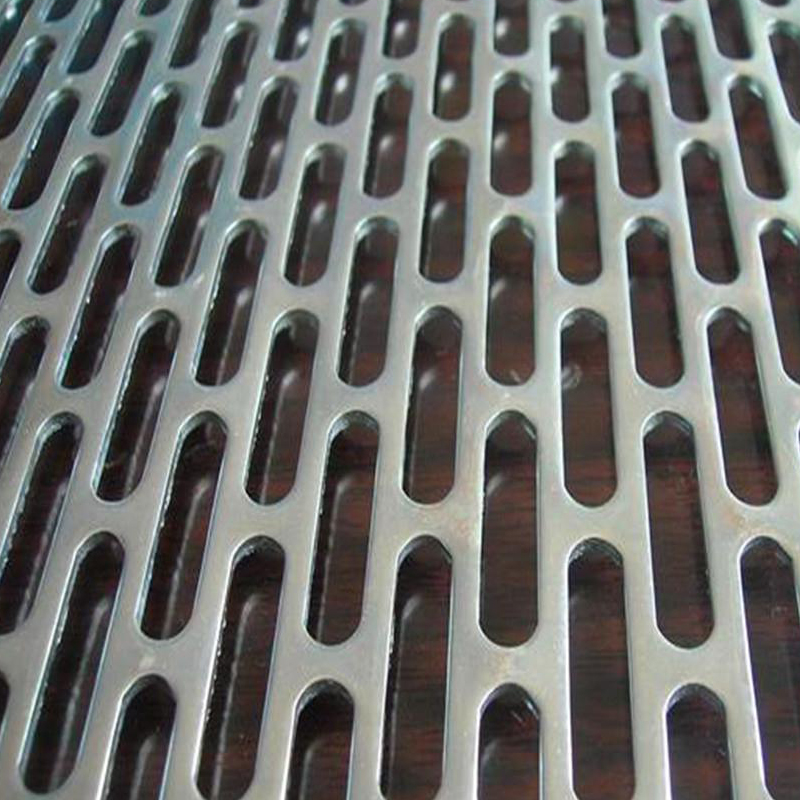
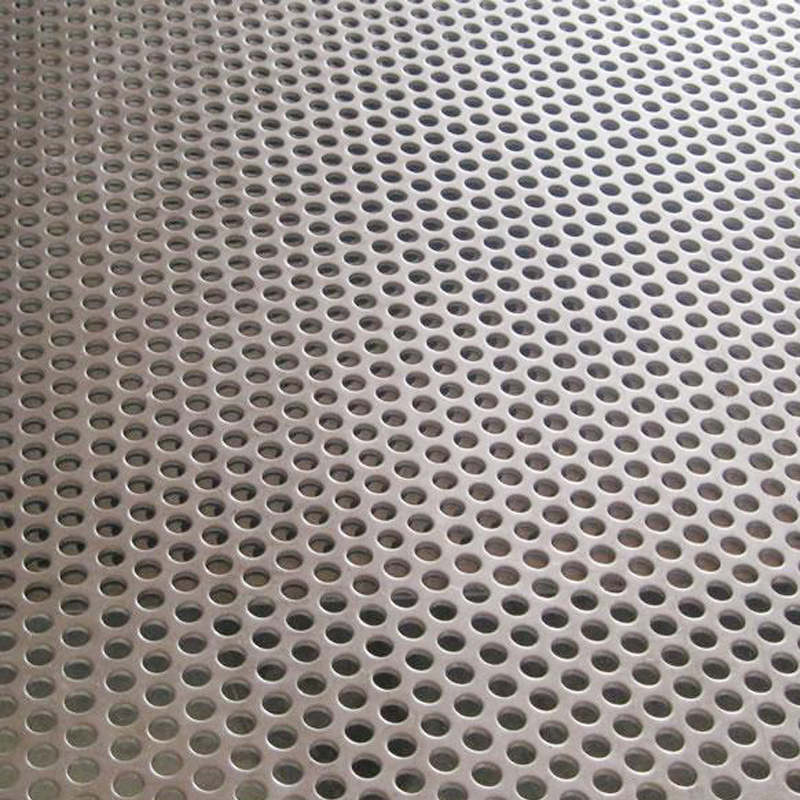
The effectiveness of any perforated sheet hinges on its precise technical parameters, which dictate its suitability for specific applications. Understanding these specifications is paramount for engineers and procurement specialists to ensure optimal performance and cost-efficiency. Key parameters include the material type (e.g., stainless steel, carbon steel, aluminum), which directly impacts corrosion resistance, strength-to-weight ratio, and weldability. Hole patterns vary widely, from standard round, square, and slotted holes to more complex decorative or functional shapes. The arrangement of these holes—straight line, staggered (60-degree or 45-degree), or custom layouts—influences the sheet's open area, structural integrity, and aesthetic. Open area, expressed as a percentage of the total sheet surface that is open, is a crucial metric affecting filtration efficiency, light transmission, airflow, and sound absorption. For instance, a higher open area provides better ventilation and lighter weight but reduces structural strength. Plate thickness, or gauge, defines the sheet's durability and load-bearing capacity; thinner gauges are ideal for light-duty applications like decorative panels, while thicker plates are essential for heavy-duty industrial screens or structural components. Bar width, the material left between holes, contributes significantly to the sheet's rigidity and strength. Edge margins, the unperforated areas along the sheet's edges, are also critical for secure mounting and fabrication processes. Manufacturers adhere to strict tolerances for all these parameters to ensure consistency and interoperability. For instance, a perforated metal sheet designed for petrochemical filtration might require a specific hole size (e.g., 2mm), a high open area (e.g., 40-50%), and be made from a corrosion-resistant alloy like 316L stainless steel, whereas a sheet for architectural sunshading might prioritize aesthetic patterns, a lower open area for light diffusion, and be made from anodized perforated aluminum sheet for its lightweight and weather resistance. Selecting the correct combination of these parameters is crucial for maximizing the functional benefits, such as optimizing liquid or gas flow rates, achieving specific acoustic properties, or meeting structural load requirements in demanding industrial environments.
| Parameter | Description | Typical Range/Value |
|---|---|---|
| Material | Common alloys and metals | Stainless Steel (304, 316, 316L), Carbon Steel, Galvanized Steel, Aluminum (1100, 3003, 5052), Copper, Brass |
| Hole Shape | Geometric form of perforations | Round, Square, Slotted, Hexagonal, Ornamental |
| Hole Size (Diameter/Width) | Dimension of individual holes | 0.5 mm to 100 mm (0.02" to 4") or larger |
| Pitch (Center Distance) | Distance between hole centers | Minimum 0.8 times hole diameter, up to 500 mm |
| Open Area Percentage | Ratio of open area to total area | Typically 20% to 60%, can range from 1% to 80% |
| Sheet Thickness (Gauge) | Material thickness | 0.5 mm to 10 mm (24 Gauge to 3/8") or more |
| Sheet Size (Width x Length) | Overall dimensions of the sheet | Standard sizes (e.g., 4'x8', 4'x10', 1mx2m, 1.25mx2.5m) or custom up to 2m wide and 6m long |
| Edge Margins | Unperforated area at edges | Variable, often 10-20mm or custom to application |
Diverse Application Scenarios and Sector-Specific Advantages
The adaptability and functional superiority of perforated metal make it an indispensable material across an incredibly diverse range of industries and applications. In the petrochemical sector, perforated plate is extensively used in filtration and separation processes, acting as support screens for catalysts, molecular sieves, and filter media in reactors and distillation columns. Its precise hole patterns ensure efficient fluid flow while retaining crucial solid particles, and its inherent corrosion resistance, especially when manufactured from stainless steel alloys, offers exceptional longevity in highly corrosive chemical environments, contributing significantly to operational efficiency and reduced downtime. Similarly, in metallurgy, these sheets are employed in everything from vibrating screens for ore processing to heat treatment baskets, where their high strength-to-weight ratio and ability to withstand extreme temperatures are critical. The water supply and drainage sector leverages perforated solutions for various applications, including well screens, strainers, and filter elements in water treatment plants, where effective solid-liquid separation is paramount for public health and environmental protection. For instance, in municipal wastewater treatment, perforated metal sheet screens prevent large debris from entering the system, protecting pumps and downstream equipment and demonstrating a significant contribution to energy saving by ensuring smooth flow and minimizing blockages. Beyond heavy industry, architectural and building applications utilize perforated panels for façades, sunshades, balustrades, and ceiling tiles, providing aesthetic appeal, light diffusion, ventilation, and sound absorption. The automotive industry integrates them into grilles, filters, and acoustic components, while the food and beverage industry benefits from their hygienic properties in drying trays and sorting equipment. Moreover, in HVAC systems, they optimize airflow and reduce noise, proving their value in enhancing environmental control. Each application harnesses specific attributes of perforated metal—be it its strength, filtration capabilities, sound dampening properties, or visual appeal—to deliver tailored solutions that address complex engineering and design challenges. This wide array of uses underscores the material's unparalleled versatility and its role as a fundamental building block in modern infrastructure and product design, continuously evolving to meet new demands in efficiency, safety, and sustainability.
Comparative Analysis: Choosing the Right Perforated Solution
Selecting the optimal perforated sheet for a given project requires a comprehensive comparative analysis of various material types, as each offers distinct advantages and limitations. Stainless steel perforated sheets, particularly grades 304 and 316/316L, are renowned for their exceptional corrosion resistance, high strength, and durability, making them ideal for demanding industrial environments such as chemical processing, marine applications, and food processing where hygiene is paramount. Their superior resistance to rust and staining ensures a long service life with minimal maintenance. However, stainless steel tends to be heavier and more expensive than other options. In contrast, perforated aluminum sheet offers a remarkable strength-to-weight ratio, making it significantly lighter and easier to handle and install. This characteristic is highly valued in applications where weight is a critical factor, such as transportation, aerospace components, and architectural façades. While not as inherently corrosion-resistant as stainless steel in all environments, aluminum can be anodized or powder-coated to enhance its surface durability and aesthetic appeal, extending its protective qualities. Mild steel perforated sheets are often the most cost-effective option, offering good strength and formability. They are suitable for general construction, non-corrosive indoor applications, and machinery guards. However, untreated mild steel is highly susceptible to rust and requires galvanizing or painting for outdoor or humid environments to ensure a reasonable service life. Other materials like galvanized steel provide improved corrosion resistance over bare mild steel due to their zinc coating, offering a balanced solution for many outdoor applications without the higher cost of stainless steel. Speciality metals like copper and brass are chosen for their unique aesthetic properties, excellent electrical conductivity, and antimicrobial characteristics, often found in decorative architectural elements or specialized electronic enclosures. The choice ultimately depends on a detailed evaluation of environmental conditions (e.g., exposure to chemicals, humidity, temperature), mechanical requirements (e.g., load-bearing, impact resistance), aesthetic considerations, and the project budget. Manufacturers play a crucial role in advising clients on the most suitable material and perforation specifications to achieve the desired performance, durability, and cost-effectiveness for their unique needs, often leveraging years of experience from similar successful projects to guide the decision-making process.
| Material Type | Key Advantages | Typical Disadvantages | Common Applications |
|---|---|---|---|
| Stainless Steel | Excellent corrosion resistance, high strength, hygienic, durable | Higher cost, heavier than aluminum | Chemical processing, food & beverage, marine, architectural facades, filtration |
| Aluminum | Lightweight, good corrosion resistance (especially anodized), easy to fabricate, recyclable | Lower strength than steel, can be scratched easily if not coated | Architectural cladding, sunshades, HVAC, aerospace, automotive, decorative panels |
| Carbon/Mild Steel | Cost-effective, good strength, easy to weld and form | Prone to rust without coating, heavier | Machinery guards, general construction, seating, baskets, internal structural components |
| Galvanized Steel | Improved corrosion resistance over mild steel, durable zinc coating, good value | Coating can be damaged by severe abrasion, less aesthetic than other finishes | Outdoor enclosures, agricultural equipment, ventilation systems, security screens |
Custom Engineering and Tailored Perforated Sheet Solutions
In today's complex industrial and architectural landscape, off-the-shelf solutions often fall short of meeting the unique demands of specialized projects. This is where the ability to provide custom-engineered perforated sheet solutions becomes a critical differentiator. Leading manufacturers possess the technical expertise and advanced production capabilities to design and fabricate bespoke perforated metal products that precisely align with specific functional, aesthetic, and structural requirements. This customization extends beyond standard hole patterns and material types; it encompasses the development of unique hole sizes, pitches, and arrangements to achieve very specific open area percentages, which might be crucial for optimizing filtration efficiency in a highly sensitive chemical process or for managing light and airflow in an innovative building façade. Furthermore, custom solutions often involve specialized materials, including high-performance alloys for extreme temperature or corrosive environments, or even non-metallic options for specific applications where properties like non-conductivity are required. Finishing processes are also tailored, ranging from specific powder coating colors to match brand aesthetics, to custom bending, forming, welding, and assembly for complex components. Collaborative engagement between the client's engineering team and the manufacturer's design specialists is paramount for successful custom projects. This ensures that every technical nuance, from load-bearing capacity and vibration dampening to acoustic performance and visual transparency, is carefully considered during the design phase. A manufacturer's deep experience with diverse projects, for example, developing a custom sound-attenuating perforated metal panel for an aerospace testing facility or engineering an intricate perforated plate for a state-of-the-art water purification system, showcases their proficiency in translating complex challenges into tangible, high-performance products. This bespoke approach not only delivers superior performance and integration but also often leads to long-term cost savings by optimizing material usage, reducing installation time, and extending product lifespan, proving that a customized approach to perforated sheet procurement is an investment in ultimate project success and operational excellence.
YJD Wire Mesh: A Legacy of Expertise and Reliability
YJD Wire Mesh, a leading manufacturer in the industrial mesh and perforated metal industry, embodies a legacy of over two decades of dedicated service and unparalleled expertise in delivering high-quality perforated sheet solutions. Our unwavering commitment to excellence is deeply rooted in a robust framework of industry certifications, including ISO 9001:2015, which rigorously validates our quality management systems and ensures consistent product reliability and customer satisfaction. This authoritative certification underscores our adherence to the highest international standards in every facet of our operations, from raw material sourcing and manufacturing processes to final inspection and delivery. Over the years, YJD Wire Mesh has fostered enduring partnerships with numerous enterprises across various sectors, including major players in petrochemical, architectural, environmental, and automotive industries. Our extensive service history, spanning more than 20 years, is replete with successful project completions and positive client feedback, reflecting our deep experience in tackling diverse engineering challenges. For instance, a recent project involved supplying bespoke 316L stainless steel perforated metal sheet for a demanding industrial filtration system in a major chemical plant, where our meticulous design and precise fabrication contributed to a 15% improvement in filtration efficiency and significantly extended the equipment's operational lifespan, as verified by post-installation performance tests. Our proactive customer support framework ensures that every client receives personalized attention, from initial consultation and technical specification review to post-delivery assistance. We stand by the quality of our products with a comprehensive warranty policy, typically offering a 5-year guarantee against manufacturing defects, underscoring our confidence in the durability and performance of our perforated materials. The transparency in our operations, coupled with our steadfast commitment to client satisfaction, cultivates a relationship of trust, making YJD Wire Mesh a reliable and preferred partner for all sophisticated perforated metal needs. We pride ourselves not just on producing superior products, but on building lasting relationships through consistent delivery of value and technical excellence.
Frequently Asked Questions (FAQ) About Perforated Metal
-
Q1: What is the lead time for custom perforated sheet orders?
Lead times for custom perforated sheet orders can vary significantly depending on the complexity of the design, the type of material, the volume required, and current production schedules. For standard materials and common hole patterns, production typically ranges from 2 to 4 weeks after order confirmation and drawing approval. However, highly specialized alloys, intricate hole configurations, or large-scale projects may require 6 to 10 weeks or longer. We maintain transparency throughout the process, providing accurate lead time estimates at the quoting stage and keeping clients informed of production progress. Rush orders can sometimes be accommodated for an additional fee, subject to material availability and production capacity. Our goal is to balance efficiency with precision, ensuring that even the most complex custom orders are delivered within reasonable and communicated timelines, minimizing disruption to your project schedule and allowing for meticulous planning and execution of subsequent fabrication or installation phases.
-
Q2: How do I determine the optimal open area percentage for my perforated metal application?
Determining the optimal open area percentage for your perforated metal application is a critical engineering decision that balances functionality with structural integrity. For filtration or screening applications, a higher open area generally allows for increased flow rates and better efficiency, but it also reduces the material's strength and rigidity. Conversely, a lower open area enhances structural stability and can be beneficial for noise attenuation or light diffusion, but it may restrict flow or ventilation. Factors to consider include the type of material being filtered (liquid, gas, solid particles), required flow rates, pressure drops, aesthetic considerations (for architectural uses), acoustic properties, and necessary load-bearing capacity. Our technical sales team and engineers can assist in this calculation, leveraging industry standards, simulation tools, and past project experience to recommend the ideal open area. We encourage clients to provide detailed specifications of their application environment and performance objectives, enabling us to offer precise recommendations that optimize both performance and material cost-efficiency for the specific perforated plate design.
-
Q3: What maintenance is required for perforated aluminum sheet in outdoor environments?
Perforated aluminum sheets are generally low-maintenance, especially when properly finished for outdoor environments, such as through anodizing or powder coating. These finishes provide an additional layer of protection against weathering, UV radiation, and minor abrasion, significantly extending the life and maintaining the aesthetic of the perforated aluminum sheet. Regular cleaning with mild soap and water is typically sufficient to remove surface dirt, dust, and environmental pollutants, preventing buildup that could lead to staining or degradation over time. For more stubborn grime or specific stains, non-abrasive cleaners designed for aluminum surfaces can be used. It is important to avoid harsh chemicals, abrasive brushes, or high-pressure washing, which could damage the protective coating or the metal itself. Inspections for any signs of physical damage, such as dents or deep scratches that could expose the bare metal, are recommended periodically. Prompt repair or re-coating of damaged areas can prevent localized corrosion and maintain the sheet's integrity and appearance, ensuring continued optimal performance of the perforated metal component in its intended outdoor application.
Concluding Thoughts and Future Outlook
The journey through the intricate world of perforated metal underscores its vital importance as a foundational material in modern industry and design. From its meticulous manufacturing process, emphasizing precision punching and adherence to stringent international standards like ISO and ANSI, to its pervasive presence across diverse sectors such as petrochemical, metallurgy, and cutting-edge architecture, the adaptability and functional superiority of perforated sheet are undeniable. Its ability to provide optimized solutions for filtration, acoustics, ventilation, and structural integrity, while offering significant advantages in energy saving and corrosion resistance, positions it at the forefront of material innovation. The nuanced selection process, involving a careful comparison of materials like stainless steel and perforated aluminum sheet, highlights the importance of matching technical parameters with specific application demands. As industries continue to evolve, driven by global megatrends such as sustainability, digitalization, and increasing demands for efficiency, the role of custom-engineered perforated plate solutions will become even more pronounced. Future trends indicate a growing emphasis on smart materials with integrated functionalities, advanced composite perforated structures, and the utilization of AI-driven design tools to create highly optimized and complex perforation patterns. This ongoing innovation promises to unlock new applications and push the boundaries of what is possible with perforated materials, further solidifying their indispensable role in shaping our built environment and industrial processes. Partnering with a manufacturer like YJD Wire Mesh, which combines decades of experience with a commitment to quality and client support, ensures access to cutting-edge solutions that are both technically superior and economically viable, thereby guaranteeing success in a rapidly changing technological landscape.
References
- International Organization for Standardization (ISO). (n.d.). _ISO 9001:2015 Quality management systems – Requirements_.
- American National Standards Institute (ANSI). (n.d.). _Standards for Metal Perforating_.
- Mordor Intelligence. (2023). _Perforated Metal Market Size & Share Analysis - Growth Trends & Forecasts (2023 - 2028)_.
- ASTM International. (n.d.). _Standards for Metals and Materials_.
- Metal Architecture Magazine. (n.d.). _The Benefits of Perforated Metal in Architectural Design_.