The Indispensable Role of Welded Wire Fabric in Modern Infrastructure
In the dynamic landscape of modern construction and infrastructure development, the demand for robust, efficient, and cost-effective reinforcement materials is perpetually increasing. Among the most versatile and widely utilized solutions is welded wire fabric, a meticulously engineered grid of wires or rods that are resistance-welded at their intersections. This material, often referred to as welded wire mesh or simply welded wire, offers unparalleled structural integrity and ductility, making it a cornerstone in various applications ranging from concrete reinforcement in roads, bridges, and buildings to protective enclosures and industrial filters. Its predefined mesh patterns ensure uniform distribution of reinforcing steel, thereby enhancing load-bearing capacity and crack control in concrete structures. The precision of its fabrication significantly reduces installation time and labor costs compared to traditional rebar tying, presenting a compelling economic and logistical advantage for large-scale projects. Furthermore, the inherent strength and consistent quality of wire fabric mesh contribute to the longevity and safety of critical infrastructure, aligning with global trends towards sustainable and resilient construction practices. This foundational material embodies a blend of sophisticated engineering and practical utility, driving efficiency across diverse industrial sectors. Its application mitigates risks associated with structural fatigue and seismic activity, providing a reliable framework for future-proof constructions. The adaptability of welded wire fabric to various project scales and complexities underscores its position as an essential component in contemporary engineering designs.
The Advanced Manufacturing Process of Welded Wire Fabric
The production of high-quality welded wire fabric is a sophisticated industrial process, meticulously controlled to meet stringent international standards such as ASTM A1064/A1064M and ISO 6935-3. The primary material typically consists of high-strength steel wire, often cold-drawn from low-carbon or medium-carbon steel rods, which enhances its tensile strength and yield properties. The manufacturing process begins with the wire drawing stage, where raw steel rods are pulled through a series of dies to achieve the precise desired wire diameter, ranging from fine gauges for light applications to heavy gauges for structural wire reinforcement. Following this, the wires undergo a straightening and cutting process to ensure precise lengths and minimize material waste. The core of the fabrication lies in automated resistance welding machines, where longitudinal and transverse wires are simultaneously fed and resistance-welded at every intersection. This method ensures robust, uniform welds with consistent shear strength, crucial for effective load transfer within concrete. Unlike casting or forging, which deform material through heat and pressure, resistance welding selectively heats the joint area, creating a strong metallurgical bond without compromising the overall wire integrity. Quality control is integrated throughout the process, including visual inspection, dimensional checks (mesh opening, wire spacing), and mechanical testing for tensile strength, yield strength, and weld shear strength. These rigorous testing protocols ensure that the finished welded wire fabric adheres to specified engineering parameters for optimal performance in diverse applications, significantly extending the lifespan of reinforced concrete structures. Typical applications span the petrochemical, metallurgical, and water supply/drainage industries, where the product's inherent corrosion resistance and structural stability are paramount for long-term operational integrity and reduced maintenance cycles.
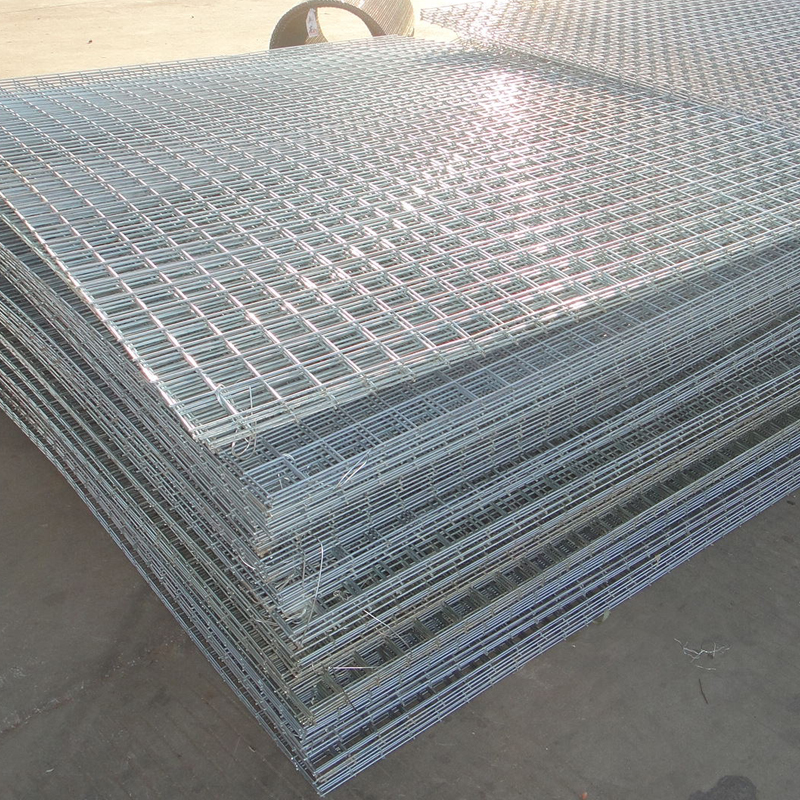
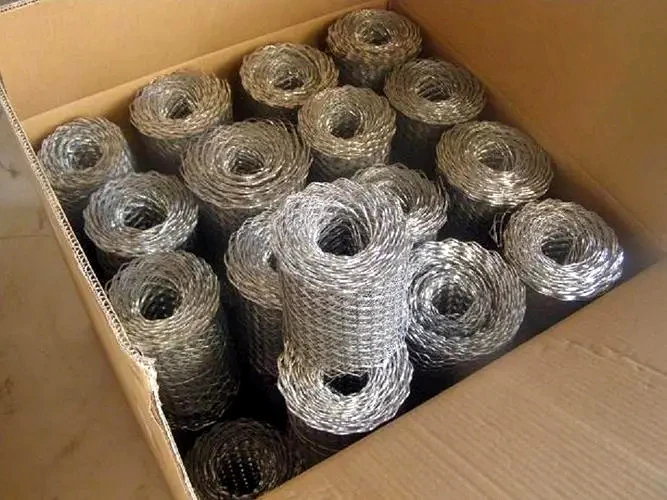
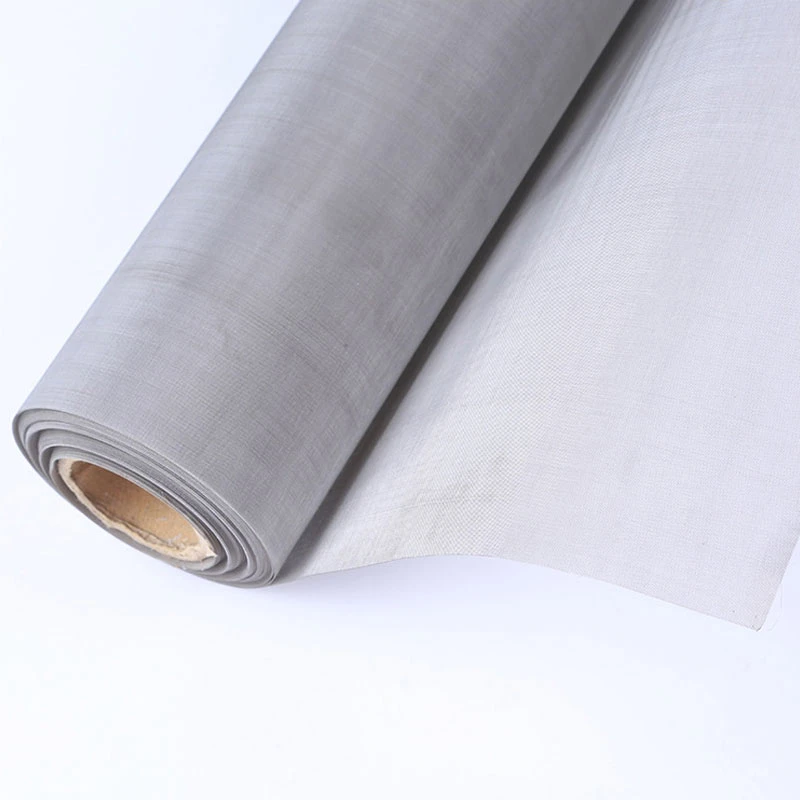
Advanced machinery ensuring precision in welded wire fabric production.
Technical Parameters and Standard Specifications
Understanding the precise technical parameters of welded wire fabric is crucial for engineers and procurement specialists to specify the correct material for their project requirements. Key parameters include wire diameter (gauge), mesh opening (spacing between wires), sheet dimensions, and material grade. Wire diameters typically range from 2.5 mm to 16 mm, providing versatility for various load-bearing capacities. Mesh openings can vary widely, from closely spaced grids (e.g., 50x50 mm) for thin slabs or precast elements to larger openings (e.g., 200x200 mm) suitable for highway pavements and heavy-duty industrial floors. Material grades, such as those conforming to ASTM A1064 or equivalent international standards, specify minimum tensile strength (typically 520 MPa for cold-drawn wire) and yield strength (typically 485 MPa), ensuring the wire reinforcement can withstand design stresses. Weld shear strength, a critical parameter, dictates the integrity of each intersection and is typically required to be at least 345 MPa or 350 N per weld, ensuring that individual wires do not separate under stress. The exact specifications are often tailored to project-specific engineering designs, adhering to national building codes and industry best practices. For instance, in the US, AASHTO M 221 specifies requirements for welded deformed steel wire reinforcement for concrete. This adherence to precise specifications ensures that the welded wire fabric delivers consistent and reliable performance, contributing to the structural longevity and safety of construction projects. The following table provides a general overview of common specifications for welded wire fabric used in various applications, highlighting the diversity and precision involved in its production and application, allowing for informed selection based on project demands and environmental considerations.
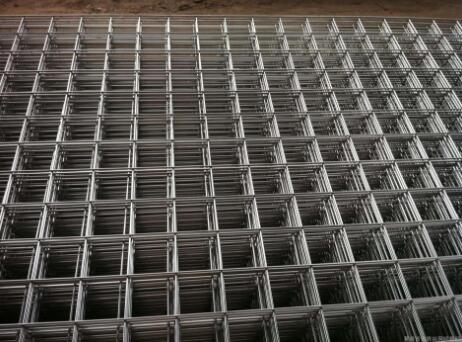
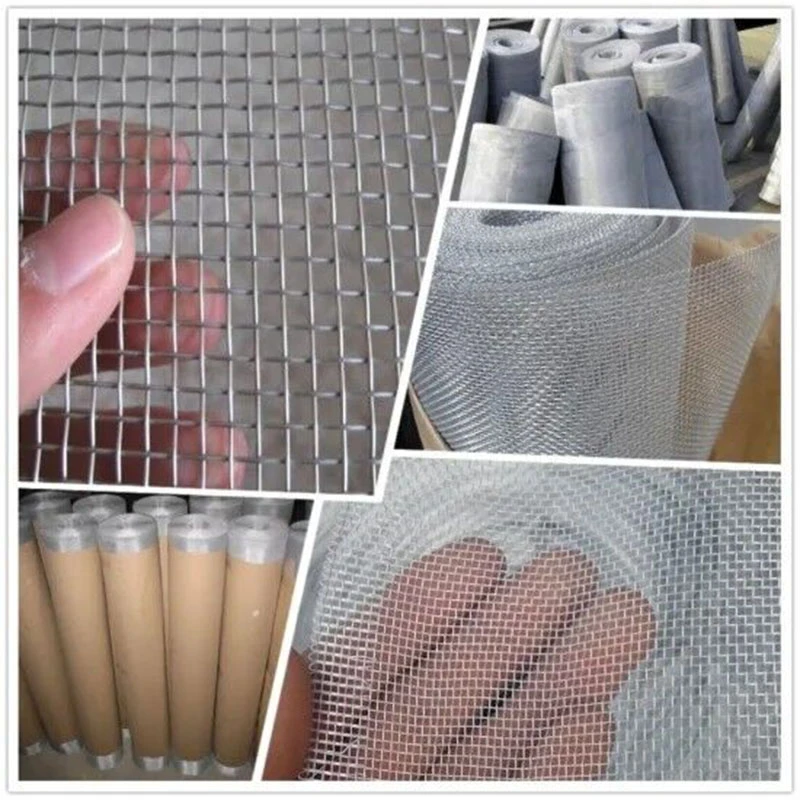
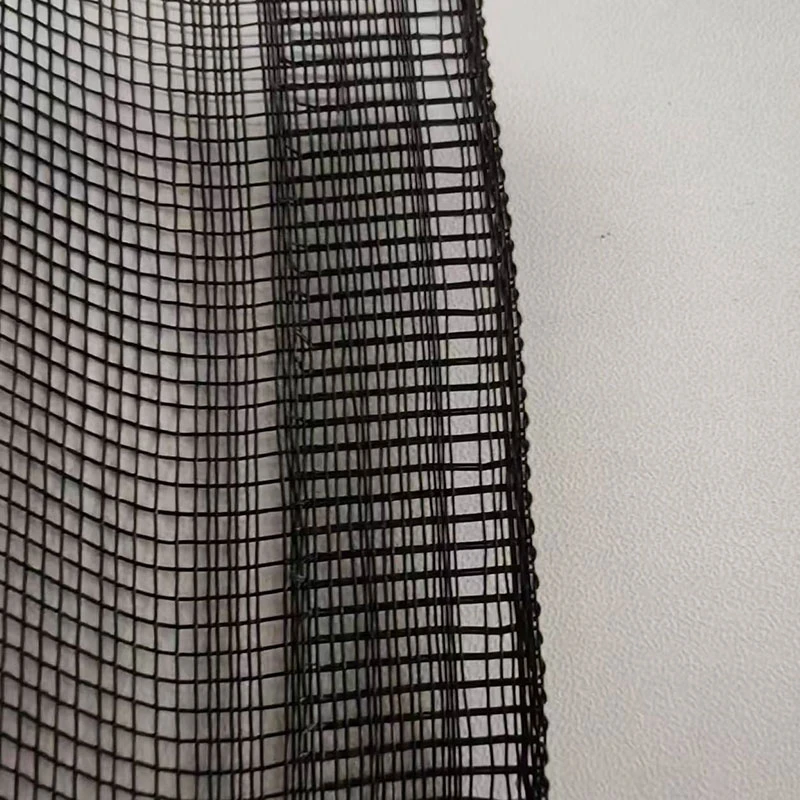
High quality welded wire mesh demonstrating uniform spacing.
Key Applications and Evolving Industry Trends
The versatility of welded wire fabric positions it as a critical component across a myriad of industries. Its primary application remains in concrete reinforcement, where it significantly enhances tensile strength and controls cracking in slabs, pavements, precast concrete products, and structural elements. In residential and commercial construction, it is indispensable for foundations, floor slabs, and tilt-up panels, offering superior crack resistance and faster installation compared to traditional rebar. Beyond buildings, it plays a vital role in infrastructure projects such as highways, airport runways, and bridge decks, where its uniform distribution of steel ensures long-term durability under heavy loads and repetitive stress. Furthermore, welded wire mesh finds extensive use in mining operations for rockfall protection and tunnel reinforcement, providing essential safety and structural integrity. In agricultural settings, it is utilized for fencing, animal enclosures, and crop protection, leveraging its strength and corrosion resistance. Emerging industry trends include the increasing adoption of galvanized welded wire fabric for enhanced corrosion resistance in harsh environments, and the development of specialized grades for seismic zone applications, offering improved ductility and energy absorption. The push for sustainable construction practices also favors welded wire fabric due to its efficient material usage and reduced waste during installation. Innovations in manufacturing processes are leading to even higher strength-to-weight ratios and custom geometries, allowing for more optimized structural designs and further reducing construction time. This evolution ensures that wire reinforcement continues to meet the complex demands of modern engineering, driving both efficiency and environmental responsibility.
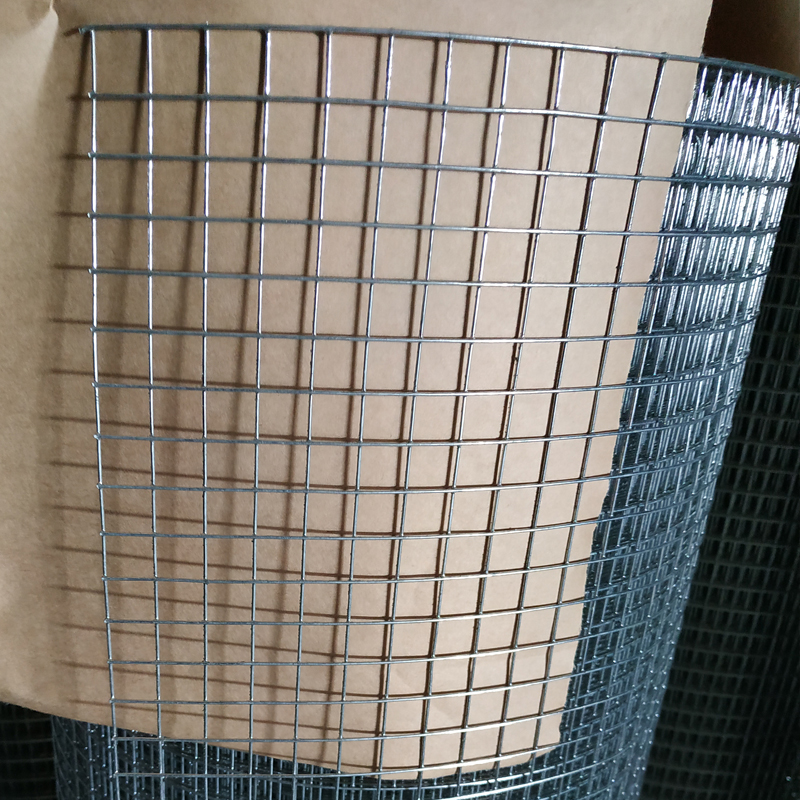
Automated production line for precise welded wire fabric.
Technical Advantages and Performance Excellence
The technical advantages of welded wire fabric over conventional reinforcement methods are substantial, contributing significantly to project efficiency, structural integrity, and long-term cost savings. One of its primary benefits is the enhanced structural performance derived from its uniform grid pattern and consistent wire spacing, which ensures optimal stress distribution within concrete. This uniformity leads to superior crack control and reduced concrete cover requirements compared to individually tied rebars, translating into more efficient use of materials and potentially thinner slab designs. The high tensile and yield strength of the cold-drawn wires, combined with robust resistance welds, provides exceptional load-bearing capacity and resistance to deformation under extreme conditions. Furthermore, the fabrication process of welded wire fabric results in a material that is easier and faster to install, leading to significant labor savings and accelerated project timelines. Pre-fabricated sheets or rolls minimize on-site cutting and tying, reducing errors and improving safety. For large infrastructure projects, this translates into substantial economic benefits and faster completion rates. Beyond structural benefits, treated welded wire mesh, such as galvanized or epoxy-coated variants, offers superior corrosion resistance, crucial for applications in aggressive environments like coastal areas, wastewater treatment plants, or industrial settings exposed to chemicals. This extended durability not only prolongs the service life of structures but also drastically reduces maintenance costs over the entire lifecycle. The precise engineering and consistent quality control inherent in its manufacturing ensure that wire fabric mesh provides a reliable, high-performance solution that meets the most demanding engineering specifications and stands the test of time, optimizing resource utilization and contributing to overall project sustainability.
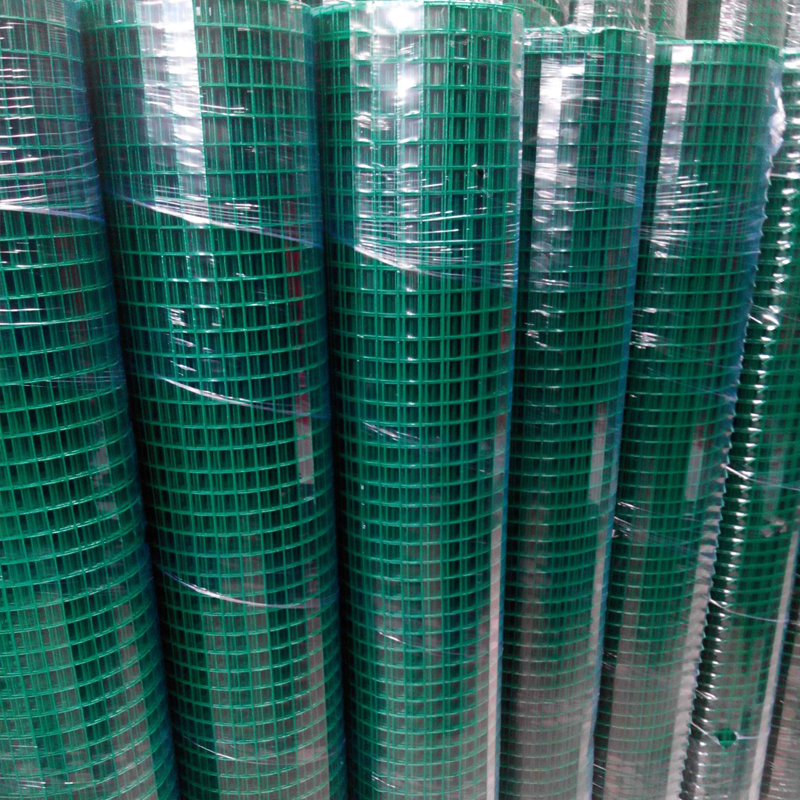
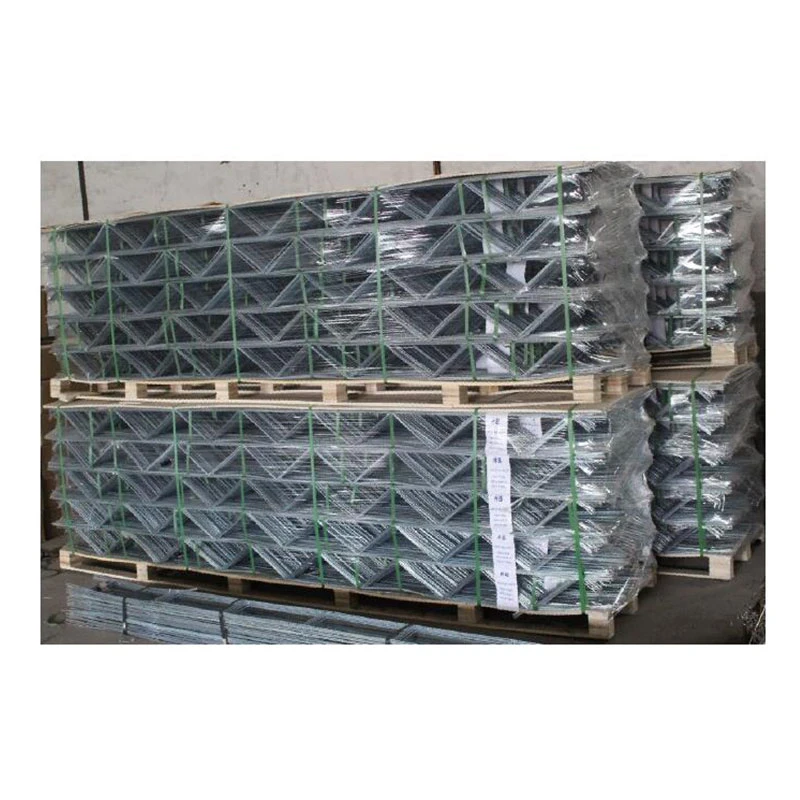
Precision welded wire fabric ready for structural reinforcement.
Manufacturer Comparison and Tailored Solutions
Selecting the right manufacturer for welded wire fabric is paramount to ensuring project success and long-term structural integrity. While numerous suppliers exist, a discerning approach involves evaluating several key factors beyond mere price. Reputable manufacturers prioritize adherence to international standards like ISO 9001 for quality management and ASTM/AASHTO specifications for product performance. They possess advanced manufacturing facilities, capable of producing a wide range of wire diameters, mesh sizes, and sheet dimensions to meet diverse project requirements. Furthermore, a top-tier manufacturer will offer comprehensive technical support, including engineering consultations, customized design assistance, and detailed material certifications. Experience, evident in a track record of successful projects and long-standing client relationships, is a strong indicator of reliability and capability. For example, a company with over two decades of experience in the welded wire mesh industry often possesses invaluable insights into material behavior and application challenges. The ability to provide tailored solutions is a crucial differentiator; this includes custom-cut sheets to minimize on-site waste, specialized coatings for enhanced corrosion resistance in challenging environments, or specific wire grades for high-performance applications. Instead of a one-size-fits-all approach, a leading manufacturer collaborates closely with clients to develop solutions that optimize material usage, reduce installation time, and ultimately lower overall project costs. This dedication to customized engineering and robust quality assurance distinguishes exceptional providers in the competitive market of wire reinforcement, ensuring that clients receive products that not only meet but exceed their stringent performance expectations and deliver superior value.
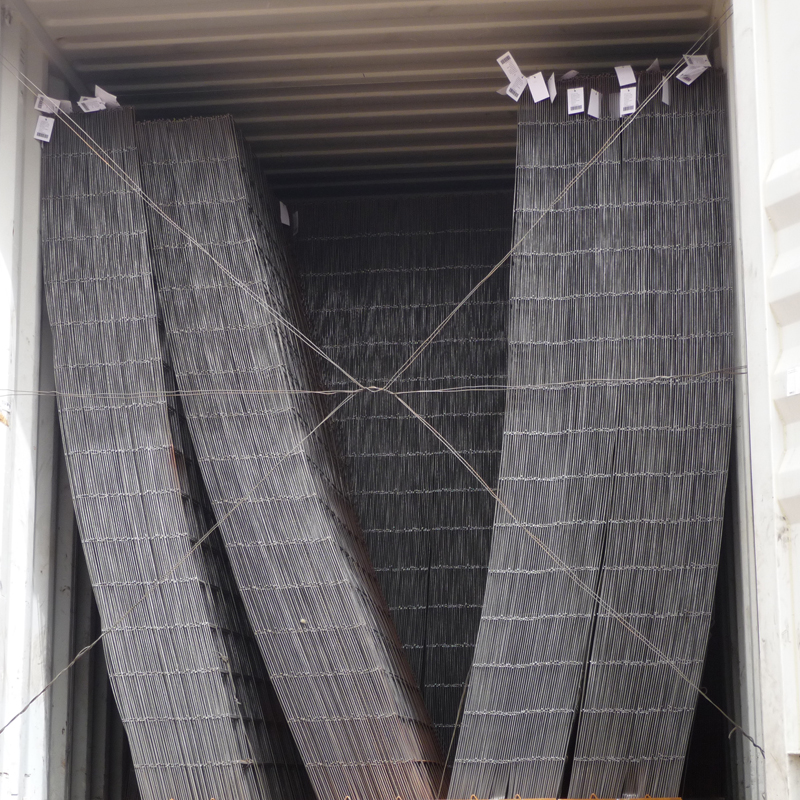
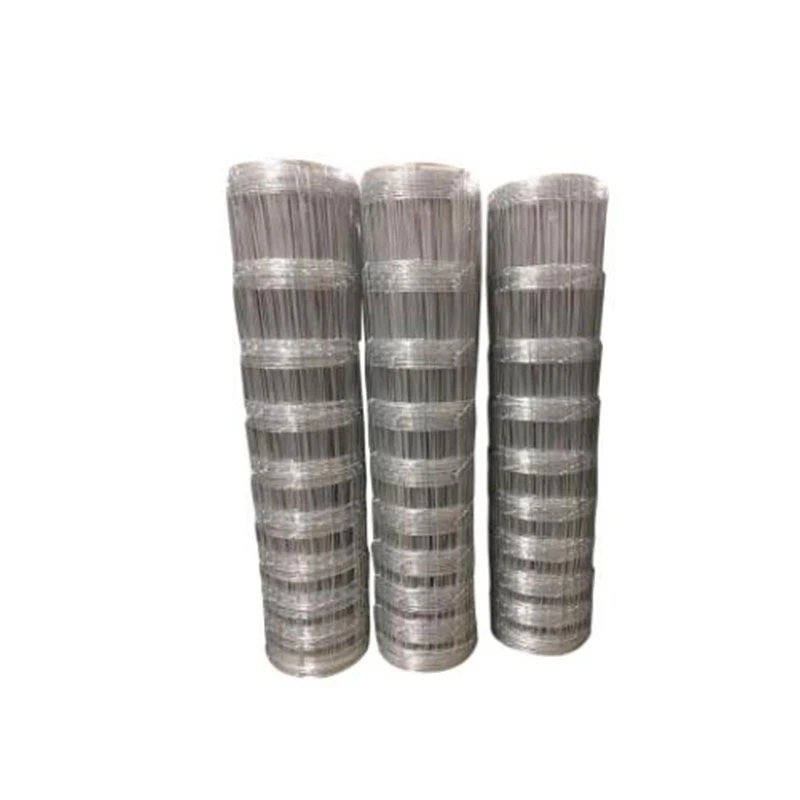
Welded wire fabric rolls for efficient large-scale deployment.
Ensuring Trust: Quality Assurance, Support, and FAQs
Building and maintaining trust with B2B clients in the highly specialized field of welded wire fabric is predicated on unwavering commitment to quality, transparent processes, and comprehensive customer support. A trustworthy supplier not only provides products conforming to specified standards but also demonstrates a robust quality assurance system, often certified to ISO 9001, ensuring traceability from raw material sourcing to final product delivery. This includes rigorous in-house testing for wire properties, weld shear strength, and dimensional accuracy. Clear communication regarding delivery cycles is crucial for project planning; established manufacturers typically offer reliable lead times and logistical support to ensure timely material arrival on site, minimizing costly delays. Furthermore, a firm warranty commitment, typically covering defects in material and workmanship for a defined period (e.g., 5-10 years depending on application and material type), underscores a manufacturer's confidence in their product. Exceptional customer support extends beyond sales, encompassing technical assistance, troubleshooting, and post-delivery consultation, ensuring clients maximize the performance and longevity of their wire fabric mesh. Providing a comprehensive FAQ section addresses common queries proactively, enhancing client understanding and confidence.
Frequently Asked Questions (FAQs)
-
Q1: What are the typical lead times for welded wire fabric orders?
A1: Lead times vary based on order volume, customization requirements, and current production schedules. Standard products typically ship within 2-4 weeks, while custom orders may require 4-8 weeks. We recommend contacting our sales team for precise scheduling based on your project needs. -
Q2: Can welded wire mesh be galvanized or epoxy-coated for enhanced corrosion resistance?
A2: Yes, absolutely. For applications in corrosive environments (e.g., marine structures, chemical plants), we offer both hot-dip galvanized and epoxy-coated welded wire fabric options, specifically engineered to provide superior protection against rust and degradation. -
Q3: What are your quality control and testing procedures for wire reinforcement?
A3: Our manufacturing facilities adhere to ISO 9001 standards. Every batch undergoes rigorous quality checks, including wire diameter measurement, mesh spacing verification, tensile strength tests, yield strength tests, and critical weld shear strength tests, all performed in accordance with ASTM A1064/A1064M and other relevant international standards. -
Q4: Do you provide technical support for specific project designs or unique applications?
A4: Yes, our team of experienced engineers and technical specialists is available to provide detailed consultations, assist with product selection, and offer bespoke design solutions to meet the unique requirements of your project, ensuring optimal performance of our welded wire fabric.
References
- American Society for Testing and Materials. (2018). ASTM A1064/A1064M - 18a: Standard Specification for Steel Wire and Welded Wire Reinforcement, Plain and Deformed, for Concrete. ASTM International.
- International Organization for Standardization. (2016). ISO 6935-3: Steel for the reinforcement of concrete – Part 3: Welded fabric. ISO Central Secretariat.
- Portland Cement Association. (2020). Design and Control of Concrete Mixtures. Fourteenth Edition. PCA Skokie.
- American Association of State Highway and Transportation Officials. (2021). AASHTO M 221: Welded Deformed Steel Wire Reinforcement for Concrete. AASHTO.
- Construction Industry Research and Information Association. (2019). Guide to the Design of Concrete Structures. CIRIA.