Iron tie wire, a seemingly simple material, plays a critical role in a vast array of applications worldwide. From reinforcing concrete structures and securing agricultural products to crafting intricate wire art and providing vital support in disaster relief efforts, its versatility is undeniable. Understanding the properties, uses, and future potential of iron tie wire is essential for professionals in construction, agriculture, manufacturing, and humanitarian aid, as well as for anyone interested in the foundational materials that shape our modern world.
The global demand for iron tie wire is substantial and continuously evolving, driven by infrastructure development in emerging economies, the increasing need for efficient agricultural practices, and a growing awareness of cost-effective binding solutions. According to reports from the World Steel Association, steel production—the source material for iron tie wire—remains a cornerstone of global industrial output. However, challenges such as fluctuating raw material costs, environmental concerns, and the need for improved sustainability practices demand innovative approaches in the production and application of this essential material.
Iron tie wire isn’t just about physical connections; it represents reliability, resilience, and a commitment to building a stronger, more secure future. Its affordability and ease of use make it an indispensable tool, empowering individuals and industries alike to tackle complex challenges and achieve lasting results. This article will delve into the multifaceted world of iron tie wire, exploring its defining characteristics, diverse applications, and the exciting innovations shaping its future.
The Foundational Properties of iron tie wire
The fundamental properties of iron tie wire dictate its widespread use. High tensile strength allows it to withstand significant pulling forces, making it ideal for binding and securing materials. The inherent ductility of iron also allows for easy bending and manipulation without fracturing, a crucial characteristic for creating strong and reliable connections.
Further enhancing its value is the relatively low cost of iron tie wire compared to alternative materials like stainless steel or plastic ties. This cost-effectiveness makes it particularly attractive for large-scale projects where minimizing expenses is paramount. The accessibility of iron as a raw material also contributes to a consistent and reliable supply chain.
The Global Relevance of iron tie wire
Iron tie wire isn’t confined to a single region or industry; its relevance spans the globe. In rapidly developing nations, it is vital for constructing infrastructure, supporting agricultural growth, and building affordable housing. Countries like China, India, and Brazil, experiencing significant construction booms, exhibit substantial demand for iron tie wire to reinforce concrete, secure building materials, and facilitate infrastructure development.
Conversely, in established economies, iron tie wire remains a critical component in various sectors. From tying rebar in large-scale construction projects across North America and Europe to securing crops in agricultural regions worldwide, its applications are diverse. The United Nations estimates that sustainable infrastructure development—where iron tie wire plays a vital role—requires annual investments of trillions of dollars globally.
Furthermore, in humanitarian relief scenarios, iron tie wire serves as an indispensable tool for rapidly constructing temporary shelters, reinforcing damaged structures, and providing essential support to communities affected by natural disasters. Its portability, affordability, and ease of use make it a lifeline in crisis situations, highlighting its global importance beyond economic applications.
Defining Iron Tie Wire: Strength and Application
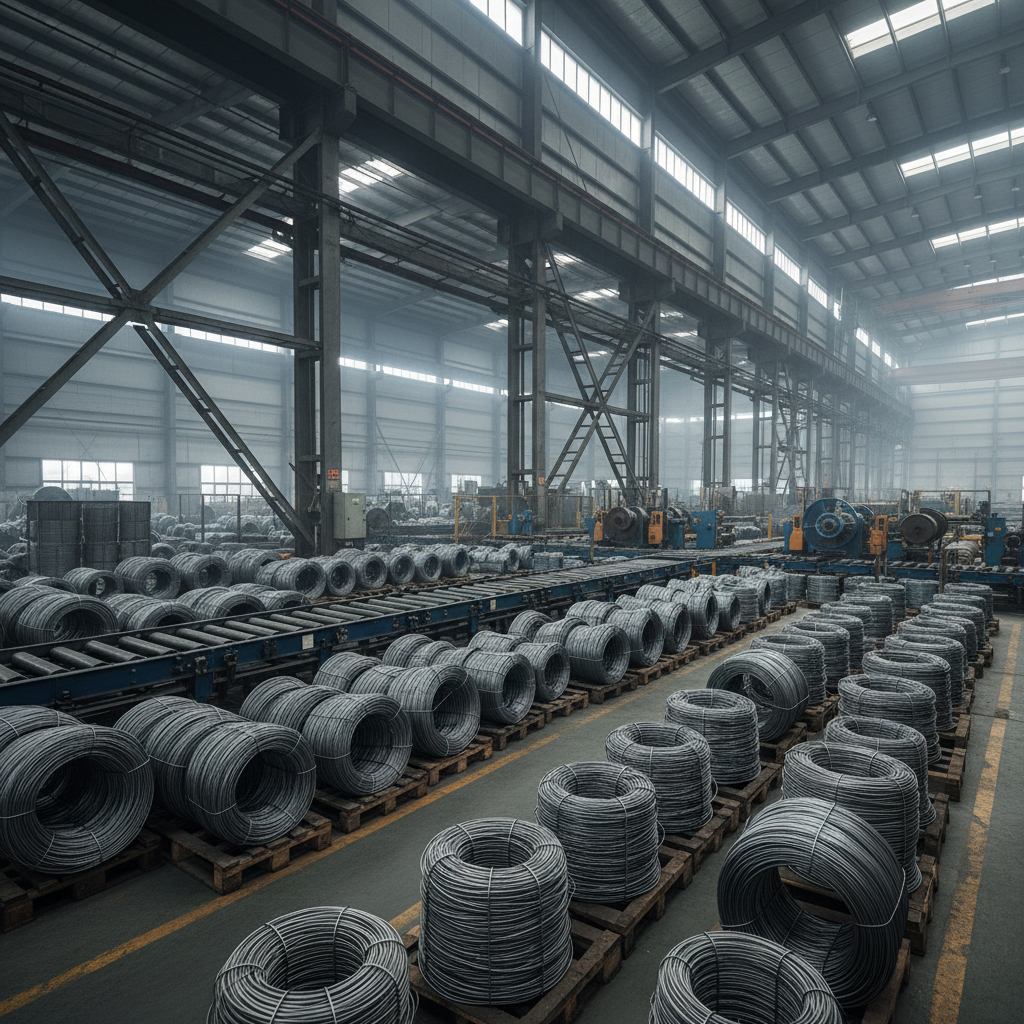
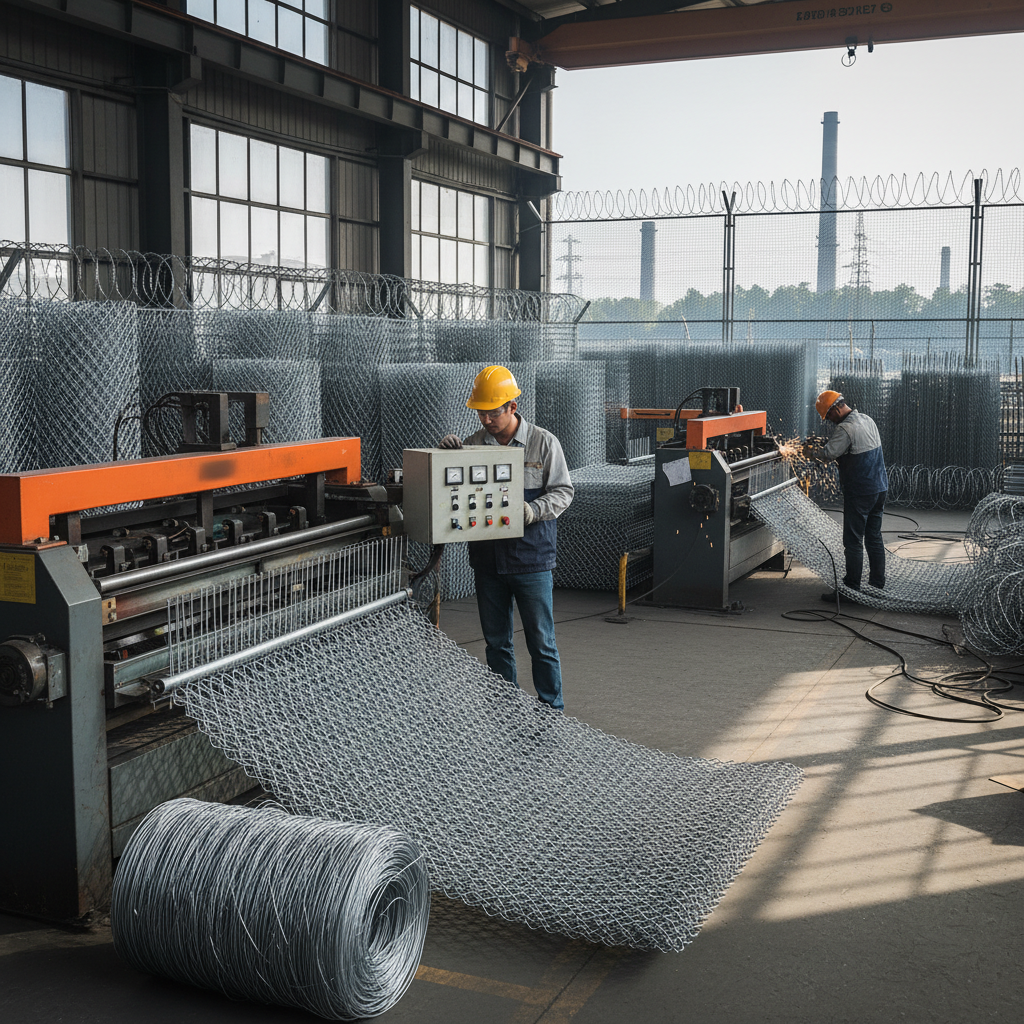
Iron tie wire is essentially a low-carbon steel wire, typically annealed to enhance its ductility and make it easier to twist and bend. It is produced through a process of drawing steel rods through a series of dies, reducing the diameter to the desired gauge. The resulting wire is characterized by its pliability and sufficient tensile strength for a wide range of binding applications.
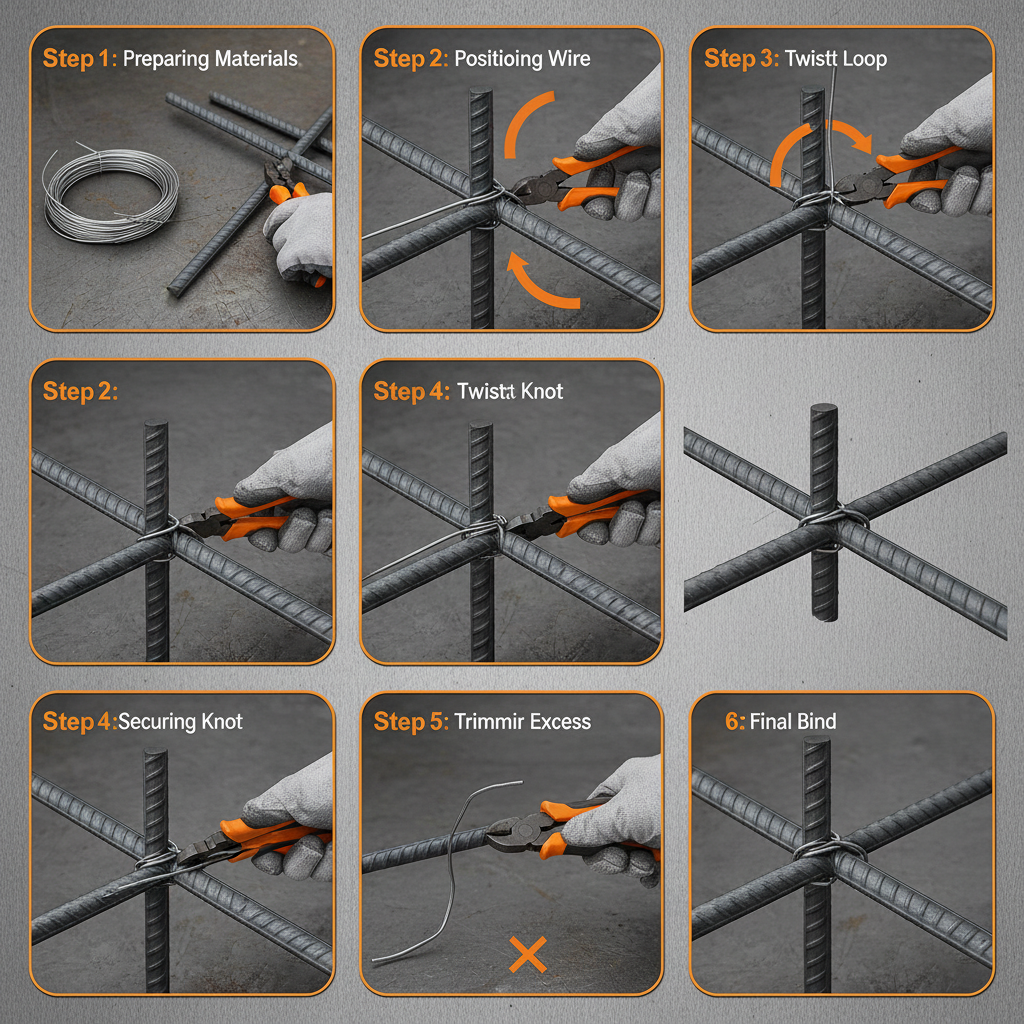
Its primary function is to securely fasten materials together, functioning as a temporary or permanent binding agent. This makes it crucial in concrete construction, where it’s used to tie rebar (reinforcing bars) into place before concrete is poured, ensuring structural integrity. Beyond construction, it's widely utilized in agriculture to support vines, secure plants, and bundle crops.
Modern applications are also evolving; while traditionally used for robust binding, iron tie wire is increasingly being incorporated into artistic installations, craft projects, and even specialized packaging solutions. Its adaptability and cost-effectiveness continue to drive innovation in diverse fields.
Core Characteristics of High-Quality iron tie wire
Several key characteristics define high-quality iron tie wire, ensuring optimal performance and reliability. First and foremost is tensile strength, indicating the wire's ability to resist breaking under tension. Higher tensile strength translates to a more secure and durable bond. Closely related is ductility, the wire’s capacity to deform without fracturing, allowing for easy bending and twisting.
Corrosion resistance is another critical factor, especially in outdoor applications or environments exposed to moisture. Galvanization—coating the wire with a protective layer of zinc—significantly enhances its resistance to rust and corrosion, extending its lifespan and maintaining its structural integrity.
iron tie wire Quality Assessment
Diverse Applications of iron tie wire Worldwide
The applications of iron tie wire are incredibly broad. In the construction industry, it’s fundamental for binding rebar cages, providing structural support in concrete structures, and securing formwork. Agriculture utilizes it extensively for training vines in vineyards, supporting fruit trees, and bundling harvested crops for efficient transportation and storage.
Beyond these core sectors, iron tie wire finds use in packaging, crafting, landscaping, and even temporary fencing. In post-disaster relief operations, it’s frequently employed for rapidly constructing emergency shelters and reinforcing damaged infrastructure, making it a vital resource for humanitarian organizations.
The Enduring Value of iron tie wire
The continued relevance of iron tie wire stems from its exceptional value proposition. Its affordability ensures accessibility for projects of all scales, from large-scale infrastructure development to individual DIY projects. Its strength and durability provide reliable performance in demanding environments, minimizing the risk of failure and ensuring long-term structural integrity.
The ease of use and versatility further contribute to its enduring appeal. Iron tie wire requires minimal specialized tools for installation, reducing labor costs and simplifying the construction process. Its adaptability allows it to be used in a wide range of applications, making it a valuable asset for professionals and hobbyists alike.
The emotional value is also significant. The security and reliability provided by correctly implemented iron tie wire contribute to peace of mind, knowing structures are sound, crops are supported, and emergency shelters are secure.
Future Trends and Innovations in iron tie wire Technology
While iron tie wire has a long history, innovations are continually emerging to enhance its performance and sustainability. Research into high-strength, low-alloy steel formulations promises to deliver iron tie wire with increased tensile strength and corrosion resistance, extending its lifespan and reducing maintenance requirements.
The development of more environmentally friendly manufacturing processes is also gaining momentum. Utilizing recycled steel and implementing energy-efficient production techniques can significantly reduce the carbon footprint associated with iron tie wire production, aligning with growing sustainability goals.
Furthermore, advancements in automated tying tools are streamlining the installation process, increasing efficiency and reducing labor costs. These tools are particularly valuable in large-scale construction projects where speed and precision are critical.
Analysis of Iron Tie Wire Production and Innovation
| Production Method |
Environmental Impact |
Cost Efficiency |
Product Quality |
| Traditional Steel Production |
High Carbon Emissions (6/10) |
Moderate (7/10) |
Good (8/10) |
| Recycled Steel Production |
Low Carbon Emissions (9/10) |
High (9/10) |
Excellent (9/10) |
| Electric Arc Furnace (EAF) |
Medium Carbon Emissions (7/10) |
Moderate (8/10) |
Very Good (8/10) |
| Galvanization Process |
Moderate (6/10) – Zinc usage |
Moderate (7/10) |
Excellent (10/10) - Corrosion Resistance |
| Automated Tying Systems |
Low – Efficiency gain reduces overall impact (8/10) |
Very High (9/10) |
Consistent (8/10) |
| High-Strength Alloy Development |
Variable - Dependent on Alloy Composition (7/10) |
Moderate-High (8/10) |
Excellent (9/10) – Enhanced Performance |
FAQS
Galvanized iron tie wire is coated with a layer of zinc to protect it from rust and corrosion, significantly extending its lifespan, particularly in outdoor or humid environments. Non-galvanized wire, while more affordable, is susceptible to corrosion and may not be suitable for long-term applications where exposure to the elements is expected. The choice depends on the specific application and desired durability.
The recommended gauge for rebar tying typically ranges from 16 to 18 gauge. 16 gauge provides stronger hold, suitable for heavier rebar and more demanding structural requirements. 18 gauge is often sufficient for lighter rebar and less critical applications. Consulting local building codes and engineering specifications is always recommended to ensure compliance.
Iron is inherently recyclable, making iron tie wire a relatively sustainable material, especially when sourced from recycled steel. However, the manufacturing process can be energy-intensive. Choosing suppliers who prioritize sustainable practices, such as utilizing recycled materials and minimizing energy consumption, can further enhance its environmental profile.
The most effective method is to use galvanized iron tie wire. Regularly inspecting and applying protective coatings, such as rust inhibitors, can also help prevent corrosion. Avoiding prolonged exposure to moisture and ensuring proper ventilation can further extend the lifespan of the wire.
Always wear gloves to protect your hands from sharp edges and potential cuts. Eye protection is also recommended to prevent wire fragments from entering your eyes. Use appropriate tools for cutting and twisting the wire to avoid injury. Be mindful of your surroundings and avoid creating tripping hazards with loose wire ends.
The tensile strength of iron tie wire varies depending on the gauge and type of steel used. However, a typical 16-gauge galvanized iron tie wire generally exhibits a tensile strength ranging from 80,000 to 90,000 psi (pounds per square inch). This provides sufficient strength for most common binding applications.
Conclusion
Iron tie wire, despite its simplicity, remains an essential material across a multitude of industries. From constructing robust infrastructure and supporting agricultural practices to providing crucial aid in disaster relief, its versatility, affordability, and reliability are unmatched. Understanding its properties, applications, and the emerging innovations surrounding its production is paramount for professionals and informed individuals alike.
Looking ahead, advancements in sustainable manufacturing processes, alloy development, and automated tying tools promise to further enhance the value and longevity of iron tie wire. By embracing these innovations and prioritizing responsible sourcing, we can ensure its continued relevance in building a stronger, more sustainable future. To learn more about our wide range of high-quality iron tie wire products, visit our website: www.yjdwiremesh.com