Iron winding wire, a seemingly simple component, plays a critical role in a vast array of modern industries and technologies. From the efficient operation of electric motors and generators to the crucial functionality of transformers and inductors, this versatile material underpins much of our electrical infrastructure. Understanding its properties, applications, and future developments is essential for engineers, manufacturers, and anyone involved in the electrical and mechanical fields. The global demand for reliable and high-performance electrical systems continues to drive innovation in iron winding wire technology.
The relevance of iron winding wire extends far beyond simply powering devices. Its contributions are vital to energy transmission and distribution, enabling the efficient delivery of electricity to homes and businesses worldwide. Furthermore, advancements in materials science have led to specialized iron winding wire variants with enhanced properties for specific applications, such as high-temperature environments or corrosive atmospheres. The increasing focus on energy efficiency and renewable energy sources is further fueling the need for optimized winding wire solutions.
The benefits of understanding iron winding wire are multifaceted. For professionals, it unlocks the ability to design and implement more efficient and reliable electrical systems. For businesses, it translates into cost savings, improved product performance, and a competitive edge. And for society as a whole, it supports the development of sustainable energy solutions and a more technologically advanced future.
Introduction to iron winding wire
Iron winding wire is primarily utilized in the creation of electromagnetic coils. These coils are fundamental components in a vast number of electrical devices, including motors, transformers, and solenoids. The core function of this wire lies in its ability to efficiently conduct electricity while simultaneously being easily formed into precise coil shapes.
The composition of iron winding wire typically involves a core of high-purity iron, often combined with other metals to enhance specific properties like conductivity, tensile strength, and resistance to corrosion. These alloys are then coated with an insulating material to prevent short circuits and ensure the reliable performance of the resulting coils.
Global Significance and Challenges
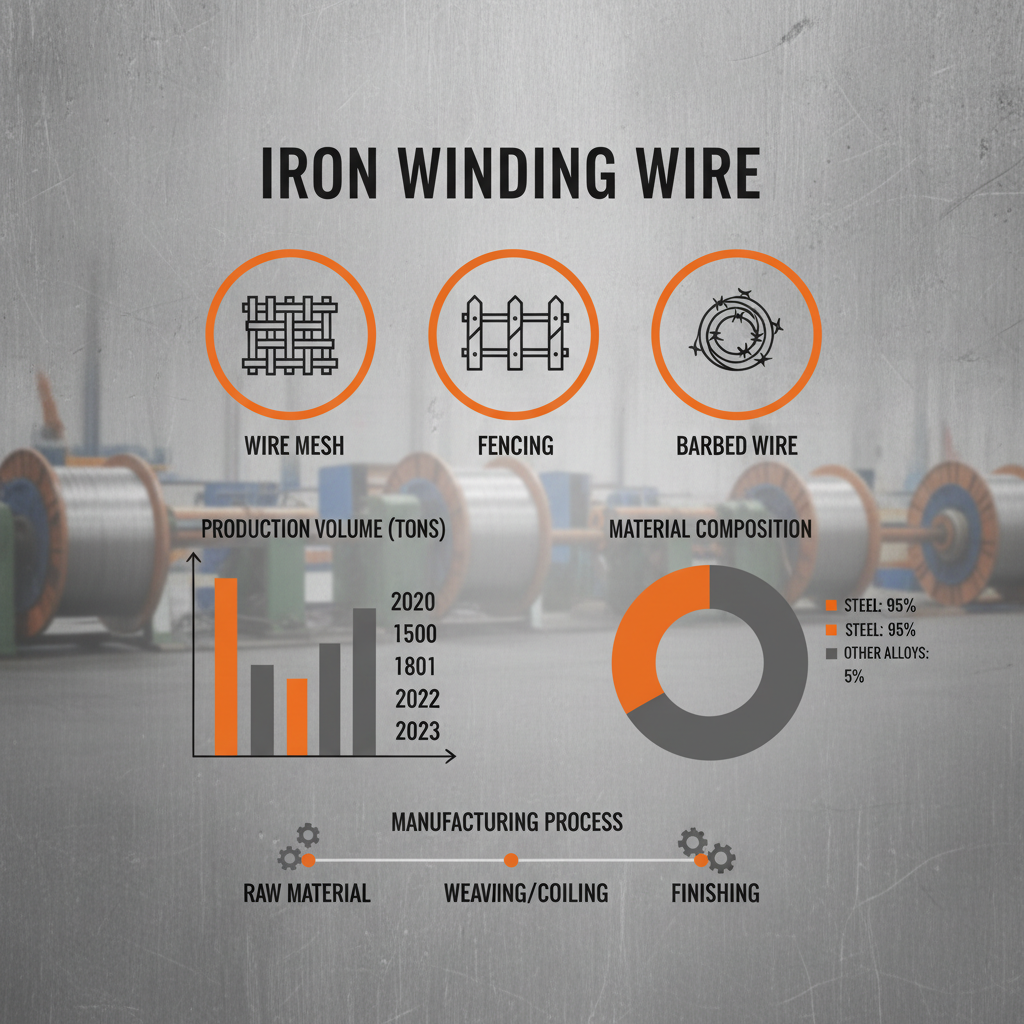
The global market for iron winding wire is substantial, driven by the increasing demand for electrical energy and the expansion of industries reliant on electrical machinery. According to recent reports, the winding wire market is projected to reach billions of dollars in the coming years, with significant growth expected in emerging economies. China, in particular, is a major producer and consumer of iron winding wire, reflecting its position as a global manufacturing hub.
However, the industry faces several challenges. Fluctuations in raw material prices, particularly iron and other alloy components, can impact production costs. Additionally, stringent environmental regulations related to manufacturing processes and waste disposal require companies to adopt sustainable practices. Competition from alternative materials, such as copper winding wire, also poses a challenge.
A key challenge is ensuring consistent quality and performance across different manufacturers and applications. Variations in wire diameter, insulation thickness, and material purity can lead to inconsistencies in coil performance and potentially reduce the lifespan of electrical devices. Addressing these challenges through standardized testing and quality control measures is crucial for maintaining the integrity of the industry.
Defining Iron Winding Wire
Iron winding wire, in its simplest definition, is a conductor composed of iron or an iron alloy, insulated with a non-conductive material. It’s designed specifically for use in creating coils that generate magnetic fields when electricity passes through them. Unlike solid conductors, winding wire is typically available in varying gauges (diameters) and with different types of insulation suited for specific temperature and voltage requirements.
The connection to modern industry is undeniable. Without iron winding wire, many of the electrical systems we rely on daily – from the motors in our appliances to the power grid itself – would not function. Its ability to efficiently convert electrical energy into mechanical energy (and vice-versa) is fundamental to countless industrial processes and consumer products.
In terms of humanitarian needs, reliable electrical power is essential for healthcare facilities, communication networks, and disaster relief efforts. Iron winding wire, as a critical component of power generation and distribution, indirectly contributes to these essential services, playing a role in improving the quality of life for people around the world.
Key Properties of iron winding wire
One of the most critical properties of iron winding wire is its conductivity. The ability to efficiently conduct electricity minimizes energy loss and maximizes the performance of electrical devices. The purity of the iron alloy and the manufacturing process significantly impact conductivity. Another key factor is tensile strength, which dictates the wire’s ability to withstand the stresses of winding and coil formation without breaking.
Corrosion resistance is also paramount, particularly in harsh environments. Coatings and alloy compositions are often tailored to withstand exposure to moisture, chemicals, and extreme temperatures. Finally, insulation quality is crucial for preventing short circuits and ensuring safety. The type of insulation used (e.g., enamel, varnish, tape) must be appropriate for the voltage and temperature requirements of the application.
Comparison of Iron Winding Wire Properties
Applications Across Industries
The automotive industry heavily relies on iron winding wire for the production of electric motors used in everything from power windows and windshield wipers to electric vehicles. The aerospace industry utilizes specialized iron winding wire in aircraft generators, actuators, and other critical electrical components. These applications demand high reliability and performance under extreme conditions.
In the power generation sector, iron winding wire is essential for constructing transformers and generators, which are crucial for converting and transmitting electricity. The renewable energy sector, including wind and solar power, also utilizes iron winding wire in generators and inverters. Even in medical devices, such as MRI machines, specialized iron winding wire is used to create strong magnetic fields.
Advantages and Long-Term Value
The cost-effectiveness of iron winding wire, especially compared to some higher-performance alternatives like silver or copper, makes it an attractive option for many applications. However, the true value extends beyond initial cost. Its durability and resistance to wear and tear contribute to a longer lifespan of electrical devices, reducing maintenance costs and downtime.
From a sustainability perspective, the increasing use of recycled iron in the production of winding wire minimizes environmental impact. The reliability of iron winding wire-based systems contributes to enhanced safety and reduced risk of electrical failures. This trustworthiness is essential in critical applications where downtime can have severe consequences.
Future Trends and Innovations
Research and development efforts are focused on creating iron winding wire with even higher conductivity and improved corrosion resistance. Nanomaterials and advanced alloys are being explored to enhance performance. The integration of digital technologies, such as sensor-embedded winding wire for real-time monitoring of coil health, is also gaining traction.
The demand for energy-efficient solutions is driving innovation in winding wire design and manufacturing. Automated winding processes and precision control technologies are being implemented to minimize waste and improve consistency. The trend towards electrification, particularly in transportation and industrial automation, will continue to fuel the demand for advanced iron winding wire solutions.
A significant area of innovation lies in developing iron winding wire solutions tailored for extreme environments, such as high-temperature applications in electric vehicle motors or corrosive atmospheres in offshore oil rigs. These advancements will require collaboration between materials scientists, engineers, and manufacturers.
FAQS
The cost of iron winding wire is primarily influenced by the price of raw materials, particularly iron and alloying elements. Manufacturing processes, insulation type, wire gauge, and order volume also play significant roles. Market demand and geopolitical factors can further impact pricing fluctuations. Selecting the correct alloy and gauge for your application can minimize cost without sacrificing performance.
The insulation type is crucial, as it determines the wire’s maximum operating temperature, voltage rating, and resistance to chemicals and abrasion. Common insulation materials include enamel, varnish, and tape. Higher temperature ratings are needed for motors in demanding environments, while chemical resistance is essential in corrosive applications. Proper insulation prevents short circuits and ensures safe, reliable operation.
The lifespan of a coil depends heavily on its operating conditions and the quality of the winding wire. Properly designed and manufactured coils can last for decades, while those subjected to excessive heat, vibration, or corrosive environments may fail prematurely. Regular maintenance, such as cleaning and insulation testing, can extend coil life. Choosing a wire with superior corrosion resistance is also crucial.
Yes, iron winding wire is readily recyclable. The iron content can be recovered and reused in the production of new wire and other steel products, promoting sustainability and reducing waste. However, separating the wire from other materials in end-of-life electrical devices can be challenging and requires specialized recycling processes. Responsible disposal and recycling practices are essential.
Copper winding wire generally offers higher conductivity than iron, making it preferred for applications demanding minimal energy loss. However, iron winding wire is often more cost-effective and exhibits better mechanical strength. Iron is also more resistant to certain types of corrosion. The choice between the two depends on the specific application requirements and budget constraints.
The gauge (diameter) of the iron winding wire directly affects its resistance and current-carrying capacity. Thicker gauges offer lower resistance, allowing for higher current flow, but require more space and material. Thinner gauges are more flexible and easier to wind but have higher resistance. Selecting the appropriate gauge is critical for optimizing coil performance and preventing overheating.
Conclusion
In conclusion, iron winding wire remains a vital component in countless electrical systems globally. Its cost-effectiveness, durability, and versatility make it an essential material across a wide range of industries. From powering our homes and businesses to enabling advancements in renewable energy and medical technology, the influence of iron winding wire is pervasive and significant. Continued innovation in materials science and manufacturing processes will undoubtedly further enhance its performance and sustainability.
Looking ahead, the integration of smart technologies and the growing demand for energy efficiency will drive further development in iron winding wire solutions. Investing in research and development, promoting sustainable manufacturing practices, and fostering collaboration between industry stakeholders are crucial steps towards unlocking the full potential of this essential material. For more information and to explore our range of iron winding wire products, visit our website: www.yjdwiremesh.com.