Understanding Galvanized Iron Wire Factory: Why It Matters Globally
When you hear the term galvanized iron wire factory, it might sound like just another industrial jargon. But in truth, these factories produce one of the most widely used and versatile materials in construction, agriculture, and infrastructure worldwide. Galvanized iron wire, coated in protective layers of zinc, is critical for preventing rust and prolonging the lifespan of countless products. As global demand for durable, cost-effective, and sustainable materials surges, understanding what these factories do—and why—opens a window into a quiet but essential cornerstone of modern industry.
Simply put: wherever metal wires are needed that won't corrode in harsh environments—be it for fencing remote farms, safeguarding electrical cables, or crafting wire mesh for construction—galvanized iron wire factories are the source. And considering global industrial growth projections—especially in emerging economies—the importance of these factories will only deepen in upcoming decades.
The Global Context: Why Galvanized Iron Wire Factories Are Vital
Globally, industry experts note that the steel wire market—including galvanized variants—is expected to experience steady growth exceeding 5.5% annually through 2030[1]. This growth aligns with increasing infrastructure projects as countries strive for modernization and climate resilience. On the flip side, rust prevention remains a costly challenge: the World Steel Association estimates corrosion costs about 3-4% of the global GDP each year, a staggering economic and safety burden.
Here’s where galvanized iron wire factory operations become part of a solution. By applying zinc coatings via galvanization, factories produce wires inherently resistant to oxidation, reducing maintenance costs and environmental waste over time. However, challenges around sustainable zinc sourcing and process emissions loom large in the sector.
What Is a Galvanized Iron Wire Factory?
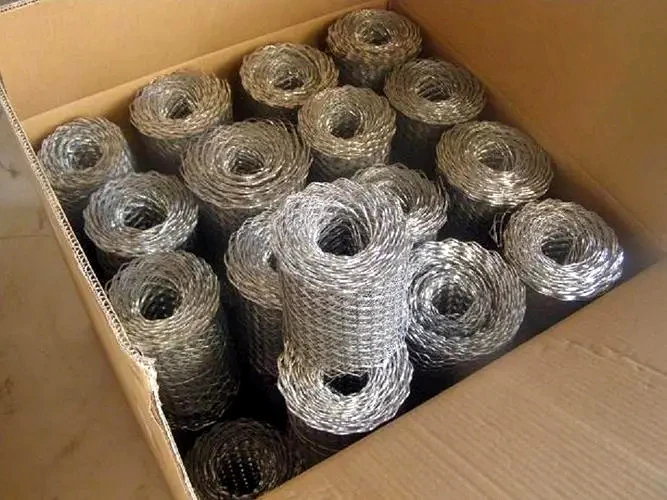
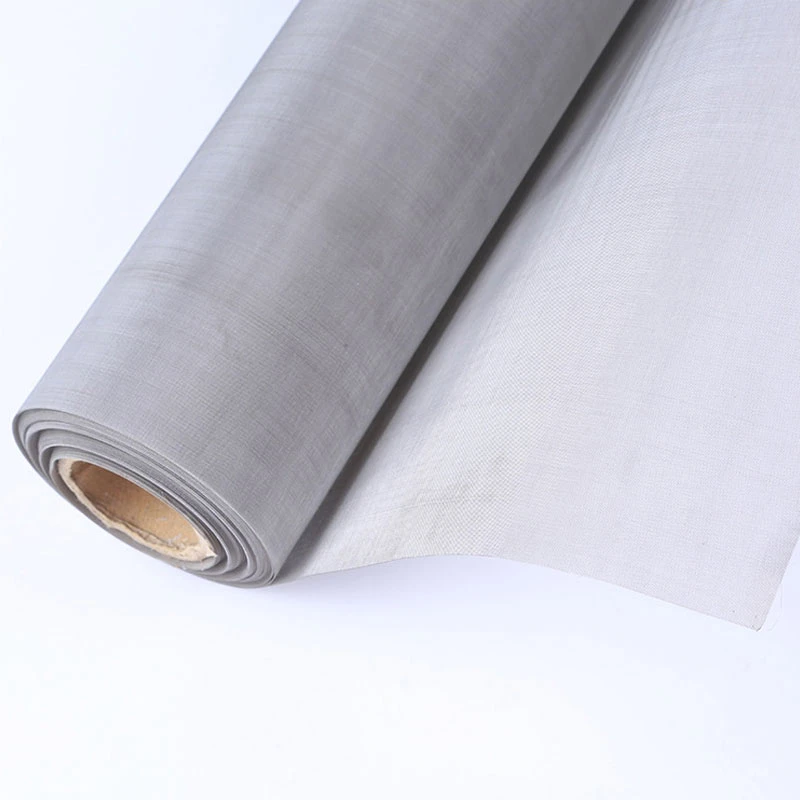
Simply put, a galvanized iron wire factory is an industrial facility that produces iron wire coated with zinc to protect against corrosion. The process typically involves drawing iron rods into thin wire, then passing these wires through a molten zinc bath—or employing electro-galvanizing methods—to apply a uniform protective layer.
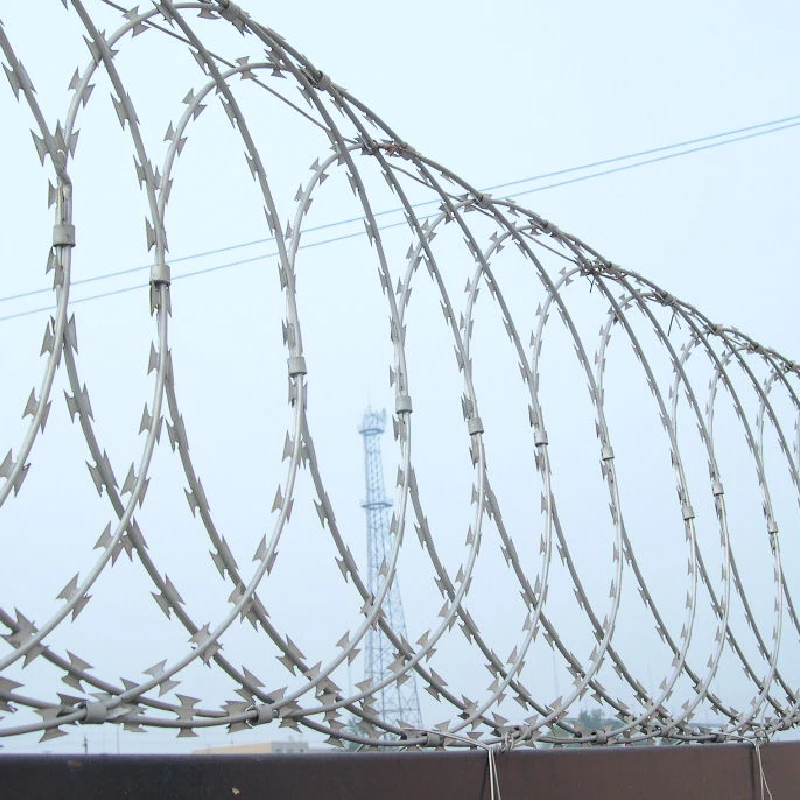
This process transforms plain iron wire into a versatile, weather-resistant product widely used across multiple sectors. Whether for simple barbed wire fences, wire mesh reinforcement in concrete, or even specialized cables, galvanized wire is foundational to modern infrastructure and humanitarian needs alike.
To put in perspective, these factories often serve agricultural communities by providing fencing material that withstands variable weather or human settlements in disaster-affected regions needing rapid shelter solutions stabilized with galvanized wire components.
Core Components and Key Factors of Galvanized Iron Wire Production
1. Durability
The zinc coating creates a barrier against oxygen and moisture, which delays rust formation significantly. This durability is especially crucial for outdoor applications, where exposure to rain, salt air, or soil could otherwise degrade plain iron wire quickly.
2. Scalability
Modern galvanized iron wire factories are designed for large-scale production, efficiently meeting both mass industrial needs and more niche, customized orders. Many facilities can produce varying gauge wires based on client requirements, scaling output smoothly to demand fluctuations.
3. Cost Efficiency
The galvanizing process extends the wire's useful life, reducing replacement frequency and maintenance costs. Factories strive to balance raw material sourcing and labor costs while delivering competitively priced galvanized wires.
4. Quality Control and Testing
Consistent zinc coating thickness, tensile strength, and ductility are tested rigorously. These factories often follow ISO standards to ensure product reliability — something engineers and end-users deeply appreciate.
5. Environmental Considerations
While galvanized wire production uses chemicals and energy-intensive processes, advancements aim to reduce emissions and recycle zinc efficiently, aligning with global sustainability goals.
Typical Product Specifications: A Quick Look
| Specification | Typical Range | Comments |
|---|---|---|
| Wire Diameter | 0.5 mm to 6 mm | Varies by application |
| Zinc Coating Thickness | 40 - 275 g/m² | Heavier coating = better corrosion resistance |
| Breaking Load | Strength varies with wire gauge | Critical for structural uses |
| Surface Finish | Smooth or spangled | Aesthetic and functional traits |
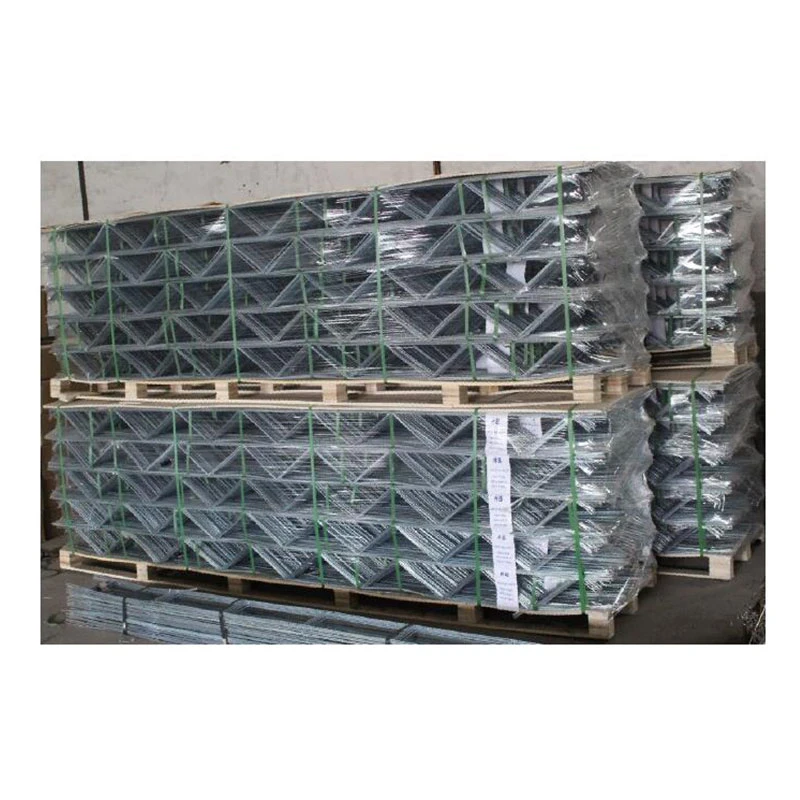
| Packaging | Coils or spools | For ease of transport and use |
Global Applications & Use Cases of Galvanized Iron Wire
The applications span a remarkable spectrum worldwide:
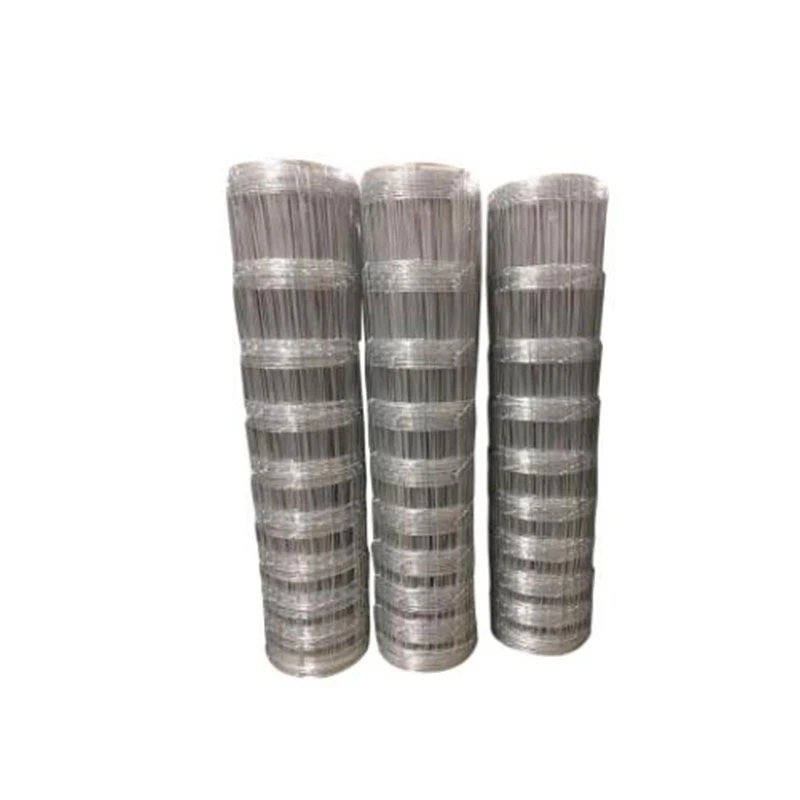
- Agriculture: Fencing to protect crops and livestock, especially in rain-prone or coastal regions.
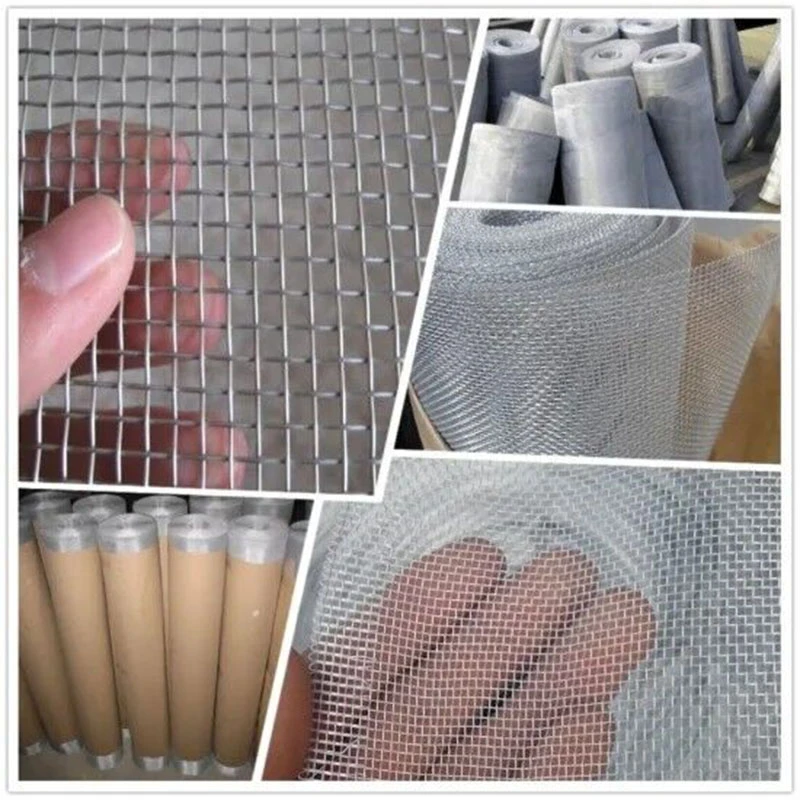
- Construction: Reinforcing wire mesh for concrete and safety barriers.
- Utilities & Telecoms: Securing cable lines and outdoor electrical components.
- Disaster Relief & Humanitarian Work: Rapid shelter structures often use galvanized wire mesh to stabilize walls and roofing under duress.
- Mining & Industrial Zones: Protective wirings for machinery and perimeter security where conditions are corrosive.
For example, NGOs in Southeast Asia often source galvanized wire from established galvanized iron wire factory suppliers to fabricate temporary fencing in typhoon-prone areas, which really helps reduce damage over time.
Vendor Comparison: Insights to Make an Informed Choice
| Vendor | Production Capacity (tons/year) | Zinc Coating Options | Certifications | Special Services |
|---|---|---|---|---|
| YJD Wiremesh Co., Ltd. | 15,000 | Standard, Heavy Duty | ISO 9001, CE | Customized packaging, export support |
| SteelCore Industries | 10,000 | Light to Medium Coating | ISO 14001 | Just-in-time delivery |
| GlobalGalv Wire Ltd. | 20,000 | Full Spectrum from Light to Ultra Heavy | ISO 9001, OHSAS 18001 | Product testing lab on-site |
Advantages & Long-Term Value of Galvanized Iron Wire
One can’t emphasize enough how galvanized iron wire’s resilience saves not only money in replacements but also reduces downtime in farms, factories, and infrastructure projects. It’s the wire that literally holds things together for years, often decades. From an emotional viewpoint, it provides a sense of safety — knowing a fence or mesh won’t fail unexpectedly in bad weather.
Additionally, sustainability comes into play. Galvanized wire’s extended life reduces scrap metal waste and, consequently, the carbon footprint of frequent manufacturing cycles. It feels like a classic example where engineering meets social responsibility – a quiet hero of sorts that keeps both communities and ecosystems stable.
Future Trends to Watch in Galvanized Iron Wire Factory Production
The industry doesn’t stand still. For starters, “green galvanizing” processes are gaining traction, focusing on reduced chemical use and water recycling. Smart factory automation, including robotic zinc spraying and AI-driven quality control, is improving consistency while cutting costs.
Further out, research into advanced zinc-aluminum coatings promises even longer life spans, especially in severe industrial or marine environments. With the push toward circular economy models, some factories are exploring full zinc recovery systems, minimizing waste.
Challenges & Expert Solutions
Despite all the progress, industry insiders note challenges: fluctuating zinc prices affect profitability, and compliance with environmental regulations adds complexity. Some factories have started collaborating with suppliers for long-term zinc contracts and adopting cleaner technologies to address these issues.
Moreover, navigating export logistics—especially for small to medium vendors—can be cumbersome. This is why many rely on experienced distributors who understand the intricacies of global trade in galvanized products.
Frequently Asked Questions About Galvanized Iron Wire Factory
Q1: How long does galvanized iron wire typically last outdoors?
A1: Depending on coating thickness and environment, galvanized iron wire can last anywhere from 15 to 50 years. Coastal or industrial areas might shorten this, but heavier coatings help withstand corrosion better.
Q2: Can galvanized iron wire be customized for specific industries?
A2: Absolutely. Most factories offer variations in wire gauge, coating thickness, and packaging to suit industries from agriculture to construction and even specialized industrial applications.
Q3: Is it eco-friendly to use galvanized wire compared to alternatives?
A3: While the galvanization process consumes resources and chemicals, the extended lifespan and recyclability of galvanized iron wire generally offer better environmental outcomes than untreated wire or frequent replacement materials.
Q4: How can companies source galvanized wire internationally?
A4: Many reliable galvanized iron wire factory vendors provide export services, supported by certifications and compliance documents. Partnering with experienced suppliers and freight forwarders streamlines the process.
Conclusion: The Silent Backbone of Durable Infrastructure
In sum, the galvanized iron wire factory plays an unheralded but crucial role in global development and industry. By providing rust-resistant, cost-effective wire products, these factories underpin countless structures, fences, and cables worldwide that millions depend on daily. As technology and sustainability efforts advance, the future of galvanized wire production looks both promising and essential.
If you want to explore premium galvanized wire solutions or learn more about sourcing options, feel free to visit our website. There’s a world of durable connections waiting to be built—maybe starting with the right galvanized wire.
Mini takeaway: Durable, affordable, and adaptable galvanized iron wire is quietly powering the infrastructure of tomorrow—one factory at a time.
References:
1. World Steel Association, "Steel and Sustainability," 2023 report.
2. ISO Standards, "Galvanization and Wire Production," 2022.
3. World Bank, Infrastructure Investment Trends, 2021.