If you’re weighing options for a galvanized rabbit cage, here’s what I’ve been seeing across farms, backyard set-ups, and even small research facilities this year.
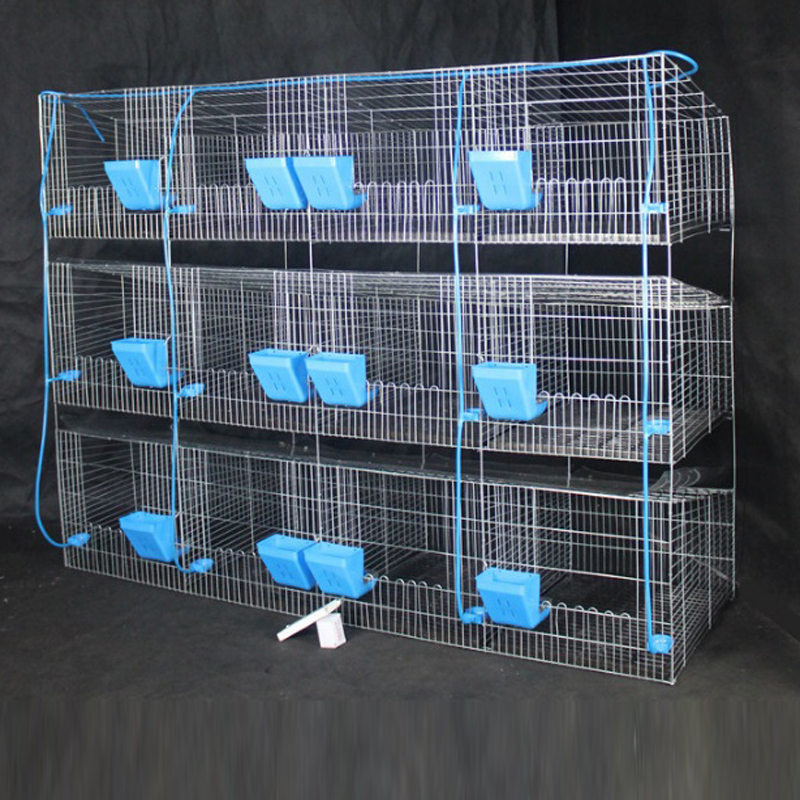
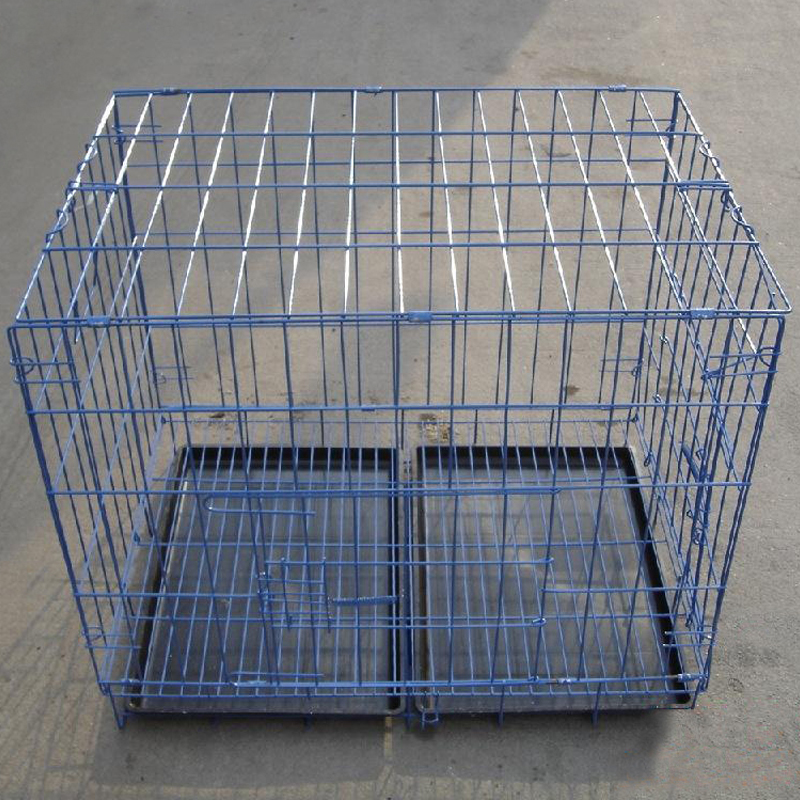
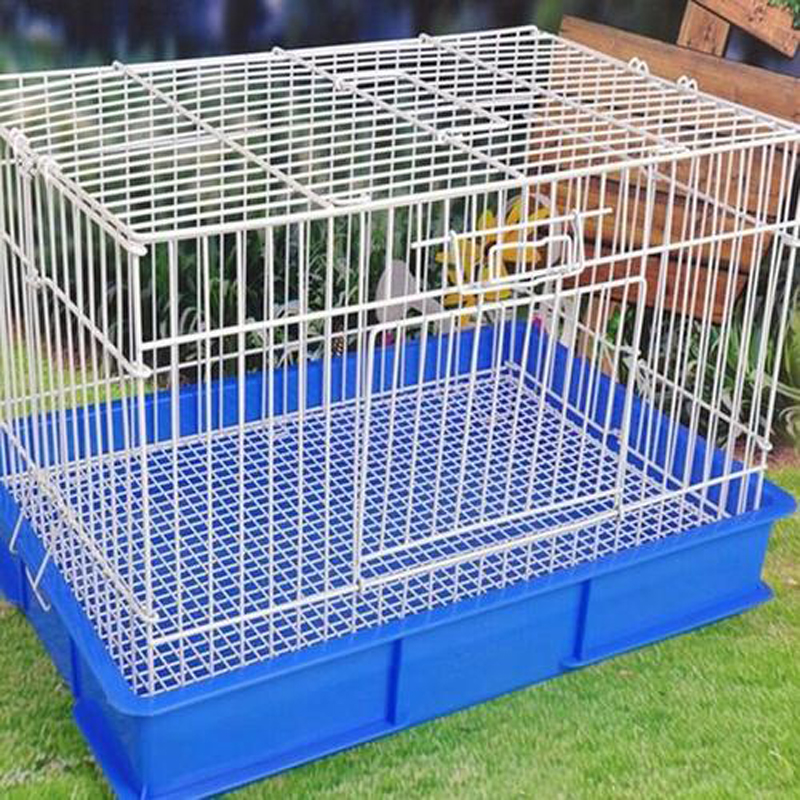
Product name: Pvc/Galvanized Rabbit Cage. Origin: Building Material Production Base Shenze, Shijiazhuang, Hebei, China. The design allows baby rabbits to stay warm with the mother—insulated contact without full separation—so growth isn’t compromised. In practice, many customers say weaning stress drops and feed conversion looks a bit better, especially in the first two weeks.
Industry trends (quick take)
Demand is shifting to zinc-rich hot-dip coatings with PVC topcoat where barns are humid. Biosecurity add-ons—droppings pans, easy-sanitize feeders, and smooth welds—are now baseline. And, to be honest, sustainability talk isn’t fluff anymore: recyclability and longer service life are factoring into purchase decisions.
Core specifications
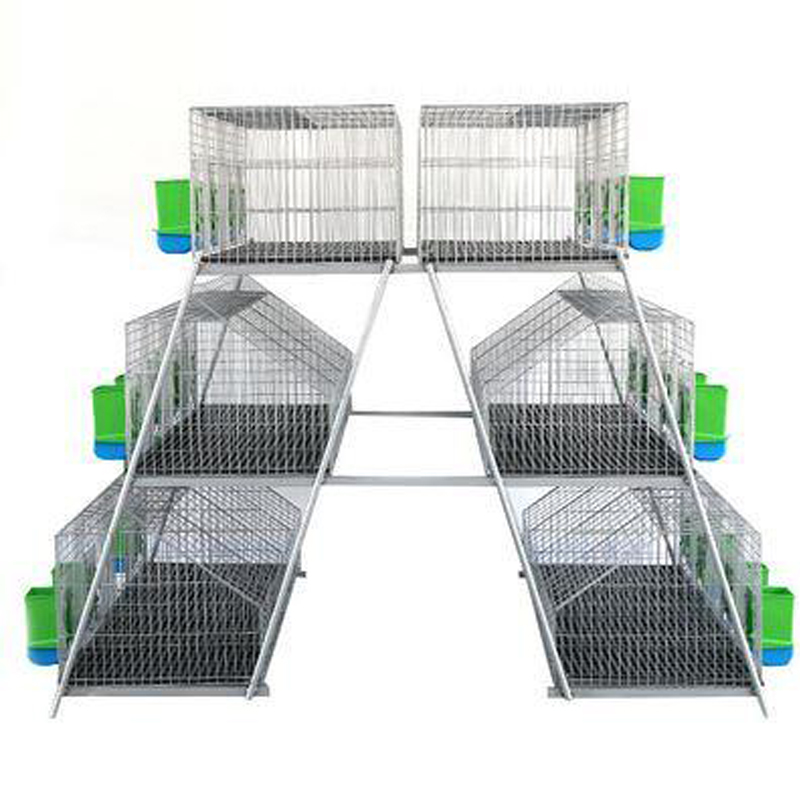
| Item | Spec (≈, real-world use may vary) |
|---|---|
| Material | Low-carbon steel wire (Q235) per ASTM A641/EN 10244-2 |
| Wire Ø | 2.0–3.0 mm |
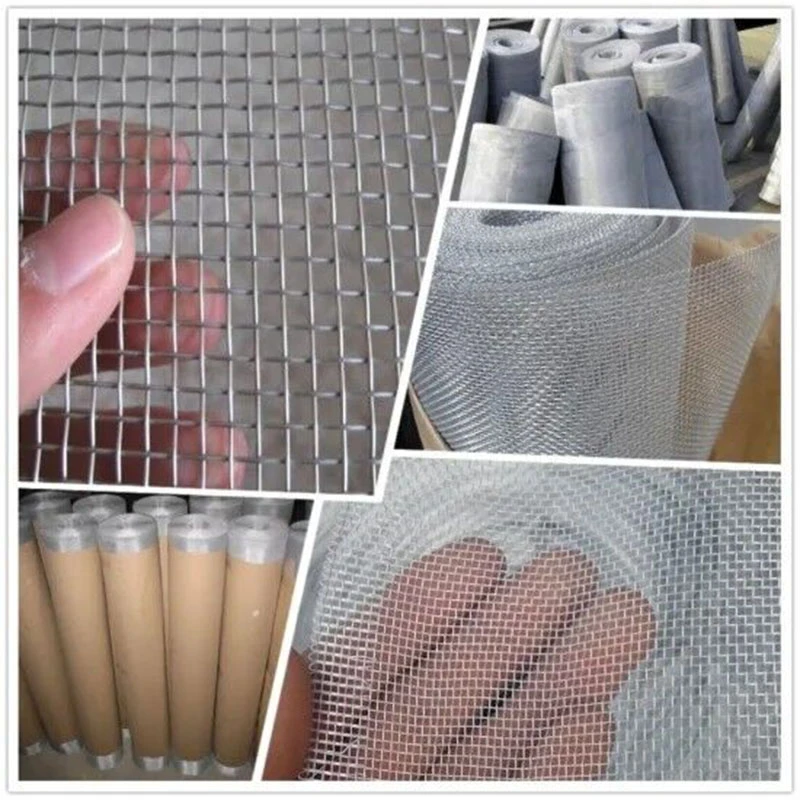
| Mesh aperture | 25×50 mm floor; 25×25 mm sides (customizable) |
| Zinc coating | Hot-dip: 180–275 g/m²; Electro: 15–30 g/m² |
| PVC overcoat | 0.4–0.8 mm, food-contact friendly |
| Single unit size | ≈1000×600×450 mm; tiers: 1–4 |
| Load capacity | Up to 25 kg per cell |
| Expected service life | Rural indoor: 8–12 yrs; Coastal outdoor: 3–5 yrs |
Process, testing, and compliance
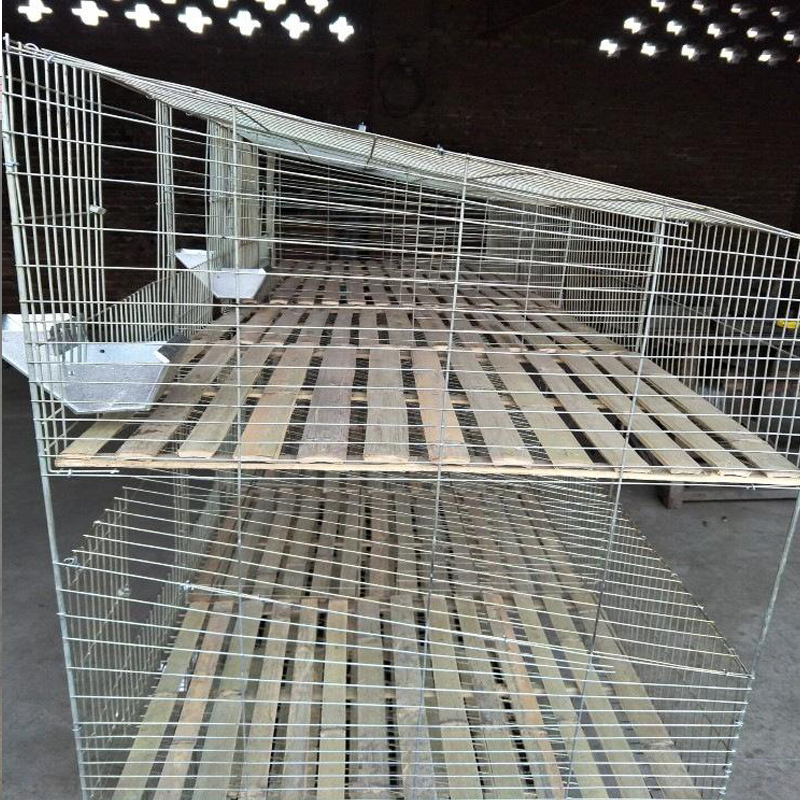
Materials are drawn wire, resistance spot-welded, then deburred. Surface prep includes pickling and fluxing; hot-dip galvanizing at ≈450°C (ISO 1461). PVC is fused for a smooth, paw-safe finish. QC: weld shear ≥800 N; load test 1.5× rated load; coating mass verified gravimetrically; adhesion per ASTM D3359; salt spray ASTM B117: 240–480 h depending on coat weight. Certifications available: ISO 9001; third-party inspection (SGS) on request.
Where it’s used
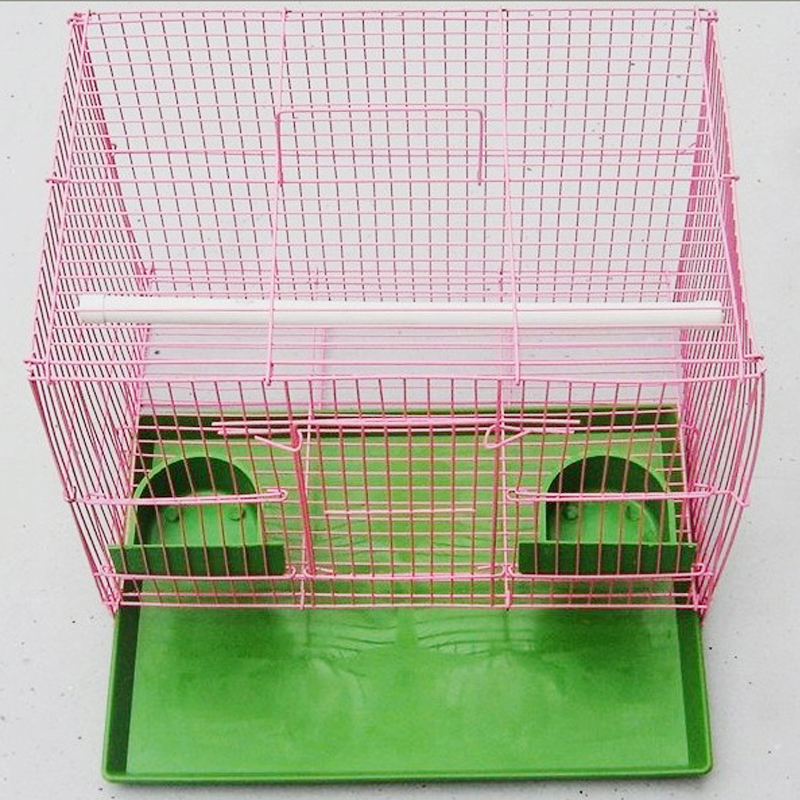
- Commercial breeding: male/female housing, maternity cells—mother and kit stay insulated but not fully separated.
- Backyard setups: easy hose-down floors; droppings pans reduce odor.
- Research/teaching: consistent mesh geometry supports repeatable welfare checks.
Galvanized rabbit cage units shine in humid barns and temperate outdoor runs; for harsh coastal air, consider the PVC-over-galvanized stack for extra corrosion headroom.
Advantages (real-world)
- Fast sanitation; fewer biofilm traps.
- Smooth welds reduce footpad lesions (customers noticed fewer calluses, anecdotally).
- Modular tiers save aisle space.
Vendor comparison (snapshot)
| Vendor | Coating | QC & Tests | Lead Time | Customization |
|---|---|---|---|---|
| YJD Wire Mesh (Hebei) | Hot-dip + PVC option | Weld shear, B117, adhesion | 15–28 days | High (mesh, size, tiers) |
| Typical Importer | Electro-galv | Basic visual | 30–45 days | Medium |
| Local Fabricator | Painted or light zinc | Varies | 7–20 days | High, but specs vary |
Galvanized rabbit cage customization: aperture tweaks for kit safety, nest boxes, sliding pans, nipple drinkers, and bolt-on feeders. Honestly, a small change in floor mesh goes a long way in comfort.
Case notes
- Shandong breeder (600 cells): switched to hot-dip+PVC; reported 30% fewer rust touch-ups after 18 months; cleaning time down ≈20%.
- EU hobbyist group: 3-tier kits with droppings pans; ammonia readings dropped from 18 ppm to 9–11 ppm on average week (simple handheld meter).
Standards that matter: ISO 1461 (hot-dip), ASTM A641 (zinc-coated wire), EN 10244-2 (coatings), ASTM B117 (salt spray), plus general animal-welfare frameworks (OIE, EU 98/58/EC). Ask vendors for test reports; don’t be shy.
- ISO 1461: Hot dip galvanized coatings on fabricated iron and steel products – https://www.iso.org/standard/39831.html
- ASTM A641/A641M: Zinc-Coated (Galvanized) Carbon Steel Wire – https://www.astm.org/a0641_a0641m-09.html
- EN 10244-2: Steel wire and wire products, zinc coatings – https://standards.iteh.ai/catalog/standards/cen/6a3f8c1f-7d90-4d5e-9b1a-7f7e9b5f1a3c/en-10244-2
- ASTM B117: Standard Practice for Operating Salt Spray – https://www.astm.org/b0117-19.html
- OIE Terrestrial Animal Health Code (Welfare) – https://www.woah.org/en/what-we-do/standards/codes-and-manuals/
- EU Council Directive 98/58/EC on protection of animals kept for farming – https://eur-lex.europa.eu/legal-content/EN/TXT/?uri=CELEX:31998L0058