A Field Note on Galvanized Wire: Specs, Trends, and Real-World Use
I’ve walked more yards than I can count—from Shenze’s Building Material Production Base in Shijiazhuang, Hebei, to coastal job sites where salt spray chews through cheap metal. When we talk “galvanized iron wire,” we’re talking low-carbon steel drawn, cleaned, and zinc-coated for durability. Honestly, when the zinc coat is uniform and bonded right, it’s a workhorse. When it’s not… well, you notice fast.
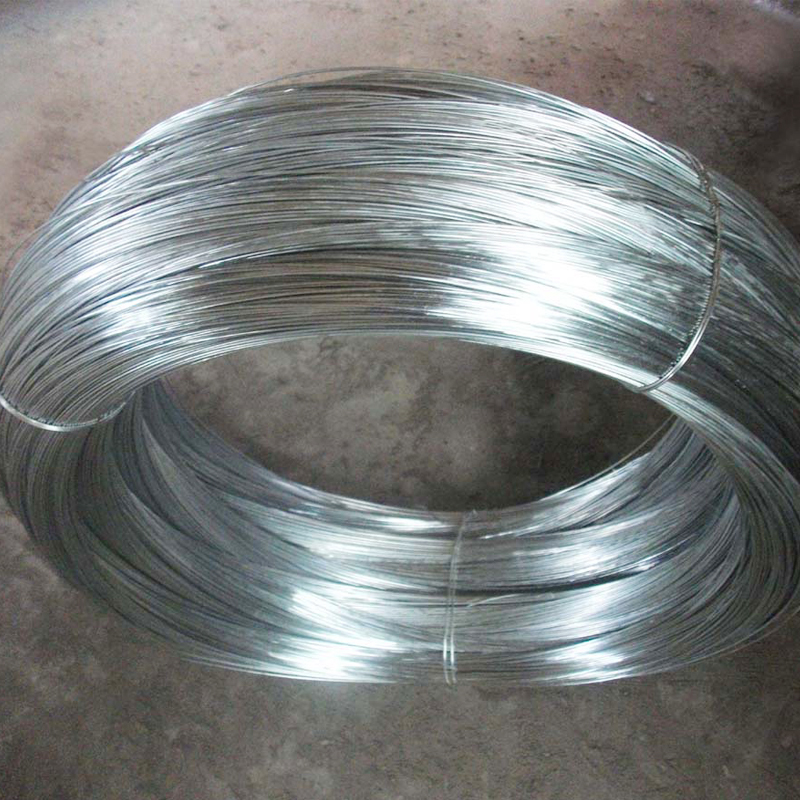
What’s moving the market
- Heavier zinc masses (Class B–D per EN conventions) for coastal farms and infrastructure.
- Hot-dip galvanizing preferred for service life; electro-galvanized still popular for clean finish and tight gauges.
- Traceability and lab data requests are up—contractors want coating mass numbers, not just “shiny.”
- Sustainability angles: consistent chemistry and less rework waste actually matter now.
Product snapshot (Galvanized iron wire)
| Parameter | Typical Range (≈) | Notes |
|---|---|---|
| Base material | Low-carbon steel (e.g., Q195/SAE1008) | Clean chemistry helps coating adhesion |
| Diameter | 0.5–5.0 mm (≈24–8 AWG) | Other gauges available |
| Tensile strength | 350–900 MPa | Soft/annealed to hard-drawn grades |
| Zinc coating mass | 40–240 g/m² (custom up to ≈275 g/m²) | HDG heavier; EG lighter, neater finish |
| Coil weight | 5–500 kg | Strapped, film-wrapped, or palletized |
| Standards | ASTM A641, EN 10244-2 | Real-world use may vary by spec |
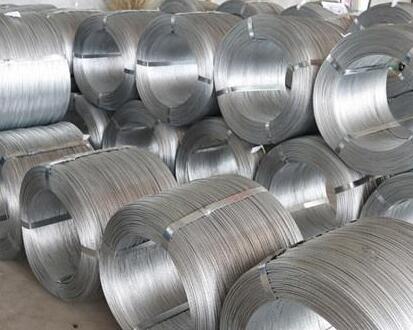
Process flow and QC (how it’s really made)
Wire rod → pickling → water rinse → flux → hot-dip galvanizing or electro-galvanizing → air/steam wipe → passivation → spooling → final drawing (as required). Tests: coating mass by gravimetric or magnetic methods (per ASTM A641/EN 10244-2), adhesion (wrap/twist), bend cycles, diameter tolerance, and salt-spray (ISO 9227) when customers ask. Typical field life: ≈8–20 years inland; coastal use benefits from heavier coats—honestly, that’s where cheap wire shows its limits.
Where users deploy Galvanized Wire
- Construction: rebar tie wire, suspended ceilings, safety mesh lacing.
- Agriculture: vineyard trellis, greenhouse bracing, baling, poultry mesh stitching.
- Fencing & gabions: tying, lacing, edging—yes, the boring but critical bits.
- Electrical & packaging: armoring elements, general strapping.
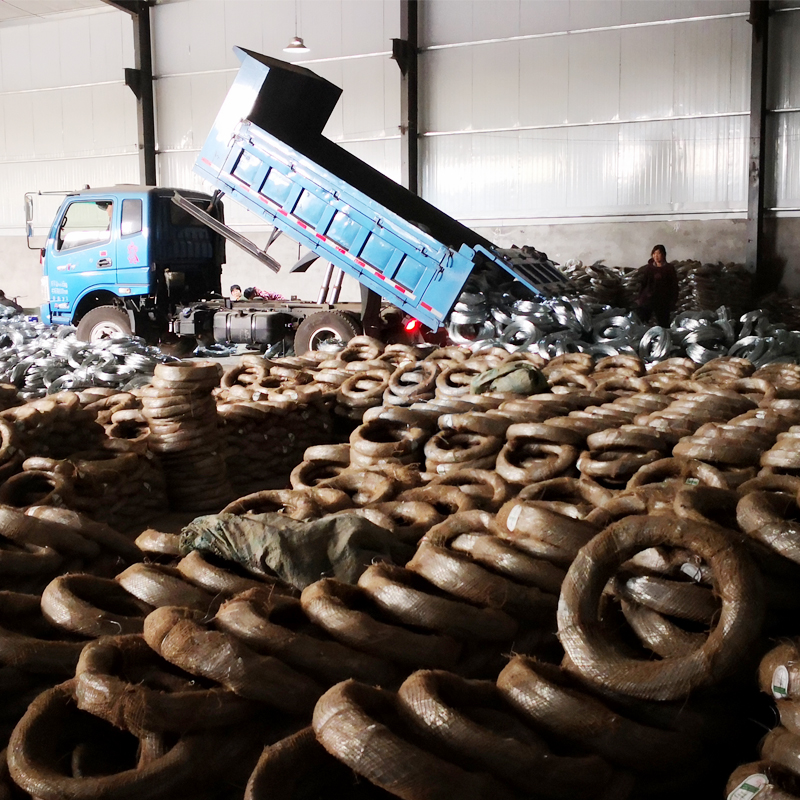
Vendor snapshot (for buyers comparing quotes)
| Vendor | Coating | Zn mass (≈) | Lead time | Certs | Note |
|---|---|---|---|---|---|
| Shenze, Hebei producer | HDG / EG | 60–240 g/m² | 7–15 days | ISO 9001; test reports | Balanced price–quality, custom coils |
| Premium EU mill | HDG | 70–275 g/m² | 2–4 weeks | CE, ISO | Higher cost; strong traceability |
| Generic import | EG (mostly) | 40–90 g/m² | 10–25 days | Basic | Check adhesion, twist tests |
Customization that actually helps
Options: diameter, tensile grade (soft to hard-drawn), zinc mass, coil weight, oiling/passivation, cut-to-length straightened wire, and packaging (PE wrap, woven bag, pallets). Many customers say heavier zinc on coastal farms paid back within a season due to fewer replacements.
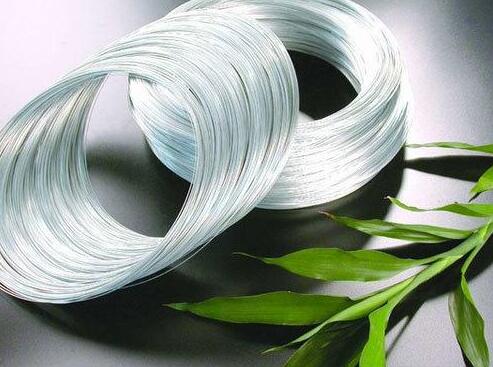
Field notes and quick data
- Greenhouse case: upgraded to Galvanized Wire ≈120 g/m²; 18 months coastal exposure, minimal red rust, tension held; fewer trellis snap-offs.
- Precast yard: switched to 1.2 mm soft wire, 30 kg coils; tie-time dropped ≈12%, fewer breaks (wrap test ≥20 cycles).
- Typical lab slice: 2.0 mm HDG, Zn mass ≈140 g/m²; ISO 9227 NSS to first red rust >120 h; adhesion pass (no flaking after 8 twists). Results vary by lot and environment.
Standards we reference in purchasing and QA—because specs beat slogans:
- ASTM A641/A641M – Zinc-Coated (Galvanized) Carbon Steel Wire.
- EN 10244-2 – Steel wire and wire products: Non-ferrous metallic coatings on steel wire.
- ISO 9227 – Corrosion tests in artificial atmospheres (salt spray).
- ISO 1461 – Hot dip galvanized coatings (useful for benchmarks on coating behavior).