What is GI Wire and Why It Matters Around the World
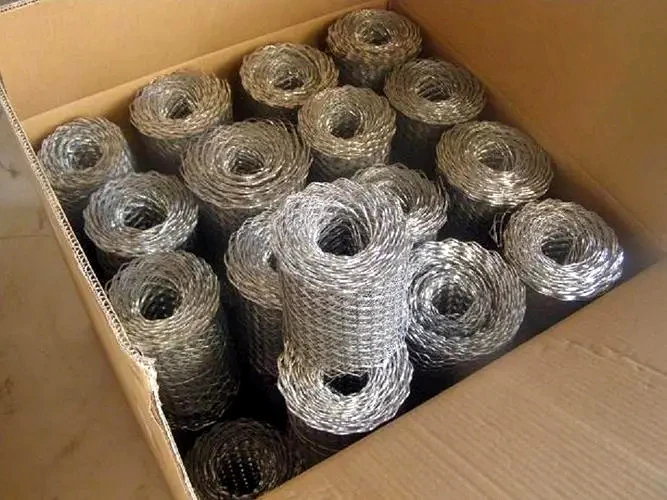
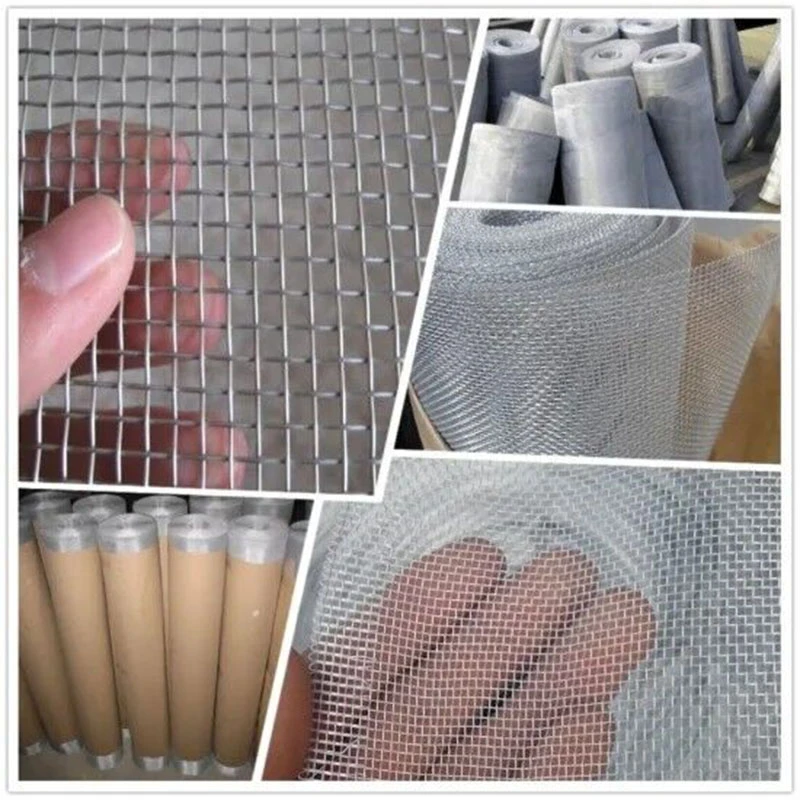
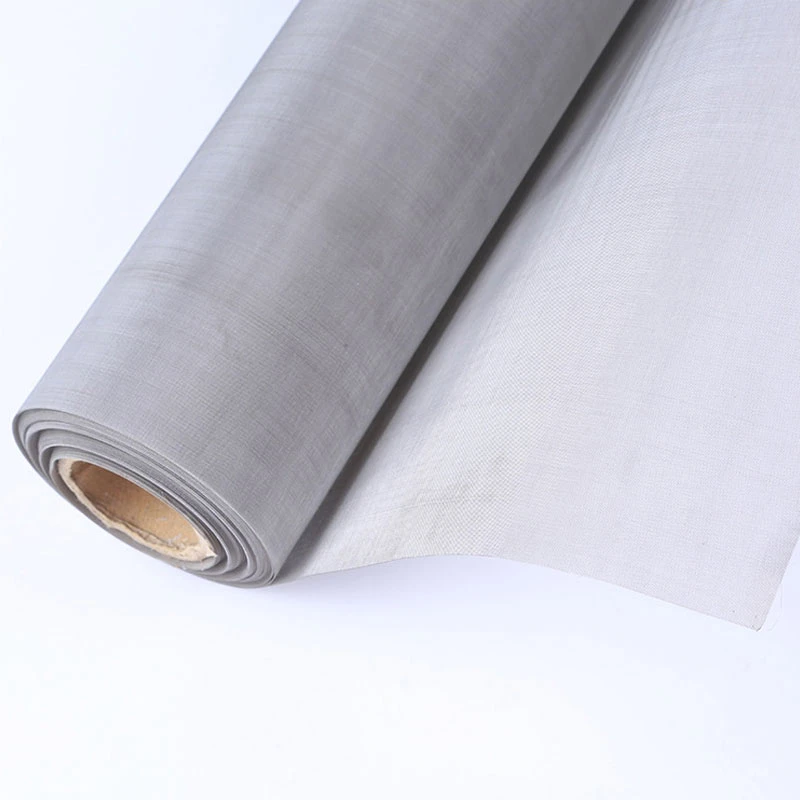
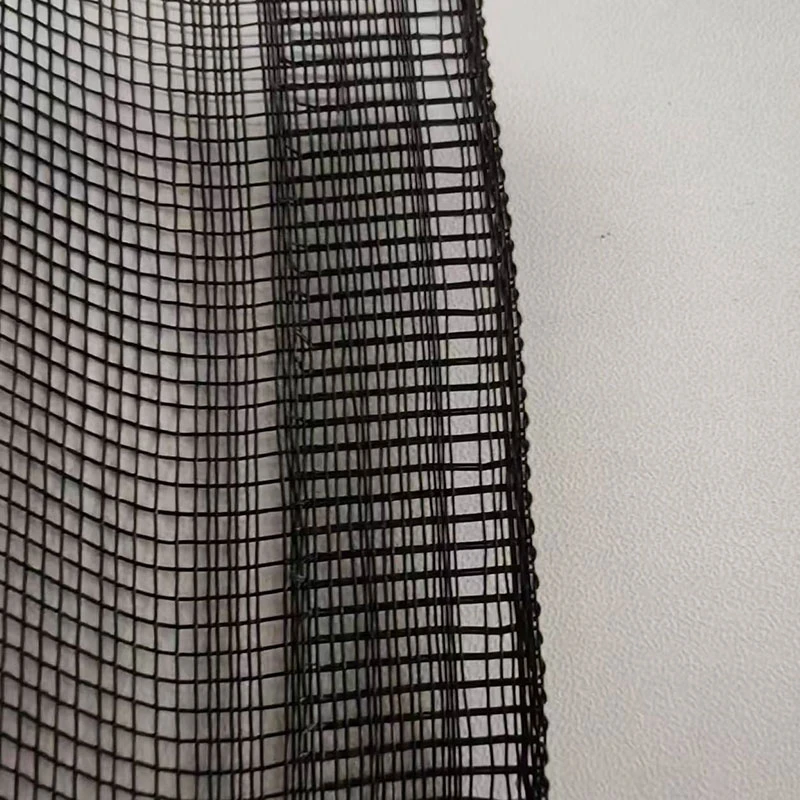
If you’ve ever strolled past construction sites or glanced at fencing around parks and industrial areas, you’ve probably noticed those shiny, silvery wires twisted together, forming durable meshes. That’s GI wire — galvanised iron wire — and it’s quietly one of the unsung heroes of modern infrastructure and everyday safety worldwide. But beyond its modest appearance, GI wire plays a critical role in everything from securing homes to enabling humanitarian aid in places where safety and durability are non-negotiable.
Understanding GI wire unlocks not just a glimpse into basic materials science but shows us the backbone of reliable fencing, agriculture supports, and industrial frameworks that sustain billions. It’s surprisingly global in impact - used from urban Europe to remote parts of Africa and Asia for countless practical applications.
GI Wire: A Global Perspective
The galvanised iron wire market continues to grow steadily, partly because infrastructure projects worldwide lean heavily on low-cost, reliable materials. According to the International Iron and Steel Institute (worldsteel), global steel production is approaching 2 billion tonnes annually, with galvanising treatments like GI wire accounting for a significant share in finished products.
In many developing countries, GI wire is vital for fencing farms, securing livestock, and even building temporary shelters in refugee camps or disaster zones. In fact, the UN High Commissioner for Refugees (UNHCR) has incorporated GI mesh fences in several emergency response kits because of its balance of strength and ease of transport.
But even in developed nations, the need remains strong — farmers depend on GI wire for crop safety, and manufacturers value it for standard industrial wire mesh.
Still, challenges arise: rust resistance, sustainability of production, and scaling up for mega projects call for improvements and innovations that the industry keeps working on.
Defining GI Wire: What It Really Is
In simple terms, galvanised iron wire (or GI wire) is low-carbon iron wire coated with a layer of zinc for protection against rust and corrosion. The "galvanised" part refers to this zinc coating, which greatly extends the wire's life, especially in outdoor or humid environments.
It’s made by drawing iron rods into thin wire and then galvanising them by dipping into molten zinc or using electroplating — either way creates a robust shield against the elements. This explains why GI wire is so common for fencing, binding materials, and mesh panels.
If you think of modern infrastructure demands, GI wire ties into decades of advancement in affordable, durable materials that support everything from basic farming to lifesaving barriers in conflict zones.
Key Aspects That Make GI Wire So Useful
1. Durability & Corrosion Resistance
The zinc coating protects the wire against rust, extending product life. Even in salty coastal air or rainy climates, GI wire can last years without major deterioration, unlike bare iron wire.
2. Flexibility and Strength
Though thin, GI wire balances tensile strength and flexibility, allowing it to be bent, twisted, or woven into complex meshes without breaking—critical for applications like fencing or reinforcements.
3. Cost Efficiency
Compared with stainless steel or other specialty wires, galvanised iron wire provides a budget-friendly solution with excellent performance — a reason it’s so popular in resource-limited settings.
4. Easy to Work With
GI wire can be cut, tied, spooled, or welded with common tools, making it accessible for construction workers, farmers, and even emergency responders who need quick deployment.
5. Scalability for Large Projects
Whether scaling to thousands of kilometers of fencing or just securing small farms, GI wire is manufactured in consistent gauges and lengths, simplifying logistics and installation.
Real-World Uses of GI Wire Across the Globe
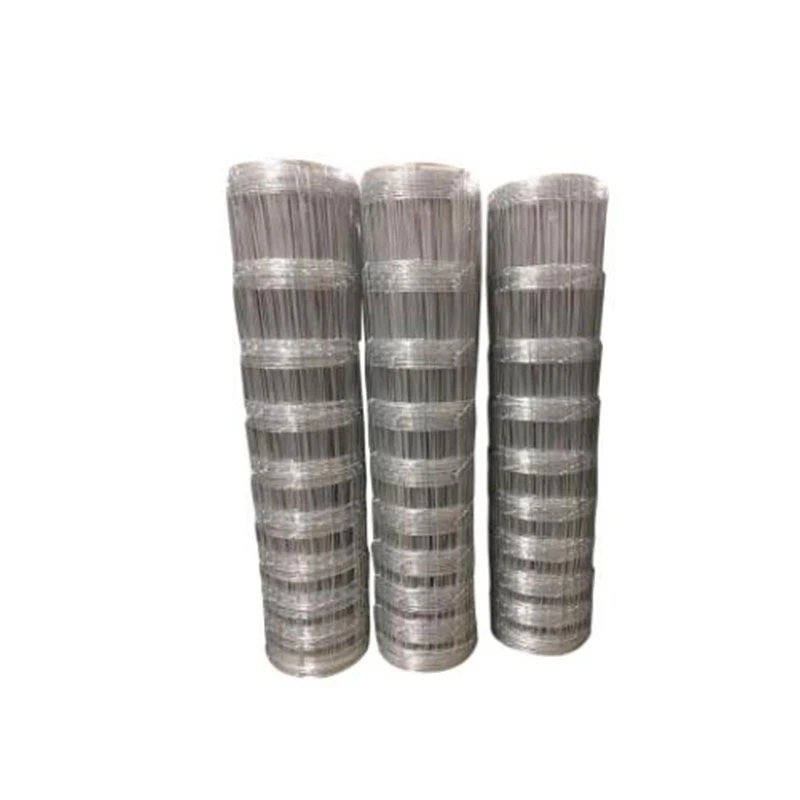
- Agriculture: Farmers use GI wire to build fences that protect livestock and crops, particularly in regions like sub-Saharan Africa and South Asia.
- Construction Industry: Binding rebar, making safety nets, and creating wire mesh for concrete reinforcement rely heavily on GI wire.
- Disaster Relief & Humanitarian Aid: Organizations like the UNHCR use GI wire mesh fencing in refugee camps for security and privacy.
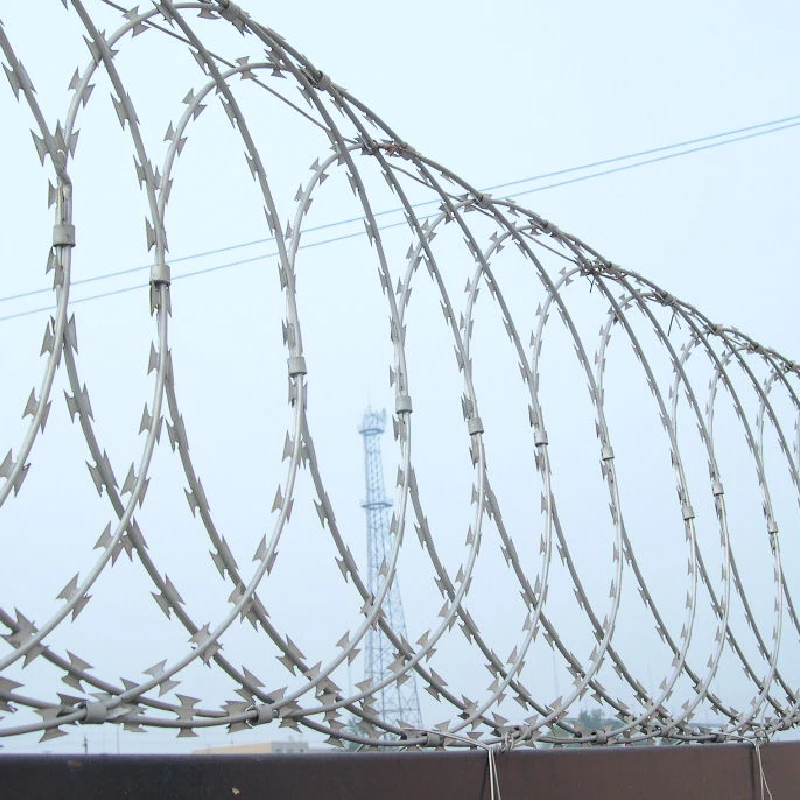
- Urban Security: Around secure installations such as airports or factories, GI wire fences create barriers that are cost-effective but strong.
- Home and Garden: DIY enthusiasts and homeowners use GI wire for trellises, cages, and minor repairs.
In places like Southeast Asia’s mountainous rural zones, GI wire fencing helps define and protect scarce land resources, while in Europe, it remains a staple for agricultural estates.
GI Wire Product Specifications
| Specification | Value | Notes |
|---|---|---|
| Material | Low Carbon Iron | Ensures ductility and strength |
| Galvanising Type | Hot-dip Zinc Coating | Standard for corrosion resistance |
| Wire Diameter | 0.5 mm - 4.0 mm | Common size range for fencing and binding |
| Zinc Coating Thickness | 40 - 275 g/m² | Depending on environment & standard |
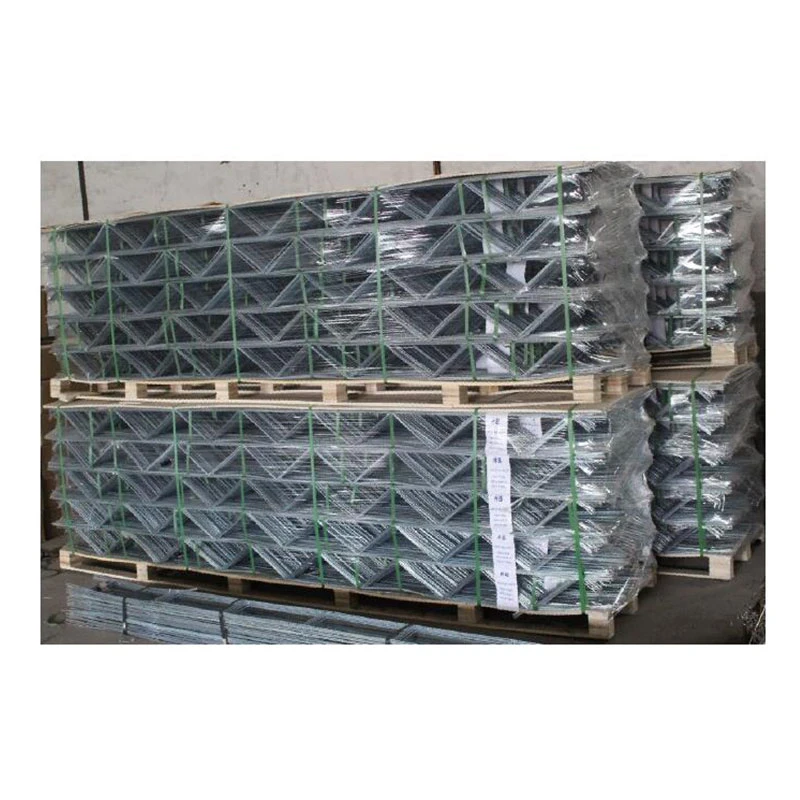
| Packing Options | Coils, Spools | Customizable weight & length |
Comparing Top Vendors: GI Wire Providers at a Glance
| Vendor | Product Range | Quality Certifications | Delivery Options | Notable Features |
|---|---|---|---|---|
| YJD Wire Mesh | GI Wire, Mesh, Fencing | ISO 9001, CE | Global Shipping, Custom Packing | Custom diameter, eco-friendly options |
| GlobalTied Wires | Standard GI Wire, Tying Wire | ISO 14001 | Bulk Orders, Regional Distribution | Focus on sustainability |
| SteelCore Metals | GI Wire, High Strength Wire | CE, ASTM Compliance | Express Shipping | Premium corrosion-resistant coatings |
Why GI Wire Holds Long-Term Value
When we talk about tangible advantages, GI wire shines on fronts like affordability, longevity, and versatility. It’s a material you can trust to hold fences, hold together fabrications, and enable security with minimal fuss for years.
Beyond the numbers, it also carries emotional weight: secure borders mean safety for families, food protection means dignity for farmers, and reliable housing solutions mean hope in crisis. Many engineers and users mention how that sense of trust in the simple yet strong GI wire is hard to replace.
What’s Next? Future Trends Influencing GI Wire
Looking ahead, the push for greener materials means manufacturers are exploring less polluting galvanising processes and recyclable coatings that reduce environmental impact.
Add to that the increasing role of automation in wire production — robotics ensure tighter quality controls and faster output. Combined with digital tracking, it’s easier to maintain product consistency across global supply chains.
Smart agriculture practices also tie in, where GI wire fencing integrates sensors for real-time monitoring, adding a high-tech layer to basic materials.
Common Challenges and How They’re Tackled
- Rust Over Time: Although galvanized, wire can degrade. Newer alloys and thicker zinc layers improve lifespan.
- Environmental Cost: Zinc mining and galvanising have impacts. Innovations in waste recycling and greener processing help.
- Strength Limits: GI wire isn’t stainless steel. For super-heavy industrial uses, treated alternatives or coatings are used.
In practical terms, balancing cost and durability still drives much of the product design discussion.
FAQ: Practical Questions About GI Wire
- Q: How does GI wire differ from regular iron wire?
- GI wire differs mainly due to its zinc coating, which dramatically improves corrosion resistance compared to bare iron wire — making it much more durable outdoors.
- Q: Can GI wire be used in coastal environments?
- Yes, but it’s important to choose higher zinc coating thickness and possibly additional protective layers in salty air zones to prevent faster corrosion.
- Q: What gauges of GI wire are best for fencing?
- Generally, diameters between 1.5 mm and 3.5 mm offer a strong yet flexible option depending on whether you’re fencing for livestock or security purposes.
- Q: How do I know if my supplier is reliable?
- Look for certifications like ISO 9001 and CE marks, and check if the vendor provides quality test reports and consistent product specifications.
Wrapping Up: Why GI Wire Remains Essential
From humble beginnings as simple iron wire coated in zinc, GI wire has morphed into a global staple supporting agriculture, industry, and humanitarian needs alike. Its unique balance of durability, affordability, and flexibility makes it an irreplaceable material for millions worldwide. If you want to explore premium GI wire options tailored to your industry or project, I highly recommend visiting gi wire vendors like YJD Wire Mesh.
Because honestly, sometimes it’s these quietly reliable materials building our safest fences, strongest homes, and lasting solutions.