Understanding Galvanised Iron Wire: A Global Essential
Galvanised iron wire — it’s one of those materials you might overlook despite seeing it everywhere: fences, construction projects, agriculture, and even art installations. At first glance, it’s just metal wire coated in zinc, but the global impact of this humble invention is profound. From preventing rust to strengthening structures, mastering its use means better durability, lower costs, and crucially, a hand in sustainable infrastructure worldwide.
Why does galvanised iron wire matter so much? Well, industries spanning from manufacturing to disaster relief rely on it. The world’s push towards sustainable building materials often features galvanised wires because of their long lifespan and recyclability. Understanding it isn’t just about technical specs — it’s about knowing a backbone material that supports entire economies and communities.
The Global Context of Galvanised Iron Wire
Globally, steel production and wire manufacturing form an integral part of industrial growth. According to the International Organization for Standardization (ISO), the galvanisation process extends the life of iron wire by up to 10 times compared to untreated wire — a statistic that has enormous implications for infrastructure costs and maintenance worldwide.
In developing regions, like parts of Africa and Asia, galvanised iron wire is used extensively in fencing for livestock and property protection — a vital economic factor. In more industrialized nations, its role spans heavy construction, agriculture, and even electronics packaging.
However, challenges like corrosion in extreme climates or rising raw material costs push industries to innovate. The use of galvanised iron wire directly confronts problems such as premature rust and material failure, answering the demand for cost-effective, long-lasting solutions globally.
What Exactly Is Galvanised Iron Wire?
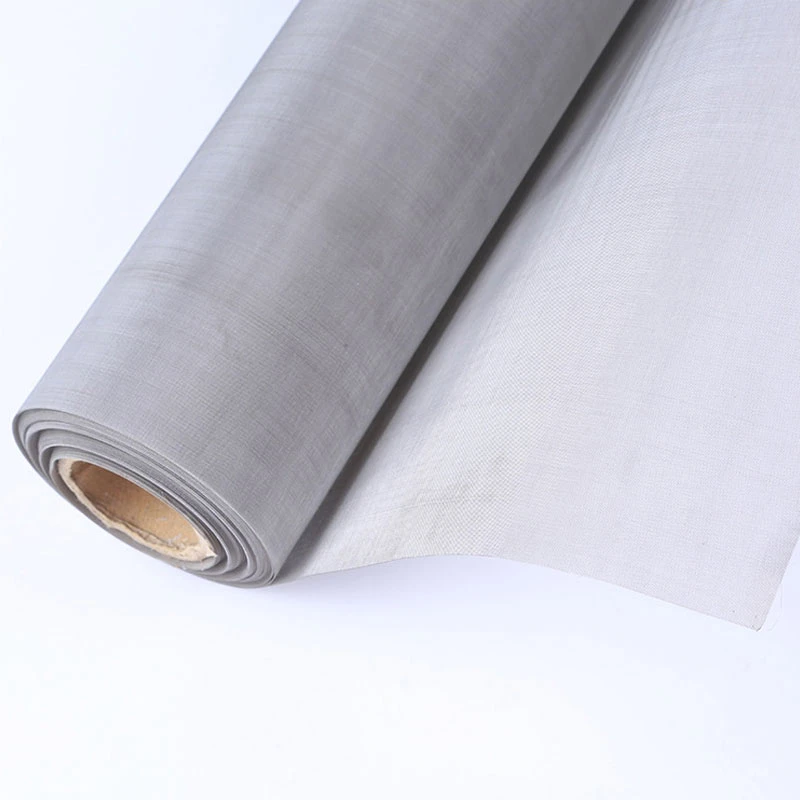
To put it simply, galvanised iron wire is iron wire coated with zinc through a galvanisation process — usually hot-dip galvanizing or electro-galvanizing. This zinc layer acts as a shield, stopping oxygen and moisture from reaching the iron beneath and guarding it against rust and corrosion.
It’s not just industrial jargon; this wire is essential to modern industry and humanitarian efforts alike. For example, in refugee camps, galvanised fencing safely delineates spaces and livestock pens, often under harsh weather conditions. Its resilience means less frequent replacements — a true lifesaver for scarce resources.
Key Attributes of Galvanised Iron Wire
Durability: Built to Last
Thanks to the zinc coating, galvanised iron wire withstands moisture, salt spray, and other corrosive elements. This means fewer replacements and repairs — translating to significant savings and less waste over time.
Cost Efficiency: Saving Dollars and Sense
While slightly more expensive upfront than plain iron wire, the lifespan and minimal maintenance balance costs well. Over years, this affordability plays out strongly, especially in large-scale fencing or construction projects.
Scalability: Flexible for Diverse Uses
From thin gauge wires used in electronics to thick cables for heavy-duty fencing, galvanised iron wire adapts to various thicknesses and strengths, making it suitable across industries.
Sustainability: Eco-Friendly Advantages
Galvanisation is a clean process when done responsibly. Plus, both iron and zinc are recyclable materials, reducing environmental footprints compared to other coated metals.
Uniform Quality & Standards Compliance
Most manufacturers adhere to ISO standards (like ISO 1461 for galvanised coatings), meaning buyers get consistent quality — essential for projects that hinge on safety and performance.
Applications: Where Galvanised Iron Wire Makes a Difference
In real terms, you'll find galvanised iron wire across a surprising range of environments:
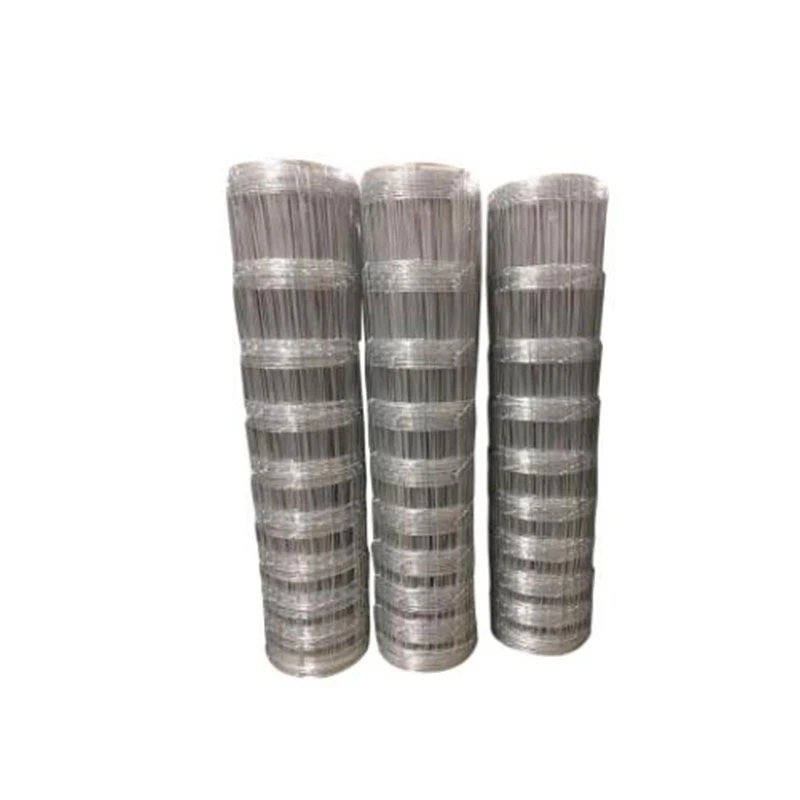
- Agriculture: Fencing livestock in Australia’s outback or South Africa’s savannas.
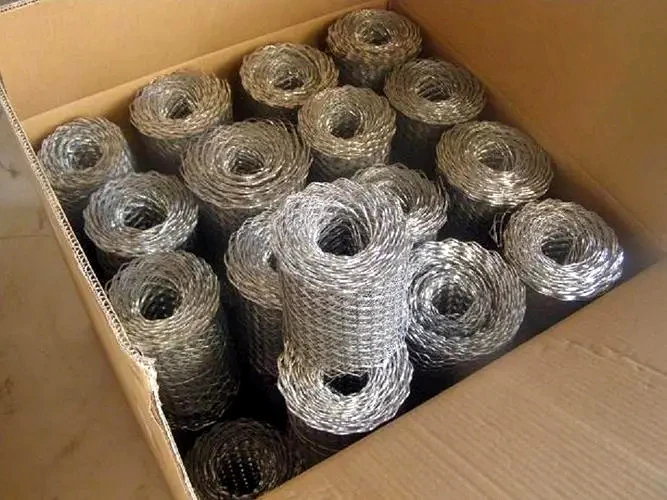
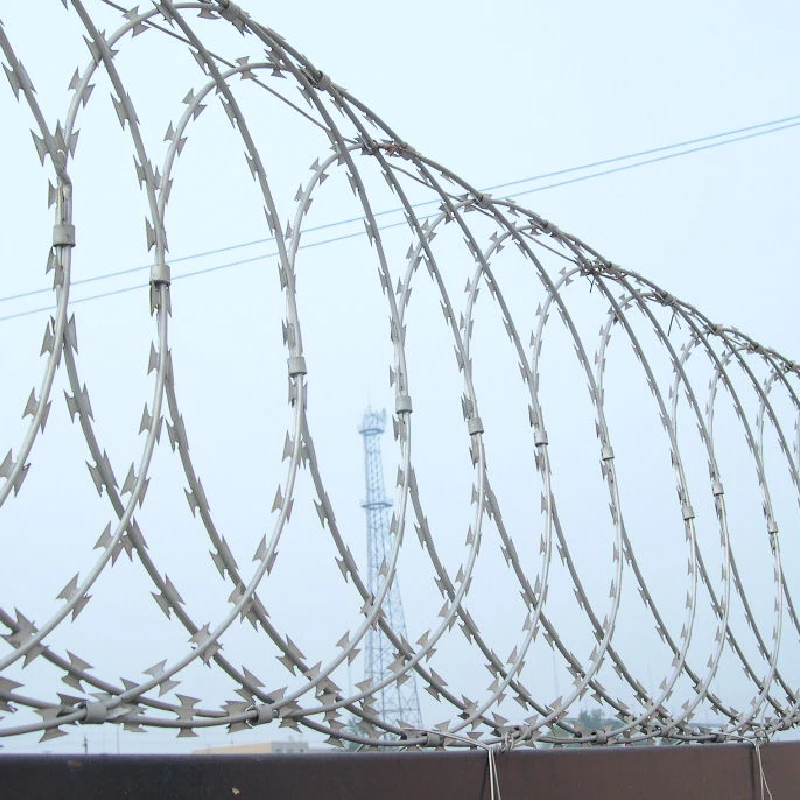
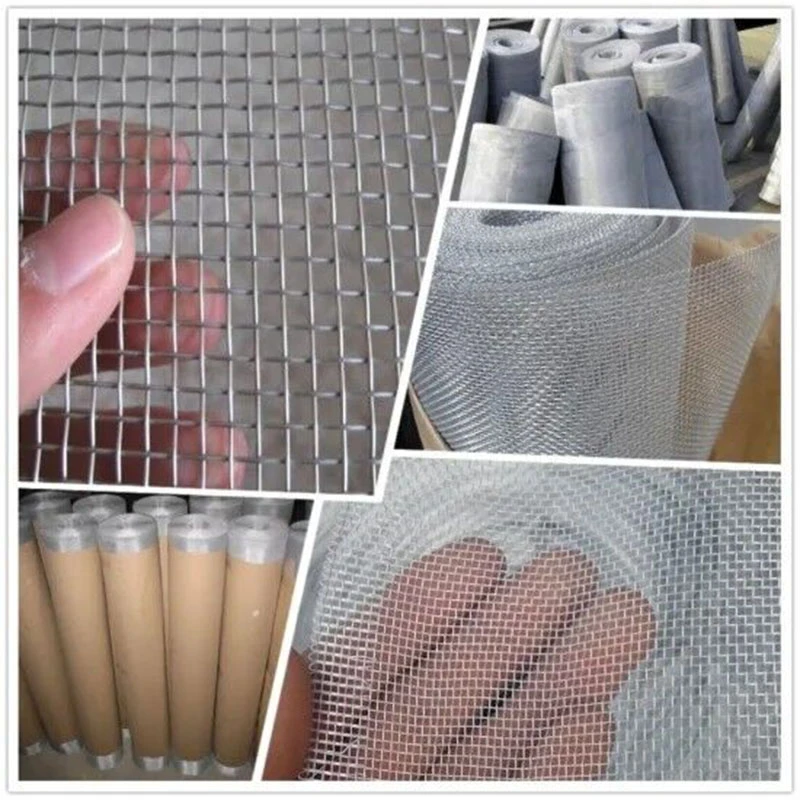
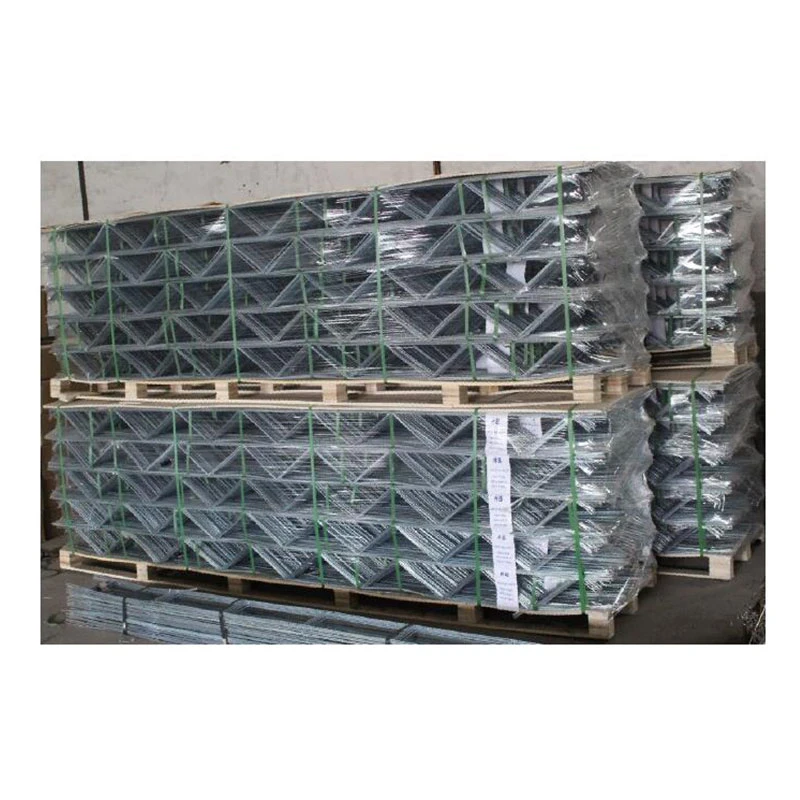
- Construction: Reinforcement meshes, security fencing, and cable bindings globally.
- Transport: Guardrails, road safety barriers, and shipping container closures.
- Disaster Relief: Temporary fencing for displaced communities in post-tsunami Indonesia or earthquake-hit Nepal.
- Craft & Art: Sculptors and installation artists exploit its twistability and aesthetic finish.
Each context relies on the wire’s resilience and protective coating to maintain safety and function under varied stresses.
Specification Table: A Typical Galvanised Iron Wire Product
| Specification | Value |
|---|---|
| Material | Low Carbon Steel |
| Galvanising Process | Hot-Dip Zinc Coating |
| Coating Thickness | 45-85 microns |
| Wire Diameter | 1.2 mm – 5.0 mm |
| Tensile Strength | 350-600 MPa |
| Common Uses | Fencing, Construction Support, Crafting |
Comparing Major Providers of Galvanised Iron Wire
Choosing the right supplier often means balancing price, quality, and service — here’s how key players measure up.
| Vendor | Price per Kg (USD) | Quality Certification | Lead Time | Eco Friendly Practices |
|---|---|---|---|---|
| YJD Wire Mesh | $1.20 | ISO 9001, ISO 1461 | 7-10 days | Yes (zinc recycling) |
| Global Steel Co. | $1.15 | ISO 9001 | 10-14 days | Limited |
| Prime Metal Works | $1.35 | ISO 1461, CE Mark | 5-8 days | Partial |
Why Galvanised Iron Wire Continues to Win
Its advantages ripple well beyond the obvious anti-rust benefits. For one, galvanised wire delivers reliable safety and trust to communities depending on physical barriers for protection — a psychological comfort that’s hard to quantify but absolutely real. It’s also a champion of sustainability, as many manufacturers now adopt greener zinc recovery processes.
Moreover, from a business perspective, the reduced downtime and maintenance required for galvanised iron wire installations translate to tangible cost savings. Long-term projects flourish on its consistent performance.
Looking Ahead: Trends in Galvanised Iron Wire
Green technologies and digital workflows are shaping the future. Oddly enough, a renewed focus on life-cycle assessment pushes producers to refine galvanising methods for less waste and carbon emissions. And with Industry 4.0, automated quality control during production ensures even better consistency — something engineers say is a game changer.
We’re also seeing innovative composites and zinc alloys entering the scene, blending corrosion resistance with enhanced mechanical properties, potentially expanding applications even further.
Common Challenges and Expert Solutions
Despite its strengths, galvanised iron wire faces challenges, especially in environments with extreme acidity or salt exposure where zinc coatings can wear faster. Experts suggest multi-layer coatings or combining galvanisation with powder coatings as effective workarounds.
Also, sourcing consistent quality can be tricky in some markets, requiring buyers to insist on ISO-certified products and factory inspections. Partnering with reputable vendors, like galvanised iron wire providers, is crucial for success.
FAQ: Your Questions on Galvanised Iron Wire Answered
- How long does galvanised iron wire typically last outdoors?
- Under typical conditions, galvanised iron wire can last 15-25 years or more outdoors before significant corrosion occurs. However, lifespan varies with exposure to elements like salt spray or acid rain.
- Is galvanised wire better than stainless steel wire for fencing?
- Galvanised wire is generally more cost-effective and offers excellent corrosion resistance for most fencing needs. Stainless steel wire has superior corrosion resistance but comes at a significantly higher price, ideal mainly for marine or highly corrosive environments.
- Can galvanised iron wire be recycled?
- Absolutely. Both the iron core and zinc coating are recyclable. In fact, many manufacturers encourage recycling scrap wire to conserve resources and reduce environmental impact.
- What thickness of galvanised wire is best for agricultural fencing?
- Wire diameters between 2.5 mm and 3.5 mm tend to balance strength and flexibility for most livestock fencing requirements. Always consider the type of animal and terrain for best results.
Wrapping Up: Why Galvanised Iron Wire Still Matters
Galvanised iron wire embodies the intersection of engineering, economy, and sustainability. It promises long-term reliability at a reasonable cost while contributing to safer, more durable infrastructure worldwide.
Thinking about your next project? Visit YJD Wire Mesh to explore their wide array of high-quality galvanised iron wire products designed with standards and sustainability in mind.
1. ISO 1461: Hot-dip galvanized coatings — https://www.iso.org/standard/80998.html
2. World Steel Association — https://worldsteel.org
3. Wikipedia: Galvanisation — https://en.wikipedia.org/wiki/Galvanization