GI Wire at the Core of Modern Razor Wire: Field Notes, Specs, and Real-World Picks
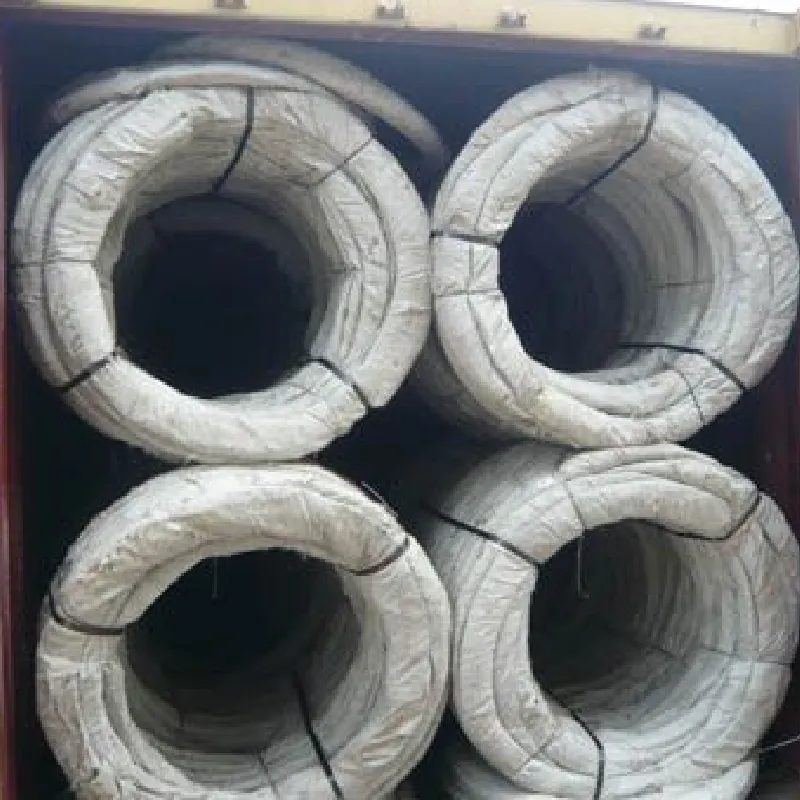
If you’ve worked a perimeter job lately, you already know: good old gi wire is still the backbone of reliable razor wire. In fact, the best concertina and flat-wrap coils I’ve seen out in ports and power sites all start with a well-galvanized core. To be honest, when clients say “razor wire,” I quietly translate that to “how good is the gi wire inside?”
Industry snapshot
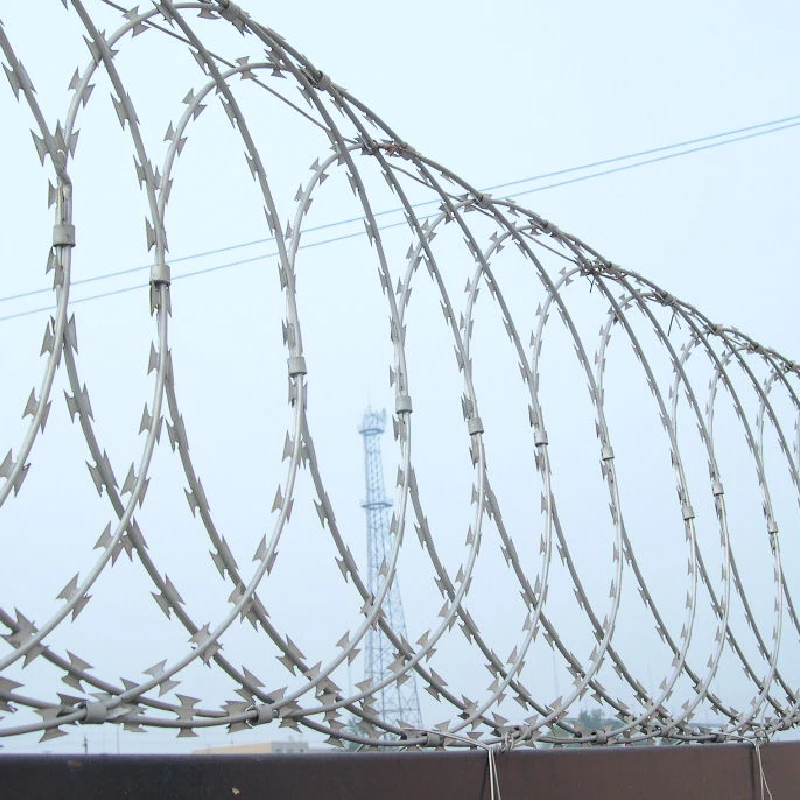
Security budgets are steady, but buyers have become picky: higher zinc classes, faster deployment, and quieter installs are trending. Surprisingly, flat-wrap panels are winning near residential buffers, while concertina (usually 450–980 mm) still dominates logistics yards. From Shenze, Shijiazhuang—Hebei’s building material base—exporters are pushing consistent zinc mass and better QC photos. That’s not marketing fluff; it shows in on-site corrosion checks.
Materials, process, and testing (the practical version)
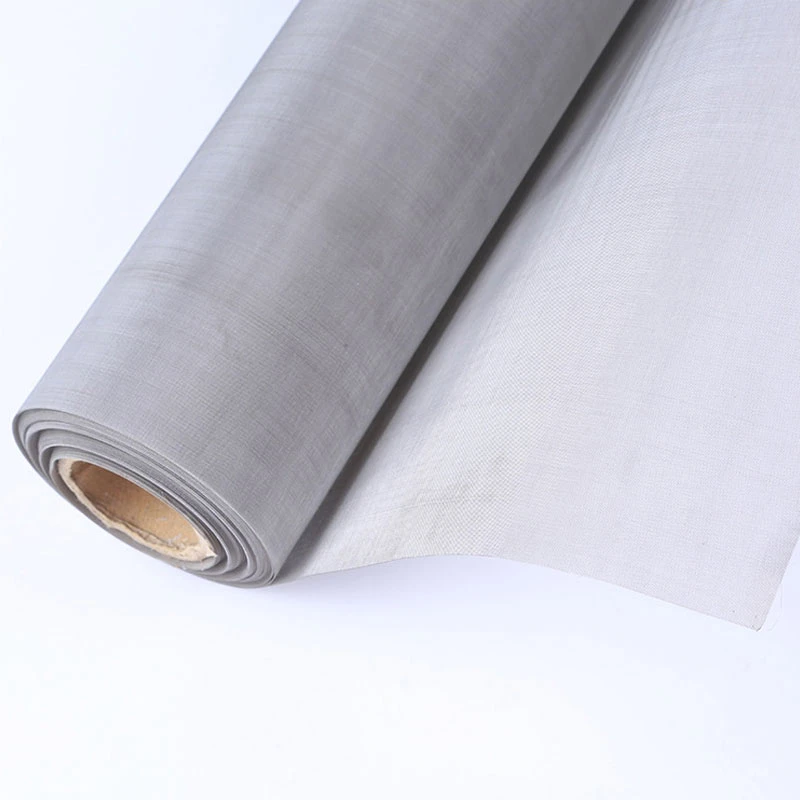
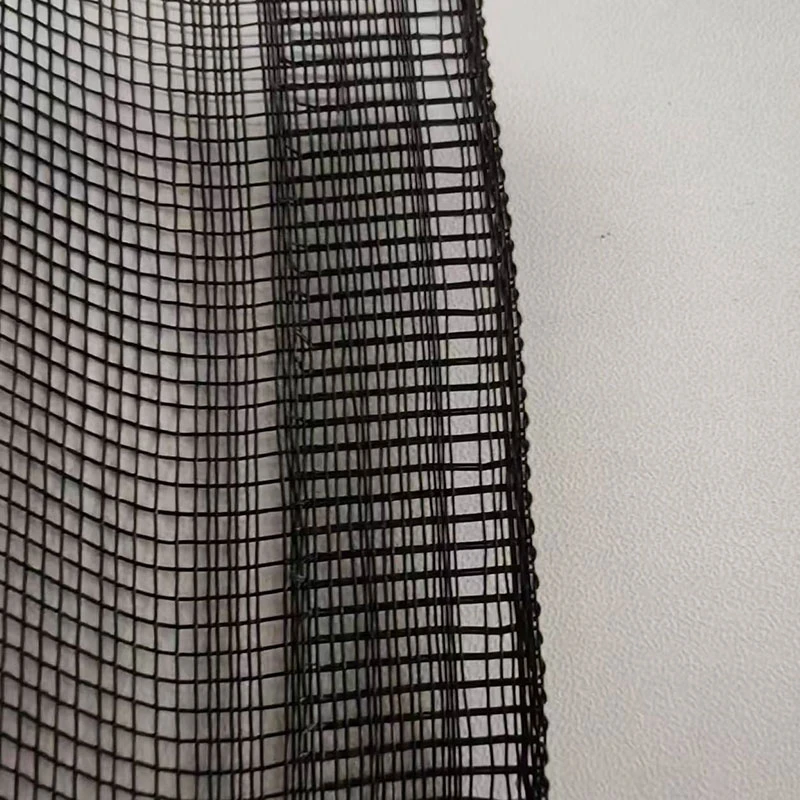
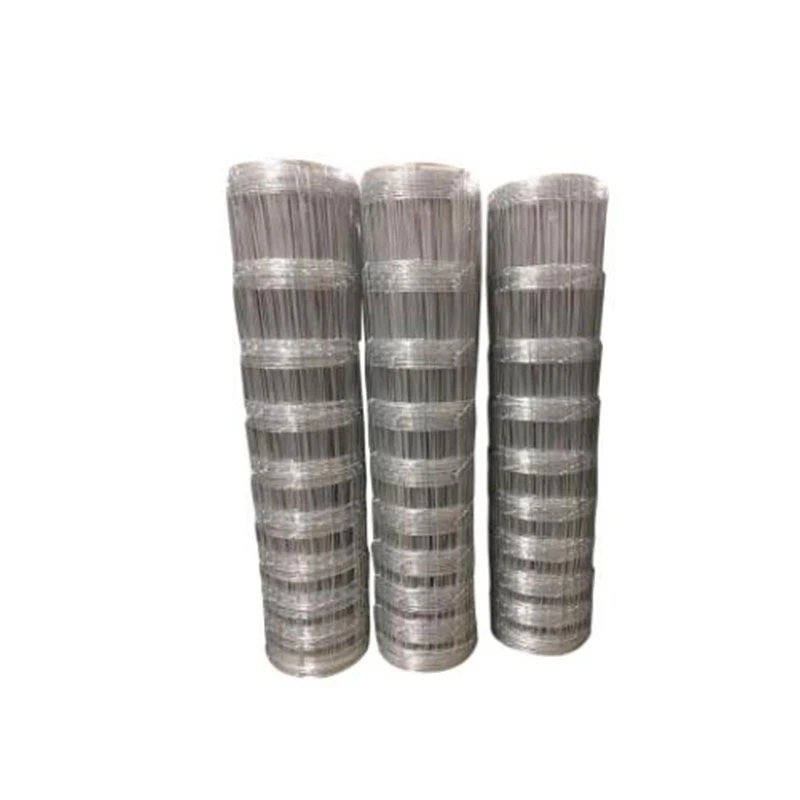
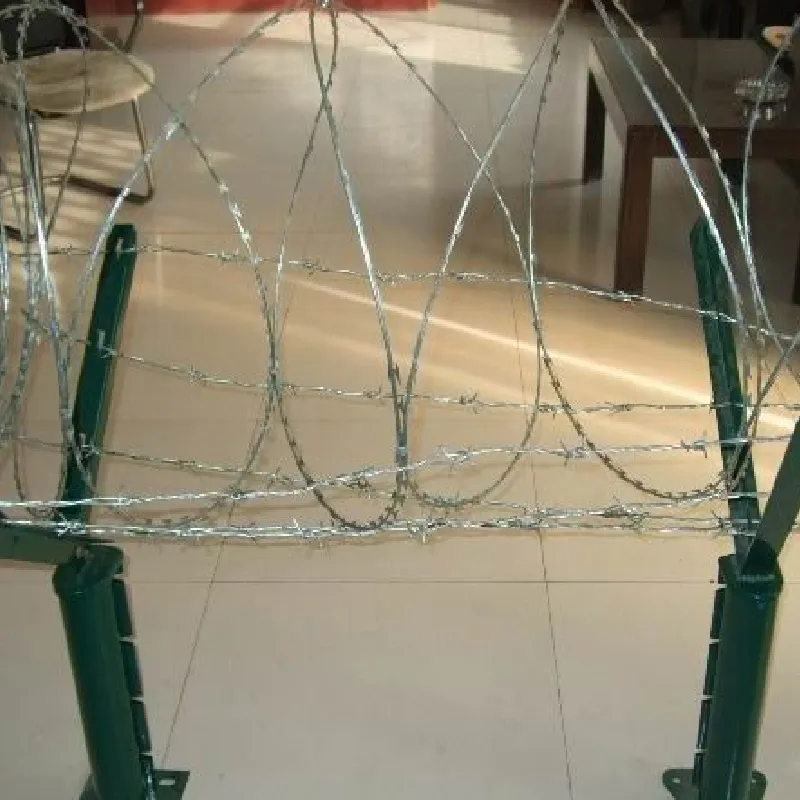
- Materials: Hot-dipped gi wire (core), electro-galvanized options for budgets, stainless for coastal, PVC-coated for visual damping.
- Method: Low-carbon steel rod → wire drawing → galvanizing (HDG per ASTM A641/A641M or EN 10244-2) → razor tape stamping (CBT/BT/CB styles) → crimping → coiling/welding → packaging.
- Testing: Zinc mass check (micrometer/gravimetric), tensile (≈700–950 MPa typical), adhesion, salt-spray (ASTM B117 / ISO 9227), blade integrity, coil expansion.
- Service life: ≈8–15 years HDG; stainless or heavy zinc + PVC can go longer in clean air; real-world use may vary with pollution/salt.
- Industries: Airports, substations, border fences, solar farms, mines, seaports, prisons, high-value warehouses.
Product specifications (Razor Wire built on gi wire)
| Type | Core Ø | Blade | Zinc | Coil Ø | Length/coil | Tensile |
|---|---|---|---|---|---|---|
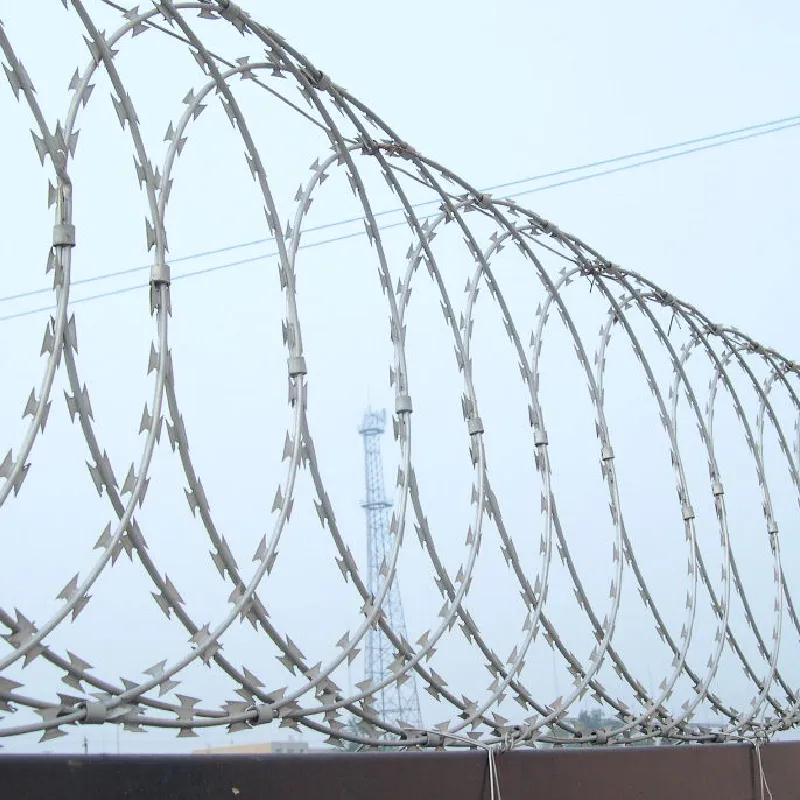
| Concertina (Cross) | 2.5–2.8 mm | CBT-65 / BT-22 | ≈≥60–240 g/m² | 450–980 mm | ≈8–15 m (expanded) | ≈700–950 MPa |
| Helical (Single) | 2.0–2.5 mm | BT-10/12 | Electro or HDG | 300–700 mm | ≈6–12 m | ≈600–850 MPa |
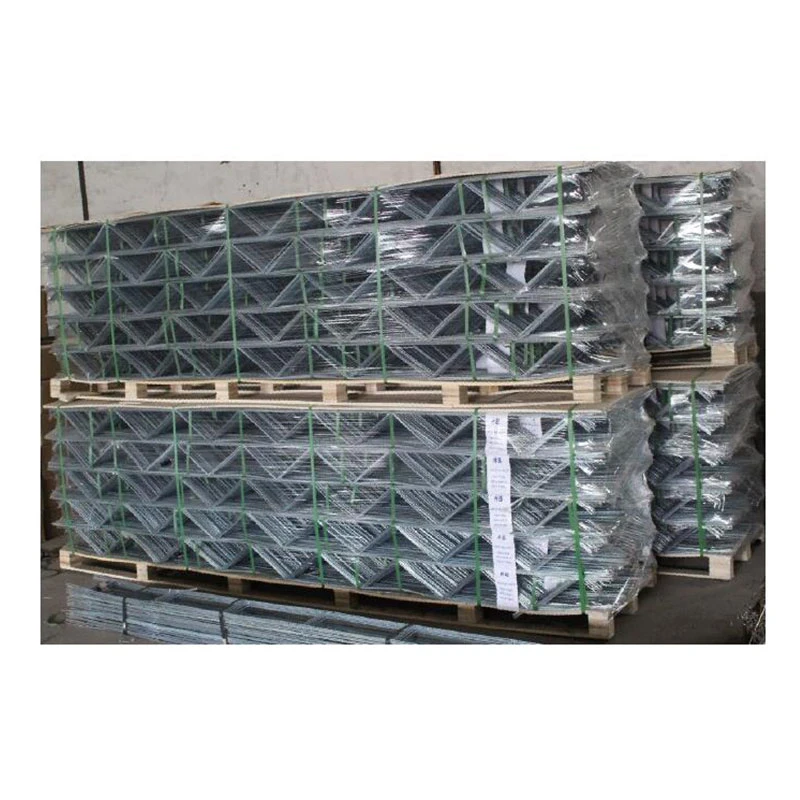
| Flat Wrap / Welded Mesh | 2.5–3.0 mm | CBT-60/65 | HDG / PVC topcoat | Panel-based | As design | ≈750–950 MPa |
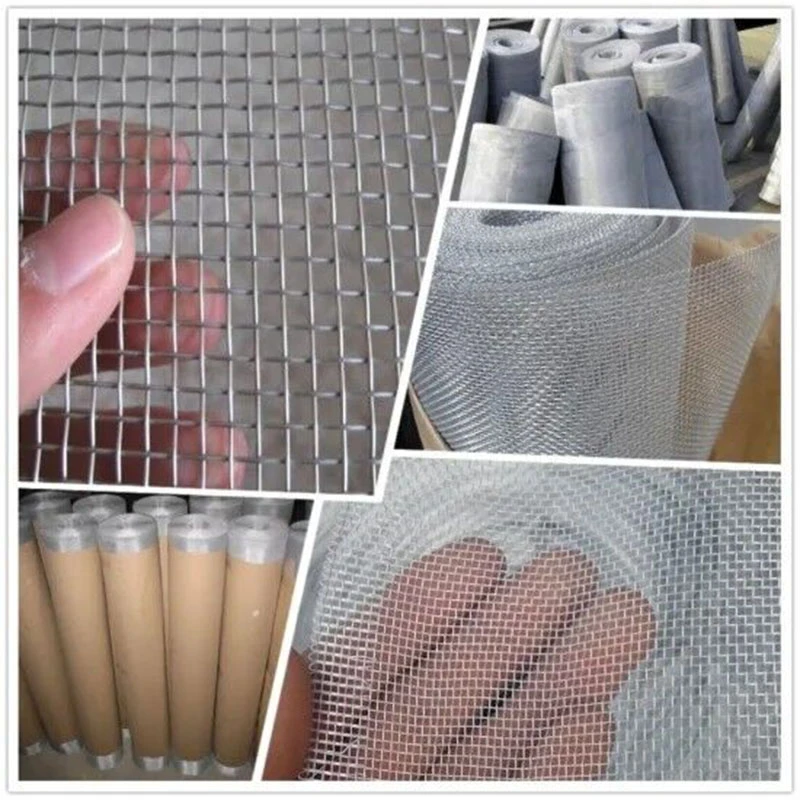
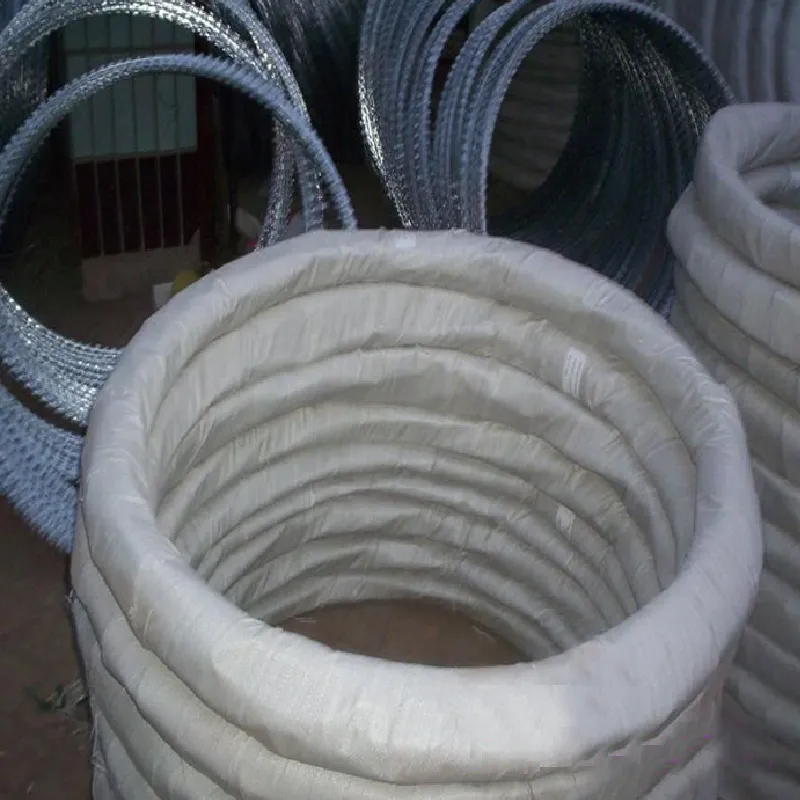
Materials available: hot-dipped gi wire, electro gi wire, stainless, PVC-coated wire.
Vendor comparison (quick, honest take)
| Vendor | Lead Time | Zinc Mass | QC & Certs | Customization |
|---|---|---|---|---|
| YJD Wire Mesh (Shenze, Hebei) | ≈7–15 days | Consistent HDG | ISO 9001; test reports on request | Blade, coil, PVC colors |
| Local Fabricator | Fast for small lots | Varies by batch | Limited paperwork | Basic options |
| Trading Company | Depends on factory | Spec on PO; verify | Claims vary | Broad sourcing |
Customization and compliance
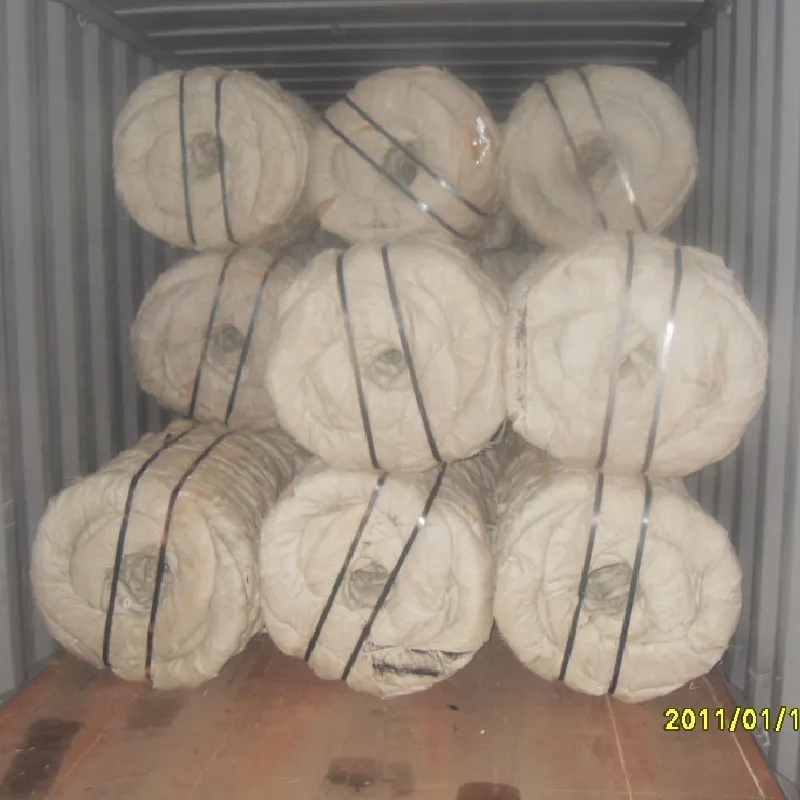
Options include coil diameters (450/600/730/980 mm), blade profiles (BT-10 to CBT-65), flat-wrap panels for urban lines, welded razor mesh, and PVC colors (green/black/gray). Standards I look for: ASTM A641/A641M or EN 10244-2 for gi wire, ISO 1461 for hot-dip galvanizing guidance, and salt-spray per ASTM B117/ISO 9227. Ask for coating mass and tensile snapshots; many customers say it’s the easiest way to filter vendors.
Case study: Port warehouse, coastal Asia
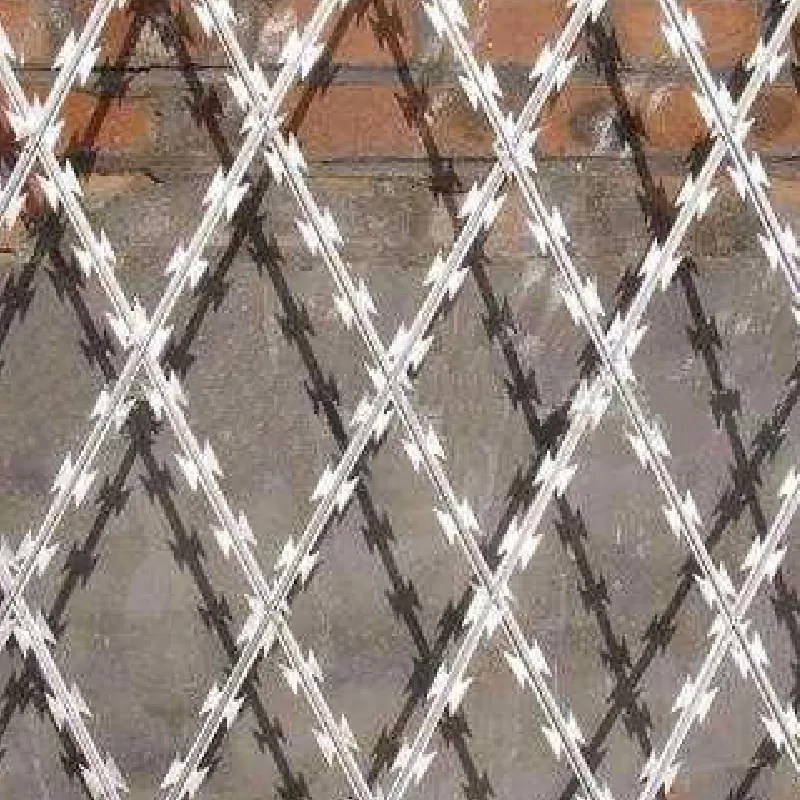
A coastal warehouse swapped aging barbed line for concertina built on heavy HDG gi wire, CBT-65 blades, 730 mm coils. Lab: 480 h salt-spray pass; field check at 18 months shows only minor dulling, no red rust. Install crew liked the pre-clipped cross ties—fewer ladder moves, fewer “snags.” Client feedback: “Looks intimidating, but clean.” Estimated service life ≈10–12 years given sea breeze and pollution.
Where it comes from
Origin: Building Material Production Base, Shenze, Shijiazhuang, Hebei, China. Supply lines here are mature; I guess that’s why pricing stays realistic without cutting corners on zinc.
Final advice
Always match coil diameter to fence geometry, verify zinc mass, and request a small pre-shipment expansion test. It seems that the best value isn’t the cheapest sticker, it’s the clean, well-galvanized core—aka the gi wire you don’t see, but definitely feel in service life.
References
- ASTM A641/A641M – Zinc-Coated (Galvanized) Carbon Steel Wire. https://www.astm.org/a0641_a0641m-19.html
- EN 10244-2 – Steel wire and wire products. Non-ferrous metallic coatings on steel wire. https://standards.iteh.ai/
- ASTM B117 – Standard Practice for Operating Salt Spray (Fog) Apparatus. https://www.astm.org/b0117-19.html
- ISO 9227 – Corrosion tests in artificial atmospheres — Salt spray tests. https://www.iso.org/standard/63543.html
- ISO 1461 – Hot dip galvanised coatings on fabricated iron and steel articles. https://www.iso.org/standard/61757.html
- ISO 9001 – Quality management systems. https://www.iso.org/iso-9001-quality-management.html