In the global industrial landscape, the demand for specialized binding materials has led to the widespread adoption of black annealed binding wire, a critical component in construction and manufacturing. This material is prized for its unique combination of flexibility and strength, allowing it to secure structural elements without the brittleness associated with standard steel wire. By undergoing a controlled heating and cooling process, it becomes an indispensable tool for engineers and technicians worldwide.
The versatility of this material extends across various sectors, from large-scale infrastructure projects to intricate agricultural equipment. Its ability to be easily bent and twisted manually makes it a preferred choice for tying rebar in concrete slabs or securing mesh in specialized enclosures. As global standards for structural integrity become more stringent, the reliance on high-quality annealing processes ensures that the wire can withstand tension without snapping.
For those seeking reliable fastening solutions, integrating black annealed binding wire into your project workflow can significantly reduce labor time and increase the overall stability of the assembly. Whether used in urban skyscrapers or rural farming setups, the consistent quality of this material provides the peace of mind necessary for long-term durability.
The Industrial Importance of Black Annealed Binding Wire
The strategic importance of black annealed binding wire lies in its ability to bridge the gap between rigidity and malleability. In the construction of reinforced concrete, for instance, this wire is the primary medium used to hold steel rebar in precise configurations before the concrete is poured. Without this critical fastening agent, the structural integrity of modern buildings would be compromised, as the internal skeleton would shift during the curing process.
Beyond construction, the material's soft temperament allows it to be used in agricultural settings without causing excessive wear on the materials it binds. Its dark, oxide-rich surface provides a basic layer of protection against immediate atmospheric corrosion, making it a cost-effective choice for temporary and semi-permanent installations where high-cost coatings are not economically viable.
Technical Definitions and Manufacturing Processes
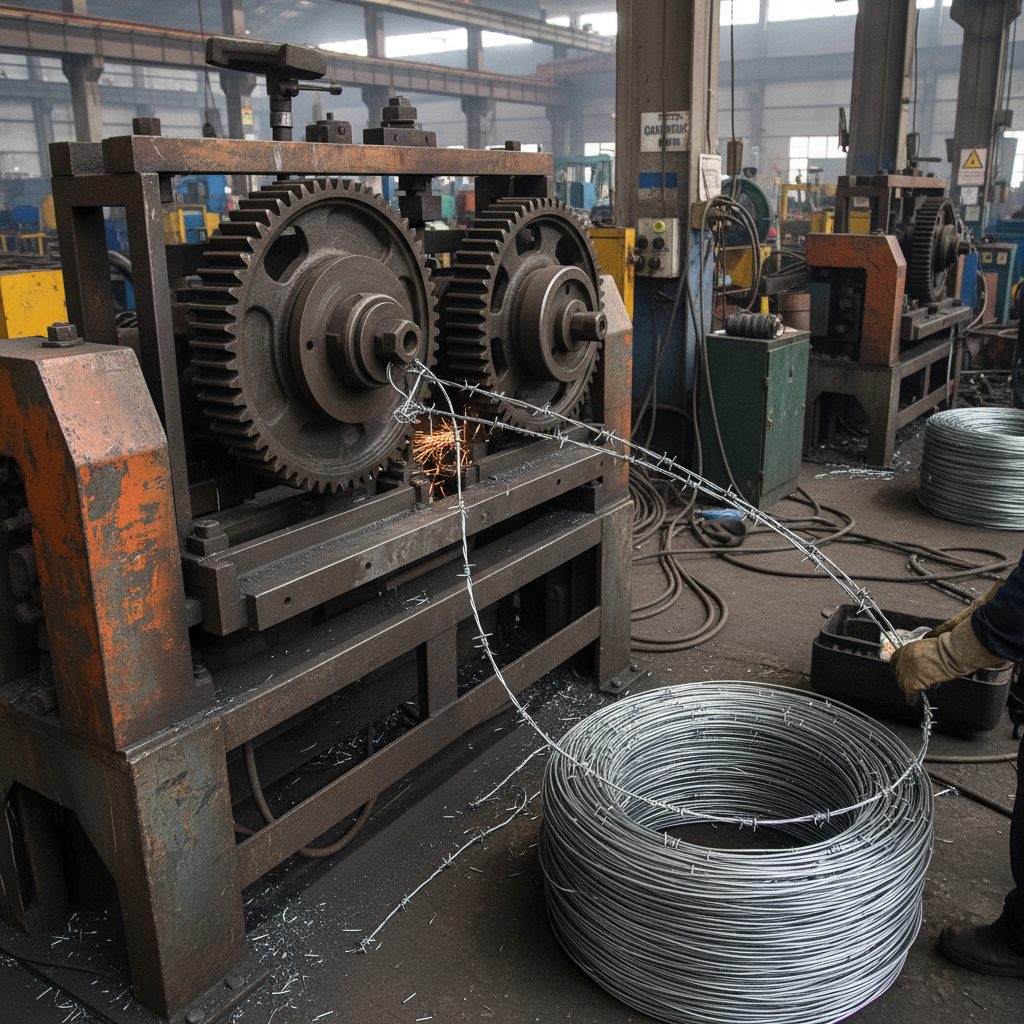
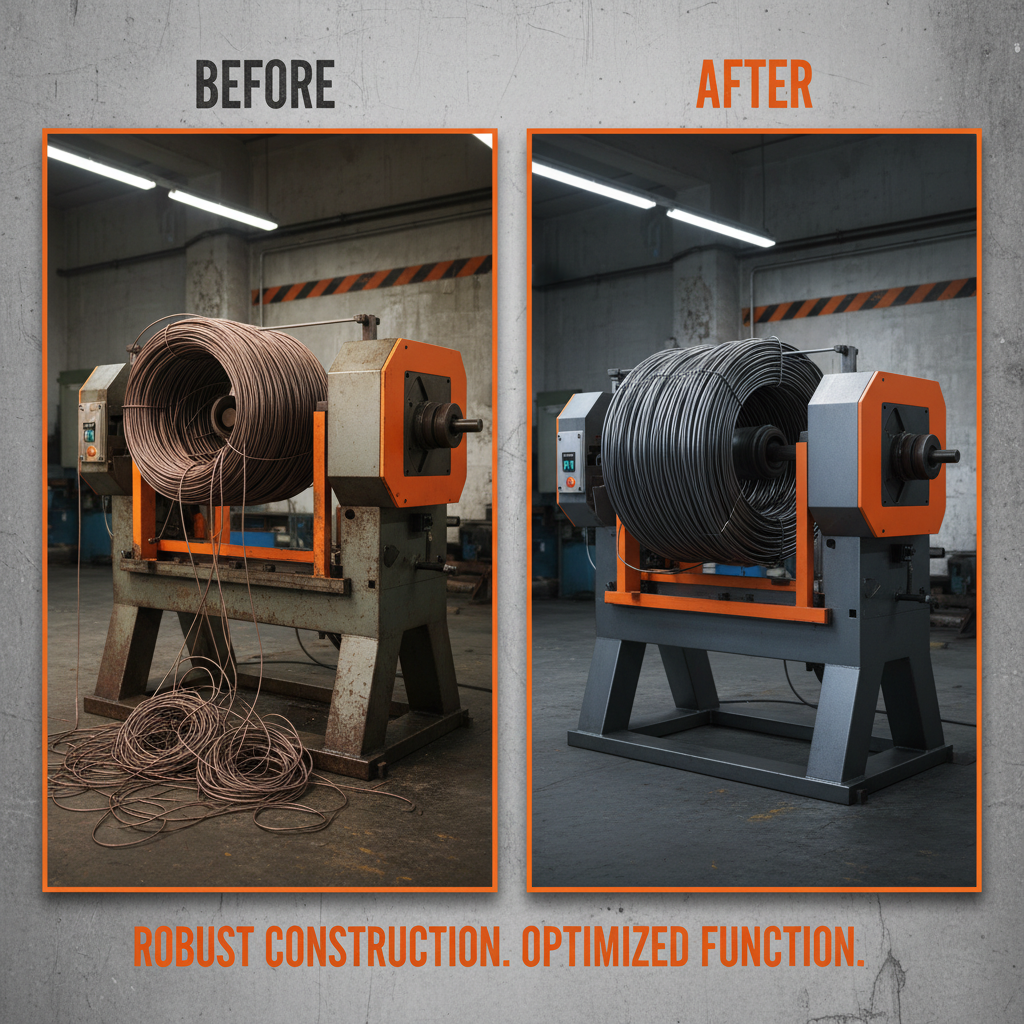
Technically, black annealed binding wire is a low-carbon steel wire that has undergone a specific heat treatment process known as annealing. This involves heating the wire to a critical temperature and then cooling it slowly, which relieves internal stresses and softens the metal. This process transforms a stiff, hard wire into a flexible material that can be twisted by hand without breaking, which is essential for rapid on-site deployment.
The "black" appearance comes from the iron oxide scale that forms on the surface during the heating process. This scale is not merely a byproduct but serves as a functional layer that reduces friction during the drawing process and provides a modest amount of resistance to rust. The quality of the annealing is measured by the wire's ductility, ensuring that it does not snap when subjected to the torsion required for tight knots.
In the broader context of metallurgy, this process aligns with ISO standards for carbon steel treatments. By precisely controlling the temperature curves, manufacturers can produce wire with consistent gauge and tension, ensuring that every coil delivered to a project site performs identically, thereby reducing waste and enhancing safety.
Core Components of High-Quality Binding Wire
When evaluating the quality of black annealed binding wire, the primary focus is on the purity of the low-carbon steel. High-quality wire contains minimal impurities, which prevents the formation of microscopic cracks during the annealing stage. This ensures that the wire maintains a uniform diameter throughout its length, which is critical for consistent binding tension.
Another essential factor is the consistency of the annealing depth. If the heating process is uneven, the black annealed binding wire may have "hard spots" that resist bending or "soft spots" that stretch too easily. A professional-grade annealing process ensures that the softening effect penetrates the entire cross-section of the wire, providing a reliable feel for the technician.
Finally, the surface finish plays a significant role in usability. A smooth, well-scaled surface allows the black annealed binding wire to glide through ties and knots without snagging. This reduces the physical strain on workers and speeds up the assembly of complex structures, such as animal cages or reinforcement grids, where thousands of ties are required.
Global Applications in Modern Construction
Across the globe, from the rapid urbanization of Southeast Asia to the infrastructure upgrades in North America, black annealed binding wire is used as the "invisible glue" of the construction site. It is most prominently used in the fastening of rebar, but its utility extends to the installation of window screenings and the fabrication of wire mesh products. Its ability to be cut and twisted quickly makes it ideal for high-pressure environments.
In specialized agricultural sectors, this wire is used to assemble various cage types, including poultry and quail cages, where a balance of strength and flexibility is needed to ensure the frames remain secure without being overly rigid. The low cost and ease of replacement make it the gold standard for farming infrastructure that requires periodic maintenance or reconfiguration.
Comparative Efficiency of Binding Materials
Long-Term Value and Sustainability
The long-term value of choosing black annealed binding wire is rooted in its economic efficiency. Because it is produced from low-carbon steel and requires less energy for shaping than harder alloys, it provides a sustainable balance between cost and performance. For large projects, the reduction in labor costs—due to the wire's ease of handling—often outweighs the cost of more expensive, corrosion-resistant alternatives.
Furthermore, steel is one of the most recycled materials on the planet. Most binding wire used in construction is eventually recovered during demolition and melted down for reuse. This circular lifecycle minimizes the environmental footprint of the construction industry and ensures that the resources used to produce high-quality binding materials are not wasted.
Future Innovations in Metal Wire Treatment
As the industry moves toward "Industry 4.0," the production of black annealed binding wire is seeing a shift toward automated temperature control and precision drawing. New sensors can now detect variations in wire diameter in real-time, ensuring that the annealing process is perfectly uniform. This reduces the occurrence of breakage and increases the reliability of the product in critical safety applications.
There is also a growing trend toward combining traditional annealing with eco-friendly surface coatings. While the black oxide layer is effective, new bio-based lubricants are being used during the drawing process to reduce the chemical runoff associated with traditional manufacturing. This makes the production of binding wire more compatible with green building certifications like LEED.
Moreover, the integration of high-strength, low-carbon alloys is allowing for thinner gauges of wire that maintain the same binding strength as thicker predecessors. This not only reduces the weight of the materials being transported to job sites but also reduces the overall consumption of steel, contributing to a more sustainable global supply chain.
Overcoming Challenges in Wire Procurement
One of the primary challenges in procuring black annealed binding wire is the variation in quality across different suppliers. "Pseudo-annealed" wire, which has been improperly heat-treated, often feels flexible at first but snaps under tension. To overcome this, procurement officers should request mill certificates and perform simple torsion tests to verify the ductility of the material before bulk purchase.
Logistical challenges, such as oxidation during sea freight, can also affect the product. High-quality suppliers address this by using moisture-proof packaging and wooden crates to prevent the coils from shifting and becoming tangled. Ensuring that the wire is stored in a dry, ventilated environment upon arrival is critical to maintaining the integrity of the oxide layer.
Finally, balancing cost with quality requires a strategic approach to sourcing. While the cheapest options may seem attractive, the loss of productivity caused by wire breakage can be far more expensive. Partnering with manufacturers who specialize in the metal products industry ensures a consistent supply of material that meets international engineering standards.
Analysis of Black Annealed Binding Wire Performance across Industry Sectors
|
Application Sector
|
Ductility Score (1-10)
|
Cost Efficiency
|
Primary Benefit
|
| Concrete Reinforcement |
9 |
Very High |
Ease of twisting |
| Agricultural Caging |
8 |
High |
Low material cost |
| Industrial Packaging |
7 |
Medium |
Fast securing |
| Window Screening |
8 |
High |
Flexibility |
| Temporary Fencing |
9 |
Very High |
Rapid deployment |
| Handicraft Mesh |
10 |
Medium |
Maximum malleability |
FAQS
The primary difference is the heat treatment. Standard steel wire is hard and brittle, making it difficult to bend or twist without snapping. Annealed wire is heated and slowly cooled to remove internal stresses, resulting in a much softer, more ductile material that is ideal for binding and tying applications.
It has a basic level of corrosion resistance due to the black oxide scale formed during annealing. However, it is not as rust-resistant as galvanized or stainless steel. It is best suited for applications where it will be encased in concrete or used in environments where temporary exposure to moisture is acceptable.
A simple torsion test is the most effective way. Take a short piece of the wire and twist it tightly between your fingers. High-quality annealed wire should twist smoothly into a tight knot without any cracking or snapping. If it breaks easily, the annealing process was likely insufficient.
Most construction projects utilize gauges ranging from 16 to 20. The choice depends on the weight of the rebar being secured; thicker rebar requires a slightly thicker gauge for strength, while smaller mesh or animal cages benefit from thinner, more flexible gauges.
No, black annealed binding wire is designed for securing and fastening, not for structural load-bearing. Its softening process reduces its tensile strength compared to hard-drawn wire. It should only be used to hold components in place until a permanent bond (like concrete) is formed.
To prevent premature oxidation and tangling, store coils in a cool, dry place off the ground. Using pallets and covering the wire with waterproof tarps is recommended for outdoor storage. Keeping the original packaging intact helps prevent the coils from overlapping and knotting.
Conclusion
In summary, black annealed binding wire remains a cornerstone of the modern manufacturing and construction industries due to its unparalleled flexibility, cost-effectiveness, and ease of use. By transforming rigid steel into a malleable fastening tool, the annealing process enables the efficient assembly of everything from massive skyscrapers to specialized agricultural cages. Its role in ensuring structural precision and operational speed makes it an irreplaceable asset in the technician's toolkit.
Looking forward, the adoption of more precise thermal controls and sustainable production methods will only enhance the reliability of this essential material. For professionals who prioritize both structural integrity and project efficiency, sourcing high-quality annealed wire is a strategic investment that pays dividends in reduced labor and increased safety. To explore our full range of high-performance wire solutions, visit our website: www.yjdwiremesh.com.