• sns-img2
  • sns-img1
  • sns-img4
  • sns-img3
0%

Table of Contents

Barbed iron wire, a seemingly simple innovation, holds a significant place in modern infrastructure and security. Its widespread application, from agricultural fencing to perimeter security, highlights its enduring relevance. Understanding the nuances of its production, application, and future trends is crucial for professionals across diverse sectors, including agriculture, construction, and security. This knowledge empowers informed decision-making and fosters innovation in related fields.

Globally, the demand for barbed iron wire remains consistently high, driven by the need for cost-effective and robust security solutions. Its role extends beyond simple containment, providing a vital layer of protection for properties, livestock, and critical infrastructure. The efficiency and relative affordability of barbed iron wire make it a cornerstone of security strategies in many parts of the world, particularly in developing nations.

The inherent strength and ease of installation of barbed iron wire contribute to its lasting appeal. It’s a testament to a practical engineering solution that continues to address fundamental needs – security, containment, and protection – across a broad spectrum of applications. The enduring utility of barbed iron wire underlines its importance in a complex and ever-changing world.
The Enduring Significance of Barbed Iron Wire in Modern Infrastructure and Security

The Global Significance of Barbed Iron Wire

The Enduring Significance of Barbed Iron Wire in Modern Infrastructure and Security

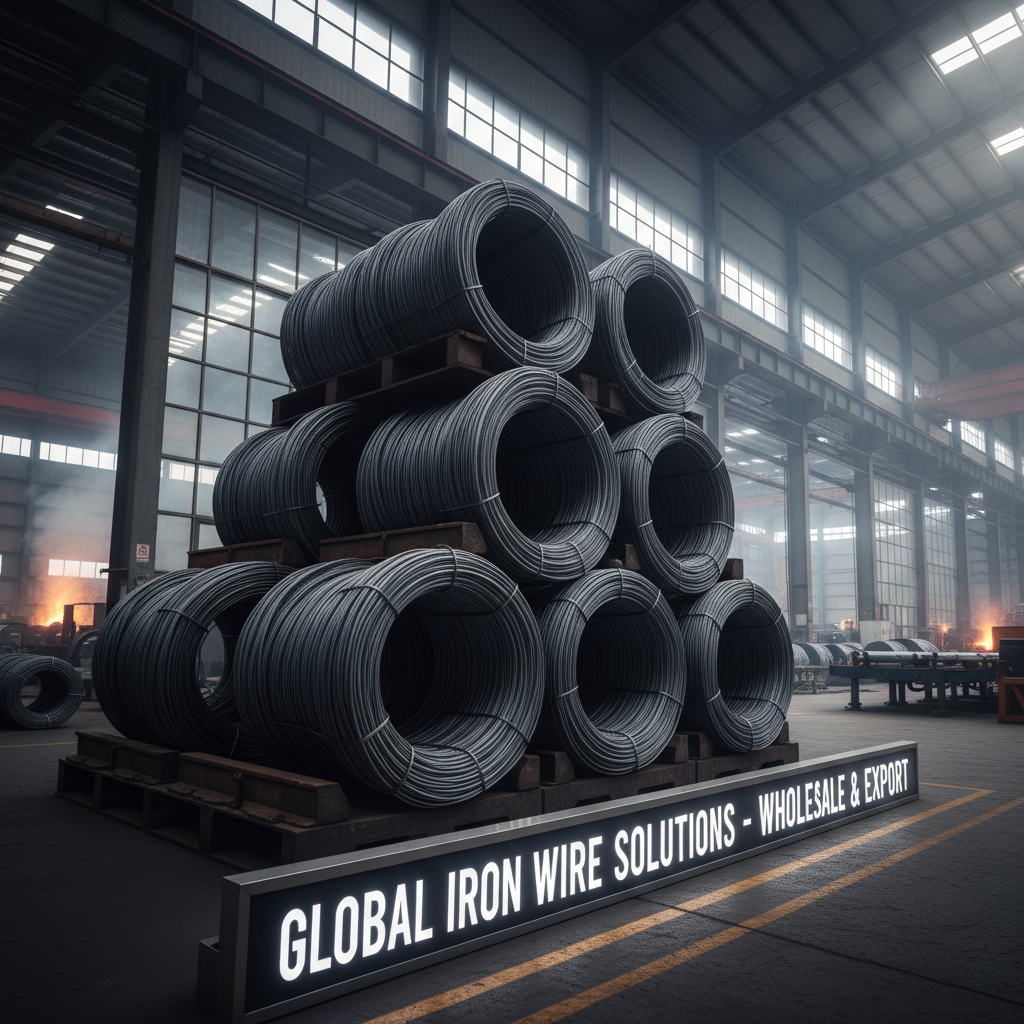
The global market for barbed iron wire is substantial, driven by factors ranging from agricultural needs to border security concerns. Reports from organizations like the UN and World Bank consistently highlight the importance of secure land boundaries and property protection, contributing to the sustained demand. Approximately 2.5 billion meters of barbed iron wire are produced annually, with key manufacturing regions including China, India, and the United States. This demonstrates the critical role barbed iron wire plays in global infrastructure.

A significant challenge addressed by barbed iron wire is the prevention of livestock theft and crop damage, particularly in rural communities. The increasing frequency of border disputes and security threats further emphasizes the importance of robust perimeter security solutions. Barbed iron wire provides a cost-effective deterrent against unauthorized access and serves as a vital component in overall security strategies.

Defining Barbed Iron Wire

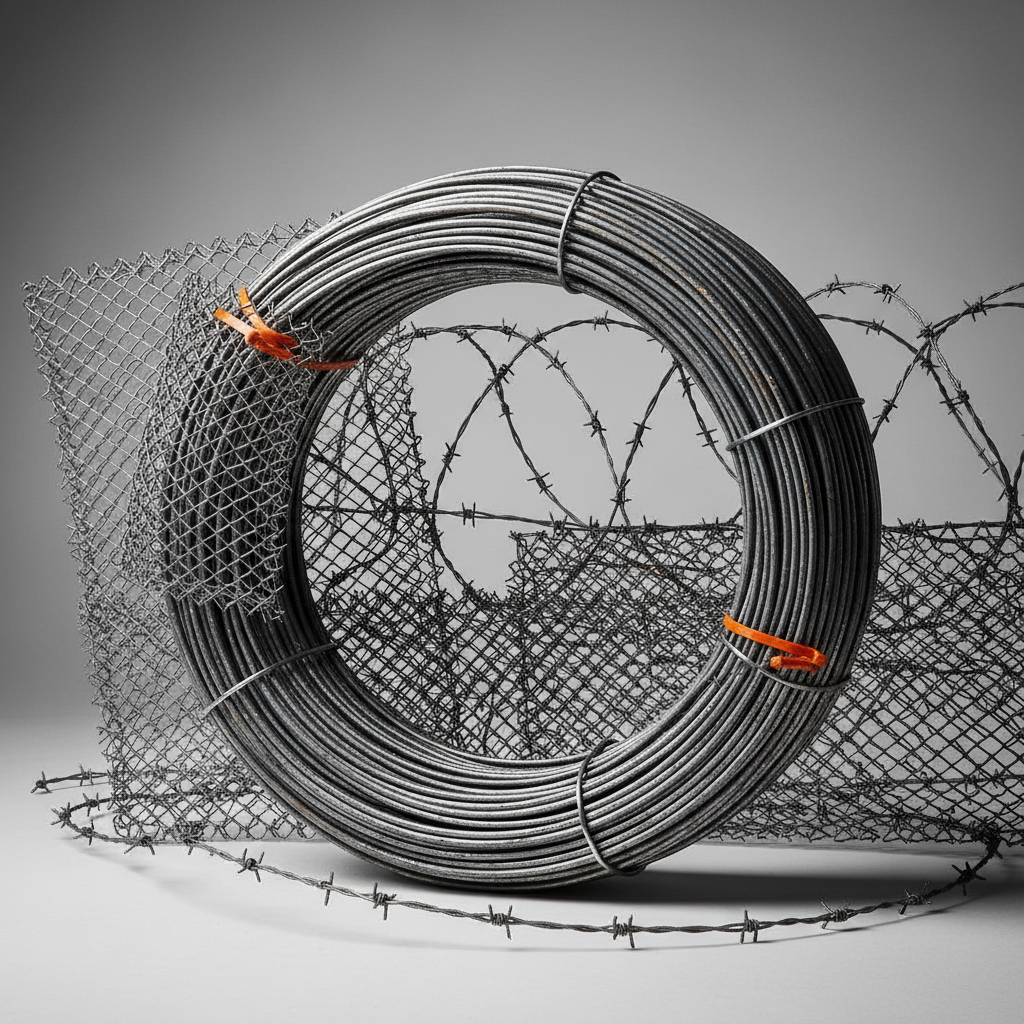
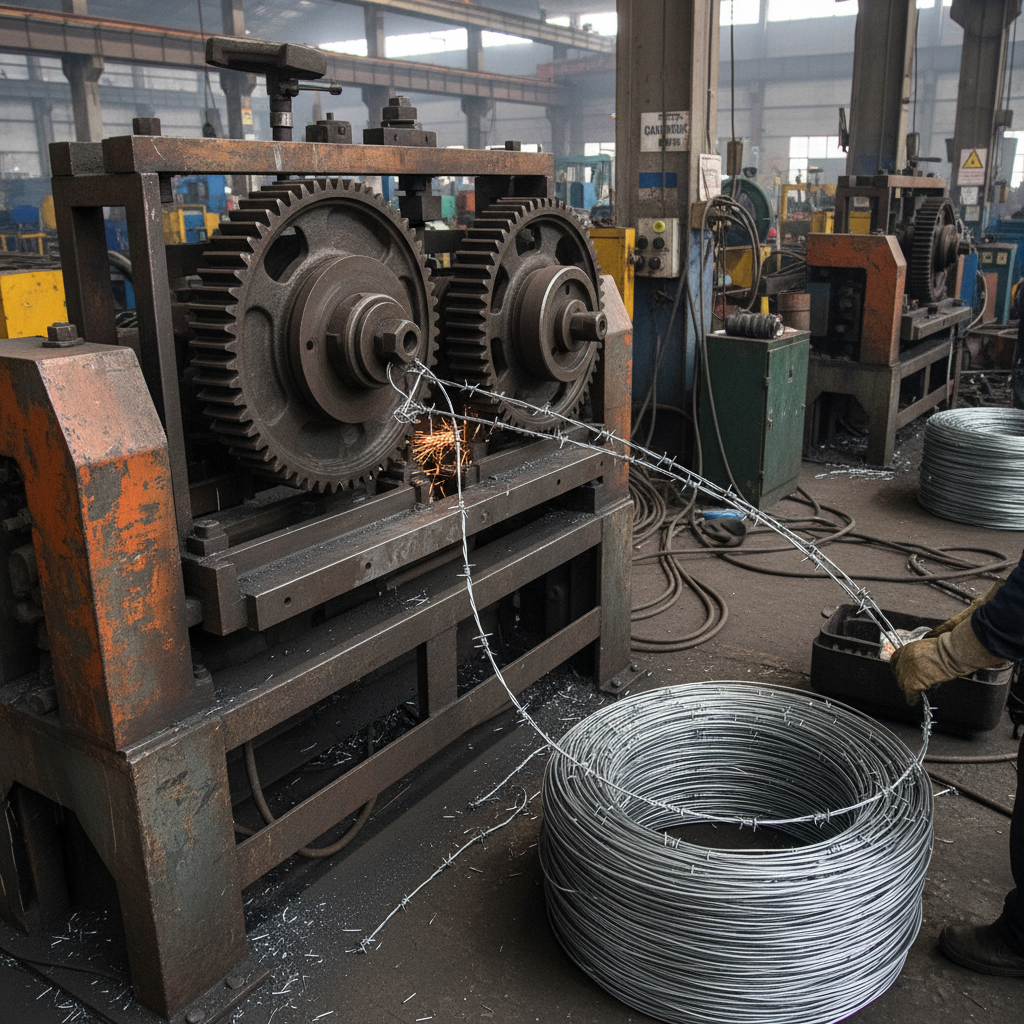
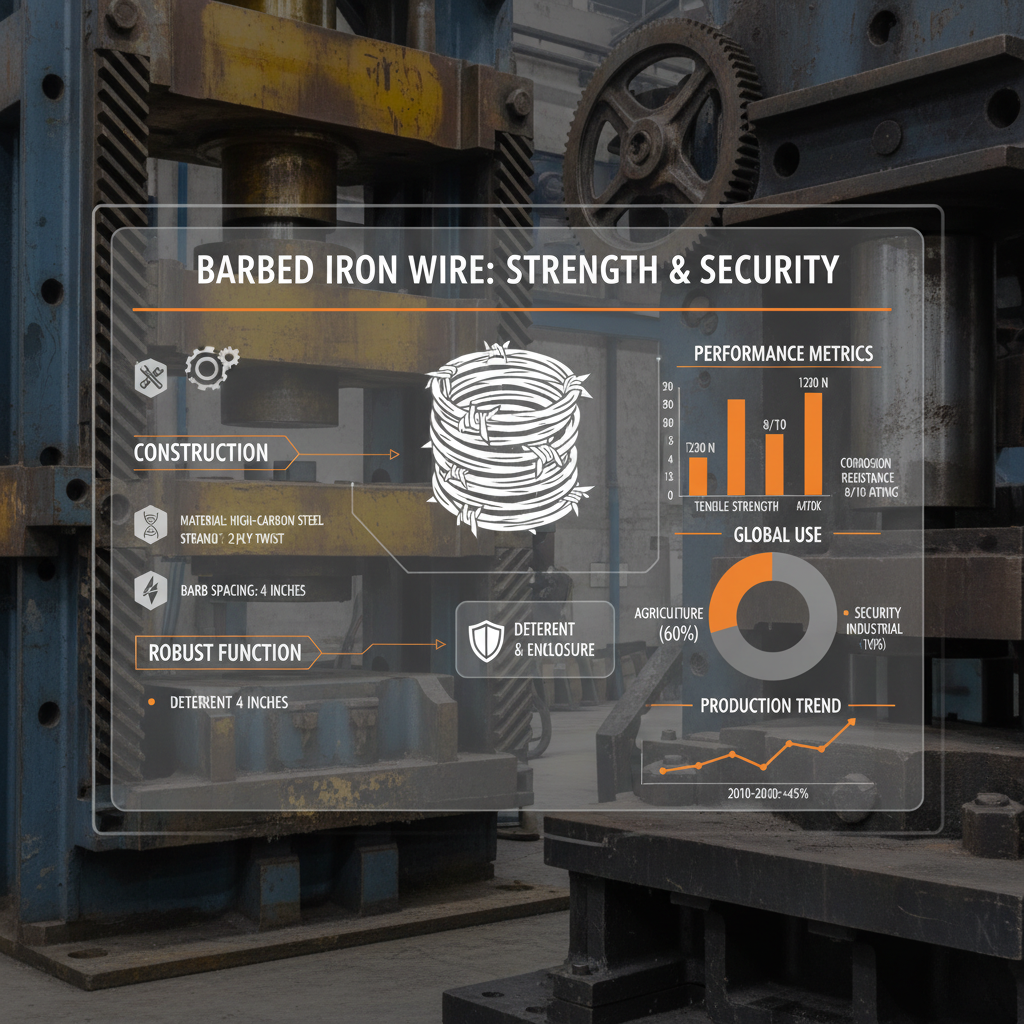
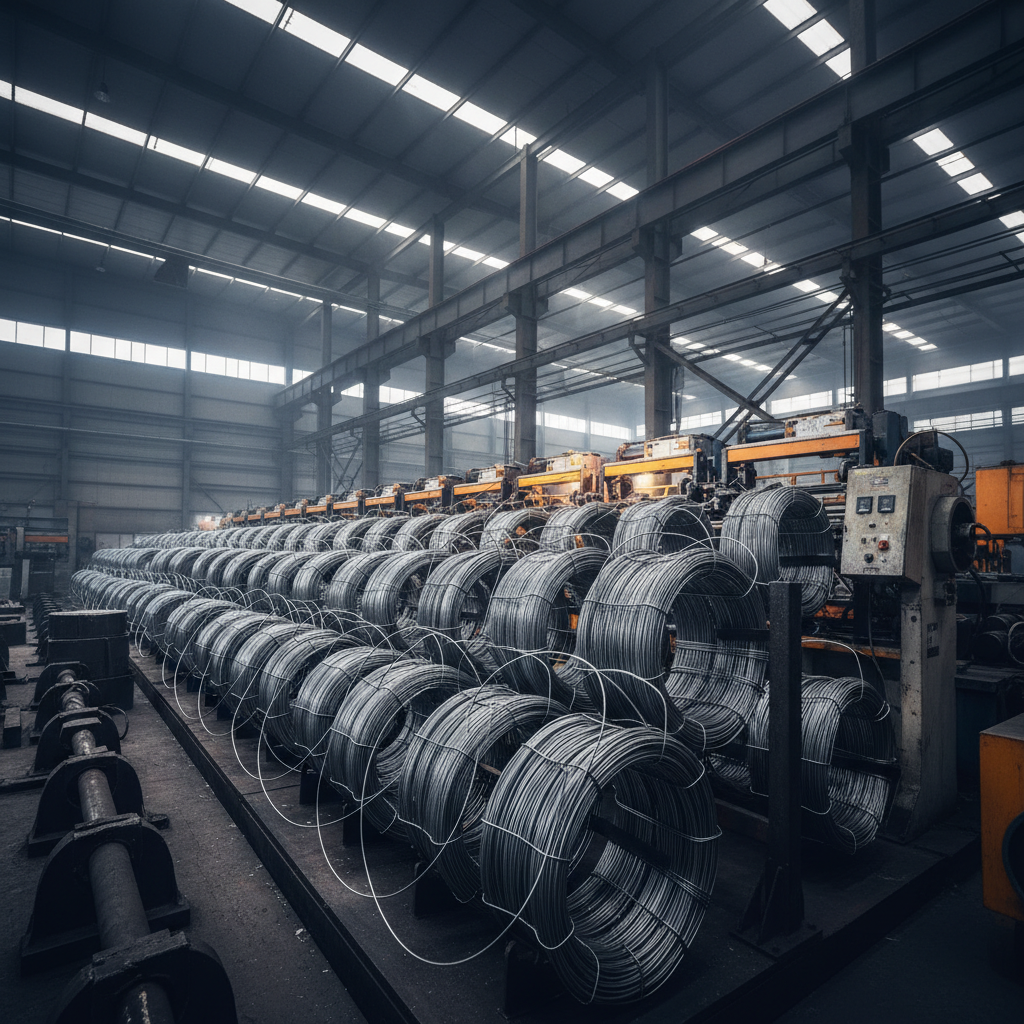
Barbed iron wire is a type of steel wire that has been twisted or woven with sharp barbs at regular intervals. These barbs create a formidable barrier, making it difficult to cross without causing injury. It's typically manufactured from carbon steel and can be galvanized to provide corrosion resistance. The fundamental purpose of barbed iron wire is to deter people or animals from crossing a boundary.

Its connection to modern industry stems from its historical use in controlling livestock on the American prairies during the 19th century. This innovation dramatically changed ranching practices, enabling larger-scale operations and contributing to the growth of the agricultural sector. Today, barbed iron wire remains an integral part of agricultural practices globally.

Beyond agriculture, barbed iron wire plays a vital role in humanitarian applications, albeit a complex one. While often associated with security and confinement, it can also be used to create temporary enclosures in disaster relief scenarios, providing safe zones for displaced populations and protecting critical supplies. Its relatively low cost and ease of deployment make it a practical option in emergency situations.

Key Attributes of Barbed Iron Wire

Durability: Barbed iron wire, particularly galvanized varieties, exhibits excellent resistance to corrosion and weathering, ensuring a long service life even in harsh environmental conditions. This durability translates to reduced maintenance costs and increased reliability over time.

Cost-Effectiveness: Compared to other perimeter security options, such as concrete walls or electronic fences, barbed iron wire represents a significantly more affordable solution. This makes it accessible to a wider range of users, including individuals, farmers, and organizations with limited budgets.

Ease of Installation: The relatively lightweight nature of barbed iron wire and the simplicity of its installation process contribute to its widespread adoption. It can be easily installed by individuals with minimal training or specialized equipment.

Practical Applications Across Industries

The agricultural sector remains a primary consumer of barbed iron wire, utilizing it for livestock containment, pasture demarcation, and crop protection. Farms rely on it to prevent animals from straying and to protect valuable crops from damage caused by wildlife or unauthorized access.

In the realm of security, barbed iron wire is widely used for perimeter fencing around industrial sites, military installations, correctional facilities, and private properties. It serves as a physical deterrent, discouraging unauthorized entry and enhancing overall security measures.

Barbed Iron Wire Application Ratings by Industry


Advantages and Long-Term Value

The primary advantage of barbed iron wire lies in its cost-effectiveness. It provides a substantial security barrier at a fraction of the cost of more sophisticated systems. This allows for broader accessibility and makes it a practical solution for a wider range of applications.

From a sustainability perspective, barbed iron wire, especially galvanized steel, has a long lifespan, minimizing the need for frequent replacements. This reduces material waste and contributes to a more environmentally responsible approach to perimeter security. The long-term value is evident in the reduced life-cycle costs associated with its durability and minimal maintenance requirements.

Future Trends in Barbed Iron Wire Technology

Ongoing research focuses on developing more corrosion-resistant coatings for barbed iron wire, extending its lifespan and reducing the need for maintenance. Nanotechnology is being explored to enhance the durability and protective properties of these coatings. Furthermore, the integration of smart technology, such as sensors that detect tampering, is emerging as a potential area for innovation.

The development of more environmentally friendly manufacturing processes is also gaining traction, with a focus on reducing the carbon footprint associated with steel production and galvanization. These advancements aim to align the industry with global sustainability goals.

Challenges and Innovative Solutions

A key challenge associated with barbed iron wire is the potential for animal injury. Innovations aimed at mitigating this include the development of “offset” barbed wire designs, which provide a greater distance between the barbs and the wire, reducing the risk of entanglement.

Another challenge is the aesthetic impact of barbed iron wire. Alternative designs, such as coated or colored wire, are being explored to blend more seamlessly with the surrounding environment.

Finally, concerns regarding the potential for illegal wildlife trapping necessitate responsible installation and maintenance practices, as well as the exploration of alternative, wildlife-friendly fencing solutions where appropriate.

Summary of Challenges and Potential Solutions for Barbed Iron Wire

Challenge Severity (1-10) Potential Solution Implementation Cost (Low, Med, High)
Animal Injury 7 Offset Barbed Wire Design Low
Aesthetic Impact 5 Coated or Colored Wire Med
Wildlife Trapping 8 Responsible Installation & Monitoring Low
Corrosion in Harsh Environments 6 Enhanced Galvanization/Nanocoatings Med
Security Breaches (Cutting/Climbing) 9 Combined with Electronic Detection Systems High
Environmental Impact of Production 4 Sustainable Steel Production Practices Med

FAQS

What are the different types of barbed iron wire available?

Barbed iron wire comes in various configurations, including single-strand, double-strand, and multi-strand designs. The spacing and configuration of the barbs also vary. Galvanization is a common coating used to protect against corrosion, while PVC coating provides additional protection and color options. Selecting the right type depends on the specific application and environmental conditions. The availability and specifics depend on suppliers like barbed iron wire manufacturers.

How long does galvanized barbed iron wire typically last?

The lifespan of galvanized barbed iron wire depends on the thickness of the galvanization and the environmental conditions. In relatively mild environments, it can last for 20-30 years. However, in harsh environments with high humidity or exposure to saltwater, the lifespan may be reduced to 10-15 years. Regular inspection and maintenance, such as applying additional coatings, can extend its service life.

Is barbed iron wire legal in all areas?

The legality of barbed iron wire varies by location. Some areas have restrictions on its use, particularly in residential zones or near public roads. It's crucial to check local regulations and obtain any necessary permits before installing barbed iron wire. Some municipalities may require warning signs or specific installation guidelines.

What safety precautions should be taken when handling barbed iron wire?

Handling barbed iron wire requires caution to prevent injuries. Wear heavy-duty gloves, long sleeves, and eye protection during installation and maintenance. Use appropriate tools, such as wire stretchers and pliers, to avoid direct contact with the barbs. Be mindful of the surrounding environment and potential hazards.

What are the environmental considerations when using barbed iron wire?

While generally durable, the production of steel and galvanization processes have environmental impacts. Choosing suppliers with sustainable manufacturing practices is important. Proper disposal of old wire is also crucial to prevent environmental contamination. Consider using recycled materials whenever possible.

How does barbed iron wire compare to other fencing options in terms of cost and security?

Compared to wood, chain-link, or electric fencing, barbed iron wire generally offers the lowest upfront cost. In terms of security, it provides a strong physical deterrent, though it may not be as visually imposing as other options. However, when combined with other security measures, like alarms or cameras, it can significantly enhance overall security. Ultimately the best choice depends on the specific security needs and budget.

Conclusion

Barbed iron wire, despite its relatively simple design, remains a crucial component in a wide array of applications, from agricultural containment to high-security perimeter protection. Its affordability, durability, and ease of installation have ensured its enduring relevance in a constantly evolving world. Understanding its strengths, limitations, and emerging innovations is vital for professionals across diverse sectors.

Looking ahead, advancements in materials science and manufacturing techniques will continue to enhance the performance and sustainability of barbed iron wire. Embracing these innovations, alongside responsible installation and maintenance practices, will ensure that this versatile material continues to play a critical role in protecting assets, safeguarding communities, and contributing to a more secure future. For reliable sourcing and expert advice, visit our website: www.yjdwiremesh.com.

Robert Chen

Robert Chen

Robert Chen serves as the Quality Control Manager at Yajiada, leading a team of over 30 technical staff. With a background in materials science, he ensures every batch of galvanized iron wire, nails and chain link fence meets stringent quality benchmarks. Robert joined the company in 2010, and has been
Previous The Indispensable Role of Binding Iron Wire in Modern Applications
Next Understanding the Properties and Applications of Annealed Iron Materials