Understanding Reinforcement Mesh in Modern Construction
In the dynamic world of civil engineering and construction, the demand for robust, efficient, and cost-effective structural solutions is ever-present. Central to achieving these objectives is the strategic application of Reinforcement mesh. This engineered product plays a pivotal role in enhancing the tensile strength and overall structural integrity of concrete, mitigating crack formation, and ensuring long-term durability across a myriad of applications from residential slabs to major infrastructural projects. Its pre-fabricated nature streamlines installation, reduces labor costs, and maintains consistent quality, making it an indispensable material for modern building practices.
The evolution of construction methodologies, coupled with stringent safety standards and the drive for sustainable practices, has led to significant advancements in reinforcement technologies. As we delve deeper, we will explore the intricate details of its manufacturing, technical specifications, diverse applications, and the strategic advantages it offers to B2B decision-makers and engineering professionals.
Current Industry Trends and Market Dynamics
The global market for Reinforcement mesh is experiencing robust growth, driven by escalating infrastructure development, particularly in emerging economies, and the increasing adoption of prefabrication techniques in construction. Key trends include:
- Sustainable Construction Practices: There's a growing emphasis on materials that reduce waste and have a lower carbon footprint. Manufacturers are exploring optimized designs and recycled content in Reinforcement mesh production.
- Digitalization and BIM Integration: Building Information Modeling (BIM) is facilitating more precise planning and integration of reinforcement schedules, leading to reduced material waste and improved project timelines.
- Advanced Material Science: Research into higher strength steel grades and alternative materials like galvanized or epoxy-coated mesh for enhanced corrosion resistance is expanding, particularly for structures exposed to harsh environments (e.g., coastal infrastructure, chemical plants).
- Modular and Precast Construction: The shift towards off-site manufacturing of precast concrete elements (walls, floors, beams) is boosting demand for tailored Reinforcement mesh solutions, allowing for faster on-site assembly and superior quality control.
According to a recent market analysis by Grand View Research, the global steel reinforcement market size was valued at USD 218.6 billion in 2022 and is projected to grow at a compound annual growth rate (CAGR) of 5.9% from 2023 to 2030, underscoring the sustained demand for reinforcement products like mesh in infrastructure, residential, and commercial projects worldwide.
Manufacturing Process Flow of Reinforcement Mesh
The production of high-quality Reinforcement mesh is a meticulously controlled process, ensuring product consistency and adherence to stringent international standards. Our manufacturing process emphasizes precision and material integrity from raw material sourcing to final packaging.
1. Raw Material Sourcing & Wire Drawing
High-grade steel wire rods (typically low carbon steel for ductility) are sourced. These rods undergo a cold-drawing process to achieve the precise diameters required for the mesh, enhancing their tensile strength and yield strength. Materials strictly conform to ASTM A82/A1064 or equivalent international standards.
2. Straightening & Cutting
The drawn wires are then straightened and cut to exact lengths using automated machinery. This ensures dimensional accuracy for the mesh panels, crucial for consistent grid formation and reducing on-site waste.
3. Automated Resistance Welding
Longitudinal and transverse wires are precisely positioned in a grid pattern. High-speed, automated resistance welding machines then fuse the wires at their intersections, creating a strong, permanent bond. This process is optimized to achieve consistent weld shear strength, critical for load transfer in concrete.
4. Quality Control & Testing
Every batch undergoes rigorous quality inspection. This includes checks for wire diameter accuracy, mesh spacing uniformity, panel dimensions, and critical weld shear strength tests (e.g., to ISO 15630-2). Our facilities are ISO 9001 certified, ensuring continuous quality improvement.
5. Finishing & Packaging
Finished Reinforcement mesh panels are then cut to specified sizes, stacked, and securely bundled for transport. Options for galvanization or epoxy coating are available for enhanced corrosion resistance, particularly relevant for target industries like petrochemicals and water treatment where service life is paramount.
The typical service life of properly installed Reinforcement mesh, embedded in high-quality concrete and protected from extreme environmental exposure, can exceed 50-75 years, contributing significantly to the longevity of structures in target industries such as civil infrastructure, commercial building, and industrial flooring.
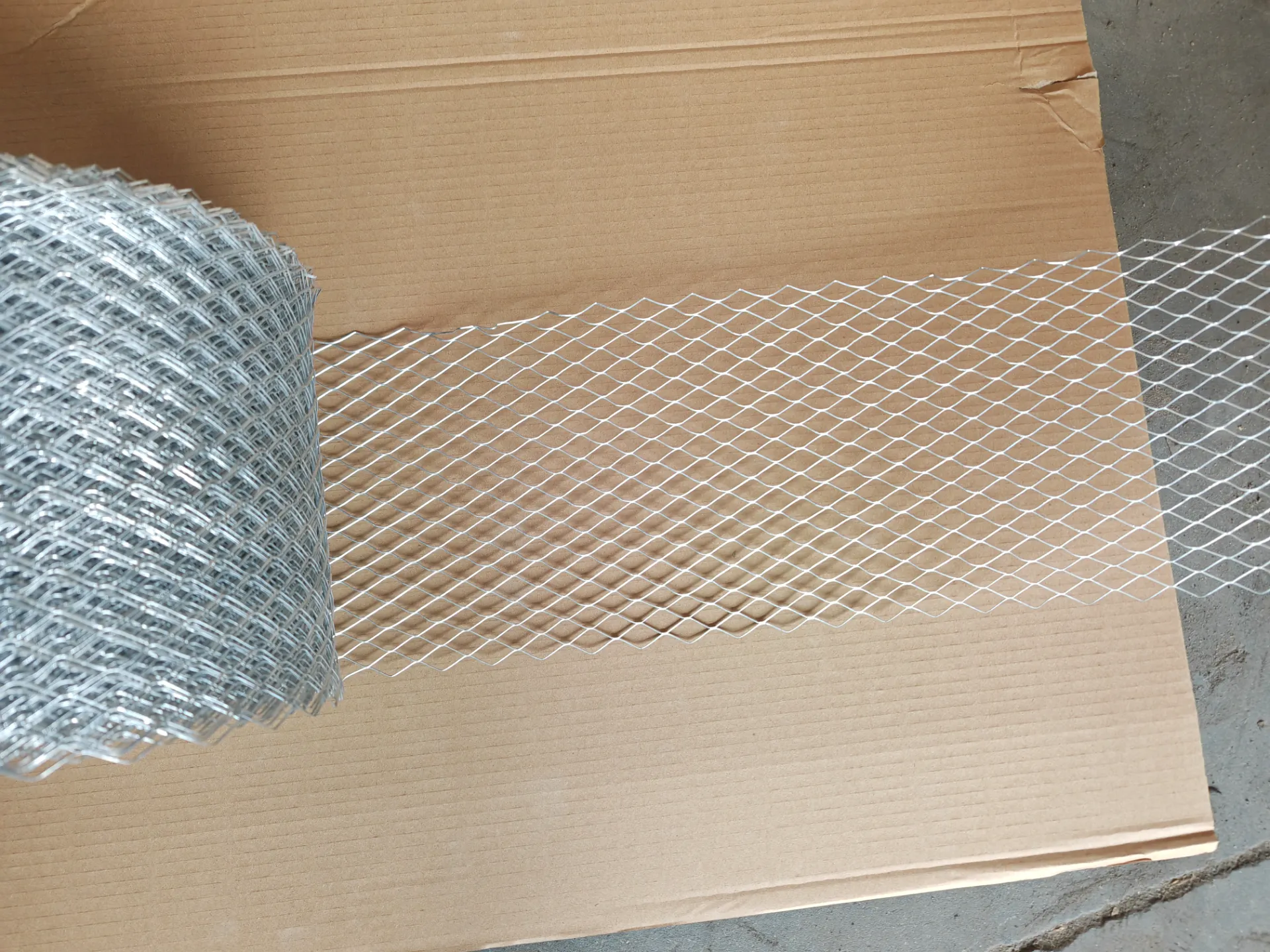
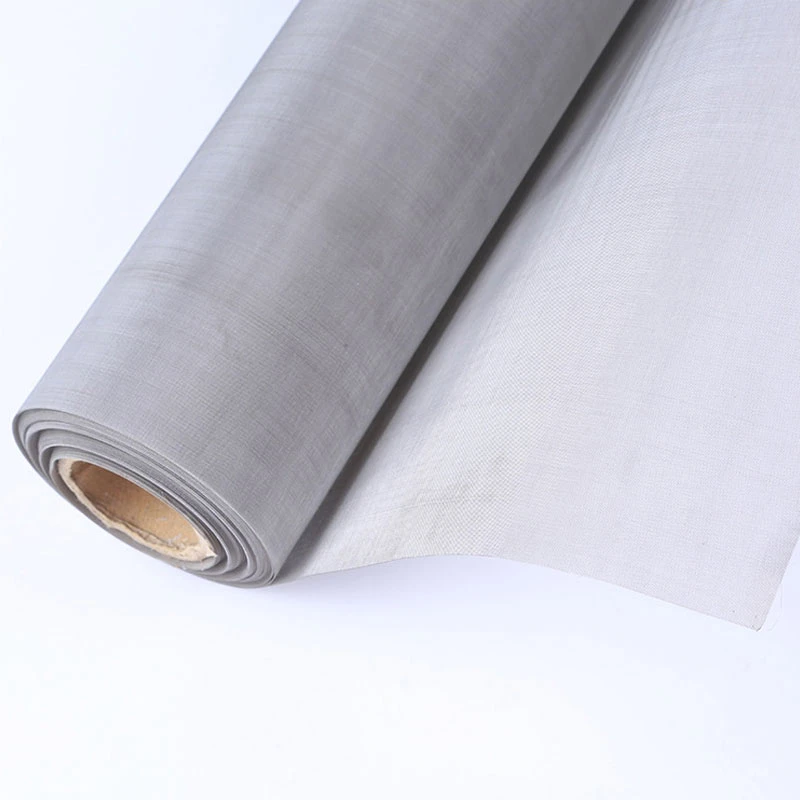
Automated welding ensures precise and strong intersections for our Reinforcement mesh.
Technical Specifications and Performance Parameters
Understanding the precise technical specifications of Reinforcement mesh is crucial for engineers and procurement specialists to ensure optimal structural performance. Key parameters include wire diameter, mesh opening size, material grade, tensile strength, and weld shear strength. These properties dictate the mesh’s ability to resist tensile stresses and effectively transfer load within the concrete matrix.
Typical Reinforcement Mesh Specifications
| Parameter | Description | Typical Range/Value | Relevant Standard |
|---|---|---|---|
| Wire Diameter | Gauge of the steel wires (longitudinal & transverse) | 4 mm to 12 mm | ASTM A1064/A1064M, AS/NZS 4671 |
| Mesh Opening Size | Distance between centers of adjacent wires | 100x100 mm to 200x200 mm | ASTM A1064/A1064M, BS 4483 |
| Material Grade | Steel quality and composition (e.g., mild steel, high-tensile steel) | Grade 250, Grade 500 (e.g., D500L) | ISO 6935-2, ASTM A615/A615M |
| Tensile Strength | Maximum stress material can withstand before breaking | 550 MPa (min. for D500L) | ISO 6892-1, ASTM E8/E8M |
| Yield Strength | Stress at which material begins to deform permanently | 500 MPa (min. for D500L) | ISO 6892-1, ASTM E8/E8M |
| Weld Shear Strength | Resistance of welded intersections to shearing forces | 300 N/mm² (min.) | ISO 15630-2, ASTM A1064/A1064M |
The cold-drawn process significantly enhances the mechanical properties of the steel, resulting in a higher yield strength compared to hot-rolled plain bars. This allows for more efficient use of steel and optimized designs. Our products consistently exceed minimum specification requirements, providing an added layer of safety and performance for your projects.
Application Scenarios and Industry Use Cases
The versatility of Reinforcement mesh makes it suitable for an extensive range of applications across various industries. Its ability to distribute stress evenly and control cracking is invaluable in both large-scale infrastructure and detailed building projects.
- Residential and Commercial Buildings: Widely used in concrete slabs-on-ground, suspended slabs, footings, foundations, and precast concrete panels. It's essential for providing tensile strength to resist settlement and shrinkage cracking.
- Roads and Pavements: Critical for strengthening concrete roads, highways, airport runways, and industrial hardstandings. The mesh helps in distributing traffic loads and preventing thermal expansion/contraction cracking.
- Bridges and Tunnels: Integral to the structural components of bridges, tunnels, retaining walls, and culverts, where high strength and durability are paramount to withstand significant structural loads and environmental stresses.
- Precast Concrete Elements: Used in the manufacturing of precast beams, columns, panels, and pipes, ensuring consistent quality and enabling faster construction cycles.
- Water Supply & Drainage Infrastructure: Employed in concrete pipes, culverts, reservoirs, and wastewater treatment plants, where corrosion resistance (via coated mesh) and long service life are critical due to constant exposure to moisture and chemicals.
- Industrial and Petrochemical Facilities: For heavy-duty industrial flooring, equipment foundations, and protective barriers. Specialized coated mesh provides essential corrosion resistance against aggressive chemical environments, extending the service life and reducing maintenance costs.
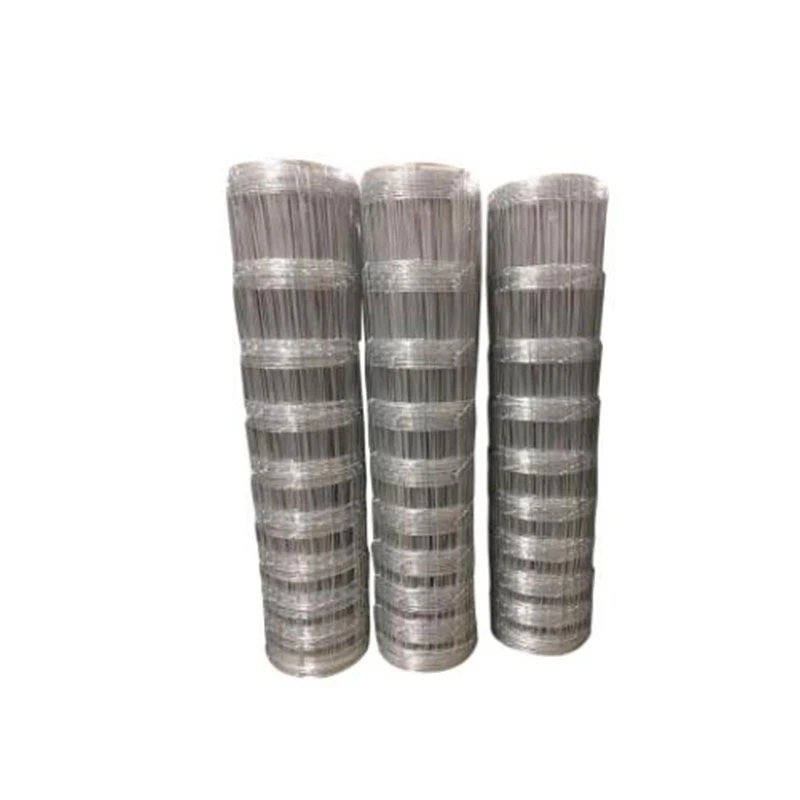
Reinforcement mesh prepared for a large industrial slab pour.
Technical Advantages and Economic Benefits
The adoption of Reinforcement mesh offers a compelling array of technical and economic advantages for construction projects:
- Enhanced Structural Integrity: Provides superior tensile strength and ductility to concrete, significantly improving its load-bearing capacity and resistance to flexural stress, ultimately leading to safer and more durable structures.
- Optimized Crack Control: The uniform grid pattern effectively distributes stresses throughout the concrete, minimizing the formation and propagation of shrinkage and thermal cracks, which extends the lifespan of the structure.
- Reduced Construction Time & Labor Costs: Pre-fabricated panels eliminate the need for individual bar tying on-site, drastically speeding up installation. This leads to substantial savings in labor hours and overall project duration.
- Consistent Quality & Accuracy: Manufactured under controlled factory conditions, ensuring precise wire spacing and weld integrity, which is difficult to achieve with traditional rebar tying methods. This consistency leads to more reliable structural performance.
- Material Efficiency: Optimized designs allow for efficient use of steel, potentially reducing the total steel tonnage required compared to conventional methods while maintaining structural performance.
- Corrosion Resistance & Longevity: For applications in aggressive environments (e.g., marine, chemical), options like galvanized or epoxy-coated Reinforcement mesh provide enhanced protection against corrosion, ensuring a longer service life and reduced maintenance, leading to significant lifecycle cost savings.
- Energy Saving in Production: The cold-drawn process for mesh wire production is often more energy-efficient than rebar manufacturing processes, contributing to lower embodied energy for the structure.
Vendor Comparison: Choosing the Right Partner
Selecting the right supplier for Reinforcement mesh is a critical decision that impacts project timelines, structural integrity, and overall cost-effectiveness. A comprehensive comparison should consider not only product specifications but also service reliability, certification, and customization capabilities.
Key Comparison Factors for Reinforcement Mesh Suppliers
| Factor | Typical Vendor A (Generic) | Our Offering (YJDWireMesh) |
|---|---|---|
| Product Quality & Standards | Meets basic local standards, varying consistency | Exceeds international standards (ASTM, ISO, AS/NZS), rigorous QC, consistent material properties. |
| Customization Capabilities | Limited standard sizes and grades | Extensive customization for wire diameter, mesh size, panel dimensions, and material finishes (galvanized, epoxy). |
| Certifications & Authoritativeness | Basic product certification | ISO 9001 certified manufacturing, product compliance with major global construction codes, 20+ years industry experience. |
| Lead Time & Fulfillment | Standard lead times, potential delays for custom orders | Streamlined production process, 2-4 weeks typical lead time for standard orders, flexible for urgent projects. |
| Technical Support & After-Sales | Basic customer service | Dedicated technical engineers, comprehensive pre-sales consultation and post-sales support. |
| Pricing Model | Unit-based pricing | Competitive bulk pricing, project-based quotations, value engineering options. |
Our commitment to quality, backed by over two decades of industry experience and an ISO 9001 certified manufacturing process, ensures that partners receive not just a product, but a reliable solution that meets the highest standards of engineering excellence. We have successfully supplied Reinforcement mesh to hundreds of projects globally, collaborating with leading construction firms and engineering consultancies.
Customized Reinforcement Mesh Solutions
Recognizing that no two projects are identical, we offer highly customized Reinforcement mesh solutions tailored to specific design requirements and site conditions. This bespoke approach ensures optimal material usage, enhanced structural performance, and significant project efficiencies.
- Tailored Dimensions: Mesh panels can be manufactured in non-standard widths and lengths to perfectly fit irregular slabs, unique structural elements, or to minimize overlaps and waste.
- Variable Wire Diameters & Spacing: Design flexibility allows for different wire diameters and mesh openings within the same panel, optimizing reinforcement exactly where needed, based on engineering calculations.
- Specialized Material Grades: Beyond standard grades, we can provide high-strength alloys or specialized steel for projects demanding exceptional performance under specific loads or environmental conditions.
- Surface Treatments: Custom coating options include hot-dip galvanization for superior corrosion resistance in aggressive environments (e.g., coastal, industrial chemical exposure) or epoxy coating for electrical insulation and further protection against chlorides.
- Cut-to-Shape & Bent Mesh: For complex geometries, mesh can be pre-cut into specific shapes or bent to form cages or other three-dimensional elements, ready for immediate integration into precast concrete or complex cast-in-place structures.
Our engineering team collaborates closely with clients from conceptual design through to fabrication, leveraging advanced CAD systems to translate complex structural drawings into precise manufacturing specifications. This consultative approach ensures that every customized solution delivers maximum value and meets project-specific challenges effectively.
Application Case Studies
Case Study 1: High-Rise Commercial Building Foundation
Project: 30-story office tower in a metropolitan area.
Challenge: Designing a raft foundation capable of supporting significant dead and live loads while minimizing differential settlement on variable soil conditions. The project had a tight schedule, demanding efficient material delivery and installation.
Solution: We supplied customized heavy-gauge Reinforcement mesh (D10 x 150x150 mm) in large panels, designed to specific structural engineer specifications. The mesh's high yield strength (500 MPa) ensured adequate reinforcement for the high concrete loads.
Outcome: The pre-fabricated mesh panels significantly reduced on-site labor for rebar tying, achieving a 30% reduction in foundation reinforcement installation time. The consistent weld quality contributed to the overall structural integrity, and the project was completed ahead of schedule, with positive feedback on ease of installation and quality from the client, a major APAC construction conglomerate.
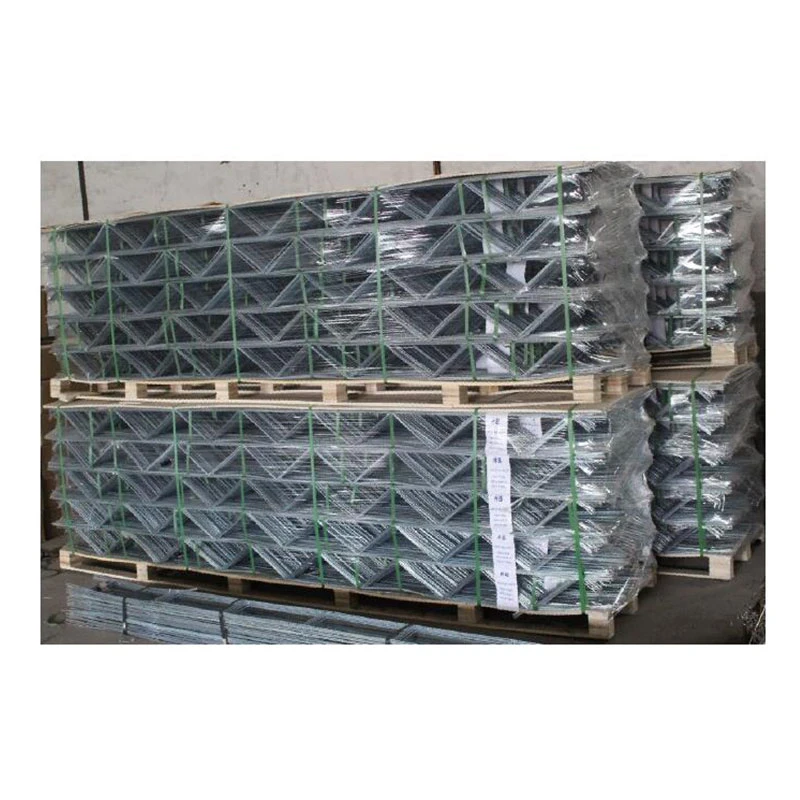
Reinforcement mesh panels ready for deployment on a large-scale project.
Case Study 2: Industrial Warehouse Flooring
Project: Construction of a 50,000 sq. meter industrial warehouse floor subjected to heavy forklift traffic and point loads from racking systems.
Challenge: The floor required high durability, minimal cracking, and rapid construction to allow for early operational readiness. Traditional bar reinforcement would be labor-intensive and slow.
Solution: We provided a bespoke solution of galvanized Reinforcement mesh (D8 x 200x200 mm) optimized for industrial loading. The galvanization provided excellent corrosion protection against potential spills and moisture.
Outcome: The use of galvanized mesh contributed to an expected service life of over 60 years for the floor, minimizing future maintenance. The ease of laying the mesh panels led to a 40% faster floor pour schedule compared to traditional methods, enabling the client to commence operations significantly earlier and save substantial capital. Customer feedback highlighted the mesh's ability to create a flat, durable surface with minimal cracking.
Trustworthiness: FAQ, Lead Time, Warranty & Support
Frequently Asked Questions (FAQ) about Reinforcement Mesh
A1: Reinforcement mesh offers faster installation, reduced labor costs, more consistent quality due to factory welding, and superior crack control due to its uniform grid pattern. It also allows for optimized material usage.
A2: Absolutely. We offer extensive customization for wire diameter, mesh opening size, panel dimensions, material grades, and surface treatments like galvanization or epoxy coating to meet unique project specifications.
A3: Our manufacturing processes are ISO 9001 certified, and our Reinforcement mesh products comply with international standards such as ASTM A1064/A1064M, AS/NZS 4671, and BS 4483, ensuring top-tier quality and performance.
Lead Time & Fulfillment
We maintain efficient production lines and robust logistics to ensure timely delivery of your Reinforcement mesh orders.
- Standard Orders: Typical lead time for standard mesh configurations is 2-4 weeks from order confirmation to dispatch.
- Custom Orders: Customized solutions may require 4-6 weeks, depending on complexity and specific material requirements. We work closely with clients to establish realistic timelines for bespoke products.
- Expedited Services: For urgent projects, please contact our sales team to discuss expedited production and delivery options.
Warranty Commitments
We stand behind the quality and performance of our Reinforcement mesh products.
- We offer a 5-year limited warranty against manufacturing defects and material failure under normal use and proper installation conditions, in accordance with industry best practices and applicable building codes.
- Our warranty covers defects in material and workmanship, ensuring that our mesh meets the specified mechanical properties and dimensional tolerances upon delivery.
Customer Support and Technical Assistance
Our commitment extends beyond product delivery. We provide comprehensive support to ensure your project's success.
- Dedicated Account Managers: A single point of contact for all your project needs.
- Technical Engineering Support: Our team of experienced engineers is available for pre-sales consultation, design optimization, and post-sales troubleshooting.
- After-Sales Service: Prompt assistance for any queries regarding product application, installation, or performance.
- Contact Information: Reach us via phone at [Insert Phone Number] or email at [Insert Email Address] for immediate assistance.
Conclusion
Reinforcement mesh stands as a cornerstone of modern, efficient, and durable construction. Its technical superiority, coupled with the economic benefits of faster installation and reduced labor, makes it the preferred choice for engineers and construction managers worldwide. By understanding its manufacturing intricacies, adhering to rigorous technical specifications, and leveraging customized solutions, projects can achieve optimal structural performance and longevity. Partnering with a reputable manufacturer committed to quality, service, and innovation ensures that your construction endeavors are built on a foundation of strength and reliability.
References
- Grand View Research. (2023). Steel Reinforcement Market Size, Share & Trends Analysis Report. www.grandviewresearch.com/industry-analysis/steel-reinforcement-market
- ASTM International. (2020). ASTM A1064/A1064M-20, Standard Specification for Steel Wire, Welded Reinforcement, for Concrete. www.astm.org
- International Organization for Standardization. (2018). ISO 9001:2015, Quality management systems — Requirements. www.iso.org
- Cement and Concrete Association of New Zealand. (2016). Concrete Reinforcement Manual. www.concrete.org.nz