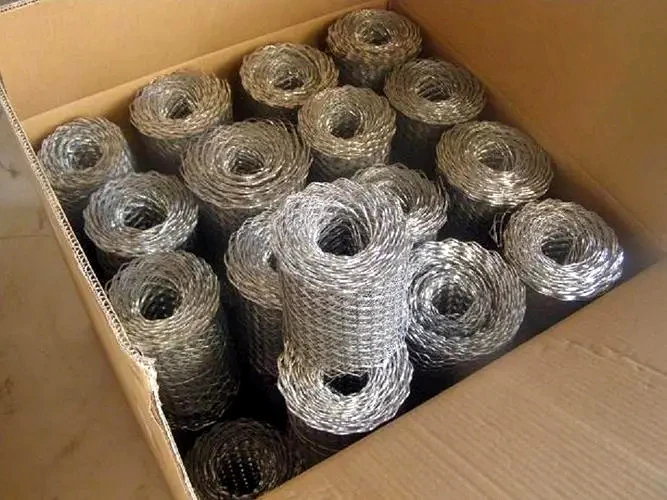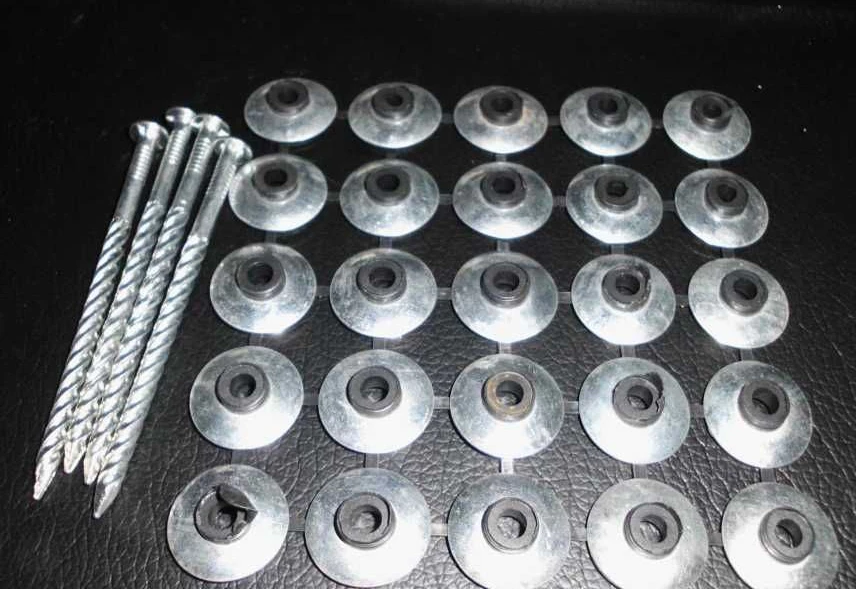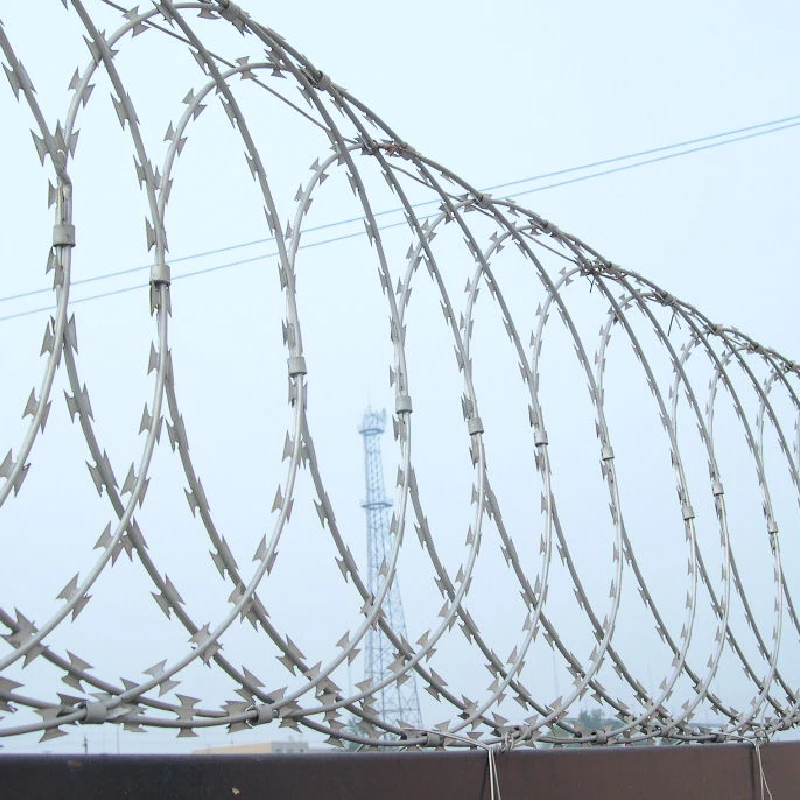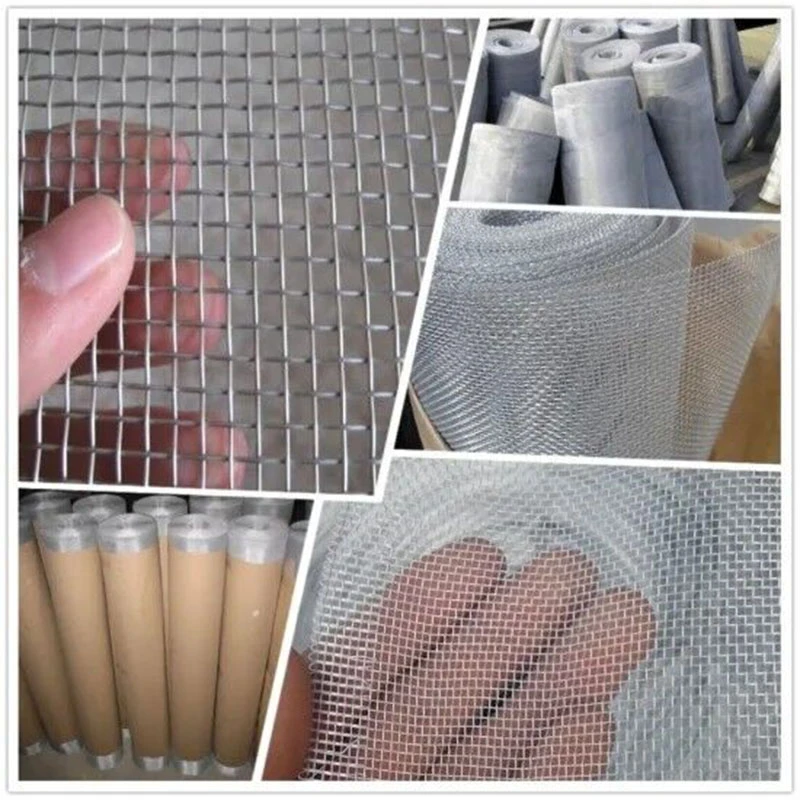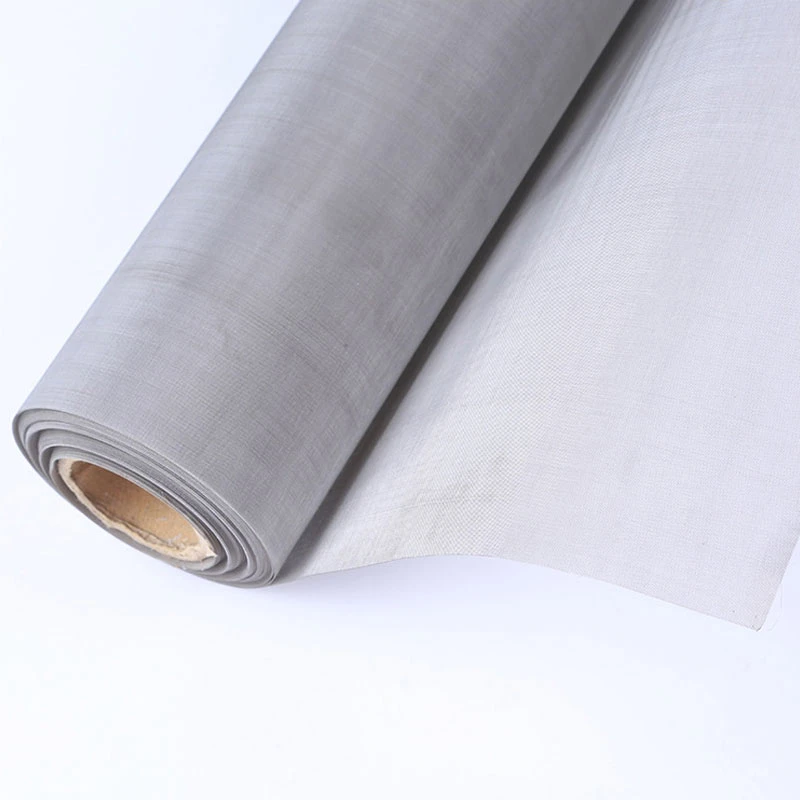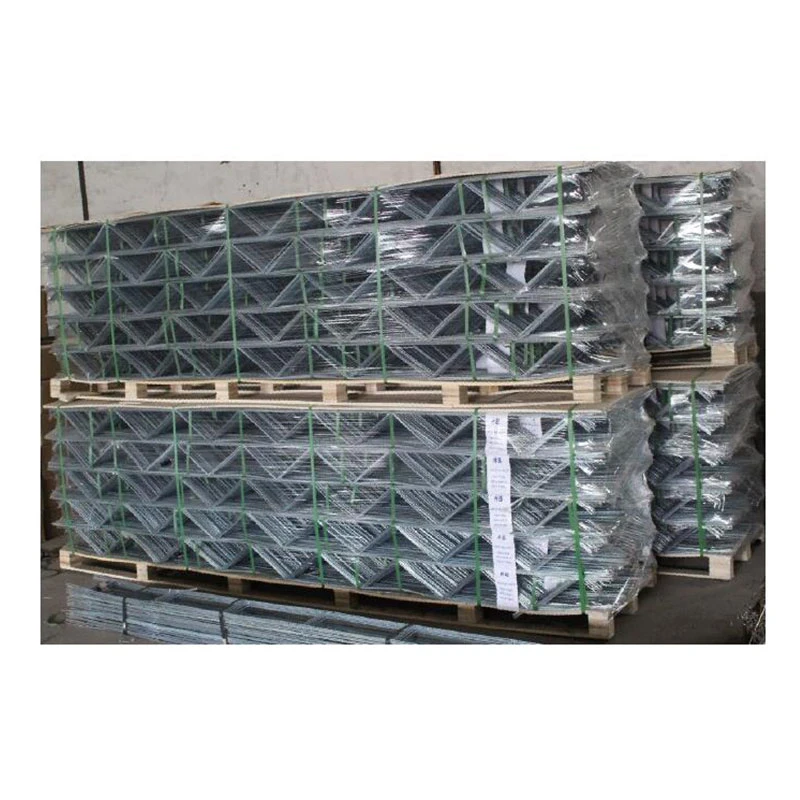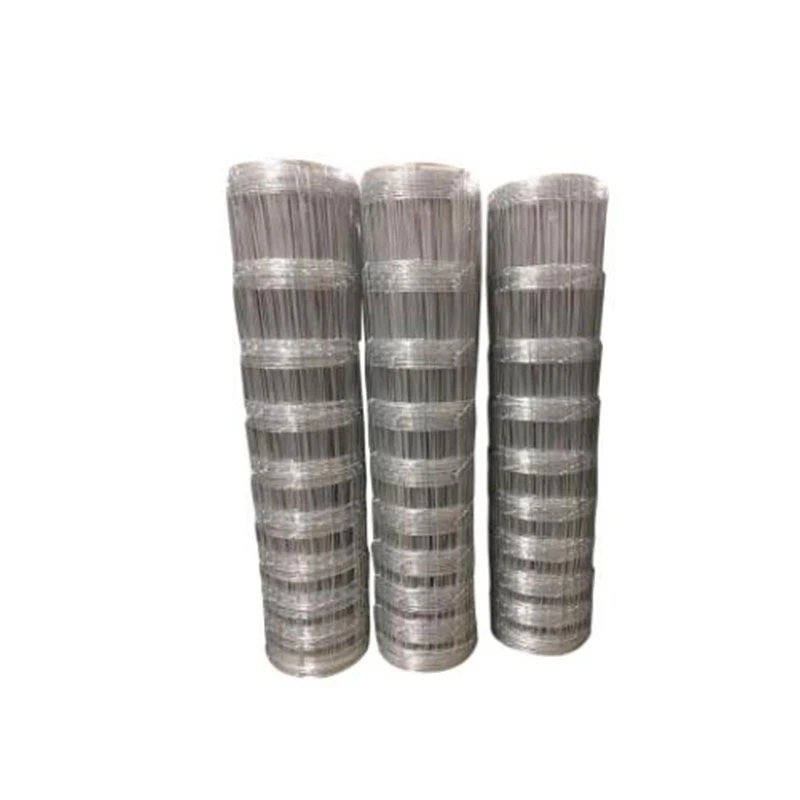
What Is Hot Dip Galvanized Wire and Why Should You Care?
Hot dip galvanized wire isn’t just a technical term for metal lovers; it’s a surprisingly crucial material that keeps our infrastructure strong, safe, and sustainable. In a world where climate change pushes industries to rethink durability and cost efficiency, understanding hot dip galvanized wire becomes valuable for engineers, builders, and even humanitarian agencies. Essentially, this wire’s zinc-coated magic shield wards off corrosion, extending the lifespan of fences, meshes, and even offshore structures. So, it’s not just steel with a fancy suit—it's protection that matters globally.
The Global Stage: Why Hot Dip Galvanized Wire Matters Now
The global steel market is, as you might guess, gigantic, with production hitting over 1.9 billion metric tons according to the World Steel Association (2023). Now, add the rising demand for galvanized products — especially in developing regions — where infrastructure development and disaster relief require cost-effective yet rugged materials. Hot dip galvanized wire answers this call by combining affordability and long-lasting resilience.
However, corrosion remains the #1 enemy to metal structures worldwide, costing industries billions annually. The UN Environmental Programme (UNEP) underscores corrosion as a silent economic drain, with coastal countries hit hardest due to saltwater exposure. Enter hot dip galvanized wire, which protects steel from harsh environmental damage, securing everything from agricultural fencing in Brazil’s outback to power grids in coastal Vietnam.
What Exactly Is Hot Dip Galvanized Wire?
Put simply, hot dip galvanized wire starts as plain steel wire then undergoes a dunking session (literally) into molten zinc at roughly 450°C. This coating forms a protective barrier that’s metallurgically bonded to the steel, preventing rust and wear. Unlike simple painted wires, this coating is thick, durable, and remarkably self-healing in tiny scratches.
Beyond industrial use, this material finds humanitarian roles too — from constructing rapid-deployment shelters to reinforcing supply chain meshes in remote zones. Its ability to hold strong in unpredictable environments makes it indispensable.
Key Characteristics That Make Hot Dip Galvanized Wire Popular
Durability That Lasts Decades
One of the core reasons hot dip galvanized wire gets picked over alternatives is how long it lasts—commonly 30–50 years depending on conditions. Its zinc barrier slows oxidation and withstands abrasions that would ruin plain steel fast.
Cost Efficiency Without Compromise
While stainless steel might shine brighter on specs, hot dip galvanized wire is generally far more budget-friendly. Many engineers say the lifecycle cost is unbeatable when factoring maintenance, replacement, and downtime.
Corrosion Resistance in Diverse Environments
From arid deserts to humid tropics, the zinc coating’s resilience shines. It particularly excels where exposure to moisture, pollutants, and salts is high. If you’re fencing a farm in Kenya or building scaffolding near a salty shore, this wire keeps your structure intact.
Scalability and Flexibility
Producers can customize gauges, tensile strength, and lengths to match project needs. This adaptability suits everything from fine mesh for insect control to heavy-duty wire rope for construction.
Environmental Impact and Sustainability
Galvanizing uses largely recyclable steel and zinc, aligning with circular economy goals. Plus, fewer replacements mean less waste—a practical win for sustainability-minded projects.
Product Specification Table
| Specification | Typical Values |
|---|---|
| Base Wire Diameter | 0.5 mm – 6.0 mm |
| Zinc Coating Thickness | 45–85 µm |
| Tensile Strength | 350–600 MPa |
| Coating Weight | 275–600 g/m² |
| Standard Compliance | ISO 1461, ASTM A855 |
Mini takeaway: The blend of strength, corrosion resistance, and value makes hot dip galvanized wire a staple for projects demanding toughness on a budget.
Applications Around the World: A Truly Global Product
Hot dip galvanized wire’s reach is wider than you might expect. Agricultural fencing in Australia, construction reinforcement in Germany, and electrical grounding wires in the US—it's all in the mix. Humanitarian groups widely use it for temporary but sturdy enclosures and infrastructure in disaster zones, such as after the 2010 Haiti earthquake and the ongoing refugee camps in the Middle East.
Regions exposed to saline coastal environments, such as the Netherlands and Singapore, swear by its protective properties. Oddly enough, the very wire that fences a farm in Argentina is similar to that used in mega offshore wind farms in Denmark — that’s versatility.
Comparing Leading Vendors of Hot Dip Galvanized Wire
| Vendor | Coating Technology | Product Range | Typical Lead Time | Sustainability Initiatives |
|---|---|---|---|---|
| YJD Wire Mesh | Hot Dip Galvanizing (ISO 1461) | Wide ranges: 0.5–6 mm wire diameter | 2–4 weeks | Recycling & Low Emissions |
| Global Galv Co. | Batch & Continuous Galv | Specialty high-tensile wire | 3–6 weeks | Zinc Recovery Program |
| EverZinc | Pre-galvanized & Hot Dip | Standard & custom coatings | 1–3 weeks | Sustainable Zinc sourcing |
Why Busting the Rust Pays Off: Advantages and Long-Term Value
Let’s be frank: no one likes quick repairs or replacements. With hot dip galvanized wire, the upfront investment means fewer headaches a decade down the line. It saves money by slashing maintenance costs and prevents dangerous failures that could risk lives on construction sites or farms.
On an emotional level, using galvanized wire conveys trustworthiness—whether you’re a company guarding livestock or an NGO building relief camps. It’s a promise of durability and care.
Looking Forward: Trends Shaping Hot Dip Galvanized Wire
Innovation does not stand still. Currently, we see pushes towards eco-friendlier zinc coatings with less environmental impact. Digital traceability in production helps combat counterfeit products, while automation speeds up custom orders. Green energy initiatives—like wind and solar farms—often depend on galvanized wire for their robust wire mesh supports.
One rather exciting frontier? Hybrid coatings combining galvanization with polymer layers for extra protection without extra weight. The future could also mean “smart” wires monitoring stress or corrosion — practical, yet almost sci-fi at this point.
Challenges and How the Industry Tackles Them
Hot dip galvanizing isn’t a silver bullet. In highly acidic or alkaline soils, zinc can wear faster. Also, surface preparation before galvanizing is critical—poor prep equals early failure. Fortunately, advances in pre-treatment and alloyed zinc baths reduce these risks, and combining galvanization with paint coatings offers double-layer defense when conditions demand.
Supply chain disruptions occasionally cause zinc price jumps, but industry groups encourage zinc recycling and strategic reserves to soften shocks.
FAQ: Common Questions About Hot Dip Galvanized Wire
- Q: How long can hot dip galvanized wire last outdoors?
A: Typically between 30 to 50 years, though actual life depends on environment and maintenance. Coastal or industrial sites might see shorter spans, while rural areas could last longer. - Q: Is hot dip galvanized wire safe for use in food processing environments?
A: Yes, it’s often used in food handling infrastructures. Zinc coatings comply with many food safety standards, though it’s best to check specific regulations and applications. - Q: Can hot dip galvanized wire be customized for tensile strength?
A: Absolutely. Vendors can adjust base wire type and diameter to meet various strength requirements—ranging from light fencing to heavy construction support. - Q: What’s the difference between hot dip and electro-galvanized wire?
A: Hot dip galvanizing gives a thicker, more durable coating suitable for outdoor use; electro-galvanizing is thinner and better for indoor or light duty applications.
Wrapping Up: Why Hot Dip Galvanized Wire Still Rules
At the end of the day, hot dip galvanized wire strikes a rare balance. Durable, economical, adaptable—it keeps global projects standing tall against weather, time, and budget. If you want to dive deeper, check out the experts at hot dip galvanized wire. They offer a treasure trove of tailored solutions for every use.
So next time you see a fence or scaffolding quietly working through storms, know there’s more going on than just metal. There’s a subtle art of preservation, engineering, and trust in every twist and turn.
References: