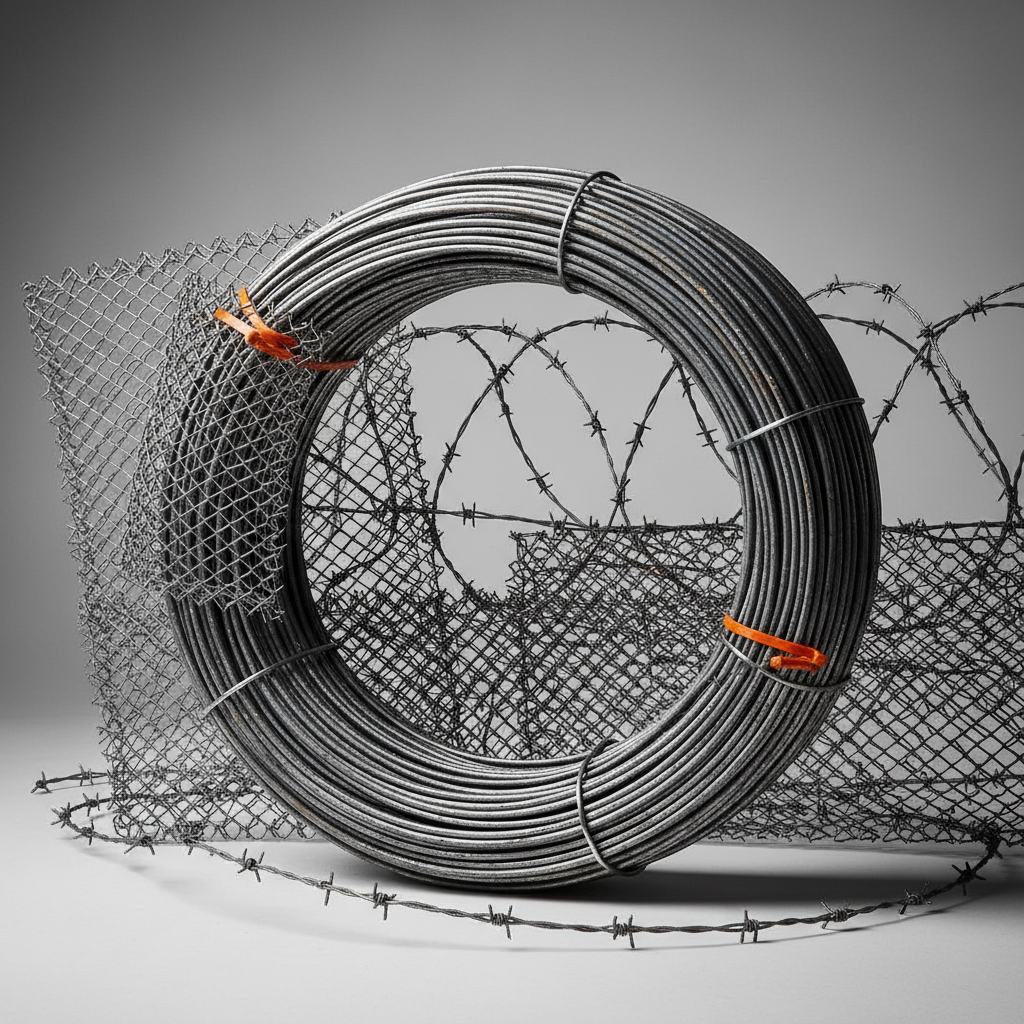
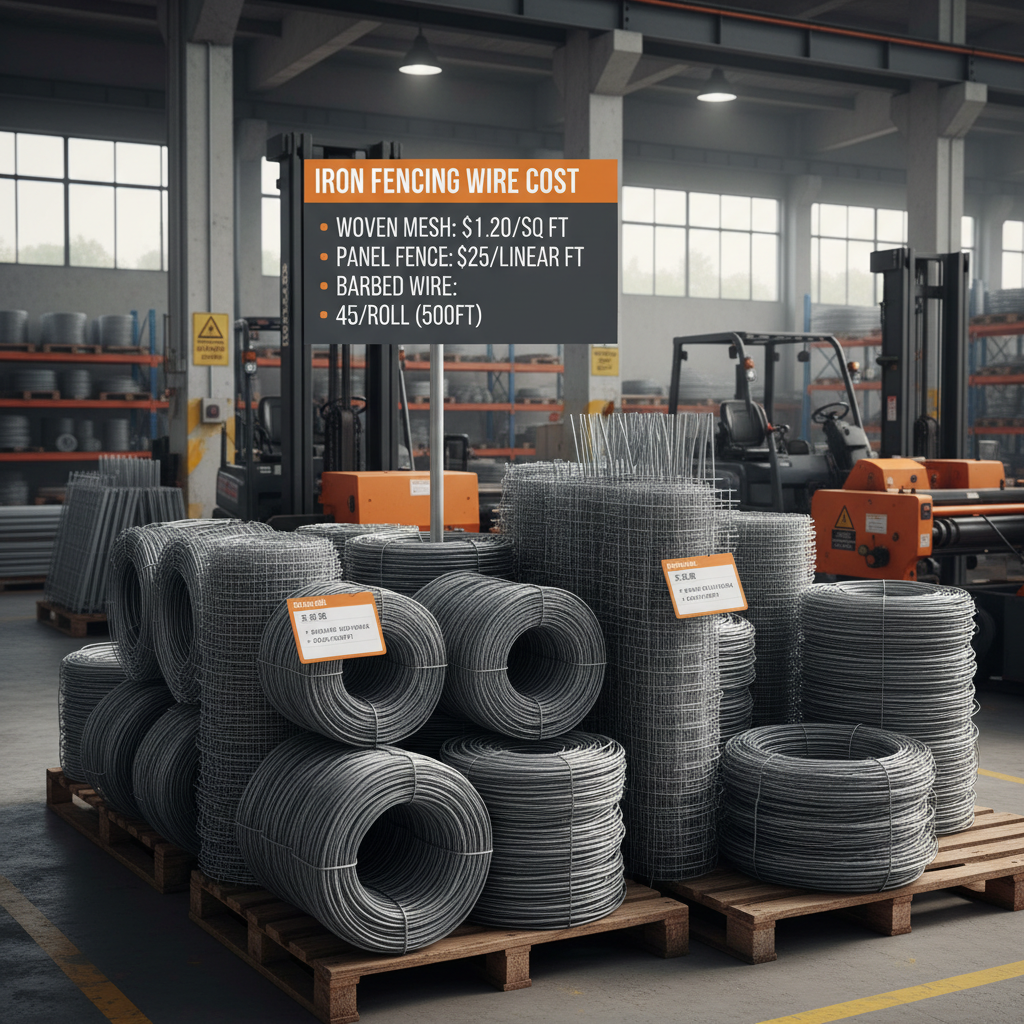
In the diverse landscape of industrial fastening and structural support, the utilization of black tie wire represents a fundamental intersection of simplicity and strength. Across global manufacturing sectors, the demand for reliable binding solutions that can withstand rigorous environmental stress remains a priority for engineers and project managers alike. Understanding the nuances of these materials allows industries to optimize their procurement and installation processes.
From the stabilization of construction frameworks to the secure packaging of heavy industrial components, the versatility of black tie wire ensures that structural integrity is maintained under pressure. As global infrastructure projects expand in complexity, the reliance on high-quality iron and steel wire products has grown, necessitating a deeper look into the materials and weaving patterns that define their performance.
By integrating various materials such as galvanized iron and stainless steel, the industry provides specialized solutions for diverse needs. Whether you are seeking heavy-duty reinforcement or light-duty binding, selecting the right black tie wire is essential for ensuring long-term durability and operational safety in demanding environments.
Material Composition of Black Tie Wire
The effectiveness of black tie wire is primarily determined by its base material. Options range from standard black iron wire for basic binding to galvanized iron wire for enhanced rust prevention. For more extreme environments, PVC-coated wire provides an extra layer of protection, while stainless steel grades—including 301, 302, 304, 304L, 316, 316L, and 321—offer unmatched corrosion resistance.
Choosing the correct material ensures that the wire can handle the specific chemical and physical stresses of the worksite. For instance, while black iron wire is cost-effective for indoor applications, stainless steel variations are mandatory for marine or highly acidic industrial settings to prevent premature failure.
Weaving Patterns and Structural Integrity
Structural stability in wire products is often achieved through specific weaving techniques. In the context of crimped mesh and black tie wire systems, patterns such as "weaving after crimping," "double crimped," and "single crimped" are utilized to create a rigid framework. These patterns determine how the wire interacts under load, preventing shifting and maintaining the shape of the mesh.
Double crimping, for example, provides a tighter lock between the intersecting wires, which is critical for screening in coal factories and mines where heavy materials are constantly moving across the surface. This structural rigidity ensures that the product does not deform under repetitive impact.
By manipulating these weaving patterns, manufacturers can tailor the flexibility and strength of the wire. This allows the product to be used in diverse scenarios, from flexible binding tasks to rigid industrial filtration and screening systems.
Technical Features and Performance
The core performance of black tie wire is defined by its ability to remain stable under varying temperatures and environmental conditions. Heat resistance is a critical feature, allowing these wires to be used in heating device screens without losing their tensile strength.
Furthermore, the corrosion resistance of the material ensures that black tie wire does not degrade when exposed to moisture or chemicals. This makes it an ideal choice for ventilation grids and outdoor fences where constant exposure to the elements is inevitable.
Safety is also a primary consideration; the use of non-poisonous and tasteless materials ensures that the wire can be handled safely by workers and can be implemented in environments where chemical leaching must be avoided.
Load Capacity and Classification
Depending on the wire gauge and the intended load, these products are generally separated into heavy-type and light-type categories. Heavy-type wires are engineered for high-stress environments, such as highway fences and stone sorting, where the weight of the material can be substantial.
Light-type variations are better suited for garden fences, lift enclosures, and electrical device shielding, where the priority is precise fitting and lightweight installation rather than extreme weight bearing.
Performance Ratings of Black Tie Wire Variants
Global Industrial Applications
The applications of black tie wire and its crimped mesh variants are vast and global. In the mining and energy sectors, they are indispensable for coal and stone sorting, acting as the primary filter for separating raw materials. These screens must withstand constant abrasion and heavy tonnage, highlighting the need for precise wire gauges.
Beyond heavy industry, these products are integrated into urban infrastructure. From city street design and highway fencing to the construction of floors and stairs in industrial plants, the versatility of these wires allows them to function as both structural support and safety barriers.
Long-Term Value and Reliability
Investing in high-grade black tie wire provides significant long-term value by reducing the frequency of replacements. When a material is correctly matched to its environment—such as using stainless steel 316L in a corrosive chemical plant—the lifespan of the installation is extended by years, lowering the total cost of ownership.
Reliability also manifests in the form of safety. In sectors like lift fencing or electrical device shielding, a failure in the wire mesh could lead to catastrophic accidents. The consistent tensile strength and "keeping form" capabilities of quality crimped wire ensure that safety standards are rigorously met.
Moreover, the ability to customize specifications allows companies to innovate. By adjusting the aperture and wire diameter, engineers can create more efficient filters for trucks and tractors, improving machine performance and reducing downtime in agricultural and transport sectors.
Specification Standards and Logistics
Maintaining strict specification standards is the only way to ensure that black tie wire performs consistently across different batches. Parameters such as SWG (Standard Wire Gauge) and precise millimeter diameters are tracked to ensure that the aperture size remains consistent, which is vital for calibration and screening processes.
Logistics play a key role in preserving the quality of the wire during transit. The use of plastic inner linings and woven bag outer layers, often supplemented by waterproof paper, ensures that the iron wire does not oxidize or suffer from moisture damage before it reaches the customer.
Customization in packaging according to customer requirements further enhances the utility, allowing for easier handling and storage on large-scale construction sites or in industrial warehouses.
Technical Specifications of Crimped Wire Mesh and Black Tie Wire Variants
| Wire Gauge (SWG) |
Diameter (mm) |
Aperture (mm) |
Weight (Kg/m2) |
| 14 |
2.0 |
21 |
4.2 |
| 8 |
4.05 |
18 |
15 |
| 25 |
0.50 |
20 |
0.61 |
| 23 |
0.61 |
18 |
3.4 |
| 23 |
0.55 |
16 |
2.5 |
| 12 |
0.14 |
19 |
2.3 |
FAQS
For outdoor use, galvanized iron wire or stainless steel (grades 304 or 316) are highly recommended. Galvanized wire offers a protective zinc coating to prevent rust, while stainless steel provides superior long-term corrosion resistance, especially in coastal or humid environments. PVC-coated options are also excellent for added durability and aesthetic consistency.
Single crimped mesh involves a single bend in the wire, providing a balance of flexibility and strength. Double crimped mesh features two bends per wire intersection, which creates a much tighter and more rigid structure. This makes double crimped variants ideal for heavy-duty screening and high-load industrial applications where stability is paramount.
Yes, provided that stainless steel (such as 304 or 316L) is used. These materials are non-poisonous, tasteless, and highly resistant to contamination. They are frequently used in filters and screens for industries that require strict hygiene standards, ensuring that no harmful chemicals leach into the processed materials.
Choosing the right gauge depends on the intended load and the size of the aperture needed. Heavy-type applications (like stone sorting) require thicker diameters (e.g., 4.05mm), whereas light-type applications (like garden fencing) can utilize thinner wires (e.g., 0.50mm). Always refer to the weight per square meter to estimate the overall strength of the mesh.
It depends on the environment. Galvanization is generally more cost-effective and provides excellent protection against oxidation. PVC coating, however, adds a layer of impact resistance and can be customized in color. PVC is better for areas where the wire might be subject to physical abrasion or where a specific visual finish is required.
To prevent moisture damage, wires are typically wrapped in plastic internally and then placed in heavy-duty woven bags. Waterproof paper is often added as an extra layer of protection. We also offer customized packaging to meet the specific logistics and unloading requirements of our international clients.
Conclusion
In summary, the utility of black tie wire and associated crimped mesh products stems from a precise combination of material science and engineering. By selecting between galvanized iron, stainless steel, or PVC-coated options and utilizing specific weaving patterns like double crimping, industries can ensure their structures are durable, safe, and efficient. From the depths of a coal mine to the boundaries of a city highway, these products provide the essential strength required for modern industrial stability.
As we look toward the future, the integration of more sustainable materials and tighter manufacturing tolerances will continue to enhance the reliability of these binding solutions. We encourage project managers and engineers to prioritize material compatibility and specification accuracy to maximize the lifespan of their installations. For high-quality industrial wire solutions, visit our website: www.yjdwiremesh.com.