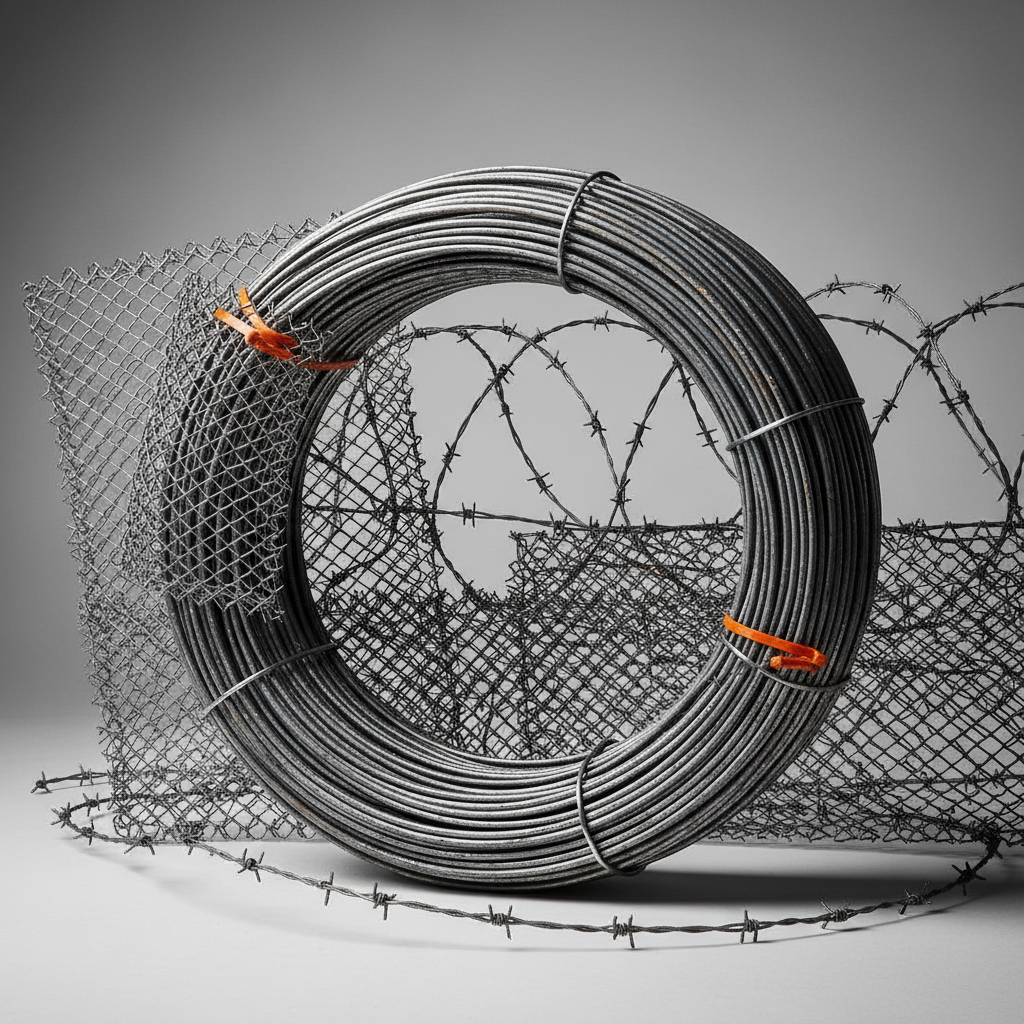
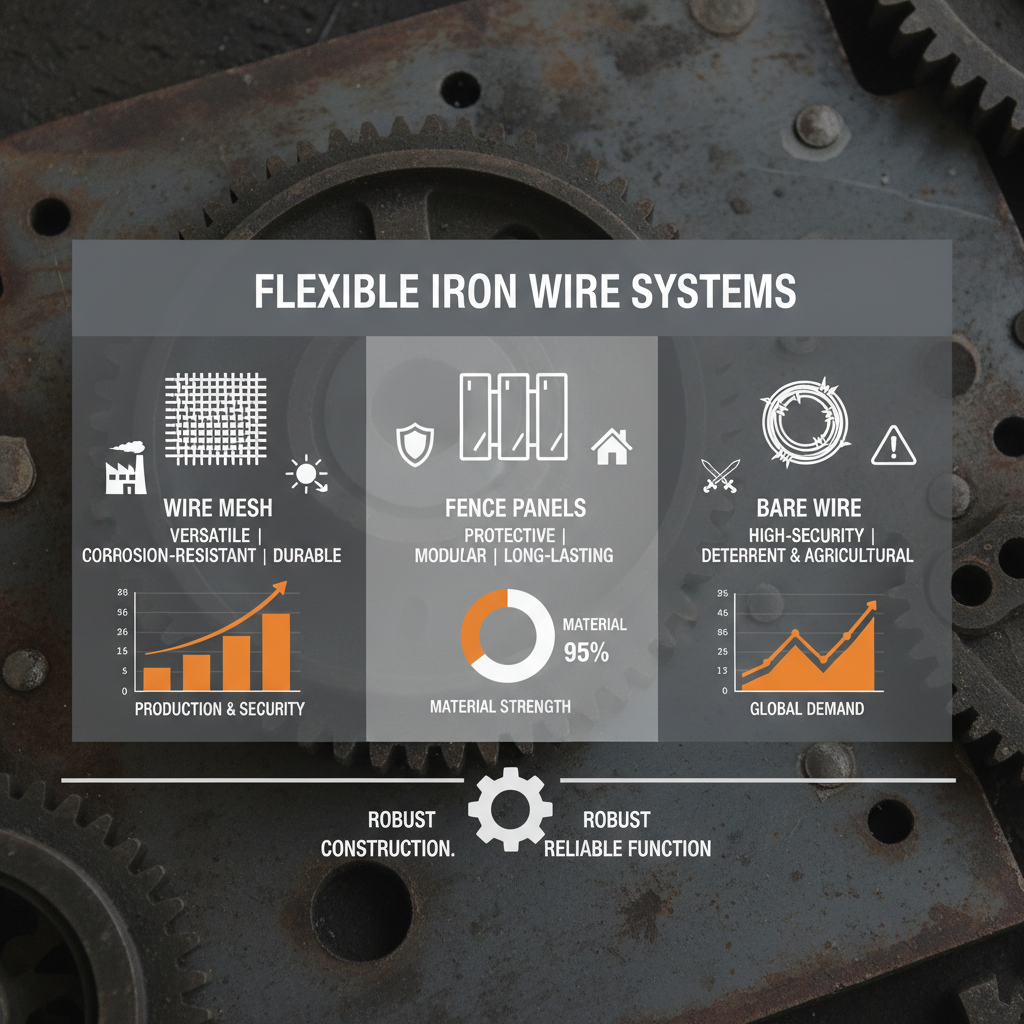
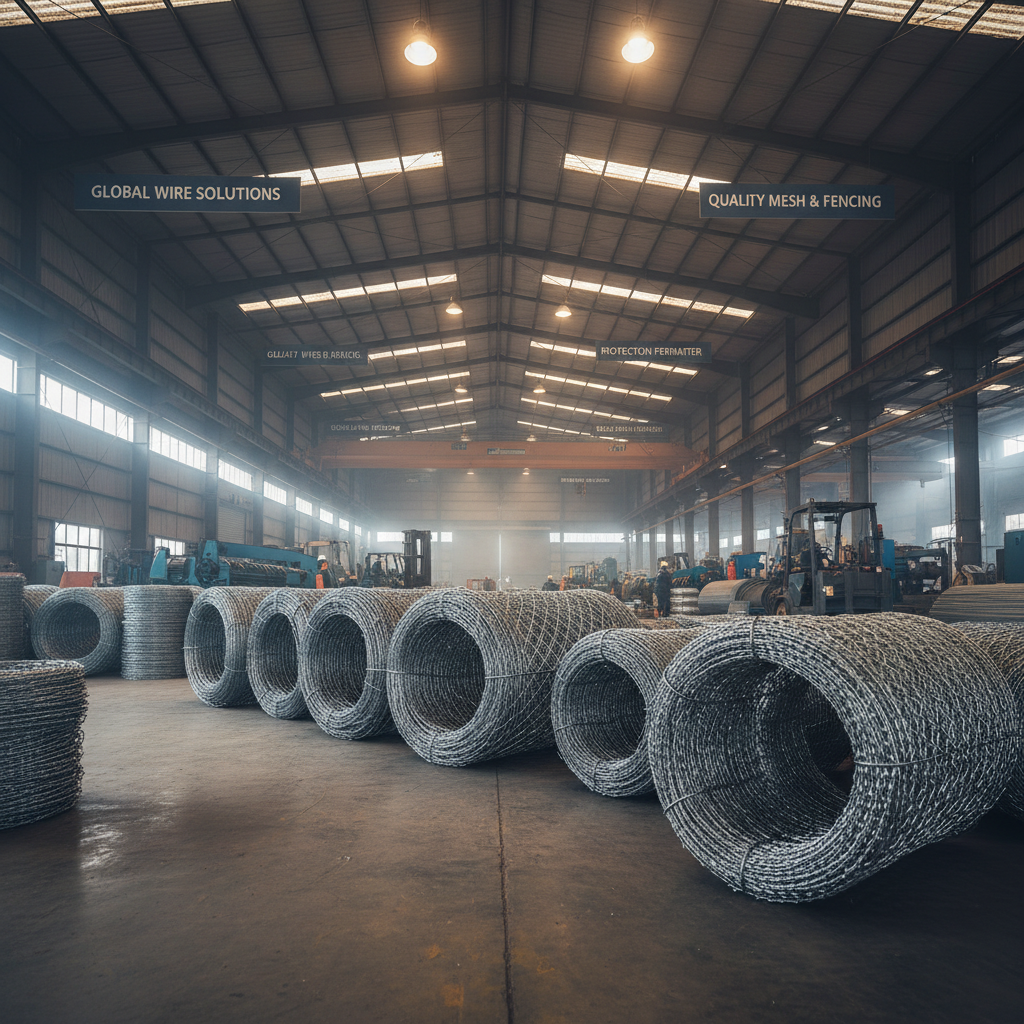
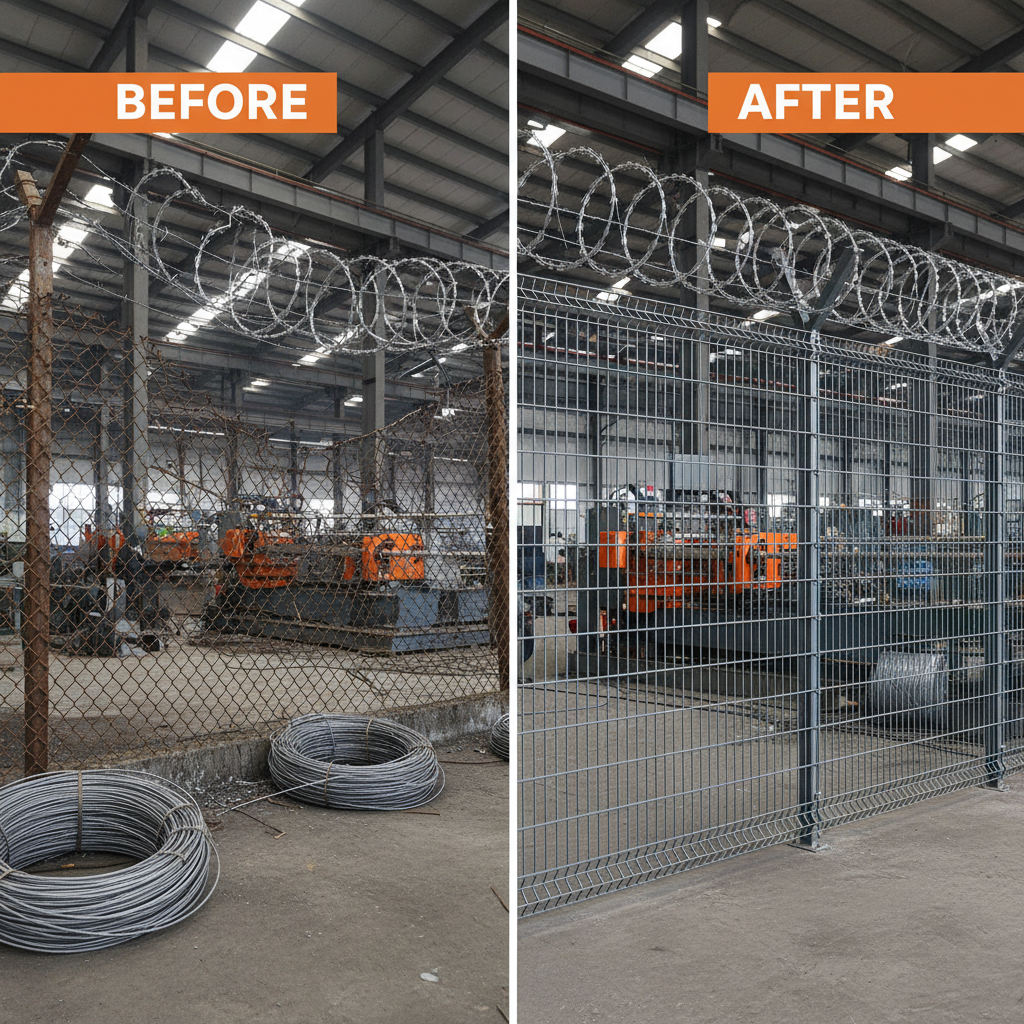
Flexible iron wire, a versatile material prized for its malleability and strength, plays a crucial role in a surprisingly wide range of applications globally. From reinforcing concrete structures to crafting intricate artisanal designs, its adaptability makes it indispensable in modern industry and everyday life. Understanding its properties, manufacturing processes, and potential innovations is becoming increasingly important as demand grows across various sectors.
The global market for iron wire, including flexible variants, is substantial and continues to expand, driven by construction booms in emerging economies, increasing infrastructure investments, and the growing popularity of DIY projects. According to data from the World Steel Association, global steel production – the raw material for iron wire – reached nearly 1.9 billion tonnes in 2022. This robust production capacity directly supports the demand for flexible iron wire.
Flexible iron wire addresses a critical need for adaptable building materials and component construction. It provides a cost-effective and reliable solution where rigid materials fall short, offering a unique combination of strength, flexibility, and ease of manipulation. This makes it pivotal for applications ranging from fencing and binding to specialized industrial uses and even artistic endeavors.
The Importance of Flexible Iron Wire
Flexible iron wire isn't just a simple material; it’s a foundational element in countless processes and products. Its unique ability to maintain structural integrity while being easily bent and shaped makes it ideal for applications where precision and adaptability are paramount. Consider its role in electrical cabling, where it provides both support and insulation, or in the agricultural sector, where it’s used to create trellises and support plant growth.
The widespread use of flexible iron wire demonstrates its significance across diverse fields. Understanding its characteristics, and the evolving technologies that refine its production, is crucial for professionals and consumers alike. Its continued relevance hinges on innovative applications and sustainable manufacturing practices.
Global Relevance & Industry Context
The global demand for flexible iron wire is closely tied to the health of several key industries, including construction, agriculture, manufacturing, and energy. Rapid urbanization in developing nations, particularly in Asia and Africa, drives significant demand for construction materials, where flexible iron wire is used extensively in reinforcing concrete, creating fencing, and securing structural elements. This has led to a substantial increase in iron wire production and trade over the past decade.
ISO standards, such as ISO 9001 for quality management and ISO 14001 for environmental management, are increasingly important in the iron wire industry, ensuring consistent product quality and responsible manufacturing practices. Compliance with these standards is essential for companies seeking to compete in the global market. The United Nations Sustainable Development Goals (SDGs) also influence the industry, promoting sustainable production and consumption patterns.
A significant challenge facing the industry is the volatility of raw material prices, particularly iron ore and energy costs. Fluctuations in these prices can impact production costs and profitability. However, technological advancements in wire drawing and coating processes are helping to mitigate these challenges and improve efficiency, making flexible iron wire more accessible and affordable.
Defining Flexible Iron Wire
Flexible iron wire is essentially iron wire that has been processed to enhance its ductility, allowing it to be bent and shaped without fracturing. This is typically achieved through a combination of chemical composition control, cold working (drawing), and annealing processes. The resulting wire retains significant tensile strength while offering the flexibility needed for a variety of applications.
Its connection to modern industry extends far beyond simple binding. Flexible iron wire is integral to the production of electrical cables, providing both structural support and electrical conductivity. In the automotive industry, it’s used in harnesses and components that require high flexibility and durability. Even in medical applications, specialized flexible iron wire is used in surgical instruments and implants.
Humanitarian needs are also often met by flexible iron wire. In disaster relief scenarios, it is quickly deployed for constructing temporary shelters, reinforcing damaged structures, and creating secure perimeters. Its availability, affordability, and ease of use make it an invaluable resource in emergency situations.
Key Properties of Flexible Iron Wire
One of the most crucial properties of flexible iron wire is its Tensile Strength. This determines its ability to withstand pulling forces without breaking, critical for structural applications like fencing and reinforcement. Another key aspect is Ductility, which refers to its ability to be drawn into a wire, and subsequently bent and formed.
Furthermore, Corrosion Resistance is vital, especially for outdoor applications. Galvanization (coating with zinc) is a common method to enhance this property. Weldability also comes into play in certain industrial uses where joining the wire to other metals is necessary. Finally, Formability, which is the ease with which it can be shaped into complex designs, is critical for artistic and specialized applications.
Flexible Iron Wire Properties Comparison
Applications Across Industries
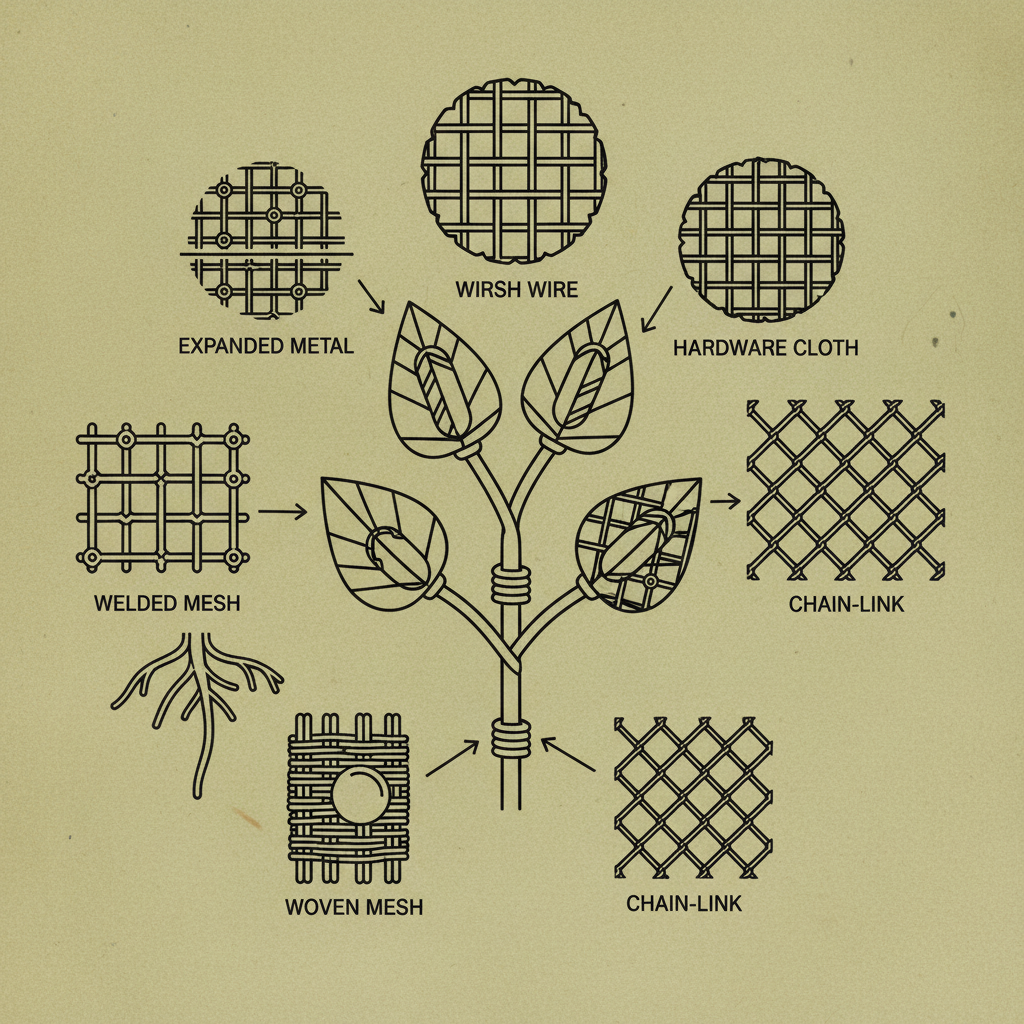
In the construction sector, flexible iron wire is extensively used in the production of wire mesh for reinforcing concrete, creating precast elements, and securing formwork. Agriculture relies on it for constructing trellises for vines and supporting climbing plants.
The automotive industry utilizes flexible iron wire in the manufacturing of wire harnesses, seat frames, and other components requiring both strength and flexibility. Furthermore, its use is expanding in the renewable energy sector, particularly in the construction of wind turbine towers and solar panel mounting structures.
Benefits & Long-Term Value
The benefits of employing flexible iron wire are numerous. Economically, it represents a cost-effective solution compared to other materials like stainless steel, offering comparable strength at a lower price point. Sustainably, while iron production itself has an environmental impact, the longevity and recyclability of iron wire contribute to reduced waste.
Socially, its ease of use and adaptability empower local communities, particularly in disaster relief and infrastructure development projects. Reliability is also a significant advantage; properly treated flexible iron wire can withstand harsh environmental conditions and provide decades of service, enhancing the safety and durability of structures and systems.
Future Trends & Innovations
Future trends in flexible iron wire production point towards increased automation and the use of advanced materials. Research is underway to develop high-strength, lightweight iron alloys with improved corrosion resistance. Nanotechnology is also being explored to enhance the wire's properties at a molecular level, potentially leading to even greater durability and performance.
The integration of digital technologies, such as IoT sensors embedded within wire mesh structures, is another emerging trend. These sensors can monitor stress levels, detect corrosion, and provide real-time data for predictive maintenance. The increasing focus on green energy and sustainable construction will also drive demand for eco-friendly iron wire manufacturing processes.
Ultimately, the future of flexible iron wire is inextricably linked to innovation and sustainability. By embracing new technologies and materials, the industry can continue to deliver reliable, cost-effective, and environmentally responsible solutions for a wide range of applications.
Summary of Future Trends and Their Impact
| Trend |
Impact on Performance |
Impact on Sustainability |
Adoption Rate (1-10) |
| Advanced Alloy Development |
Increased strength & durability |
Potential for reduced material usage |
6 |
| Nanotechnology Integration |
Enhanced corrosion resistance |
Reduced environmental impact |
4 |
| Automated Manufacturing |
Improved precision & consistency |
Reduced energy consumption |
8 |
| IoT Sensor Integration |
Real-time performance monitoring |
Extended product lifespan |
5 |
| Bio-Based Coatings |
Environmentally friendly corrosion protection |
Reduced reliance on synthetic materials |
3 |
| Recycled Iron Utilization |
Maintains structural integrity |
Reduced carbon footprint |
7 |
FAQS
Galvanized flexible iron wire is coated with zinc to provide corrosion resistance, making it suitable for outdoor applications where exposure to the elements is expected. It's a cost-effective solution, but the zinc coating can eventually wear away. Stainless steel wire offers superior corrosion resistance due to its chromium content, but is significantly more expensive. The best choice depends on the specific application and budget.
Generally, as the diameter of flexible iron wire increases, so does its tensile strength. A larger diameter wire has more material resisting the pulling force. However, it also becomes less flexible. There's a trade-off between strength and flexibility that needs to be considered when selecting the appropriate wire diameter for a particular application.
Store flexible iron wire in a dry, well-ventilated area to prevent moisture buildup, which accelerates corrosion. If possible, keep it covered and away from direct sunlight. For long-term storage, consider applying a light coat of oil to create a protective barrier. Avoid storing it in contact with other metals that could cause galvanic corrosion.
Yes, flexible iron wire is highly recyclable. It's typically processed by scrap metal recyclers who melt it down and reuse the iron to create new products. The recycling process conserves resources and reduces the environmental impact of iron production. Be sure to remove any coatings or attachments before recycling.
Always wear appropriate safety glasses and gloves when handling flexible iron wire, as the ends can be sharp. Be careful when cutting or bending the wire to avoid injuries. Use appropriate tools and follow proper techniques. If working with coated wire, be aware of any potential hazards associated with the coating material.
While standard flexible iron wire will corrode quickly in saltwater environments, specialized stainless steel grades or heavily galvanized wire are suitable for marine applications. The level of protection needed depends on the severity of the exposure. Regularly inspecting and maintaining wire used in marine environments is crucial to prevent failure.
Conclusion
Flexible iron wire remains a remarkably versatile and essential material across a diverse range of industries. From its fundamental role in construction and agriculture to its increasingly sophisticated applications in automotive and renewable energy, its adaptability, cost-effectiveness, and strength make it an invaluable component in countless projects. Understanding its properties, the evolution of manufacturing processes, and the drive toward sustainable practices are key to maximizing its potential.
Looking ahead, continued innovation in materials science and manufacturing techniques will further enhance the performance and sustainability of flexible iron wire. By embracing these advancements, the industry can address the evolving needs of a global market while minimizing its environmental impact. For further information on quality flexible iron wire solutions, visit our website today.