3D Wire Mesh Panel: Field Notes, Specs, and Real-World Buying Advice
If you’re shopping the perimeter fencing aisle (literal or metaphorical), the first thing worth clicking is the 3d wire mesh panel. I’ve toured a few factories over the years, and this format—V-bends for rigidity, clean welds, reliable zinc coat—keeps coming back as the sweet spot between price and lifespan. Origin-wise, this one is made in Shenze, Shijiazhuang, Hebei, China, a region that, frankly, lives and breathes building materials.
What’s moving the market
Demand is shifting toward fast-install fence systems that pass safety audits without ballooning costs. In fact, contractors tell me they want panels that keep shape after transport, welds that don’t snap under minor abuse, and coatings that survive coastal vapor. The 3d wire mesh panel format checks those boxes, especially for logistics yards, substation perimeters, schools, and solar farms.
Key specs (real-world, not brochure-speak)
| Parameter | Typical Value |
|---|---|
| Wire diameter | Ø3.0 mm (option: ≈3.8 mm) |
| Base material | Carbon steel wire, KSM O802 licensed |
| Tensile strength | ≈60–120 kg/cm² (supplier data; field results may vary) |
| Coating | Zinc-coated (galvanized), options for powder topcoat |
| Mesh aperture | Popular: 50×200 mm; custom on request |
| Panel size | H: 1.2–2.4 m; L: 2.0–3.0 m (customizable) |
Process flow (how it’s actually made)
- Material in: KSM O802-licensed steel wire is sourced and batch-traced.
- Straighten & cut: automated lines keep ±1.0 mm tolerance on cut length (typical).
- Resistance welding: consistent weld nuggets; sample shear tests per lot.
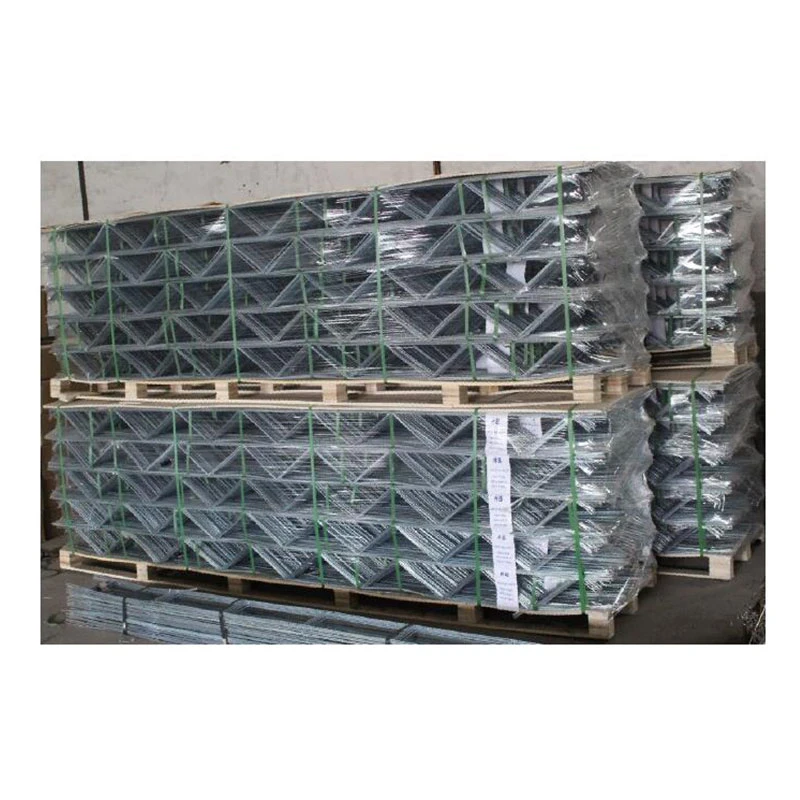
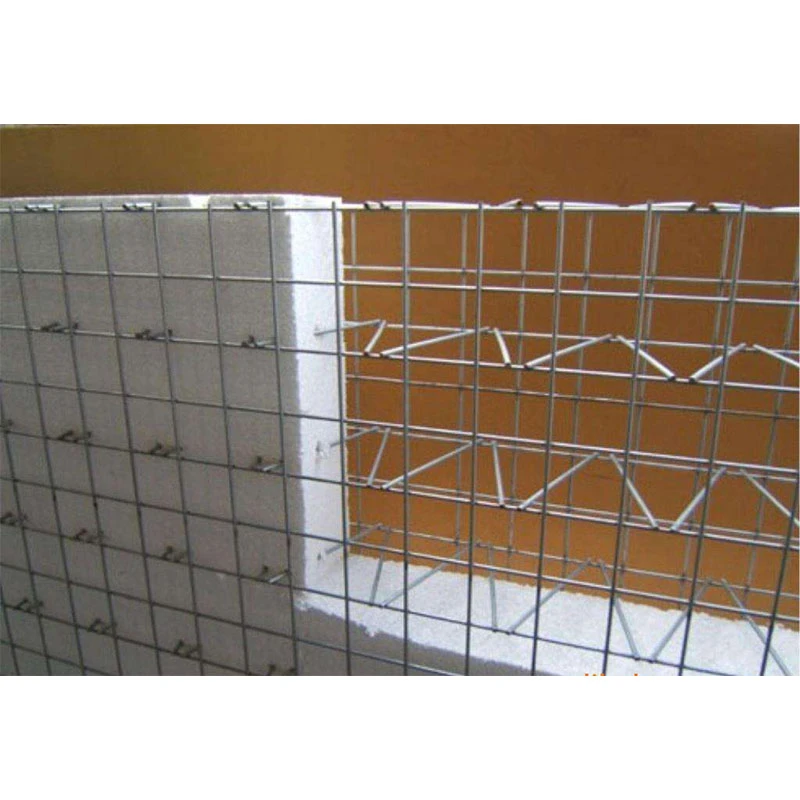
- 3D bending: V-press adds ribs for stiffness without piling on weight.
- Coating: zinc coating per EN 10244-2 or ASTM A641 practice; optional polyester powder topcoat.
- QC & testing: adhesion cross-hatch, salt-spray spot checks (e.g., 120–240 h internal benchmark).
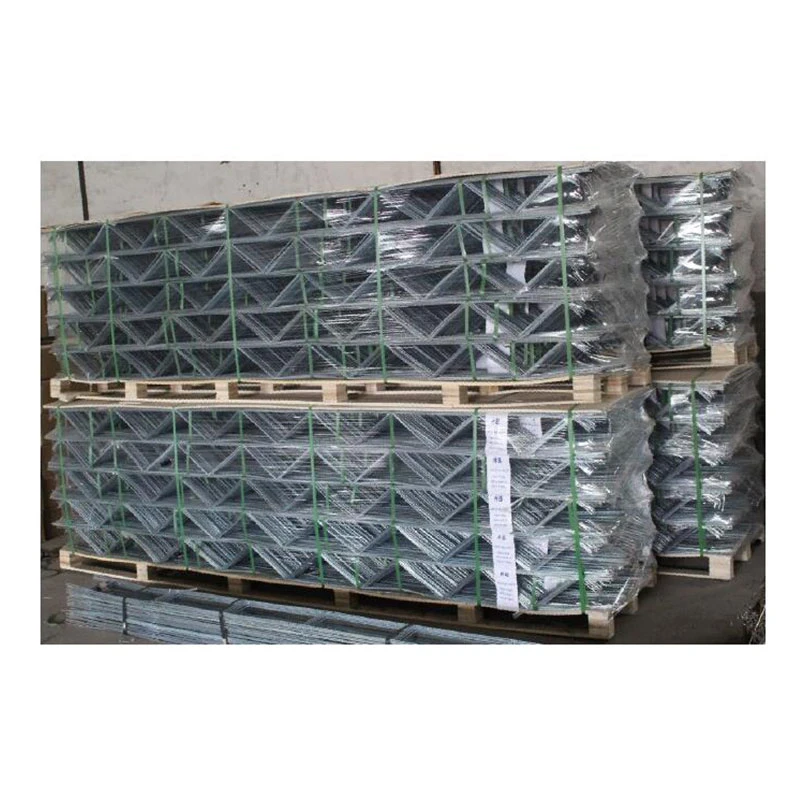
- Packing: edge protectors, film wrap, steel straps; export-ready pallets.
Use cases I keep seeing
Warehouses and DCs, transit yards, school boundaries, sports courts, light industrial lots, temporary site hoarding (with clamp posts), animal enclosures, and solar PV perimeters. The 3d wire mesh panel gives a neat, modern look without the headache of custom fabrication.
Vendor snapshot (apples-to-apples, as far as possible)
| Vendor | Origin | Coating | Lead Time | Certs |
|---|---|---|---|---|
| YJD Wire Mesh (this product) | Hebei, China | Zinc; optional powder | ≈10–20 days | ISO 9001; test reports on request |
| Vendor B (EU) | EU | Hot-dip + powder | ≈3–5 weeks | ISO 1461, CE DoP |
| Vendor C (US) | USA | Pre-galv + powder | ≈2–4 weeks | ASTM A641/A653 |
Customization and service life
Custom mesh apertures, wire diameters (3.0–3.8 mm common), colors (RAL), and post systems are typical. In C2–C3 environments, I’ve seen the 3d wire mesh panel last ≈10–15 years; with thicker zinc or duplex powder, extend that further. Always ask for salt-spray or ISO 9227 results for apples-to-apples comparison.
Case notes from the field
- Southeast Asia logistics park: 2.1 m panels, 50×200 mesh, polyester topcoat; after 18 months—no visible rust at welds, according to site FM.
- School retrofit in coastal town: 1.8 m panels with anti-climb top rail; minor touch-ups after installation, otherwise stable through two monsoon seasons.
Testing and standards worth naming
Look for compliance or alignment with ASTM A641 (zinc-coated wire), EN 10244-2 (coating classes), ISO 1461 (hot-dip galvanizing), and ISO 9227 (salt spray). Many customers say a simple weld-shear check and cross-hatch adhesion test can predict headaches—or prevent them.
Sources
- ASTM A641/A641M – Zinc-Coated (Galvanized) Carbon Steel Wire
- EN 10244-2 – Steel wire and wire products: Non-ferrous metallic coatings
- ISO 1461 – Hot dip galvanized coatings on fabricated iron and steel articles
- ISO 9227 – Corrosion tests in artificial atmospheres: Salt spray tests