Roofing Nails: What Pros Are Actually Buying in 2025
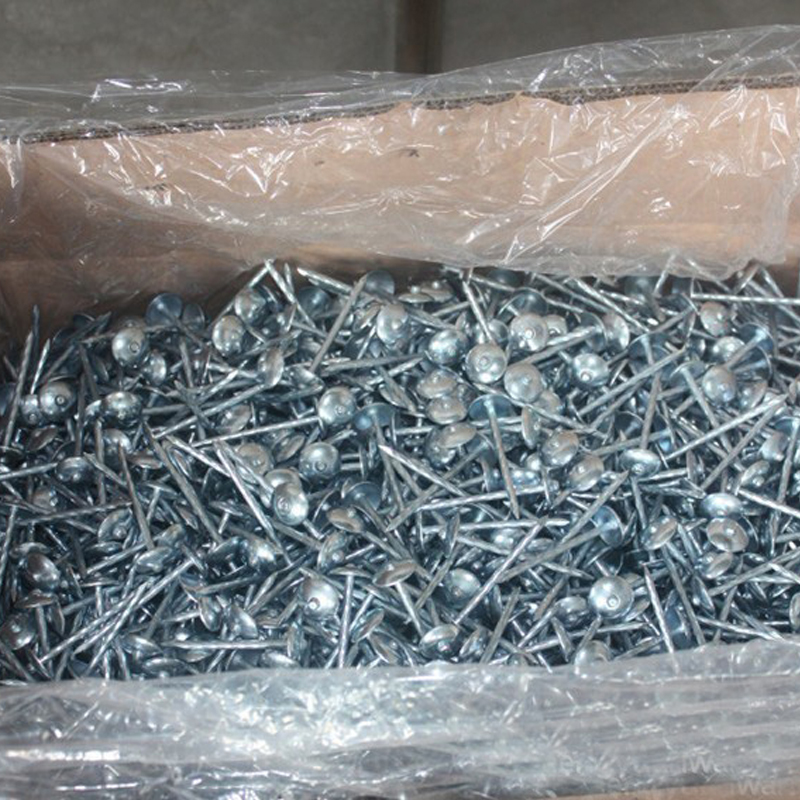
If you spend your days on roofs—or speccing materials for people who do—you already know the humble roofing nails are where leaks begin or end. The latest shift I’m seeing? Contractors leaning into heavier zinc coatings, umbrella heads with EPDM washers, and coil-collated nails for speed. From Shenze, Shijiazhuang, Hebei (China’s building material base), suppliers are churning out consistent lots that, frankly, have surprised some picky site managers.

Product snapshot and why umbrellas still matter
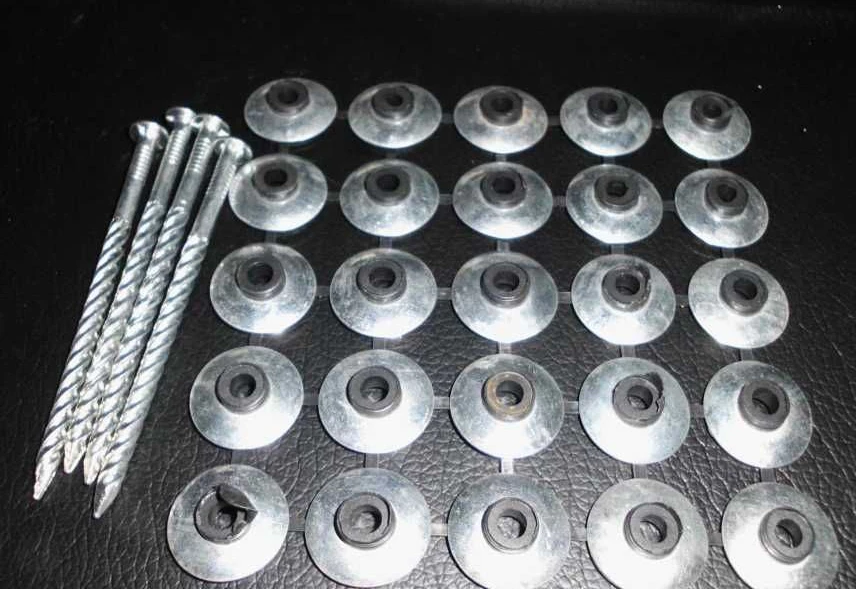
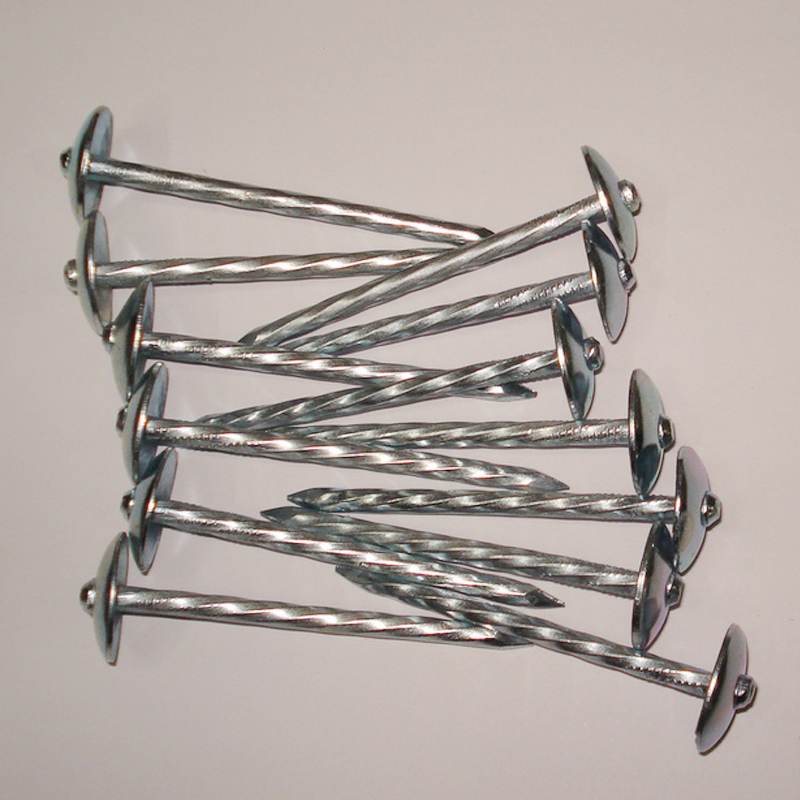
Umbrella-head roofing nails (typically 40–80 mm long) bite into wood fast and spread load so shingles or sheets don’t tear around the hole. The core material is carbon steel (commonly Q195/Q235), though stainless shows up in coastal jobs. Many customers say the slightly larger head gives them peace of mind on windy ridges—can’t fault that instinct.
Process flow (how they’re really made)
- Materials: low-carbon steel wire (Q195/Q235) or 304/316 stainless; optional EPDM/rubber washers.
- Methods: wire drawing → heat treatment → head forming (umbrella) → shank (smooth/ring/twisted) → point sharpening → surface finish (electro-galv or hot-dip galvanized; sometimes aluminum-zinc) → coil collation (if needed) → packaging.
- Testing: dimensions per ASTM F1667; coating thickness per ASTM A153 (HDG) or B633 (electro-galv); salt spray ASTM B117 (≈72–500 h depending on coating); pull-out in SPF per ASTM D1761; hardness checks.
- Service life: ≈10–25 years for HDG in normal inland climates; up to 30 years with stainless; coastal exposure may cut that to 5–15 unless stainless is used.
Typical specifications
| Parameter | Spec Range | Notes |
|---|---|---|
| Length | 40–80 mm (≈4–8 cm common) | Match deck thickness/sheet profile |
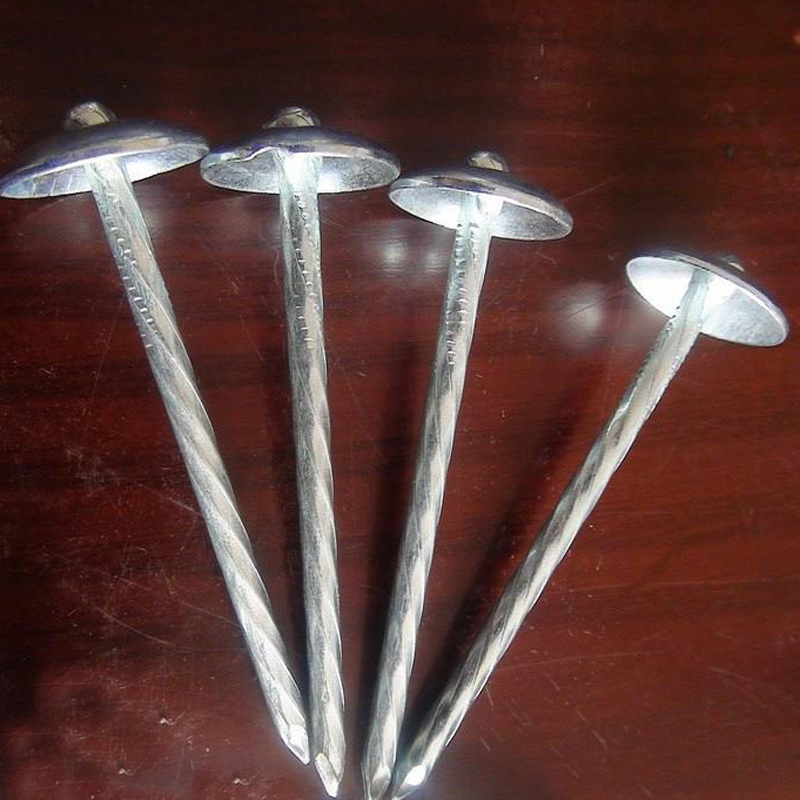
| Shank | Smooth / Ring / Twisted | Ring for higher pull-out in OSB |
| Head | Umbrella, 8–12 mm dia | Optional EPDM washer |
| Coating | EG (5–12 μm) / HDG (≥40 μm) | HDG for exterior; stainless for coastal |
| Standards | ASTM F1667, EN 14592 | Real-world use may vary |
Application scenarios and feedback
- Asphalt shingles and felt layers
- Corrugated metal or bitumen sheets (umbrella head + EPDM)
- Timber purlins on agro sheds; kiosks and light steel structures
Installers tell me ring-shank roofing nails reduce callbacks in high-wind areas. One crew logged ≈850–1,000 N average pull-out in SPF 2x with 25–35 mm embedment during shop testing—nothing fancy, just practical numbers.
Vendor comparison (quick take)
| Vendor | Strengths | MOQ | Lead Time | Certs | Price Index |
|---|---|---|---|---|---|
| YJD Wire Mesh (Shenze, Hebei) | HDG depth options, coil/bulk, EPDM washers, ISO 9001 | ≈1–3 tons | 2–4 weeks | ISO 9001; test reports | $ (value) |
| Global Brand A | Broad dealer network, stainless SKUs | Pallet | Stock–2 weeks | ISO; CE docs | $$$ |
| Local Mill B | Fast delivery, custom box labels | Flexible | 1–2 weeks | Factory CoC | $$ |
Customization options
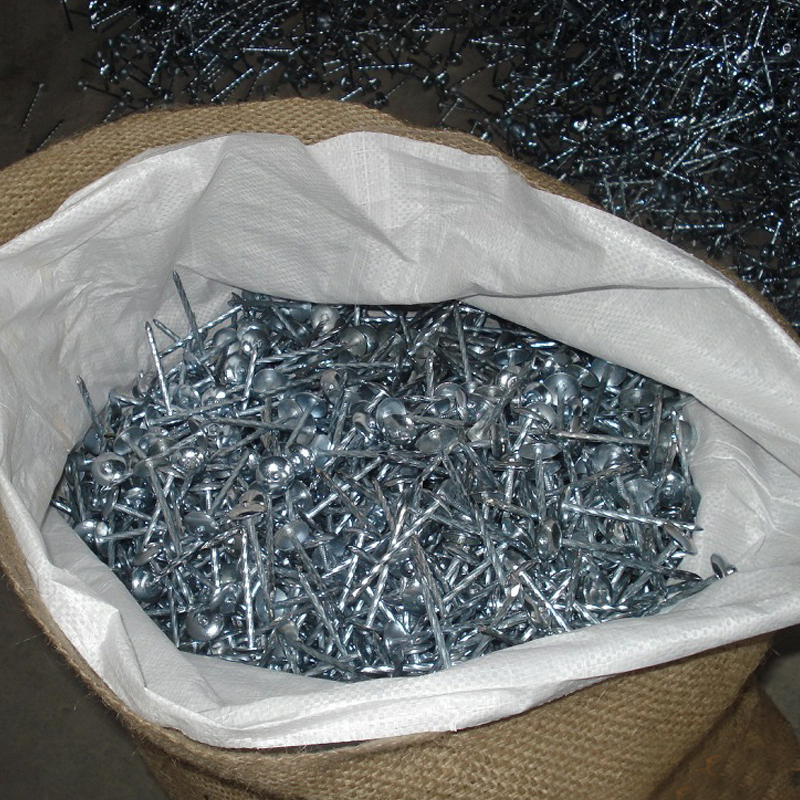
Head stamping (logo/date), ring vs. twisted shanks, HDG thickness targets, EPDM or rubber washer colors, coil angle (15°/16°), and retail pack vs. bulk. Origin is clearly marked: Shenze, Shijiazhuang, Hebei, China.
Mini case notes
- Coastal resort: HDG umbrella-head roofing nails with EPDM hit 480 h ASTM B117 without red rust on washers; maintenance crew signed off for another season.
- Agro sheds in East Africa: ring-shank, 50 mm with rubber washers—contractor reported fewer sheet rattles after storms.
Final advice
Match coating to climate, shank to substrate, and don’t skimp on head/washer when sheets can flutter. To be honest, that’s 90% of avoiding callbacks with roofing nails.
Authoritative references
- ASTM F1667 – Standard Specification for Driven Fasteners: Nails, Spikes, and Staples.
- ASTM A153/A153M – Zinc Coating (Hot-Dip) on Iron and Steel Hardware; and ASTM B633 – Electrodeposited Coatings of Zinc.
- ASTM B117 – Standard Practice for Operating Salt Spray (Fog) Apparatus.
- EN 14592 – Timber structures – Dowel-type fasteners – Requirements.