Roofing Nails: field notes, specs, and real-world picks
If you’ve ever stood on a roof with a gun in one hand and a box of roofing nails in the other, you know the difference between a good day and a leak starts at the fastener. Umbrella head, ring shank, coil collated—there’s more nuance than most brochures admit. Below is the practical rundown I wish more catalogs had.

What’s trending on site (and in the factory)
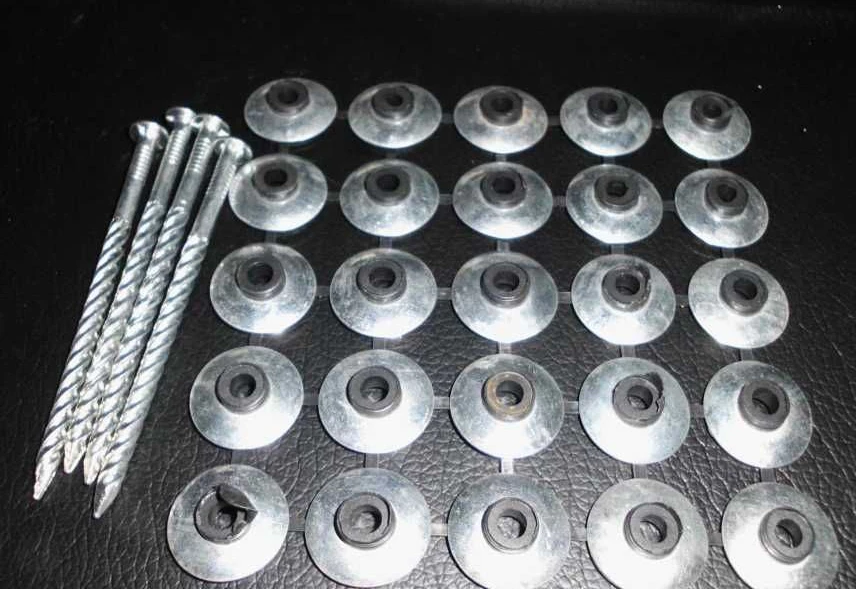
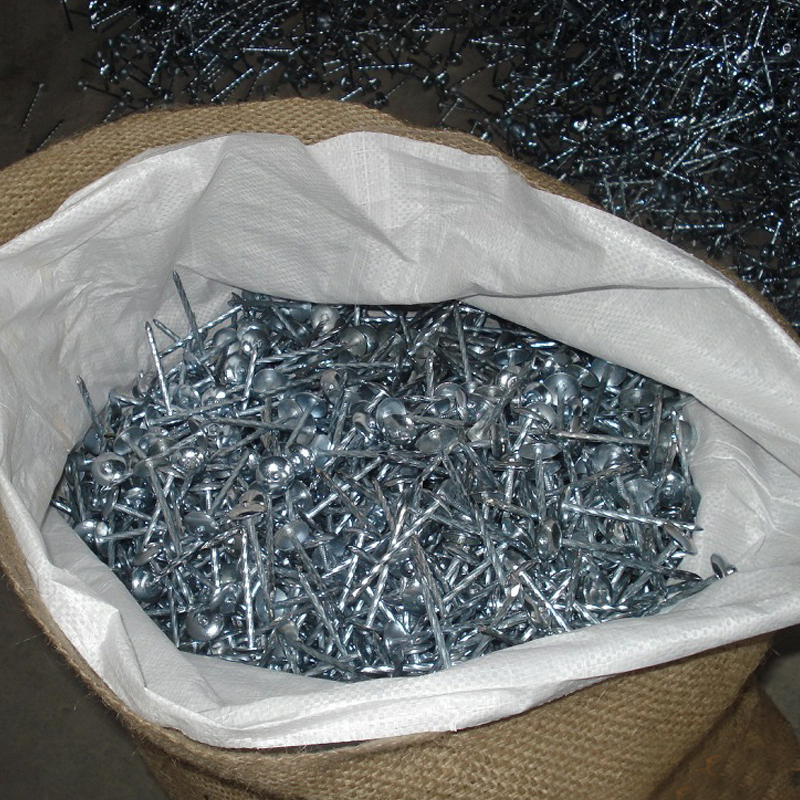
Two shifts I’m seeing: first, a steady move to coil-collated roofing nails for speed and consistent depth; second, tougher coatings. Coastal contractors push hot-dip galvanized or stainless, while inland crews still buy electro-galv to save costs. In Africa and Southeast Asia, umbrella-head nails with EPDM washers are booming—simple, effective, and surprisingly durable when the zinc is done right.
Origin matters, too. The Building Material Production Base in Shenze, Shijiazhuang, Hebei, China has become a hub—repeatable quality, sensible MOQs, and honest lead times. Many customers say the consistency is what keeps them coming back.
Materials, process, and testing (how they’re actually made)
- Wire: low-carbon steel (typ. Q195/Q235) for umbrella nails; stainless on request.
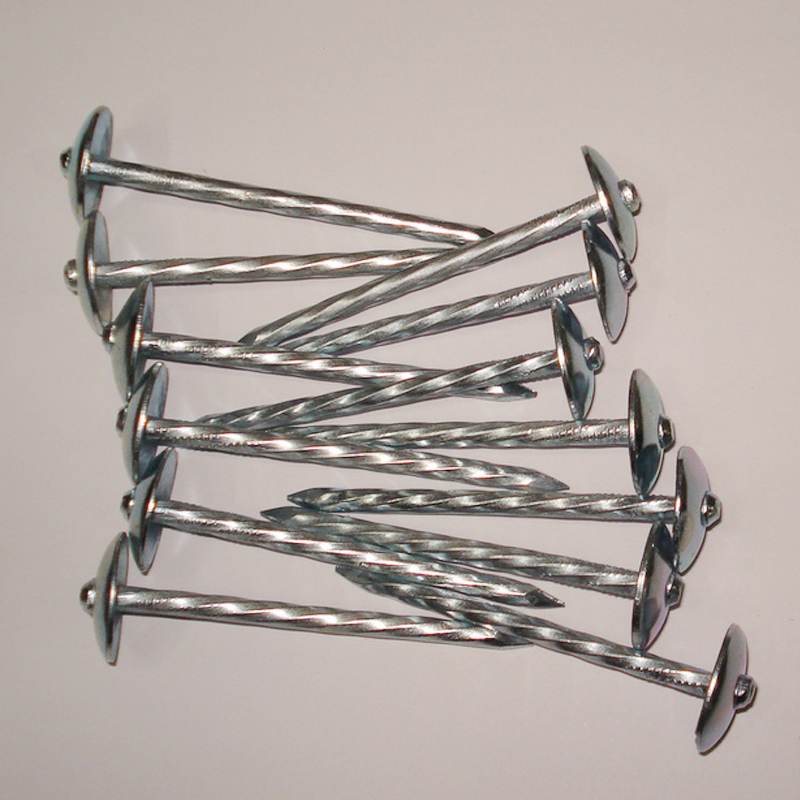
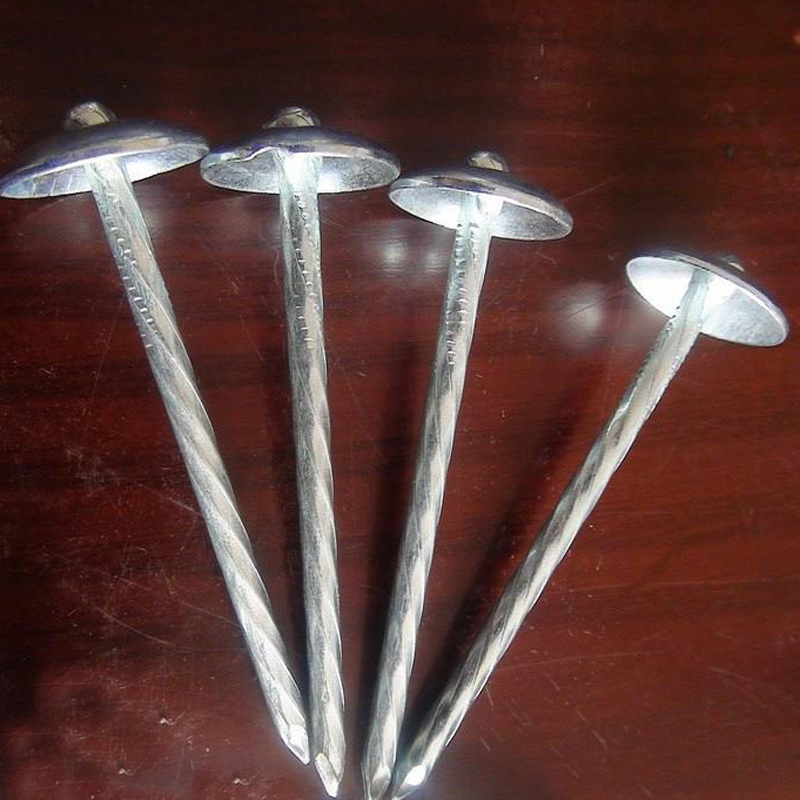
- Forming: cold heading umbrella head, shank rolling (smooth, ring, or twisted), diamond point.
- Surface: electro-galvanized (≈5–12 μm), hot-dip galvanized (≈45–80 μm), or mechanical zinc. Optional EPDM washer assembly and coil collation.
- Testing: dimensions to ASTM F1667; zinc thickness to ASTM A153 or ISO 1461 (as applicable); salt spray per ASTM B117; withdrawal per EN 1382. Factory QA logs are worth asking for.
- Service life (real-world, ≈): electro-galv 3–7 years mild inland; hot-dip 12–25 years; stainless 25+ years. Climate and timber acidity change the story.
Key specifications (what to order, roughly)
| Parameter | Typical Options (≈, real-world use may vary) |
|---|---|
| Length | 40–80 mm (4–8 cm common for umbrella type) |
| Shank diameter | 2.5–3.8 mm |
| Head | Umbrella 16–28 mm; standard flat 9–12 mm |
| Shank type | Smooth, ring, or twisted (ring = higher withdrawal) |
| Coating | Electro-galv, hot-dip galv, stainless; optional paint |
| Washer | EPDM or rubber, 12–16 mm OD |
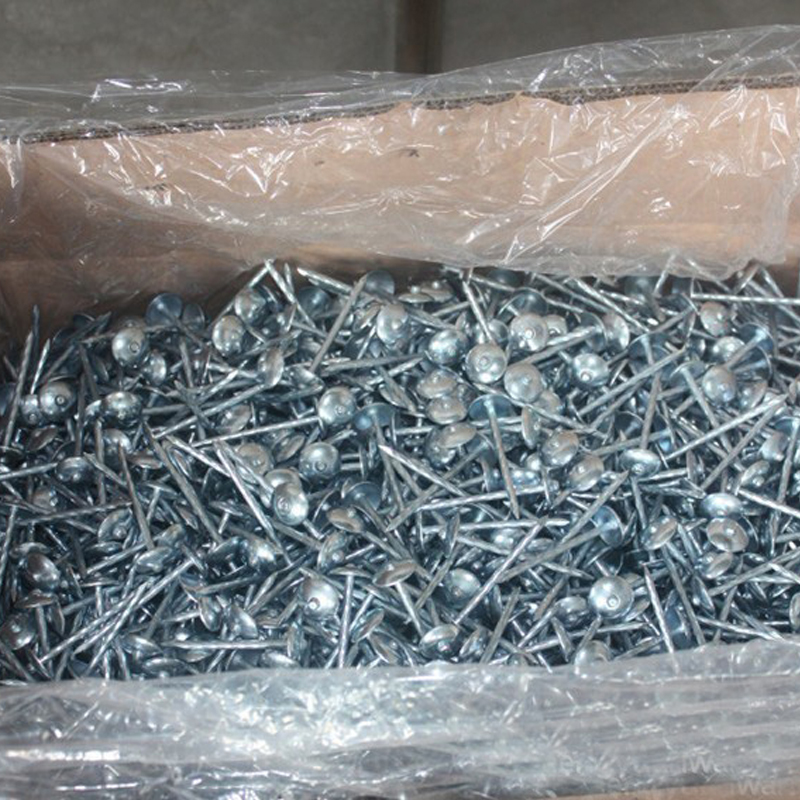
| Collation | Coil (wire-welded, 15°), or bulk |
| Standards | ASTM F1667, ASTM A153/ISO 1461, EN 14592 |
Where they shine
- Asphalt shingles, OSB/plywood decking, timber battens.
- Corrugated metal sheets—umbrella head + EPDM cuts leaks, especially on low-slope sheds.
- Agricultural roofs, site huts, light industrial cladding. Contractors tell me ring shank roofing nails reduce callbacks on windy sites.
Vendor snapshot (quick comparison)
| Vendor | MOQ | Customization | Lead Time | QC/Certs | Price |
|---|---|---|---|---|---|
| YJD Wire Mesh (Shenze, Hebei) | ≈ 1–5 tons | Head size, shank, coating, logo | 15–25 days | ISO 9001; test per ASTM/EN; salt-spray logs | $ |
| Generic importer | High/varies | Limited | 30–60 days | Basic COA | $–$$ |
| Local hardware brand | None (retail) | None | In stock | Retail grade | $$ |
Customization and field feedback
Popular tweaks: ring shank for high-wind zones, 70–80 mm length for corrugated sheets, hot-dip galvanizing for coastal sites, and EPDM washers that don’t chalk in the sun. A buyer in Mombasa told me their HDG umbrella roofing nails passed ≈480 h ASTM B117 without red rust. Another contractor reported ≈30–40% higher withdrawal vs smooth shank in SPF, aligning with EN 1382 trends.
Mini case files
- Rural clinics, Kenya: umbrella head + EPDM; leak complaints dropped near-zero after rainy season; crew liked the larger bearing area.
- Coastal pergolas, Florida: stainless ring shank; yes, pricey—but no tea-staining after 18 months, which is the point.
- Factory shed, Hebei: HDG coil-collated; installation time cut ≈22% vs bulk nails, fewer misfires than expected.
Bottom line: choose coating for climate, shank for holding power, head/washer for sealing. And ask for the test sheets—good suppliers won’t blink.
Authoritative references
- ASTM F1667 – Driven Fasteners: Nails, Spikes, and Staples
- ASTM A153/A153M – Zinc Coating (Hot-Dip) on Iron and Steel Hardware
- ISO 1461 – Hot dip galvanized coatings on fabricated iron and steel
- ASTM B117 – Salt Spray (Fog) Testing
- EN 14592 – Timber fasteners
- EN 1382 – Withdrawal capacity of timber fasteners