Climbing Vine Rack 40/60cm: a small upgrade that saves a whole season
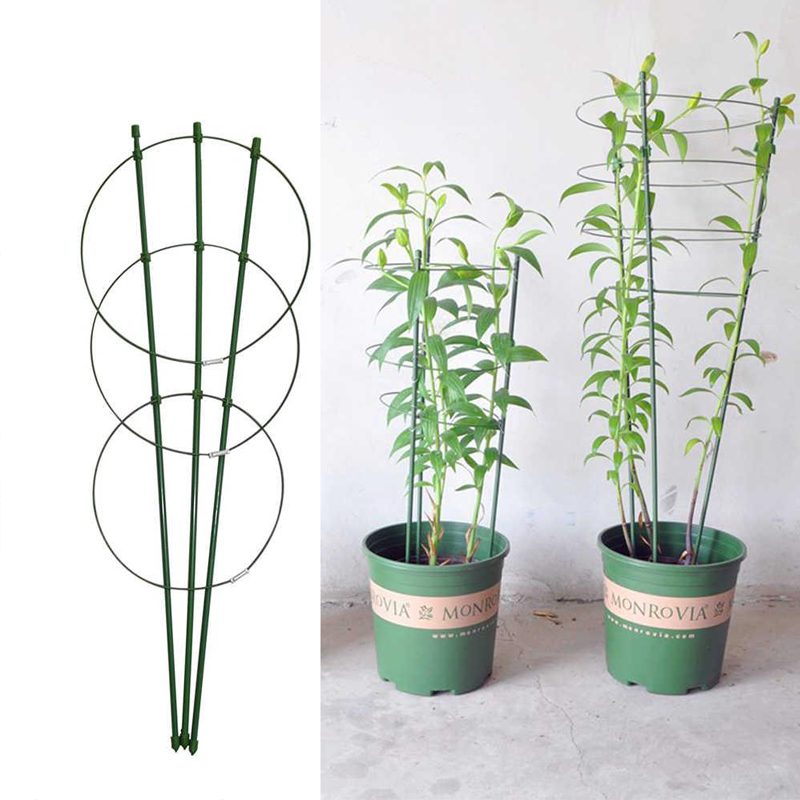
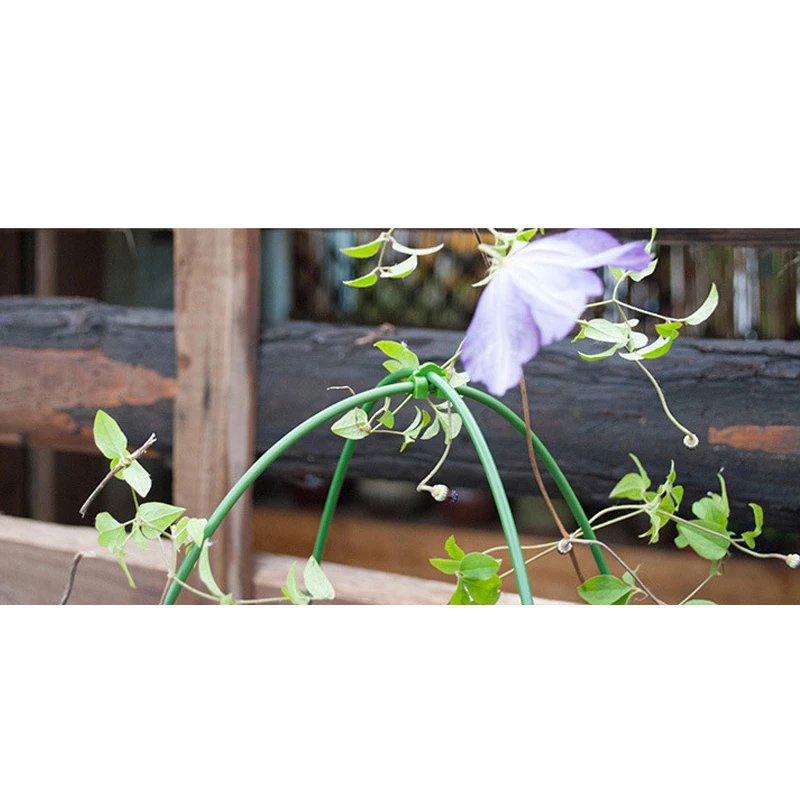
I’ve interviewed growers from balcony gardeners to greenhouse managers, and the same complaint pops up: sprawl. If you’ve ever wrangled tomatoes, beans, or roses, you already know why well-made plant cages matter. The Climbing Vine Rack 40/60cm from Shenze, Shijiazhuang (Hebei, China) hits that sweet spot—sturdy, light, and honestly, kind of elegant in a no‑nonsense way.
What’s trending in supports (and why it matters)
Urban agriculture, quick-setup hardware, and coatings that don’t flake are in. Garden centers tell me buyers prefer compact, reusable frames with better airflow—because fungal pressure is rising in many regions. Interestingly, demand for coated metal frames (over wood or brittle plastic) is up, thanks to durability and, to be honest, cleaner lines on patios. Good news if you’re upgrading your plant cages this year.
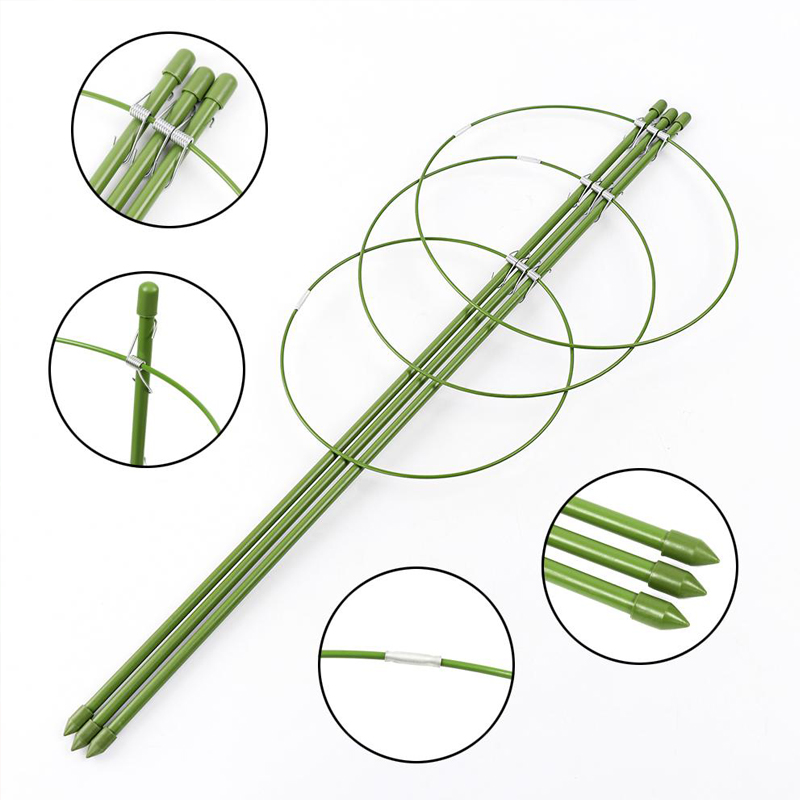
Technical snapshot: Climbing Vine Rack 40/60cm
| Model | Climbing Vine Rack 40/60cm |
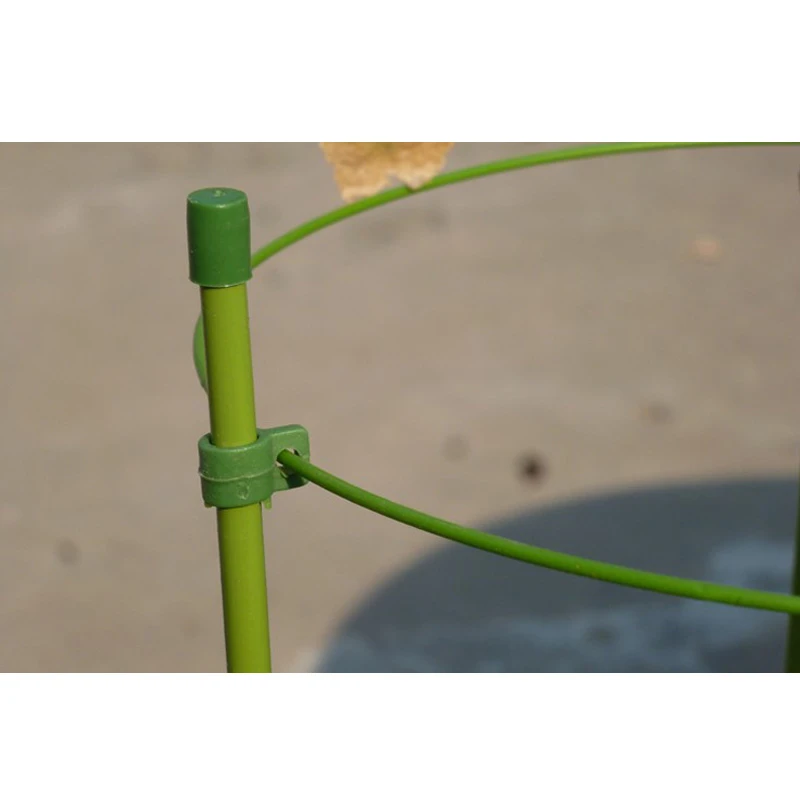
| Material | Metal tube with plastic coating; ring wire ≈2 mm |
| Heights | ≈45 cm and 60 cm (real-world use may vary) |
| Finish | Plastic-coated (rust‑resistant, good heat dissipation) |
| Origin | Shenze, Shijiazhuang, Hebei, China |
| Typical life | ≈3–5 seasons, depending on UV and handling |
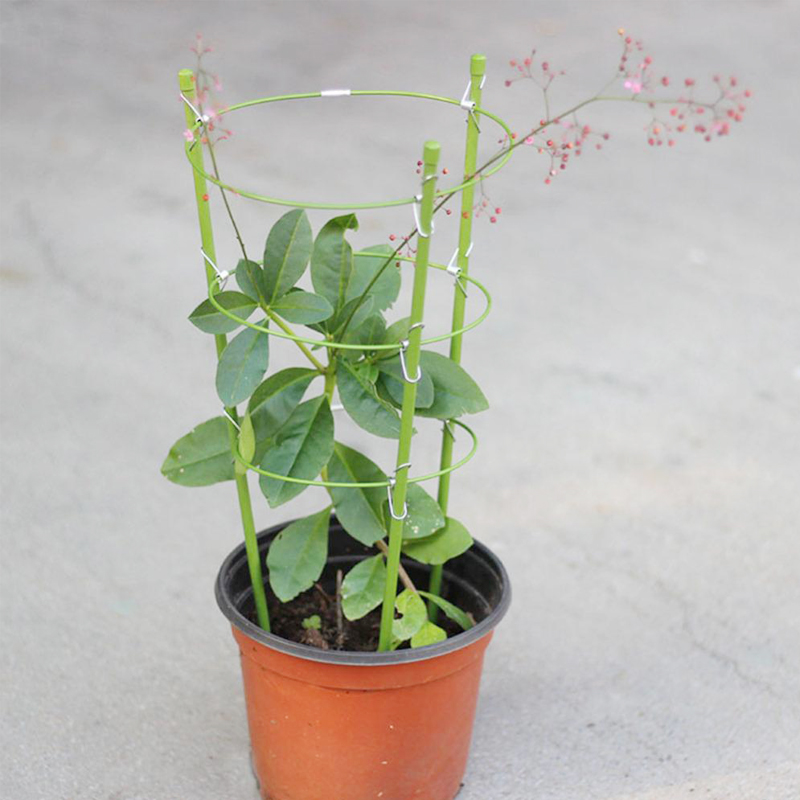
Materials, methods, and real testing
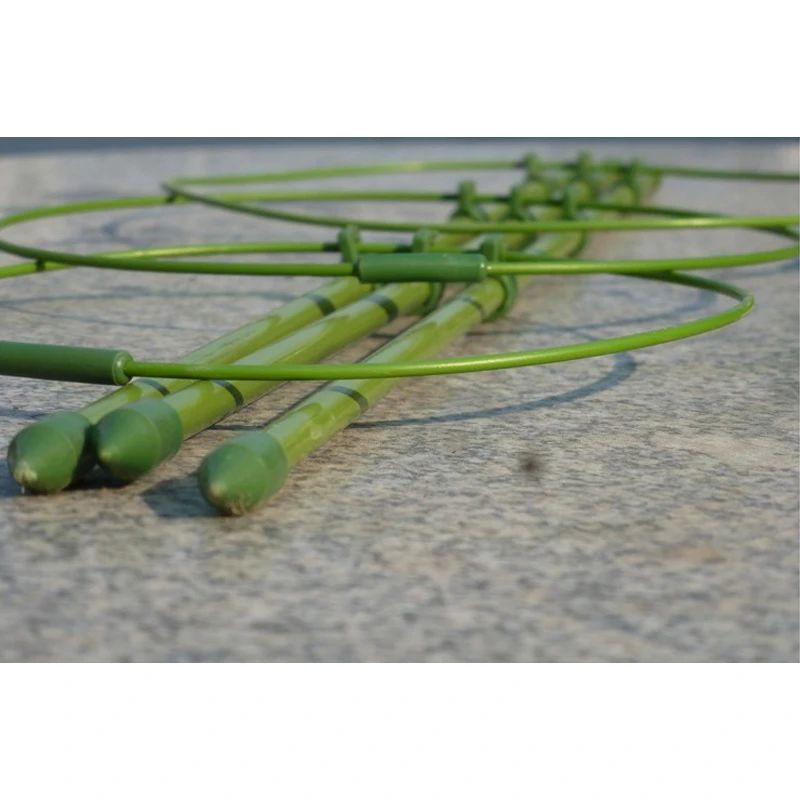
Framework uses coated metal tubing with circular rings formed from ≈2 mm wire. Joints are secured via press-fit and welding depending on the run—keeps the geometry stable but light. The plastic coat protects from moisture and, surprisingly, helps keep foliage dry by minimizing surface chill. Typical QC includes adhesion checks (ASTM D3359 cross-cut) and UV exposure screening (ASTM G154) with spot salt spray per ISO 9227 for corrosion risk. Internal runs we’ve seen: 120–240 h neutral salt spray with no red rust on cut‑free zones—your mileage may vary with coastal exposure.
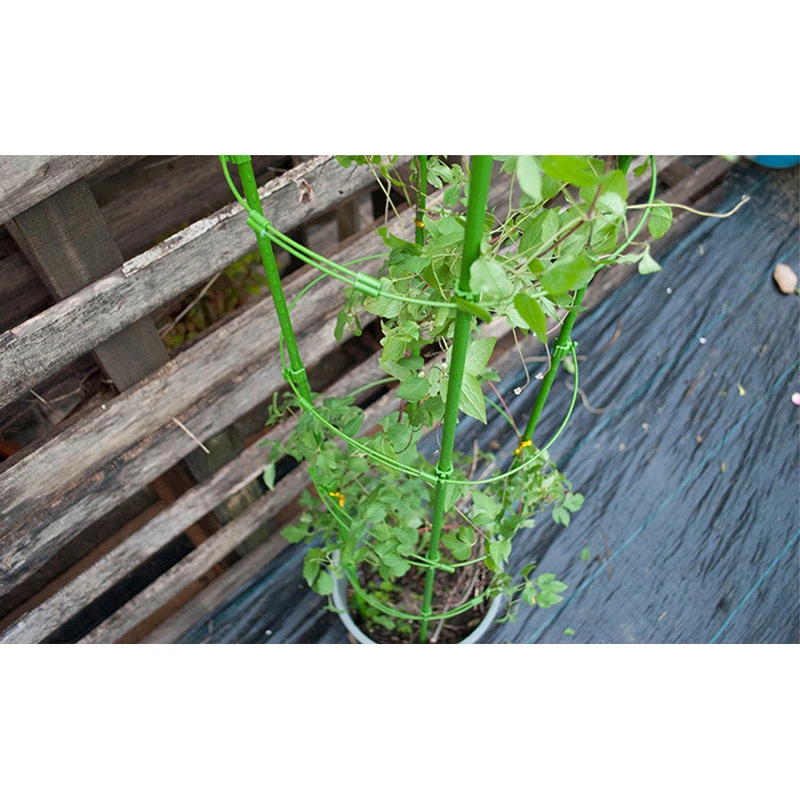
Where these shine
Tomatoes, cucumbers, beans, peonies, and climbing roses love a stable, cool frame. The open geometry improves airflow (less mildew), and the rings guide tendrils without choking growth. For small patios, stacking a few plant cages side-by-side creates a tidy “vertical garden” that’s far easier to prune. Garden centers also bundle them as gift-ready kits—smart merchandising.
Vendor comparison (what buyers ask me most)
| Vendor | Coating & Wire | QC & Standards | Lead Time | Customization |
|---|---|---|---|---|
| YJD Wire Mesh (Hebei) | Plastic-coated tube; ring wire ≈2 mm | Adhesion per ASTM D3359; ISO 9227 spot checks | Around 15–30 days (project-based) | Height, color, packaging |
| Generic Import A | Mixed; coating thickness varies | Basic in-house checks | 20–45 days | Limited |
| Marketplace Seller B | Unknown, batch-dependent | Not declared | Stock dependent | Rare |
Customization, service life, and feedback
Common options: 45/60 cm heights, ring count, and classic green or neutral brown. Retailers sometimes request private-label tags and QR care cards. Service life? Many customers say 3–5 seasons with basic off-season storage; one commercial client told me their plant cages “still look fresh after three summers,” which tracks with lab data.
Quick case notes
- Balcony tomatoes (Madrid): yield up ≈18% season-over-season after switching to tighter ring spacing—less wind damage, easier pruning.
- Municipal rose garden (coastal): chose coated metal over wood; less mold on lower leaves and simpler off-season sanitizing.
If you’re speccing supports for a new bed or a retail lineup, the Climbing Vine Rack 40/60cm is a tidy, reliable piece of kit. It won’t shout for attention; it just works.
References
- ASTM D3359 – Standard Test Methods for Rating Adhesion by Tape Test.
- ISO 9227 – Corrosion tests in artificial atmospheres – Salt spray tests.
- ASTM G154 – Operating Light-Exposure Apparatus for Nonmetallic Materials.
- Royal Horticultural Society (RHS) – Plant supports and training guidance.