What Buyers Should Know About Plastic Window Screens (Insider Notes, Real Specs)
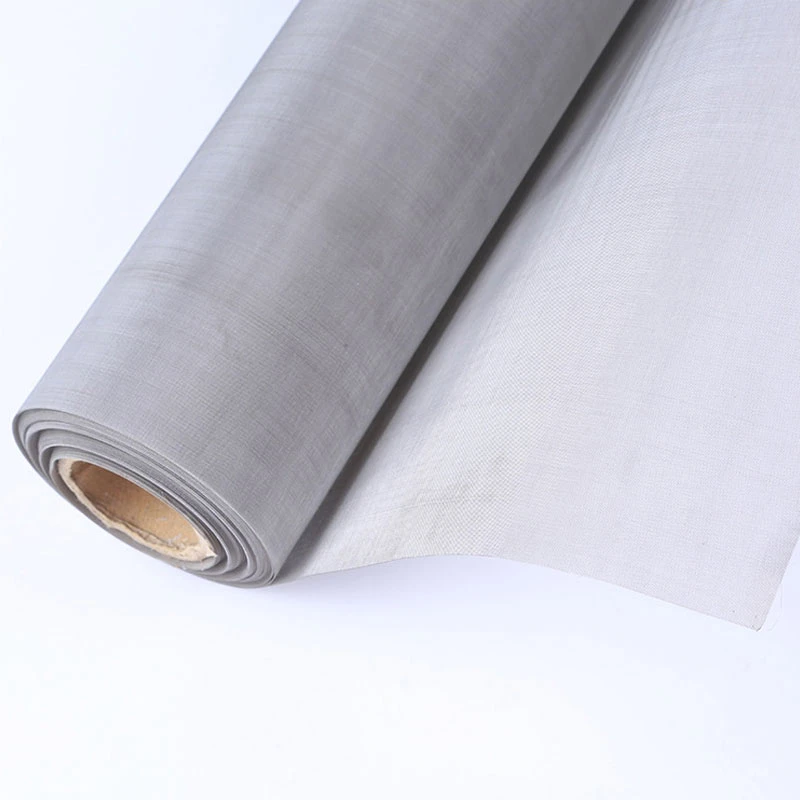
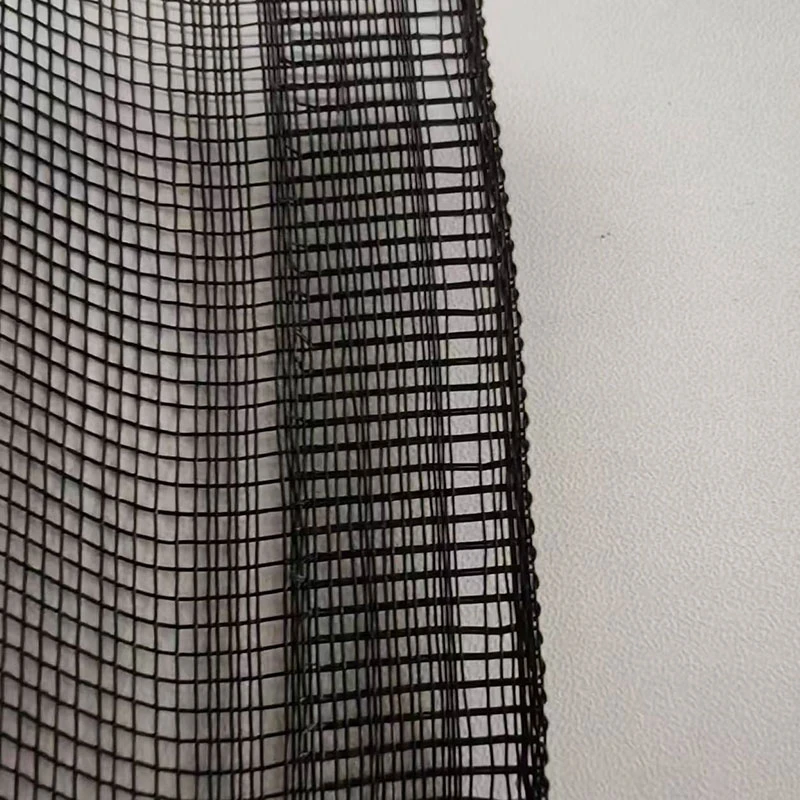
If you landed here hunting for a practical, no-drama screen that keeps bugs out and air flowing, you’re in the right place. Here’s the quick link people ask me for: Plastic Window Screen For Sale. I’ve toured workshops in Hebei’s building materials belt and spoken with installers who live and die by consistent mesh tension and UV stability. The short version: not all “plastic” screens are the same, and the differences show up after two summers, not two weeks.
Industry trend check
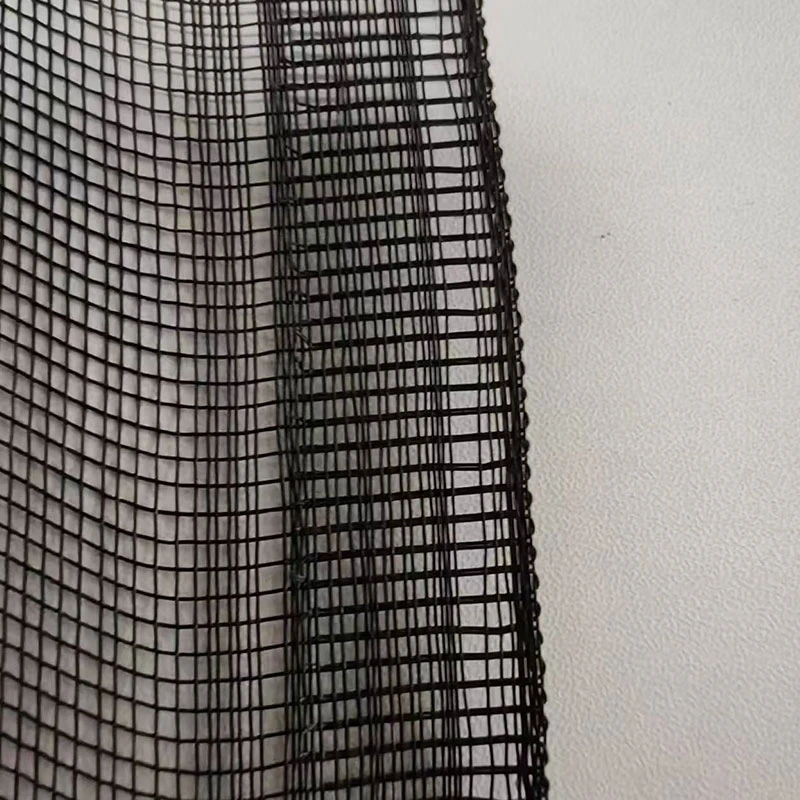
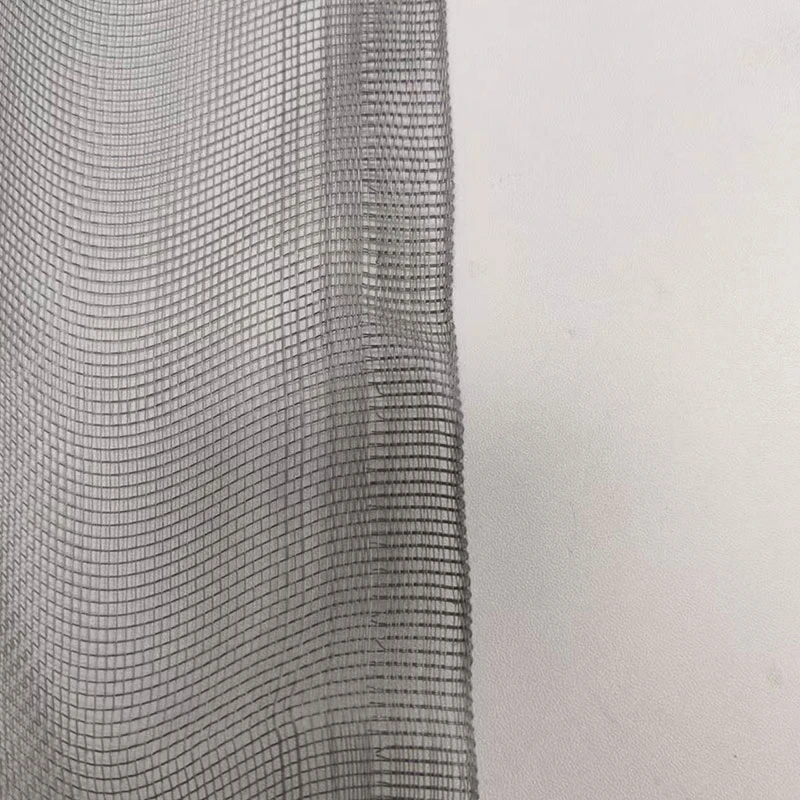
Hospitality chains and mid-market developers are standardizing on PVC-coated fiberglass or HDPE monofilament screens with UV packages. Why? Fewer callbacks, better colorfastness, and smoother roll-form installation. Interestingly, demand for GREY tint (less glare) is rising. In fact, several distributors told me stockouts now track heatwaves.
Technical specifications (typical, field-proven)
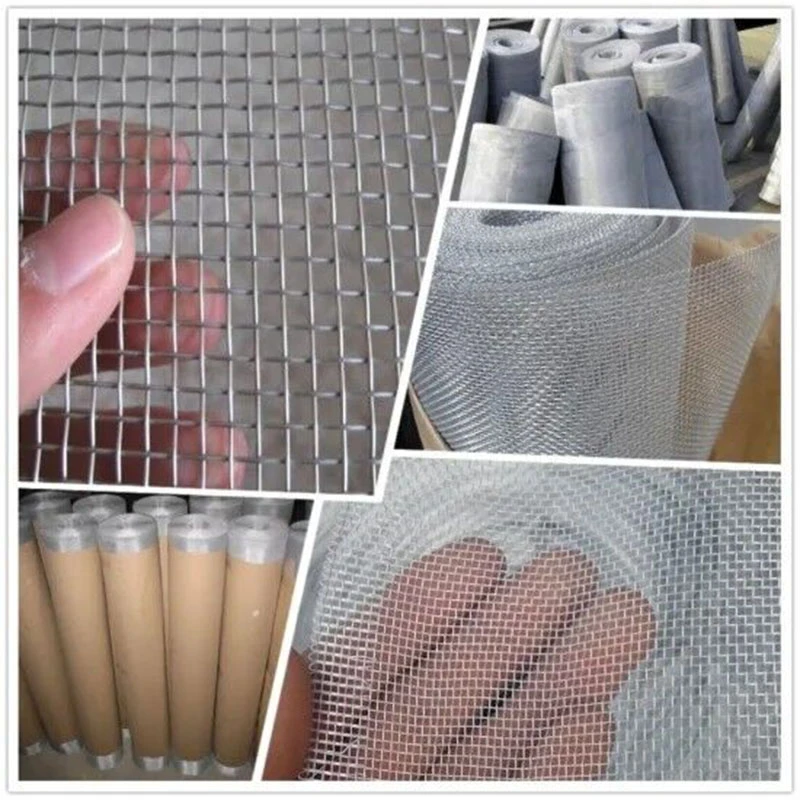
| Base material | PVC-coated fiberglass (standard) / HDPE monofilament (option) |
| Mesh count | 18×16 (others: 20×20 for fine-insect) |
| Yarn diameter | ≈0.28 mm (real-world use may vary) |
| Open area | ≈65% airflow-friendly |
| Roll size | Width 0.8–1.8 m; length 30 m (custom on request) |
| Tensile (ASTM D5035) | Warp ≈300 N/5 cm; Weft ≈280 N/5 cm |
| UV exposure (ISO 4892-2) | ΔColor |
| Service life | ≈5–8 years outdoors (latitude and sun load matter) |
Process flow and QC
Origin: Shenze, Shijiazhuang, Hebei—China’s long-standing wire-mesh and screen hub. Process: yarn selection → precision weaving → PVC coating/heat-setting → calendaring for flatness → roll slitting → edge inspection. QC checkpoints include mesh uniformity (camera vision), burst strength, UV aging, and salt-spray for coastal orders. FR finish (on request) is tested to NFPA 701 small-scale.
Where it’s used and why people stick with it
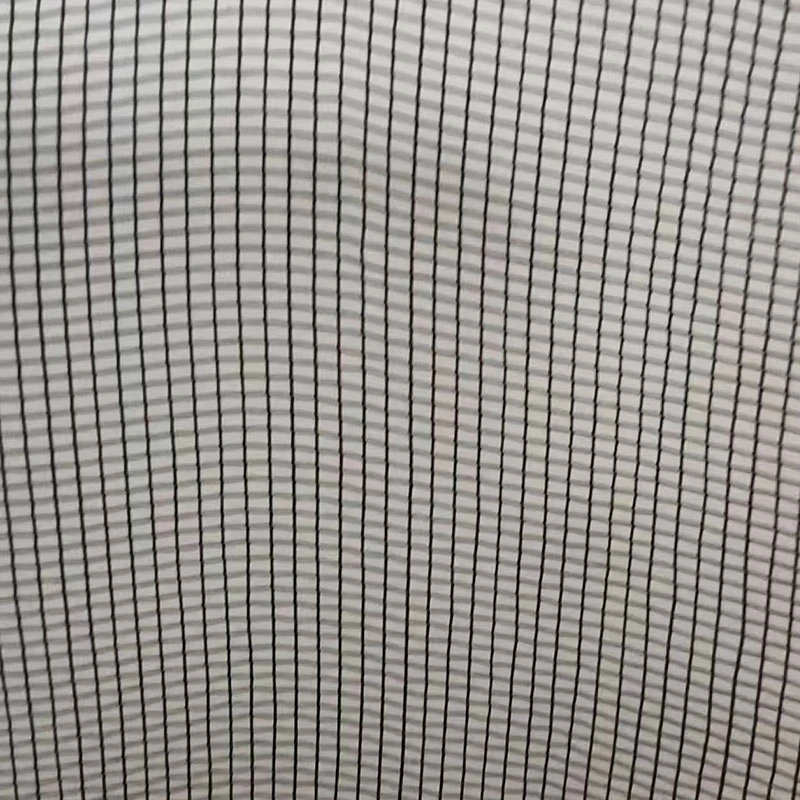
- Residential windows/doors—better daylight vs. metal screens, fewer dents.
- Hotels and serviced apartments—lower maintenance, consistent color.
- Healthcare and schools—good airflow, easy wipe-down, optional FR.
- Food service patios—mosquito control without “caged” look.
Real feedback: installers like the spline grip and low curl memory; homeowners mention “no sparkle glare” and a surprisingly quiet drum when rain hits. To be honest, that last point surprised me too.
Vendor snapshot (what you actually compare)
| Vendor | Mesh & UV | MOQ | Lead time | Certs | Typical price |
|---|---|---|---|---|---|
| YJD Wire Mesh (Hebei) | Stable 18×16; UV package proven in ISO 4892-2 | Around 50 rolls | 10–15 days | REACH/RoHS; NFPA 701 (option) | Mid, value-focused |
| Local hardware brand | Varies; some color fade in 2–3 summers | Single rolls | In stock | Basic MSDS | Retail high |
| Marketplace importer | Inconsistent mesh tension | Low | 15–30 days | Mixed/unclear | Lowest |
Customization that actually matters
Options: HDPE vs. fiberglass base; grey/black/charcoal; 18×16 or 20×20; anti-pollen fine mesh; FR finish (NFPA 701 small-scale); roll-to-size cuts for factory windows. Branding on core labels if you’re a distributor. YJD’s plant can also color-match frames for coordinated sets, which—believe it or not—helps upsell.
Quick cases
- Coastal café chain (SE Asia): switched to UV+salt-spray spec; replacements dropped ≈35% year-on-year.
- Residential developer (EU): 20×20 fine-insect in nurseries; parents noted “less bite complaints, same airflow.”
- Hotel retrofit (MENA): FR option met venue requirements; installation crew praised low curl during spline fit.
If you’re pricing Plastic Window Screen For Sale today, check UV spec, mesh uniformity, and FR documentation—saves headaches later. Many customers say once they move to steady Hebei output, returns shrink and reviews improve. I guess consistency is underrated.
Compliance and paperwork
REACH SVHC and RoHS declarations available; ASTM/ISO test reports on request; NFPA 701 (optional FR). Factory audits shared with enterprise buyers.
Citations:
1) ASTM D5035 – Textile tensile testing (Strip Method).
2) ISO 4892-2 – Plastics UV exposure (xenon-arc).
3) NFPA 701 – Flame tests for textiles and films.
4) EU REACH & RoHS—chemical and hazardous substance directives.