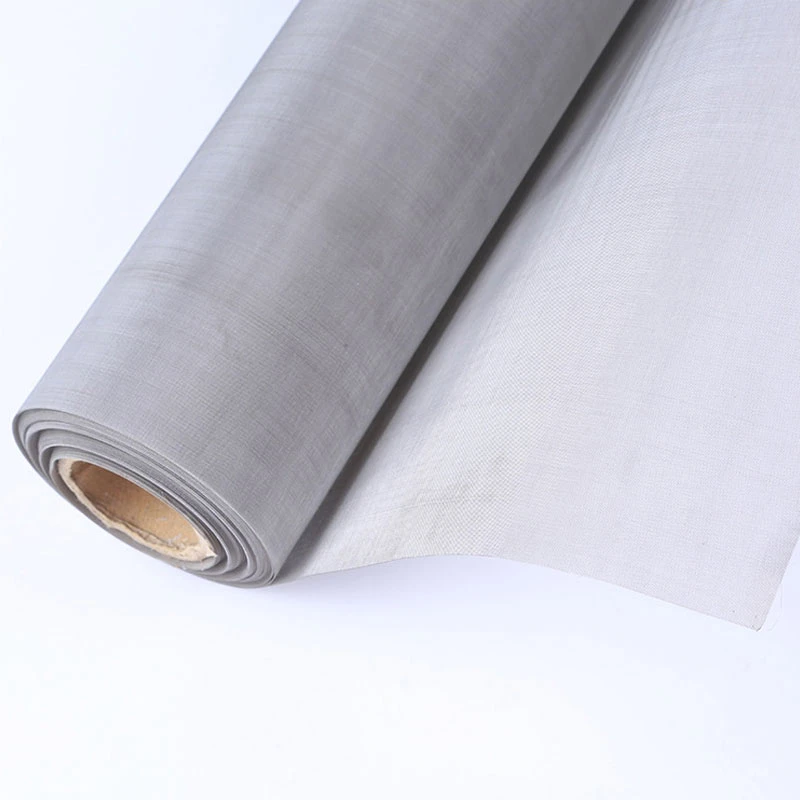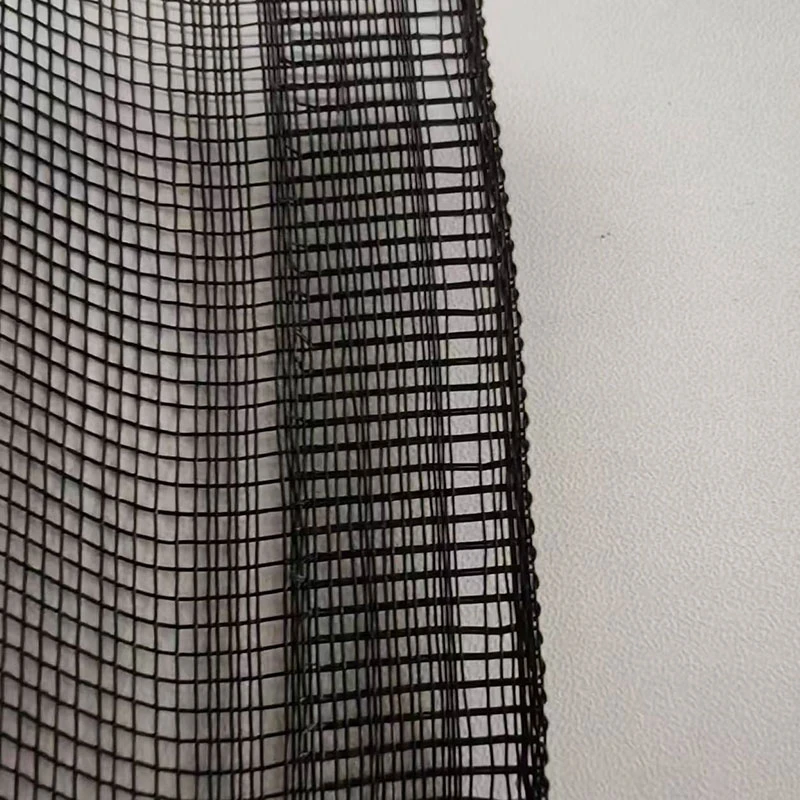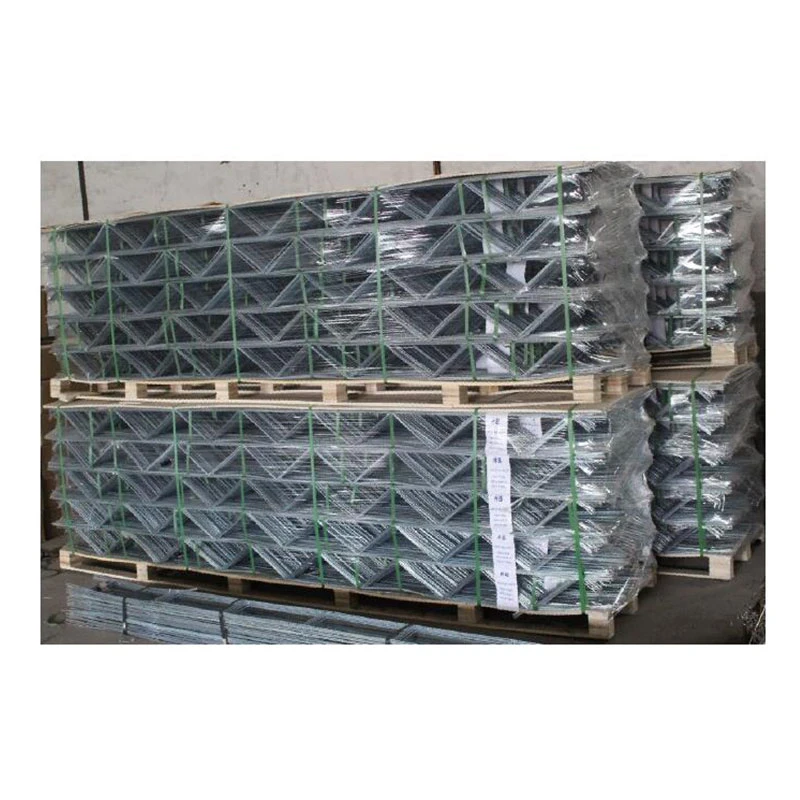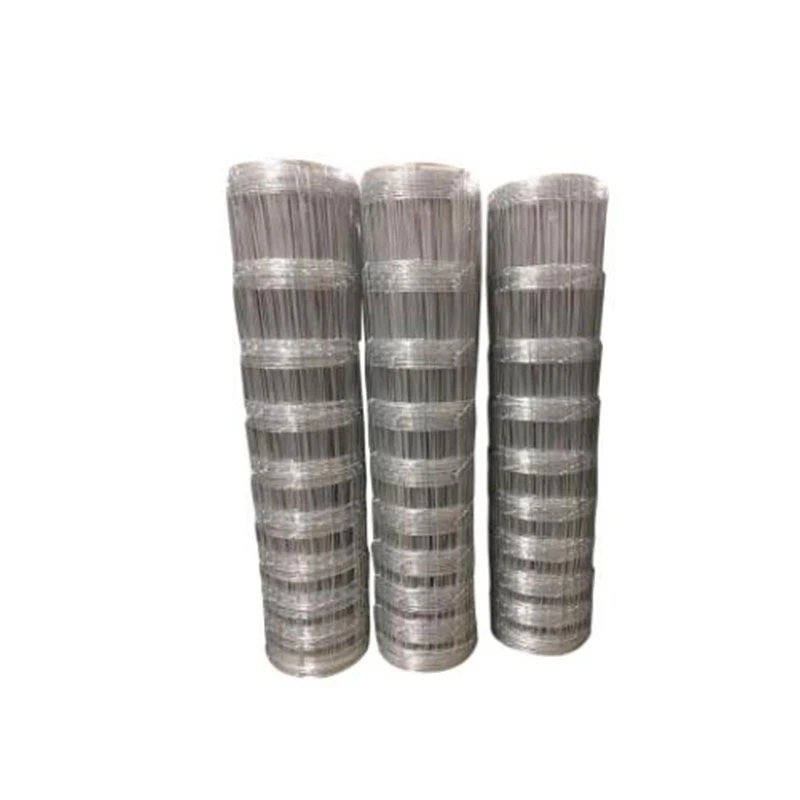
In industrial and commercial applications, the performance of filtering and separation components is paramount. A key component in countless systems is the metal screen, a versatile product essential for everything from particle separation to structural reinforcement. This article delves into the intricacies of this fundamental material, with a specific focus on square mesh, its manufacturing, applications, and strategic advantages for B2B decision-makers and engineers.
The demand for high-performance screen mesh solutions continues to grow across diverse sectors, driven by increasingly stringent operational requirements and environmental regulations. Understanding the technical specifications and fabrication processes of types of screen mesh is crucial for optimizing system efficiency and ensuring long-term reliability.
Industry Trends in Metal Screen Technology
The metal screen market is witnessing significant innovation, primarily driven by advancements in material science and manufacturing precision. Key trends include the increasing demand for corrosion-resistant alloys, such as 304L and 316L stainless steel, to extend service life in harsh environments. There's also a growing emphasis on tighter weave tolerances and micron-level filtration capabilities to meet the exacting standards of industries like pharmaceuticals and fine chemical processing. Automation in manufacturing, including advanced weaving looms and robotic fabrication, is improving efficiency and consistency, allowing for more complex geometries and custom solutions. Furthermore, the push for sustainability is leading to the adoption of more recyclable materials and energy-efficient production processes. The integration of smart manufacturing principles, enabling real-time quality control and predictive maintenance, is also on the horizon for high-volume producers of screen mesh.
Another notable trend is the specialization of types of screen mesh for specific applications, such as the development of highly conductive meshes for EMI/RFI shielding or ultra-fine meshes for specialized filtration in microelectronics. The expansion of niche markets requiring bespoke metal screen designs, from architectural facades to advanced automotive components, underscores the dynamic nature of this industrial sector.
Manufacturing Process Flow of Metal Screen (Square Mesh)
The production of high-quality metal screen, particularly square mesh, is a meticulous process demanding precision at every stage. Here is a detailed breakdown of the manufacturing flow, ensuring compliance with international standards such as ISO 9001 for quality management and ASTM for material specifications.
High-grade wire rods (e.g., AISI 304, 316, 316L stainless steel, galvanized carbon steel, bronze) are sourced from certified suppliers. Materials are rigorously inspected for chemical composition, tensile strength, and surface integrity in accordance with ASTM A276/A580 standards.
Wire rods are drawn through a series of dies to achieve the precise wire diameter required for the specified mesh count. Annealing (heat treatment) may be applied between drawing stages to restore ductility and prevent work hardening, ensuring optimal weaving characteristics.
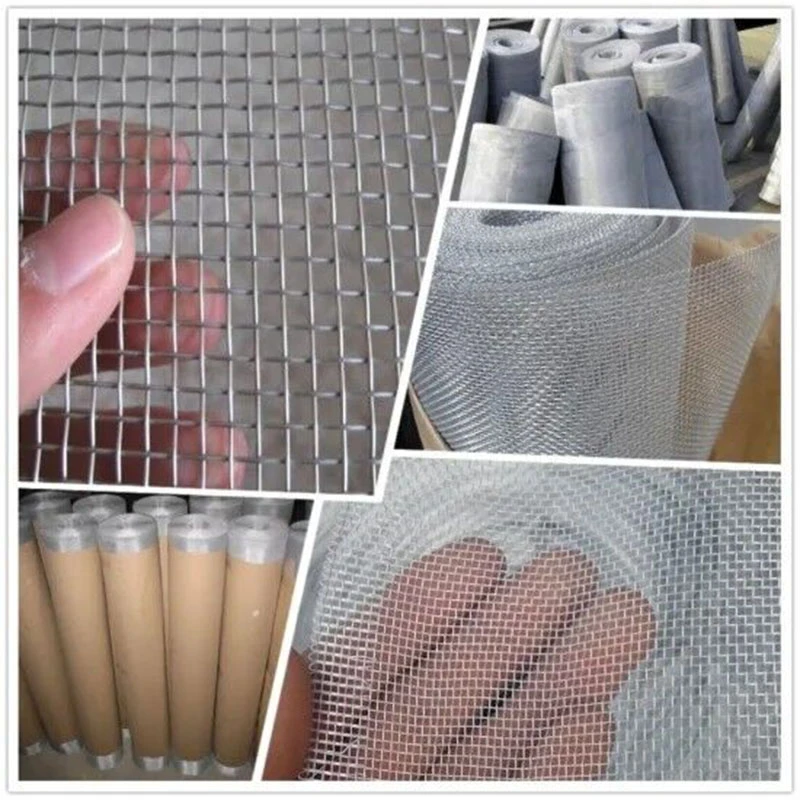
The wires are woven on advanced automatic looms. For square mesh, plain weave is most common, where warp and shute wires interlace alternately to form precise, consistent square apertures. This ensures uniform filtration and strength across the entire screen mesh.
After weaving, the metal screen rolls are subjected to various finishing processes, which may include slitting, cutting to size, calendaring (flattening), or surface treatments like passivation for stainless steel to enhance corrosion resistance. Edges can be welded, bent, or selvaged to prevent unraveling.
Each batch undergoes stringent quality checks, including visual inspection for weave consistency, precise measurement of mesh count and wire diameter using optical comparators, and aperture size verification. Mechanical tests for tensile strength (ASTM E8/E8M) and burst pressure (if applicable for filtration) are conducted. This adherence to standards like ANSI/AWWA C700 and ISO 3310-1 ensures product integrity and reliability.
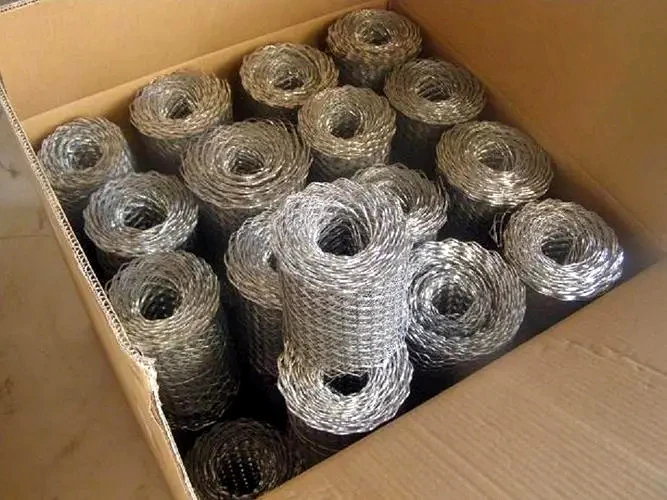
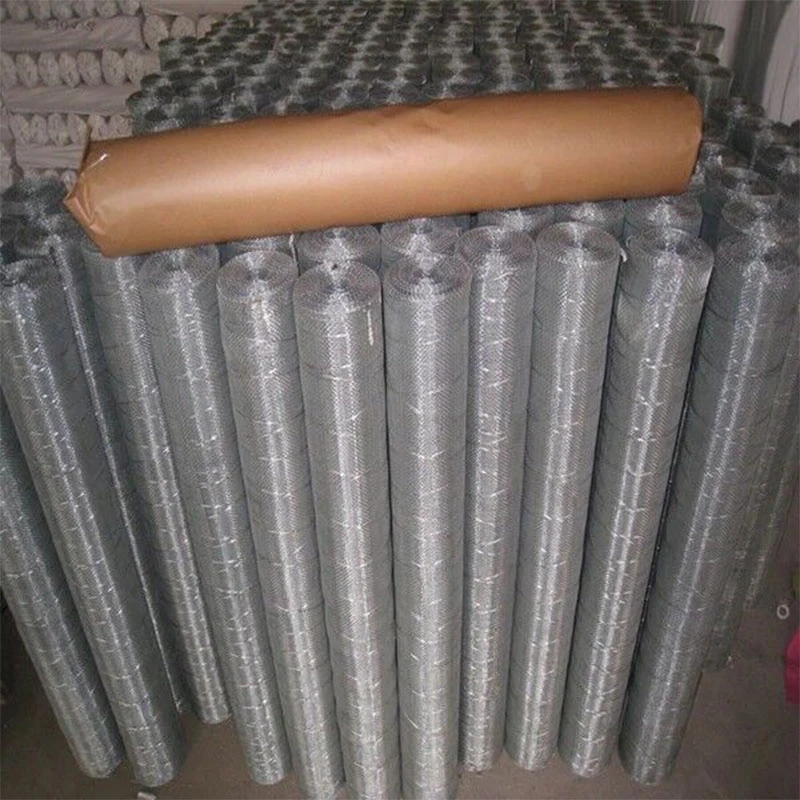
Finished metal screen products are carefully packaged to prevent damage during transit, typically in rolls or sheets, with appropriate protective layers. Comprehensive documentation, including material certificates and test reports, accompanies each shipment.
The typical service life of a metal screen varies significantly based on material, application environment, and operating conditions. For standard stainless steel meshes in non-aggressive environments, a service life of 5-10 years is common. However, in highly corrosive or abrasive applications (e.g., petrochemical, mining), specialized alloys and regular maintenance are critical to achieving optimal longevity, potentially extending it beyond 10 years.
Technical Specifications for Square Mesh
Precision and material integrity are cornerstones for effective metal screen performance. The following table outlines typical technical parameters for high-quality square mesh, emphasizing the detailed specifications crucial for engineering procurement.
| Parameter | Specification Range | Relevant Standard |
|---|---|---|
| Material Options | Stainless Steel (304, 304L, 316, 316L), Galvanized Iron, Low Carbon Steel, Copper, Brass | ASTM A240, ASTM A276 |
| Mesh Count (per inch) | 2 to 500 mesh | ISO 3310-1 |
| Wire Diameter | 0.025 mm to 6.0 mm (0.001 inch to 0.236 inch) | ASTM E2016 |
| Aperture Size | 0.026 mm to 12.5 mm | ISO 3310-1 |
| Open Area Percentage | Typically 25% - 70% | Calculated based on mesh count & wire diameter |
| Tensile Strength | Varies by material (e.g., 520-720 MPa for SS304) | ASTM E8/E8M |
| Temperature Resistance | Up to 1100°C for SS316 | N/A (Material property) |
| Corrosion Resistance | Excellent for SS (varies by grade), Good for Galvanized | ASTM B117 (Salt Spray) |
These parameters collectively define the filtration efficiency, mechanical strength, and environmental suitability of the metal screen. Selecting the correct combination is critical for optimal performance and cost-effectiveness in any given application.
Application Scenarios and Technical Advantages
Metal screen, particularly the robust square mesh, is indispensable across a vast array of industries due to its unique combination of strength, permeability, and resistance to environmental factors.
- Petrochemical Industry: Used in catalyst support, filtration of crude oil, gas and liquid separation, and molecular sieves. The high temperature and corrosion resistance of stainless steel mesh ensures long service life and reduced downtime.
- Metallurgy & Mining: Critical for screening, sizing, and dewatering various ores, aggregates, and coal. Its robust construction withstands abrasive conditions, improving operational efficiency and material recovery.
- Water Supply & Drainage: Employed in water treatment plants for filtration of suspended solids, wastewater clarification, and intake screens. The non-corrosive properties of stainless steel ensure clean water production and longevity. A common household variant is a magnetic fly screen, which uses a fine mesh to keep insects out while allowing air flow.
- Food & Beverage: Utilized for sifting, straining, and drying processes for grains, flour, and liquid foods. Food-grade stainless steel ensures hygiene and compliance with FDA regulations, preventing contamination.
- Architectural & Decorative: Increasingly used for architectural facades, balustrades, and interior design elements, offering both aesthetic appeal and functional benefits like solar shading and ventilation.
- HVAC Systems: Integrated into air filters, insect screens, and protective barriers for ventilation systems, contributing to air quality and equipment protection.
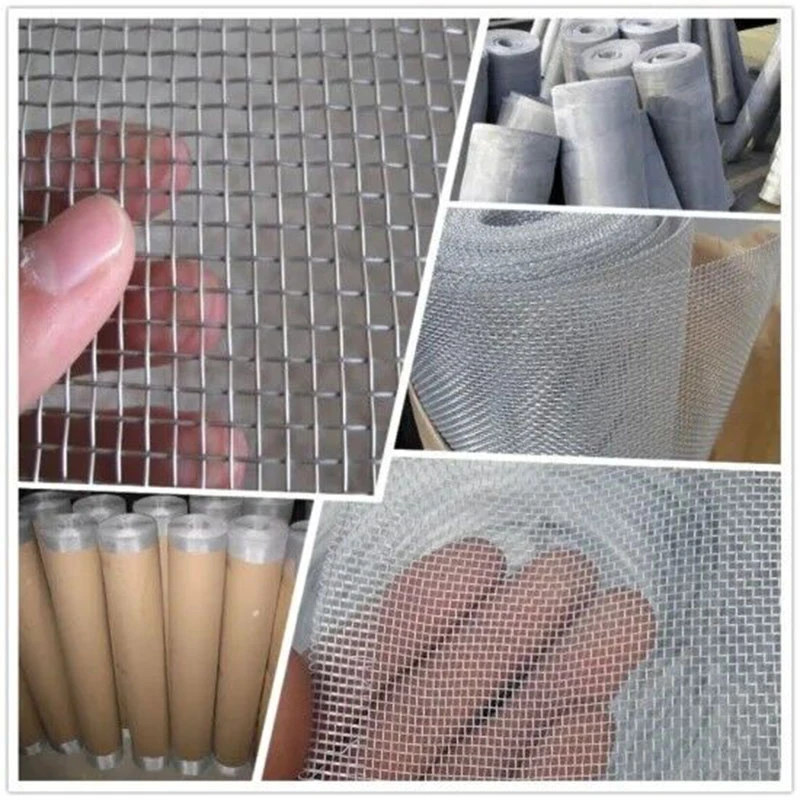
The technical advantages of well-engineered metal screen are manifold:
- Corrosion Resistance: Especially with stainless steel grades, these screens withstand harsh chemicals, saltwater, and extreme weather, significantly extending service life and reducing maintenance costs. This is crucial in industries like marine and chemical processing.
- High Strength-to-Weight Ratio: Provides structural integrity and resistance to deformation under load, making it suitable for heavy-duty screening and support applications.
- Precision Filtration: Consistent aperture sizes allow for highly accurate separation and filtration, crucial for product quality and process efficiency. This minimizes waste and improves end-product purity.
- Temperature Stability: Maintains structural integrity and filtration characteristics across a wide range of temperatures, from cryogenic applications to high-heat industrial processes.
- Energy Saving: Optimized open area percentages facilitate efficient material flow, reducing pressure drop in fluid systems and minimizing energy consumption in pumping or ventilation.
- Durability & Low Maintenance: The inherent strength and resistance to wear and tear mean less frequent replacement and reduced operational downtime.
Vendor Comparison and Customized Solutions
When procuring metal screen, vendor selection is a critical decision that impacts product quality, project timelines, and overall cost of ownership. Key differentiators among suppliers often include:
- Material Sourcing & Certification: Reputable vendors provide clear material traceability and certifications (e.g., mill certificates for stainless steel, compliance with ASTM standards).
- Manufacturing Precision: The accuracy of mesh count, wire diameter, and aperture size directly correlates with the quality of the weaving equipment and quality control protocols.
- Customization Capabilities: The ability to produce bespoke square mesh configurations, including unique dimensions, special alloys, specific edge treatments, or secondary fabrication (e.g., cutting, forming, welding).
- Lead Time & Logistics: Efficiency in production and a robust supply chain are crucial for meeting project deadlines, especially for large-scale or time-sensitive orders.
- Technical Support & After-Sales Service: Access to engineering expertise for application guidance and reliable customer support post-purchase.
Many applications require more than standard off-the-shelf screen mesh. Customized solutions for metal screen are a core offering for leading manufacturers. This includes:
- Material Variation: Beyond standard stainless steels, custom orders can include high-nickel alloys, titanium, monel, inconel, or specific copper alloys for unique chemical or thermal resistance needs.
- Specific Mesh & Wire Dimensions: Tailoring mesh count and wire diameter to achieve precise open area percentages and filtration micron ratings.
- Fabrication & Forming: Pre-cut shapes, circles, cylinders, pleated elements, or frames welded directly onto the mesh to create ready-to-install components.
- Surface Treatments: Specialized coatings (e.g., PTFE, PVC, epoxy) for enhanced non-stick properties, UV resistance, or additional corrosion protection.
Engaging with a vendor capable of providing extensive customization ensures that the metal screen perfectly integrates into complex systems, optimizing performance and often leading to long-term cost savings by extending operational lifespan and reducing maintenance.
Application Case Studies
Case Study 1: Enhanced Filtration in Chemical Processing
A major chemical producer faced challenges with inconsistent particle size in their product stream, leading to reduced efficiency and increased waste. Their existing filtration system utilized a standard carbon steel screen mesh that was prone to corrosion and clogging. By collaborating with a specialist, they implemented a custom-fabricated 316L stainless steel square mesh filter. This mesh featured a precise 100-micron aperture and an optimized open area for high flow rates. The superior corrosion resistance of 316L SS significantly extended the filter's service life by 300%, from 6 months to over 2 years, while the precise mesh count ensured uniform particle separation. This upgrade led to a 15% improvement in product purity and a 20% reduction in filter replacement costs, demonstrating substantial operational advantages.
Case Study 2: Optimizing Aggregate Screening in Mining
A large-scale mining operation required robust and durable screening media for aggregate sizing in a highly abrasive environment. Traditional woven wire screens experienced frequent wear and tear, necessitating costly downtime for replacement. The solution involved implementing heavy-duty manganese steel screen mesh panels, known for their work-hardening properties. These panels were custom-designed with specific wire diameters and square mesh configurations to withstand extreme impact and abrasion. The result was a 50% increase in screen lifespan compared to previous materials, significantly reducing maintenance intervals and boosting overall throughput by 10% due to less unscheduled downtime. This strategic shift underscored the importance of material science in optimizing industrial processes.
Case Study 3: Pest Control and Airflow for Commercial Facilities
A commercial food processing plant needed an effective solution to prevent insect intrusion without compromising airflow or natural light. Standard fly screens were either too fragile or obscured visibility. The implementation of a durable stainless steel metal screen, specifically a fine square mesh, provided an optimal solution. This robust mesh was installed on windows and doors, acting as an impermeable barrier against pests while maintaining excellent ventilation and visual clarity. The corrosion-resistant properties of stainless steel ensured the screens remained hygienic and visually appealing, even after repeated cleaning cycles. This upgrade improved hygiene compliance and significantly reduced pest-related disruptions, demonstrating a blend of practical functionality and long-term durability.
Authoritativeness and Trustworthiness (Google )
Certifications and Quality Assurance
Our commitment to quality is underpinned by rigorous adherence to international standards. Our manufacturing processes for metal screen, including square mesh and other types of screen mesh, are ISO 9001:2015 certified, guaranteeing a consistent and quality-controlled production environment. All materials used comply with relevant ASTM standards, ensuring material composition and mechanical properties meet or exceed industry benchmarks. We provide full material traceability and comprehensive test reports for every batch, reinforcing our dedication to transparency and quality.
Frequently Asked Questions (FAQ)
- Q: What is the primary difference between woven and welded metal screen?
A: Woven metal screen is produced by interlacing individual wires, offering flexibility and finer mesh counts. Welded screen mesh consists of wires resistance-welded at each intersection, providing greater rigidity and often larger aperture sizes, ideal for structural and security applications.
- Q: How do I choose the correct mesh size and wire diameter for my application?
A: The choice depends on the desired filtration or separation efficiency (aperture size), required mechanical strength (wire diameter), and open area percentage for flow rate. Our technical team can provide consultation based on your specific operational parameters.
- Q: What is the typical lead time for custom metal screen orders?
A: Lead times vary based on material availability, complexity of fabrication, and order volume. Standard square mesh orders typically range from 2-4 weeks. Customized or large-volume orders may require 4-8 weeks. We provide clear lead time estimates upon quotation.
- Q: Is installation support or guidance provided for complex screen mesh systems?
A: While we primarily supply the metal screen material, our technical support team offers comprehensive guidance on product selection, specification, and general best practices for installation to ensure optimal performance.
Warranty and Customer Support
We stand behind the quality of our metal screen products with a comprehensive warranty against manufacturing defects and material non-conformance. Our products are engineered for durability and performance, adhering to the highest industry standards. In the unlikely event of an issue, our dedicated customer support team is available to provide prompt assistance, technical consultation, and resolution. We offer multiple channels for support, including direct phone lines, email, and online inquiry forms, ensuring seamless communication and responsive service.
Conclusion
The humble metal screen, particularly the ubiquitous square mesh, is a testament to the power of precision engineering and material science. Its critical role in filtration, separation, protection, and reinforcement across petrochemical, metallurgical, water treatment, and countless other industries cannot be overstated. By understanding the intricate manufacturing processes, adhering to stringent technical specifications, and leveraging advanced customization capabilities, businesses can unlock significant operational efficiencies, extend equipment lifespans, and achieve superior product quality. Investing in high-quality screen mesh solutions from authoritative and trustworthy suppliers is a strategic decision that delivers tangible returns in performance, durability, and cost-effectiveness.
References
- International Organization for Standardization (ISO). (2015). ISO 9001:2015, Quality management systems – Requirements.
- ASTM International. (2016). ASTM E2016-16, Standard Test Method for Evaluating the Performance of Filtering Elements.
- American National Standards Institute (ANSI) & American Water Works Association (AWWA). (2019). ANSI/AWWA C700-19, Cold-Water Meters – Displacement Type, Bronze-Cased, Multi-Jet, and Compound Types.
- ASM International. (2001). ASM Handbook, Vol. 1, Properties and Selection: Irons, Steels, and High-Performance Alloys.
- Food and Drug Administration (FDA). (2023). Title 21 Code of Federal Regulations (CFR), Section 177.2600 (Rubber articles intended for repeated use).