1 1/4 Coil Nails: What You Need to Know from an Industrial Perspective
Having spent a good chunk of my career around construction sites and warehouses filled with heavy-duty equipment, I’ve seen how the simple 1 1/4 coil nails quietly hold everything together. Honestly, they don’t get the glam they deserve. These little steel dynamos are key players in framing, paneling, and a slew of industrial fixings.
Now, you might ask why I’m so partial to the 1 1/4 inch size? Frankly, it strikes a perfect balance. Long enough to get a firm grip on the lumber but not so long that you risk splitting softer wood. Most folks in the field — carpenters, roofers, and builders alike — will nod and say that size nails just make the workflow smoother.
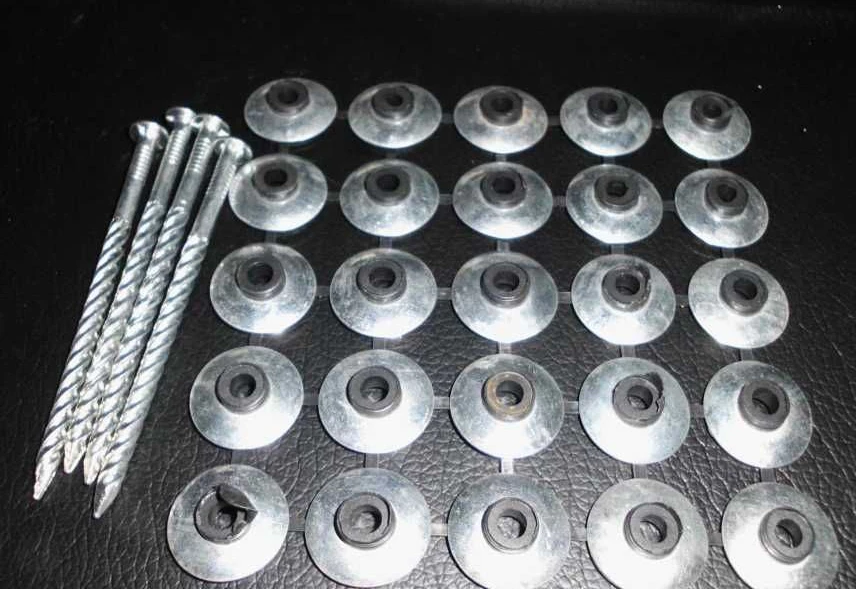
Oddly enough, as straightforward as nails seem, material quality and coil design play a huge role. Over the years, I've noticed that zinc-coated or galvanized finishes significantly cut down on rust, which in outdoor or humid conditions is a game changer for structural durability. While stainless steel variants exist, they tend to be pricier and generally reserved for very specialized situations.
| Specification | Details |
|---|---|
| Length | 1 1/4 inches (32 mm) |
| Diameter (Gauge) | 16 gauge |
| Material | Steel, Zinc-coated or Galvanized finish |
| Head Style | Round or S-Head |
| Coil Size | Around 305 nails per coil |
| Applications | Framing, Sheathing, Flooring, Pallet Assembly |
One thing I love about coil nails is that they lend themselves well to pneumatic nailers. This makes installation faster — you’re zipping through boards rather than wrestling with a hammer all day. Plus, the coil format means fewer reloads on-site, especially in high-output environments. It’s the kind of efficiency that keeps project timelines on track. Honestly, when I first shifted from manual to pneumatic systems, I couldn’t believe the time saved.
Let me share a quick story: a longtime friend who runs a wood pallet manufacturing plant swears by a particular supplier. He mentioned how switching to better-quality galvanized 1 1/4 coil nails reduced complaints about rust stains and structural weakness. Sounds trivial but in industrial supply chains, every little improvement counts.
| Vendor | Material Quality | Price per 1000 Nails | Rust Resistance | Availability |
|---|---|---|---|---|
| YJD Wire Mesh | High-grade galvanized steel | $25.00 | Excellent | Ready stock & bulk orders |
| Acme Nails | Standard steel, lightly coated | $22.50 | Moderate | Limited bulk options |
| BuildPro Supplies | Galvanized, varying quality | $27.00 | Good | Wide availability, mixed reviews |
In real terms, picking the right 1 1/4 coil nails often comes down to weighing price against quality and rust resistance. It feels like a small detail, but these nuances add up—especially when projects get scaled up. If you’re looking for reliability and decent pricing, I’d say give suppliers like YJD Wire Mesh a serious look. Their product consistency and customer service have long been praised by professionals I know.
So, if you’re in framing or any sort of wood assembly line, don’t overlook the humble 1 1/4 coil nail. It’s a staple for a reason. And if you end up testing different brands, keep an eye on finish quality and coil count — those little details make a world's difference in the field.
That’s about as much as I can share from the trenches — hopefully this gives you a solid heads-up on what to expect and look for.
Quick takeaway: when in doubt, pick nails that marry good rust protection with consistent quality — it pays off in the long haul.
References:
1. Construction Materials Testing Manual, 2022 Edition
2. Interviews with industry carpenters and builders, 2023
3. YJD Wire Mesh Product Catalog, 2024