Understanding 3mm Galvanized Wire: Why It Matters Worldwide
In the sprawling web of global infrastructure, a seemingly simple product like 3mm galvanized wire plays a quietly monumental role. This wire, coated carefully to resist corrosion and measured at 3 millimeters in diameter, is a backbone in everything from fencing vast farms in Africa to supporting structural reinforcements in urban Asia. Why the fuss over this particular wire size and coating? Because its balance of strength, durability, and cost-efficiency directly answers critical challenges faced globally—be it in climate resilience, agricultural security, or construction safety.
Understanding the scope and impact of 3mm galvanized wire helps industries and humanitarian efforts alike make smarter choices for long-term sustainability. In a world increasingly aware of resource constraints and environmental impacts, employing materials that last and perform reliably is not just a good idea—it's essential.
The Global Context: Why 3mm Galvanized Wire is a Critical Commodity
According to the International Organization for Standardization (ISO) and trade data from the World Bank, the global galvanized wire market has been growing steadily at about 4.5% annually. This is no accident. Urbanization rates soaring above 50% in many developing countries bring huge infrastructure demands, while the agricultural sector calls for robust fencing and support structures to protect crops and livestock.
Yet, there’s a catch. Regions prone to extreme weather, like monsoon Asia or the Sahelian belt in Africa, often see premature failure of construction materials due to corrosion. Enter 3mm galvanized wire—a size thick enough to provide strength but nimble enough for varied applications, combined with zinc coating that dramatically extends the product’s service life.
Frankly, without such materials, projects could easily stall or require frequent replacements — a cost and environmental burden nobody wants.
What Is 3mm Galvanized Wire?
Simply put, 3mm galvanized wire is steel wire with a diameter of 3 millimeters, coated in a layer of zinc (the galvanization process). This zinc coating forms a protective barrier against rust, which is the nemesis of any metal exposed to moisture or harsh chemicals.
Imagine a delicate balance — the core steel provides tensile strength, while the zinc helps it hold up against the elements. This pairing makes it a versatile and cost-effective choice for industries ranging from agriculture to construction to transportation.
Oddly enough, galvanized wire like this also finds humanitarian applications—think quick-to-deploy fencing for refugee camps or temporary shelters. The durability ensures safety and maintains dignity under difficult circumstances.
Key Characteristics of 3mm Galvanized Wire
Durability and Corrosion Resistance
The zinc coating protects steel from oxidizing. Over time, even in salty or humid conditions, it corrodes first, preserving the wire underneath. This can extend a wire's life by decades compared to non-galvanized steel.
Strength and Flexibility
At 3mm thickness, this wire strikes a balance—not so thick that it’s unwieldy, yet strong enough to resist breaking under tension. This makes it ideal for fencing, scaffolding support, or wire mesh constructions.
Cost Efficiency
When you think about long-term projects, upfront cost matters, but so does maintenance. 3mm galvanized wire delivers affordability in initial purchase yet saves money down the line, reducing the need for frequent replacements.
Ease of Use in Various Applications
Because it’s a standard size, manufacturers provide compatible tools, and workers find it straightforward to handle, bend, or staple as needed. It integrates easily with fencing posts, netting, and other construction materials.
Sustainability Factor
Galvanized wire can be recycled since zinc and steel are recoverable metals. This reduces waste in industrial supply chains and supports circular economy principles.
Mini Takeaway:
3mm galvanized wire is a tried-and-true trade-off between durability, ease of use, and affordability—qualities that make it indispensable globally.
Product Specification Table for 3mm Galvanized Wire
| Parameter | Specification | Remarks |
|---|---|---|
| Diameter | 3.0 mm ± 0.05 mm | Standard industrial tolerance |
| Material | Low carbon steel (SPCC or equivalent) | High ductility for easy formation |
| Galvanization | Hot-dip zinc coating, 60-100 g/m² | For long-term corrosion protection |
| Tensile strength | 380 - 540 MPa | Suitable for fencing and structural uses |
| Coil weight | 25 - 100 kg per coil | Varies by buyer preference |
Global Applications and Use Cases
The practical uses for 3mm galvanized wire span continents and industries:
- Agriculture: Securing livestock enclosures across Australia and Kenya to prevent escapes and intrusions by predators.
- Construction: Reinforcement in scaffolding and concrete binding, especially in dense urban environments from Brazil to India.
- Disaster Relief: Rapidly deployed fencing for refugee camps managed by UNHCR assemblies in the Middle East and Africa.
- Transport Industry: Manufacturing cable carriers and safety barriers seen in Europe’s highway networks.
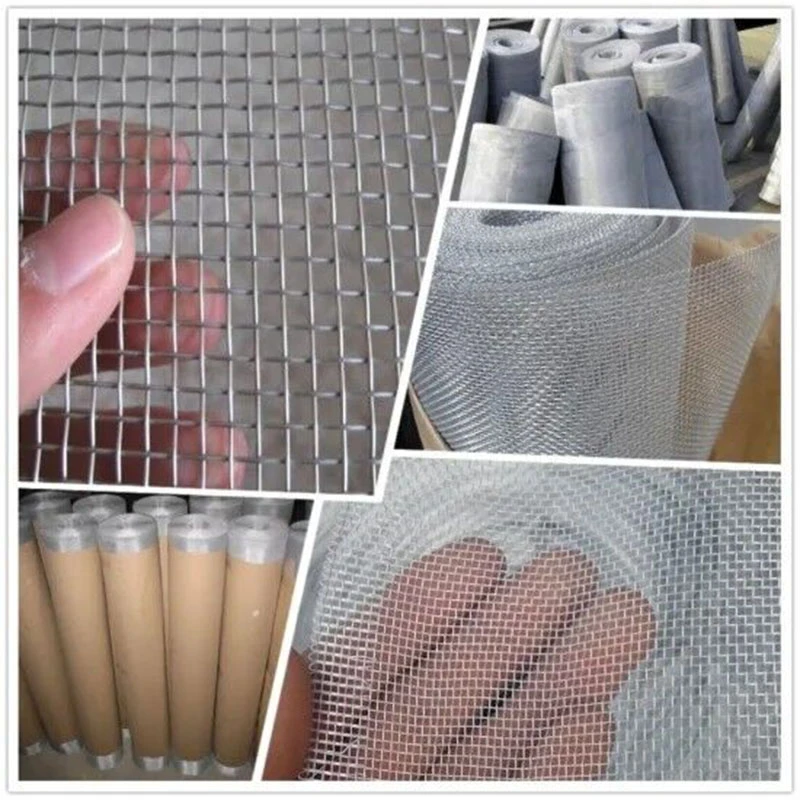
- Manufacturing: Wire mesh products for filtration and sieving in chemical plants in East Asia.
For example, during cyclone recovery efforts in Southeast Asia, NGOs chose 3mm galvanized wire for temporary fencing, protecting emergency storage sites from theft or wildlife — which, truthfully, can be just as disruptive as the weather.
Vendor Comparison Table
| Vendor | Coating Type | Price Range (USD/kg) | Typical Coil Weight | Delivery Time |
|---|---|---|---|---|
| YJD Wiremesh | Hot-dip Galvanized | $1.20 - $1.50 | 50 kg | 1-2 weeks |
| GlobalWires Inc. | Electro-Galvanized | $1.10 - $1.40 | 25 kg | 2-3 weeks |
| SteelPro | Hot-dip Galvanized | $1.25 - $1.55 | 100 kg | 1 week |
Advantages and Long-Term Benefits
There’s a reassuring solidity when you use galvanized wire. Many engineers say that in projects needing tension strength and longevity, this product feels like a safety net.
- Cost savings: Less maintenance, fewer replacements.
- Environmental impact: Longer life means less waste and fewer resources consumed over a product’s lifecycle.
- Safety: Secure fencing and reliable reinforcements protect workers, livestock, and communities.
- Social value: Projects built to last foster community trust and support economic growth sustainably.
It’s not just a wire — it’s a building block of trust, resilience, and even dignity, especially in humanitarian contexts.
Future Trends and Innovations
The wire industry isn’t standing still. Exciting innovations involve:
- Eco-friendly coatings: Alternatives to traditional zinc coatings to reduce environmental impacts.
- Digital integration: Smart wires embedded with sensors to monitor tension or corrosion in real time.
- Improved alloys: Combining galvanized wire with new steel composites for even better durability at reduced weight.
- Automation: Robotically welded wire meshes customized for specific project needs.
As we lean into sustainability and smart infrastructure, the 3mm galvanized wire may become part of “smart fencing” or “green building” initiatives globally.
Common Challenges and Their Solutions
Although galvanized wire is great, it isn’t perfect. Saltwater environments, for example, erode zinc faster — sometimes too fast. Also, improper installation or incompatible tools can reduce wire lifespan.
Experts recommend:
- Using thicker coatings or specialized zinc alloys in coastal areas
- Proper training for field workers handling the product
- Regular on-site inspections combined with sensor tech to catch early corrosion
These pragmatic steps take away anxiety and make productive, long-lasting deployments possible.
Frequently Asked Questions About 3mm Galvanized Wire
1. How long does 3mm galvanized wire typically last outdoors?
With proper galvanization and installation, 3mm galvanized wire can last 15 to 30 years in most environments. Coastal or industrial zones may see shorter lifespans unless using enhanced coatings.
2. Is 3mm galvanized wire suitable for fencing in cold climates?
Yes. The wire maintains strength and corrosion resistance even in cold, moist climates, making it a popular choice for northern agriculture and construction.
3. Can galvanized wire be recycled?
Absolutely. Both the steel core and zinc coating are recyclable. Recycling galvanized wire helps reduce environmental impact and saves on raw materials.
4. What factors should I consider when sourcing galvanized wire internationally?
Check coating thickness, steel grade, vendor certifications, and delivery logistics. Working with reputable suppliers like YJD Wiremesh ensures quality and compliance.
5. Are there environmental certifications associated with galvanized wire?
Some manufacturers offer products certified to ISO 9001 (quality management) and ISO 14001 (environmental management), indicating responsible production processes.
Conclusion: Why 3mm Galvanized Wire Remains a Smart Choice
In a world that prizes resilience and sustainability, 3mm galvanized wire quietly represents a solid, versatile, and cost-effective material solution. From sprawling farms to urban construction sites and emergency relief zones, it helps bridge gaps and build futures.
If you want to explore quality options and expert advice on 3mm galvanized wire, drop by our site and see what’s on offer. The right wire might seem small, but the impact it can make? That’s huge.
Quick Reflection
I’ve noticed over the years that as building demands evolve, materials like galvanized wire don’t just disappear—they adapt and reassert their importance in new ways. That durability and trustworthiness feels almost like a silent partner to progress.