A Field Note on Reinforcement Mesh: Specs, Trends, and Real-World Tips
I’ve walked enough job sites to know: when schedules get tight, prefab steel solutions save the day. And lately, demand for Reinforcement Mesh (sometimes called welded wire fabric) has shot up—partly because labor is scarce, partly because quality control has moved upstream to factories. YJD’s production out of Shenze, Shijiazhuang, Hebei, China sits right in the supply chain sweet spot—close to raw material, strong on welding capacity, and, to be honest, pretty flexible on custom specs.
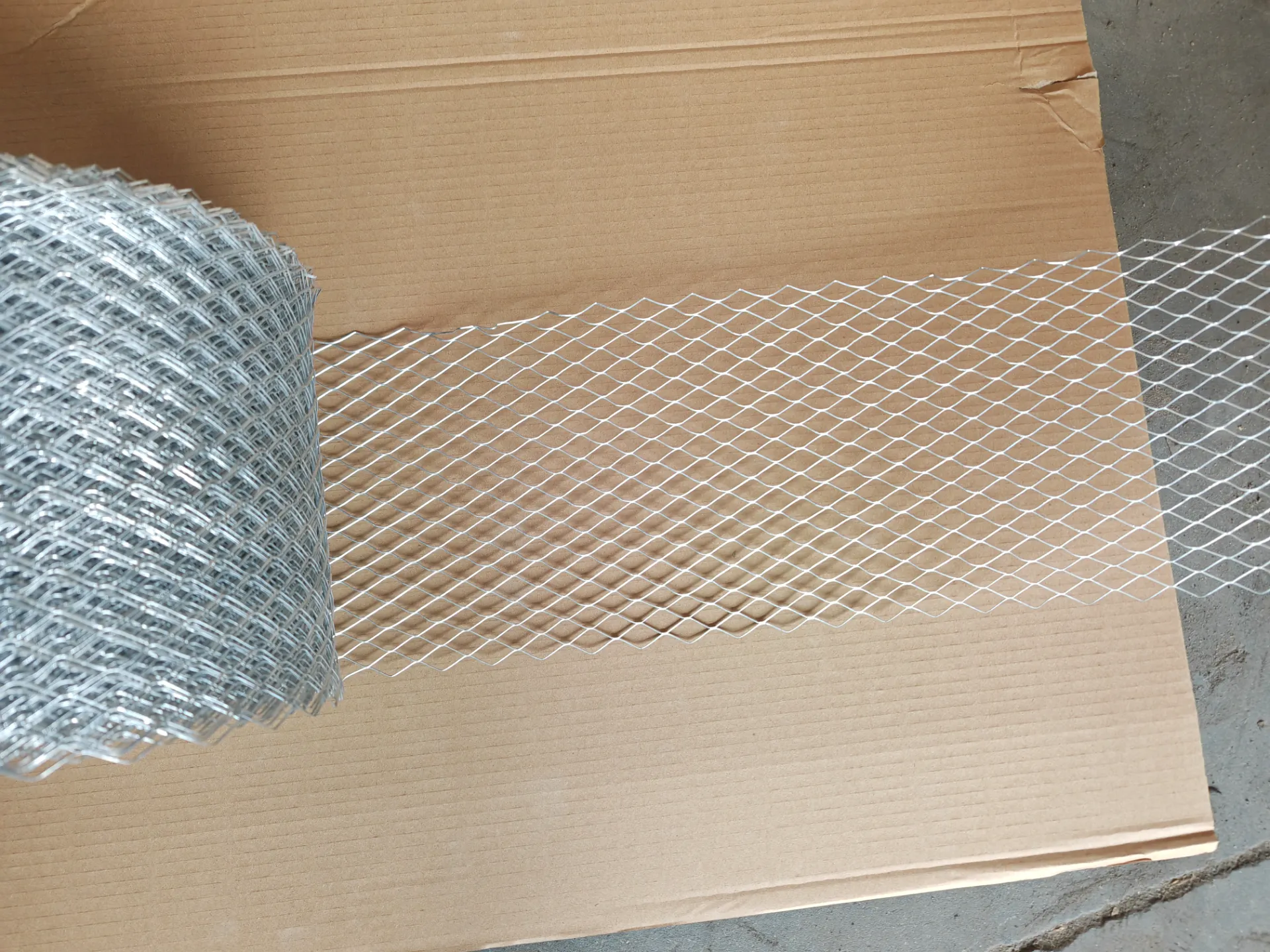
What the product is (and isn’t)
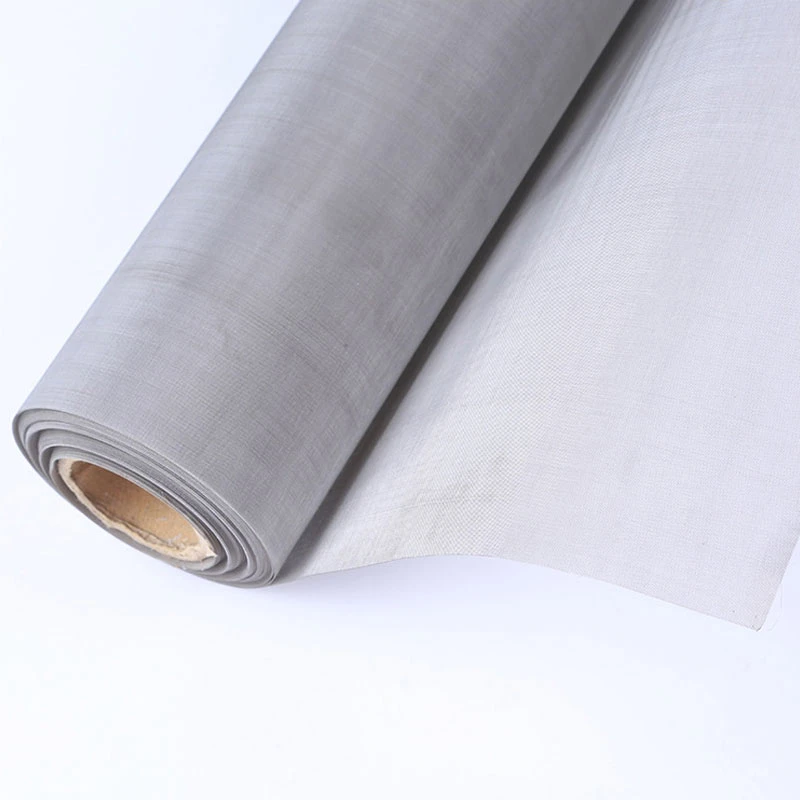
At heart, Reinforcement Mesh is factory-welded intersections of low-carbon steel wire. YJD uses Q235 (per GB/T 700), welded on automated lines. The baseline is black (plain) wire; projects often ask for hot-dip galvanized or epoxy-coated variants for exposure or chloride-heavy environments—but those are options, not defaults.
Typical technical specifications
| Material | Q235 low-carbon steel (GB/T 700), f_y ≈ 235 MPa; f_u ≈ 370–500 MPa |
| Mesh open size | 50×50 mm to 200×200 mm (custom patterns available) |
| Wire diameter | ≈ 3.0–12.0 mm (plain or ribbed) |
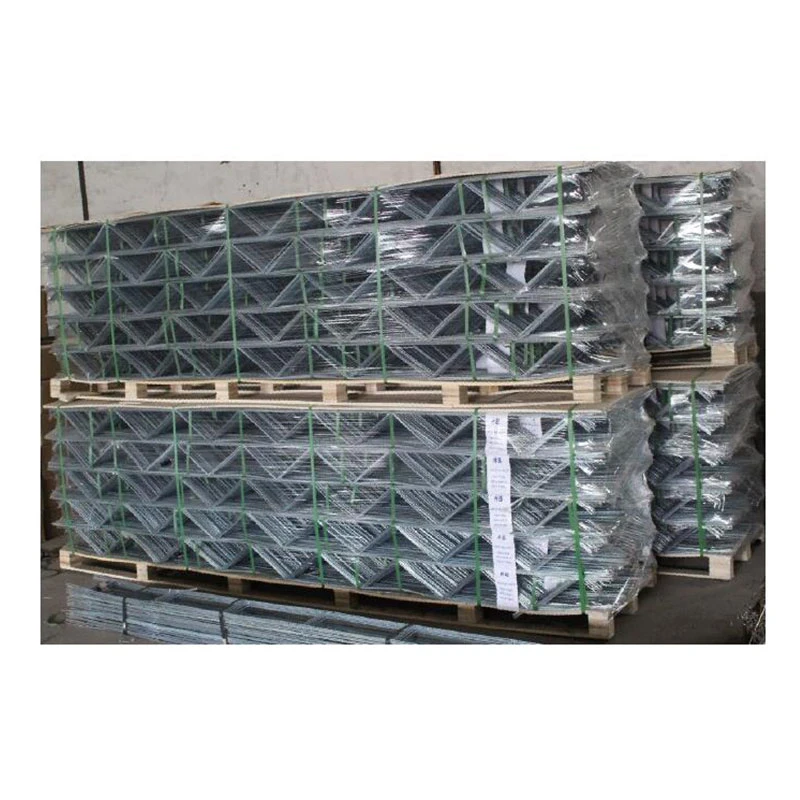
| Panel size | 2.0×3.0 m, 2.4×6.0 m; custom up to handling limits |
| Weld integrity | Shear tests per ISO 15630-2 / ASTM A1064; factory typical ≥ requirements, real-world may vary |
| Standards touchpoints | ASTM A1064, EN 10080 (steel), ISO 15630-2 (testing), JGJ/T 114 (CN application) |
Process flow and QA
- Material: Q235 wire rod → drawing → straightening → cut-to-length
- Methods: automated resistance welding; flatness control; trimming and bundling
- Options: black, hot-dip galvanized, or epoxy (project-driven)
- Testing: dimensional checks; weld shear and tensile per ISO 15630-2 / ASTM A1064; mill certs for chemistry and strength
- Service life: in concrete with adequate cover and low chloride, ≈ 50–100 years; exposure class rules apply
- Certifications: ISO 9001 at plant level; CE marking where applicable under EN routes
Where it’s used (and why contractors like it)
Slabs-on-grade, industrial floors, precast walls, pavements, tunnel shotcrete, retaining walls, even ag-builds. The big wins with Reinforcement Mesh are speed (less tying), repeatable spacing, and reduced waste. Many customers say installation feels “boringly fast,” which is a compliment on a tight pour window. Truth be told, the right mesh schedule can trim rebar labor by 30–50% on flatwork.
Vendor snapshot (real-world differences)
| Vendor | Compliance | MOQ | Lead time | Customization | Typical price/m² |
|---|---|---|---|---|---|
| YJD (Shenze, Hebei) | ASTM/EN/ISO, JGJ/T 114 | ≈ 5–10 tons | 2–4 weeks | High (mesh, panel, coating) | ≈ mid-low |
| Vendor M (EU) | EN 10080, ISO 15630 | ≈ 3–5 tons | 1–3 weeks | Medium | ≈ high |
| Vendor L (SEA) | ASTM A1064 (select) | ≈ 10+ tons | 3–5 weeks | Medium-High | ≈ low |
Pricing is indicative; real-world use may vary with steel index, coating, and logistics.
Customization that actually matters
- Mesh geometry tuned to crack control targets and load maps
- Panel sizing to reduce lap splices and crane picks
- Coatings for exposure classes (HDG/epoxy by spec)
- Project labels, bar codes, and sequence packing (surprisingly helpful on fast pours)
Field notes and case snippets
Industrial floor, 30,000 m²: switching to Reinforcement Mesh cut install time by ~38% and reduced lap waste by ≈ 12%. QC pulled random panels for weld shear—results cleared ISO 15630-2 with headroom. Another precast wall plant reported fewer dimensional rejections after moving to tighter flatness checks; I guess the new leveling rollers did the trick.
Spec and submittal checklist
- Material certs for Q235 chemistry and mechanicals (GB/T 700)
- Weld shear/tensile reports per ISO 15630-2 or ASTM A1064
- Panel drawings with mesh size, laps, and placement notes
- Coating process data if galvanized/epoxy is specified
Citations