Why Galvanized Construction Nails Continue to Be a Smart Choice
Having spent more than a decade working in the industrial equipment sector, particularly around construction hardware, I can tell you firsthand that galvanized construction nails are one of those unsung heroes in building projects. They’ve quietly stood the test of time—always there, doing their job, often overlooked but utterly essential.
Galvanized nails, if you’re not familiar, are steel nails coated with a layer of zinc to protect against corrosion. Their primary function is to hold wooden frames, supports, or other construction materials firmly together, but what really makes them special is their durability in challenging environments. Frankly, when you’re out on a job site that’s exposed to all sorts of weather, corrosion can wreck your work fast—so nails that rust slowly (or hardly at all) make all the difference.
Now, the process of galvanization typically involves hot-dipping the nail in molten zinc, ensuring an even and tough coating. This isn’t just a shiny layer; it chemically bonds and creates a barrier that naturally withstands moisture and air. Over the years, I've noticed that the quality of the galvanization makes or breaks the nail’s lifespan. Cheap zinc coatings can flake off, leaving that nasty vulnerable steel beneath. But a good batch stays put — and those nails will literally outlast your building.
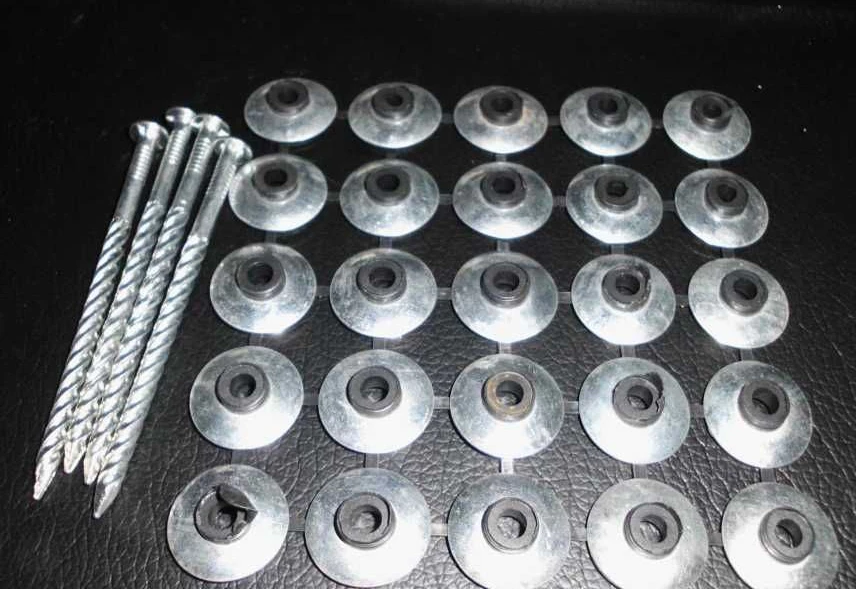
From a design perspective, galvanized construction nails come in a variety of sizes and forms—common nails, box nails, spiral and ring shanks. Each has a distinct advantage depending on your application. For instance, ring-shanked galvanized nails offer superior holding power, which is crucial when dealing with wood that might shift or shrink over time. I remember a project where those ring shanks saved us from several potential structural rehabs down the line.
In real terms, choosing the right nail is also about understanding where and how it's used. Generally, galvanized nails excel in outdoor applications or in structures exposed to moisture—fences, decks, roofing, or even framing in damp basements. I suppose it’s easy to overlook nails as a “small” detail, but putting subpar fasteners in these settings can cost you in repairs, downtime, and even safety.
| Specification | Details |
|---|---|
| Material | High-grade steel with hot-dipped galvanized zinc coating |
| Typical Sizes | 2d to 60d (1” to 3.5” length) |
| Coating Thickness | Standard ASTM B695 Class 55 minimum |
| Common Types | Flat head, spiral shank, ring shank |
| Typical Uses | Exterior framing, decking, fencing, roofing |
Oddly enough, many engineers and construction pros I know prefer galvanized nails over stainless steel nails for cost efficiency when corrosion resistance is necessary but extreme chemical resistance isn’t. It strikes a sweet balance between budget and performance. That balance made me realize why galvanized construction nails are still the industry's go-to solution for everyday jobs.
It’s also worth pointing out that vendors differ quite a bit in terms of supply consistency, coating quality, and price points. I worked with three popular suppliers recently and here’s a quick snapshot:
| Vendor | Coating Quality | Price per 1,000 Nails | Lead Time | Notes |
|---|---|---|---|---|
| Vendor A | High consistency, ASTM Class 55 | $45 | 2 weeks | Trusted, great for large orders |
| Vendor B | Moderate, some batch variation | $38 | 1 week | Best for quick turnaround |
| Vendor C | Lower, risk of coating flake | $30 | 3 weeks | Cheap but with quality risks |
From my experience, if you can invest a bit in quality coating and consistent supply, you save more in the long haul—not just on repairs but in client trust and less worry about warranty claims. A customer once called me after a deck installation complaining about early rust spots, and it came down to substandard nails being used. That taught me: don’t skimp on fasteners.
Finally, many manufacturers today allow some customization regarding nail length, head type, and coating thickness to suit specific projects. That flexibility is something I appreciate because job sites never quite match the “standard” mold. Whether you're fastening treated lumber or composite materials, discussing these options up front can save time and headaches.
In short, galvanized construction nails remain a cornerstone of solid building practice. Their robustness, paired with sensible pricing, keeps them relevant in an ever-evolving construction industry.
So next time you pick up those nails, remember—they’re not just little pieces of metal. They’re critical components that hold your projects (and sometimes reputations) together.
References:
- ASTM International. ASTM B695 Standard Specification for Zinc Coating (Hot-Dip) on Iron and Steel Hardware
- Construction Industry Institute, Fastening Best Practices Guide
- Personal experience managing commercial and residential construction projects over 15 years