Why Soft GI Wire Still Holds Its Ground in Industry
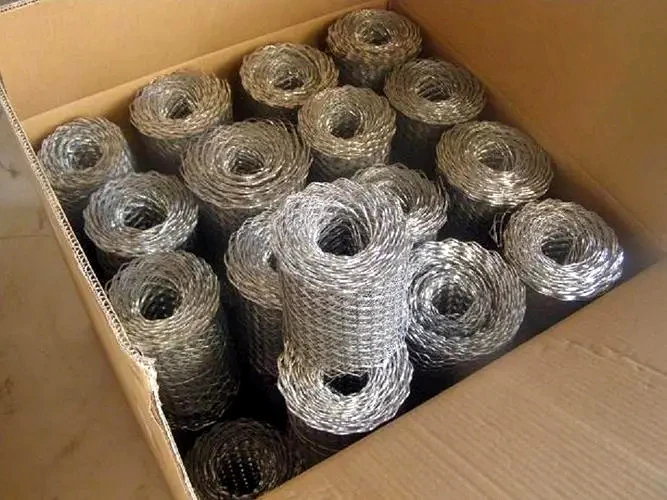
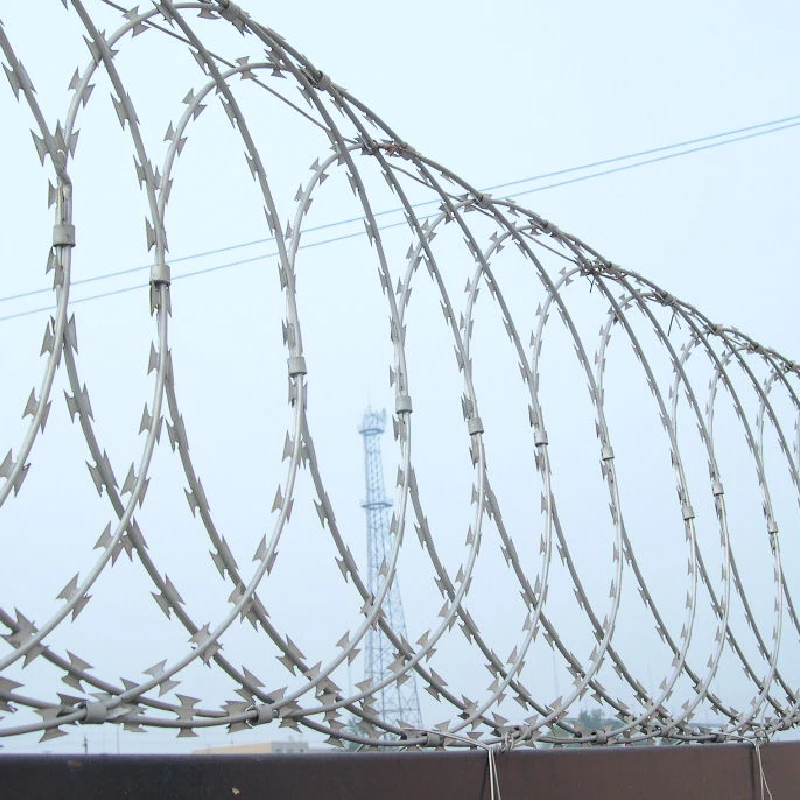
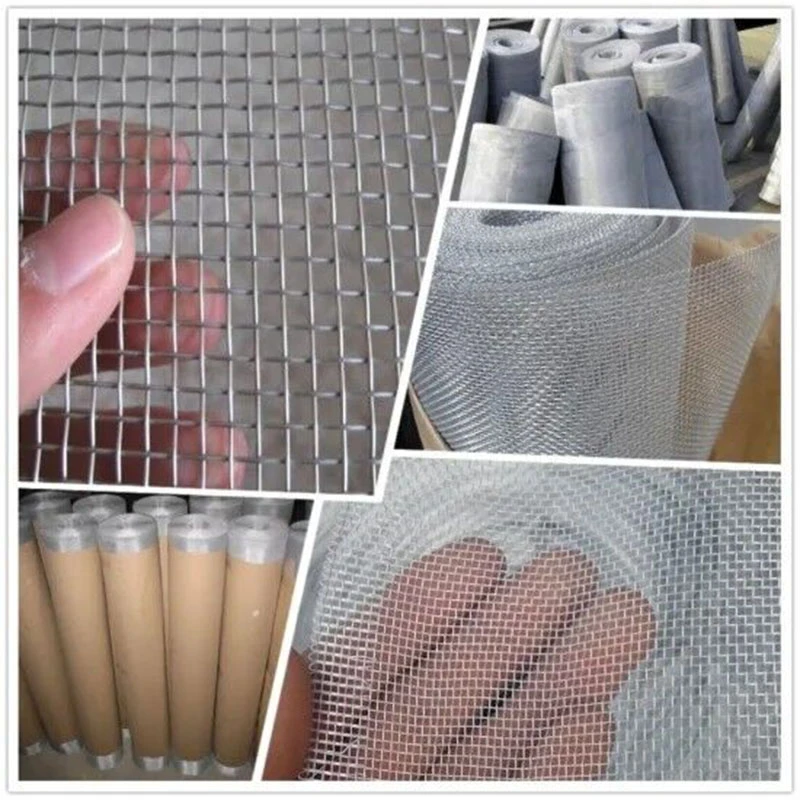
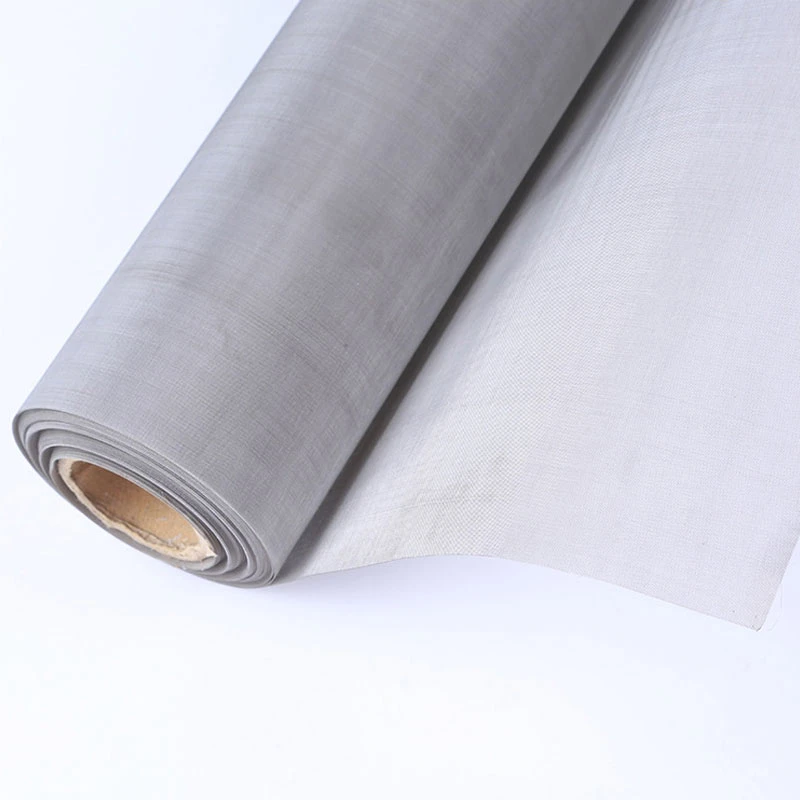
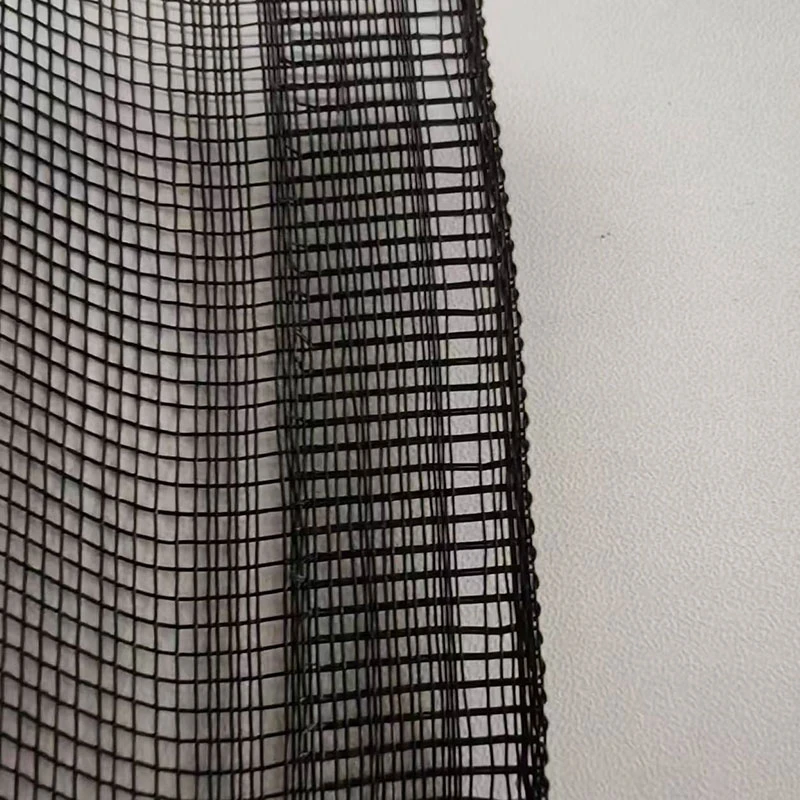
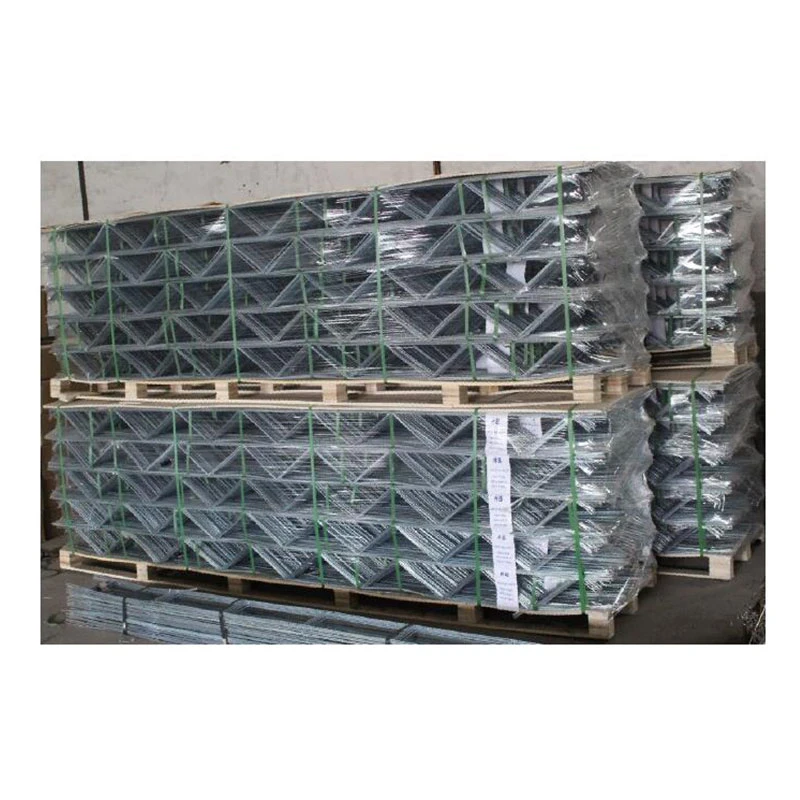
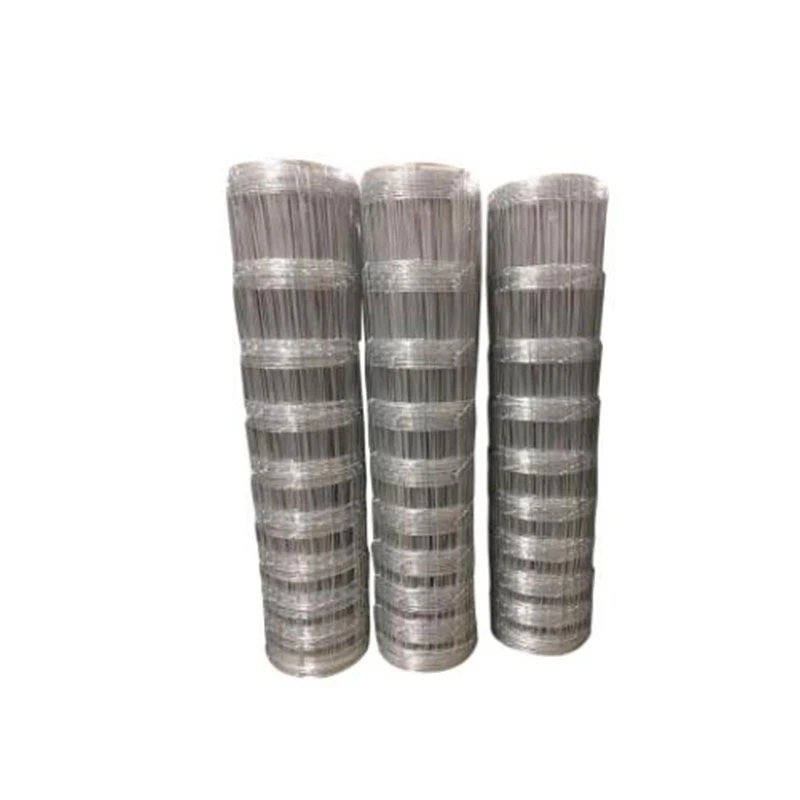
Having spent more than a decade in the industrial equipment sector, I can say that soft GI wire is a surprisingly underrated hero. It’s one of those things that quietly does its job under tough conditions, without fuss. You find it in construction sites, fencing, agricultural applications, and even as raw material for various wire mesh products.
Oddly enough, while newer materials pop up all the time promising better performance, soft GI wire remains a staple because of its unique combination of flexibility and corrosion resistance. To someone new, "soft" might sound weak — but it really just means the wire is malleable enough to bend without snapping, which translates to easier handling and installation on the ground.
Navigating Product Specifications: What Really Matters
In practical terms, soft GI wire is low carbon pickled steel wire with a galvanized coating to prevent rust. This coating is the thing that gives it the 'GI' or galvanized iron classification. The “soft” attribute mainly depends on the wire’s ductility and the annealing process it undergoes.
| Specification | Details |
|---|---|
| Material | Low carbon steel |
| Galvanization | Hot-dip galvanized coating |
| Diameter Range | 0.2 mm to 4.0 mm |
| Tensile Strength | 350 - 550 MPa (varies) |
| Surface Finish | Smooth, uniform zinc coating |
| Applications | Fencing, binding, construction, mesh fabrication |
One thing to always check is the zinc coating thickness. Many engineers say it can make or break the wire’s lifespan, especially outdoors. Plus, the uniformity matters – if it’s patchy, corrosion creeps in faster. I learned this the hard way once on a rainy job where some so-called “premium” wires started rusting within months. Lesson? Don't cut corners even if you think it's “just wire.”
Vendor Comparison: Picking the Right Supplier
Over the years, I’ve dealt with a few soft GI wire suppliers. Not all are created equal, naturally. Here’s a quick table comparing key factors I consider important, especially when timelines and quality are tight:
| Supplier | Quality Control | Customization Options | Delivery Timelines | Price Range |
|---|---|---|---|---|
| YJD Wire Mesh | Strict QC, ISO certified | Diameter, zinc coating customizable | Usually 2–4 weeks | Mid-range, value for money |
| Vendor B | Average quality checks | Limited customization | 3–6 weeks | Lower price |
| Vendor C | High quality, but inconsistent batch delivery | Custom orders possible but pricey | Varies, often delayed | Premium priced |
Real-World Usage: Flexible Yet Rugged
I remember a recent project where a client needed fencing for livestock in a particularly wet area. Soft GI wire was the obvious choice — it bent easily around uneven terrain and stood up well to humidity thanks to its galvanized layer. The customer was happy with how straightforward installation was, no specialized tools needed. It’s that kind of versatility that keeps soft GI wire in the toolkits of field engineers and site planners.
All in all, if you’re sorting through options for wiring and mesh, don’t overlook the humble soft GI wire. It kind of bridges the gap between cheap and brittle and high-end steel in a lot of settings. Sometimes the old faithfuls have better stories to tell than the shiny new alloys.
For more details on specialized options and custom orders, you’ll want to check out this supplier. They’ve been around and hold pretty tight standards, which means less hassle and more reliability on site.
References and notes:
- Industry reports on galvanized wire durability, 2023
- Personal experience from multiple construction projects, 2015–2023
- YJD Wire Mesh product catalog and technical sheets