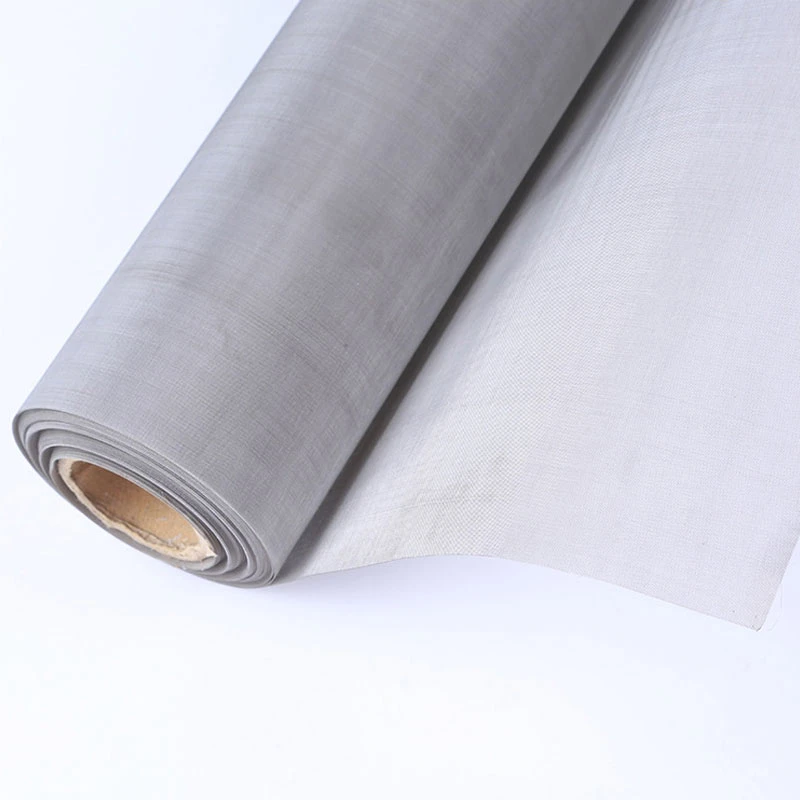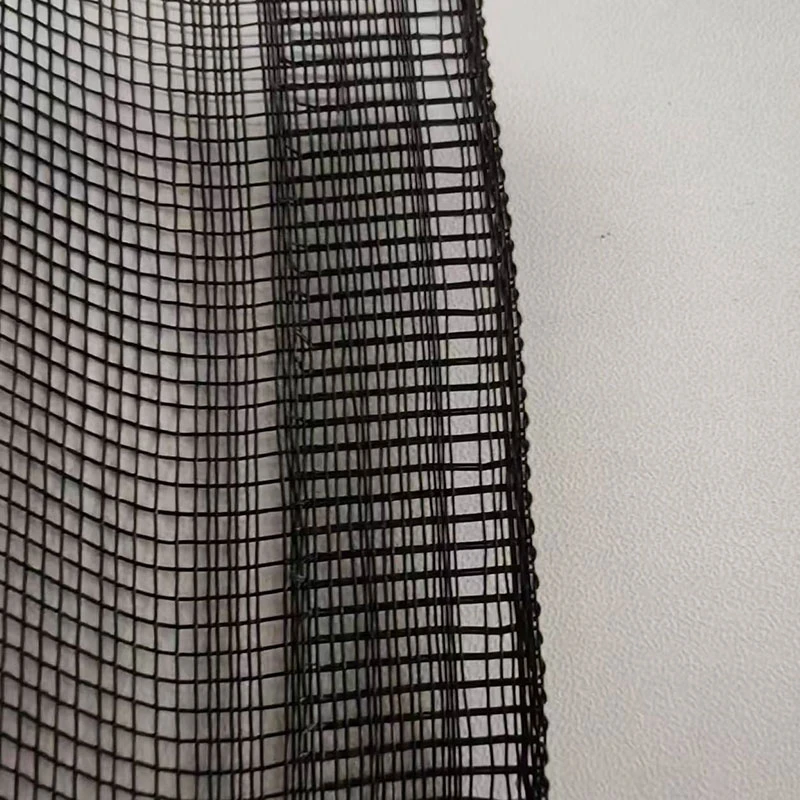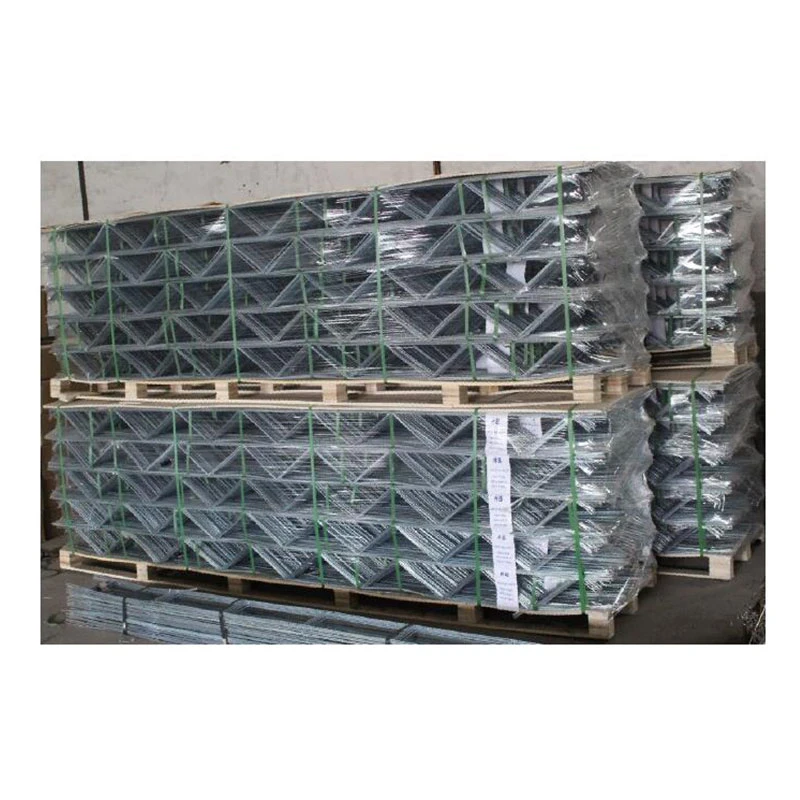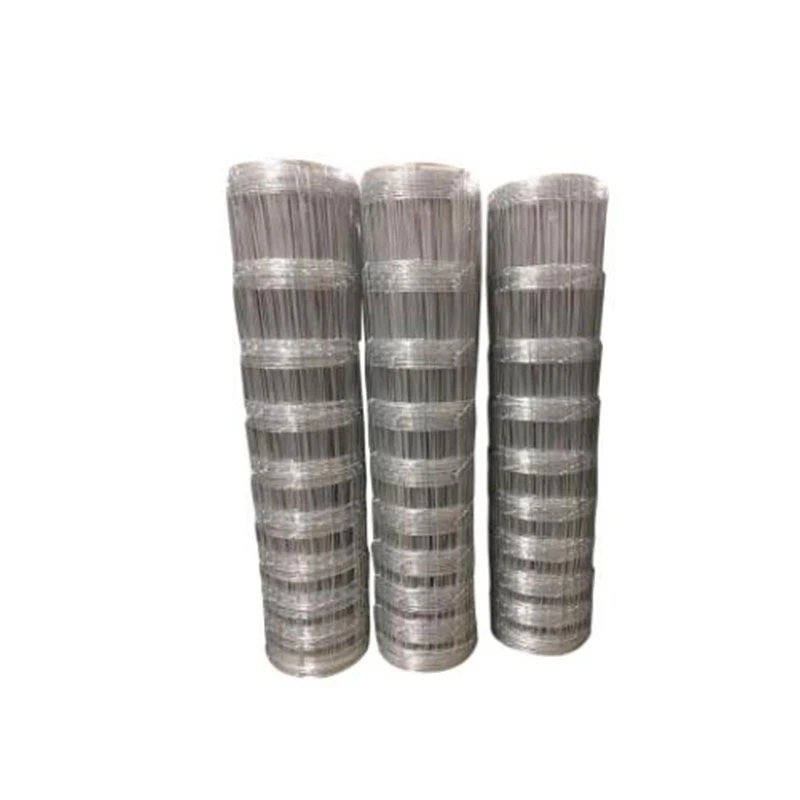
Why Soft Galvanized Wire Still Works Wonders in Industry
Having spent more than a decade tinkering with all sorts of industrial wires and meshes, I can tell you this — soft galvanized wire remains an unsung hero in the manufacturing and construction world. It may not have the flashiest name, but its dependable combination of flexibility and corrosion resistance makes it a favorite among engineers and fabricators alike.
Honestly, when I first got into the field, I thought galvanized just meant rust-proof. Turns out, it’s a bit more nuanced. The “soft” part refers to the wire’s ductility — it bends, twists, and weaves without snapping, a key feature for applications like fencing, binding, and reinforcement in concrete. It’s almost like the wire has a personality: tough but willing to play along.
How Material and Design Make All the Difference
Soft galvanized wire starts as low-carbon steel and undergoes a hot-dip or electro-galvanizing process. This zinc coating protects the wire from rust, but it’s not just a thin layer slapped on — the thickness of the zinc can vary based on the needs of your project, affecting durability and lifespan.
The beauty of soft wire is in how it’s manufactured. It’s drawn through a series of dies to reach the desired diameter, then carefully galvanized. The process must be tightly controlled; too rigid, and the wire loses flexibility, too soft and it risks breaking under tension.
Soft Galvanized Wire Applications: From Construction to Crafts
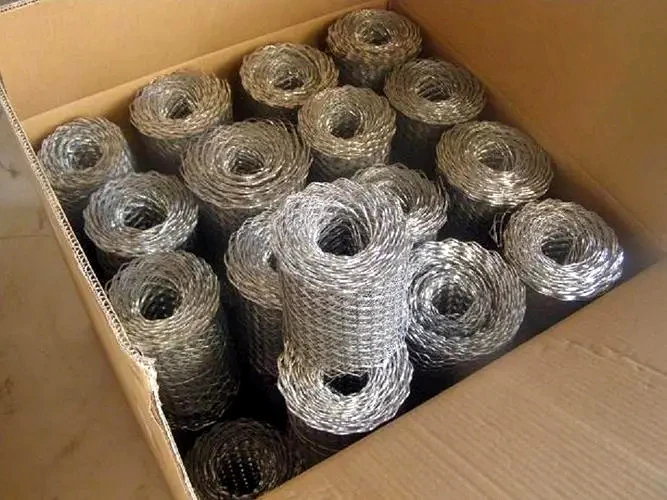
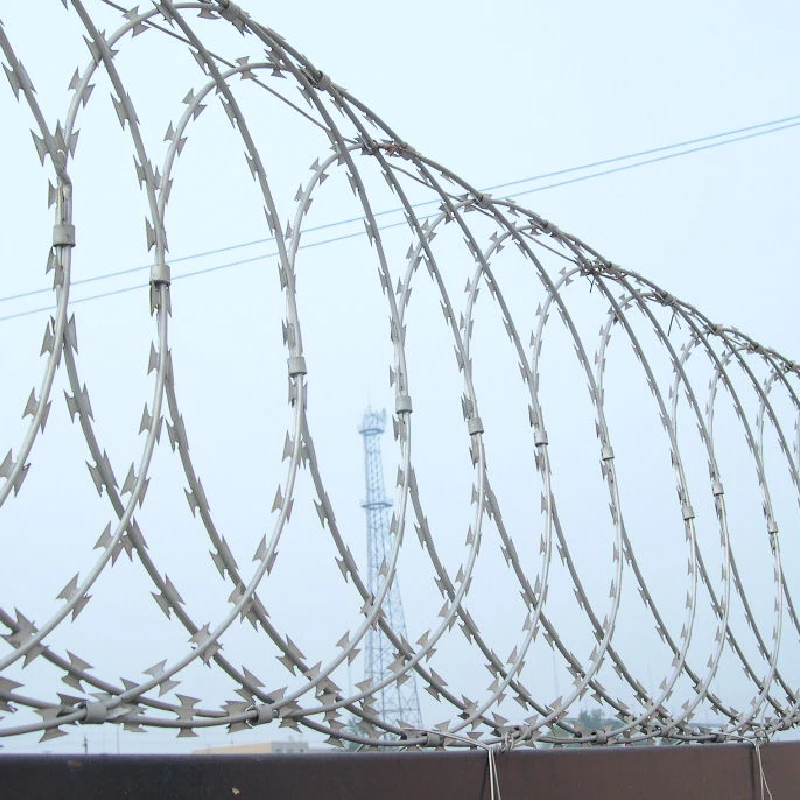
In real terms, this wire is everywhere — from simple garden fencing to heavy-duty pallets, even craft projects and electrical cable supports. A customer I worked with once used it to secure large steel coils for shipment. They needed a wire that could bend to shape without leaving weak spots and that wouldn’t corrode during long storage periods. The soft galvanized wire ticked all those boxes spectacularly.
Many engineers swear by it for its adaptability. It’s easy to handle on the job site, resists weather well, and can be twisted or tied without special tools. Oddly enough, it sometimes outperforms more ‘modern’ wires that promise extra strength but lack in flexibility.
Soft galvanized wire product specifications at a glance
| Specification | Details |
|---|---|
| Material | Low-carbon steel |
| Surface Treatment | Hot-dip or Electro Galvanized (Zn coating) |
| Diameter Range | 0.20 mm – 6.0 mm (typical) |
| Coating Thickness | 30 – 200 g/m² (varies by spec) |
| Tensile Strength | Approximately 350-500 MPa |
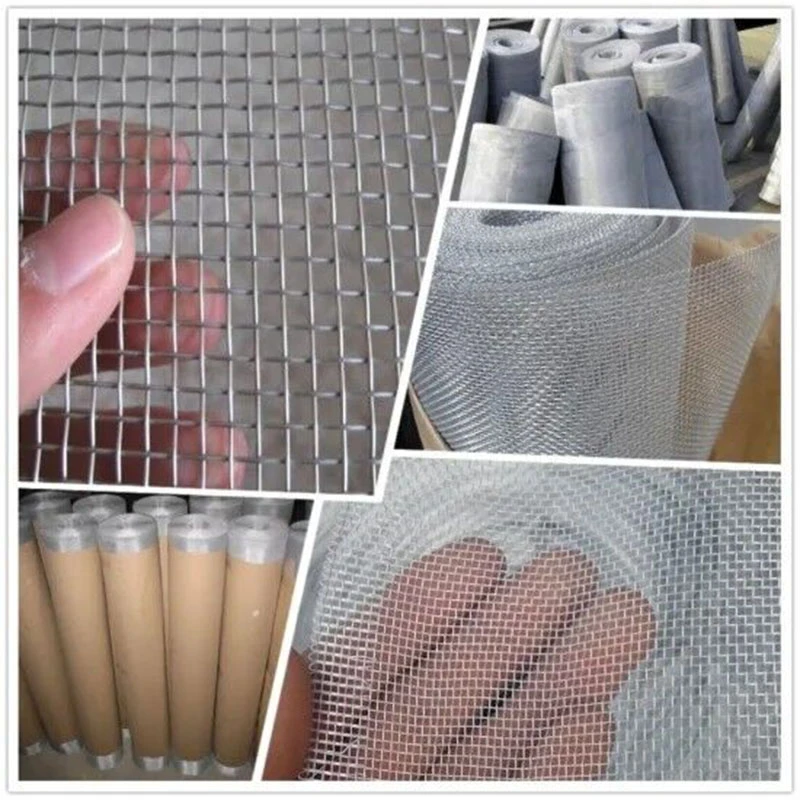
| Typical Uses | Fencing, binding, mesh, reinforcement |
Comparing Soft Galvanized Wire Vendors – What to Look For
Choosing the right supplier for soft galvanized wire can be a bit of a minefield. You want consistency, competitive pricing, and some flexibility in customization. I’ve compiled a quick comparison of three vendors we often see in the industrial marketplace:
| Vendor | Avg. Lead Time | Customization | Zinc Coating Options | Price Range |
|---|---|---|---|---|
| YJD Wire Mesh | 7-10 days | Wide (diameter, coating) | Hot-dip, electro galvanized | $$ |
| Supplier B | 10-14 days | Limited (mostly standard sizes) | Electro galvanized only | $ |
| Supplier C | 5-7 days | Moderate | Hot-dip galvanized only | $$$ |
To wrap up — soft galvanized wire might just be one of those simple, reliable materials that quietly gets the job done without fuss. It’s not glamorous, but its blend of resilience and versatility keeps it firmly in demand, especially when you factor in ease of working with it on-site and the peace of mind that rust won’t sneak up too soon.
If you ever find yourself bargaining with suppliers or deciding specs for the next batch, take a moment to think about zinc coating thickness and wire diameter — they’re more important than you’d guess. Small adjustments can mean a huge difference in the field.
Anyway, that’s my two cents from years of handling this stuff and chatting with the folks who put it to work daily. It’s one of those materials I keep coming back to — stubbornly classic.
References & Further Reading
- Industry Wire Specifications Handbook, 2023
- Conversations with Field Engineers, 2022
- YJD Wire Mesh Official Website