Stainless Steel Ring Shank Roofing Nails: Durability Meets Design
Having been around the block in industrial equipment for over a decade, I've come to appreciate the little things that make a big difference on a job site. Take stainless steel ring shank roofing nails, for example. They might look like just another nail to the untrained eye—just a piece of metal fastener—but in real terms, these nails are quietly critical when it comes to securing roofing materials that need to last through harsh weather, shifting temperatures, and time itself.
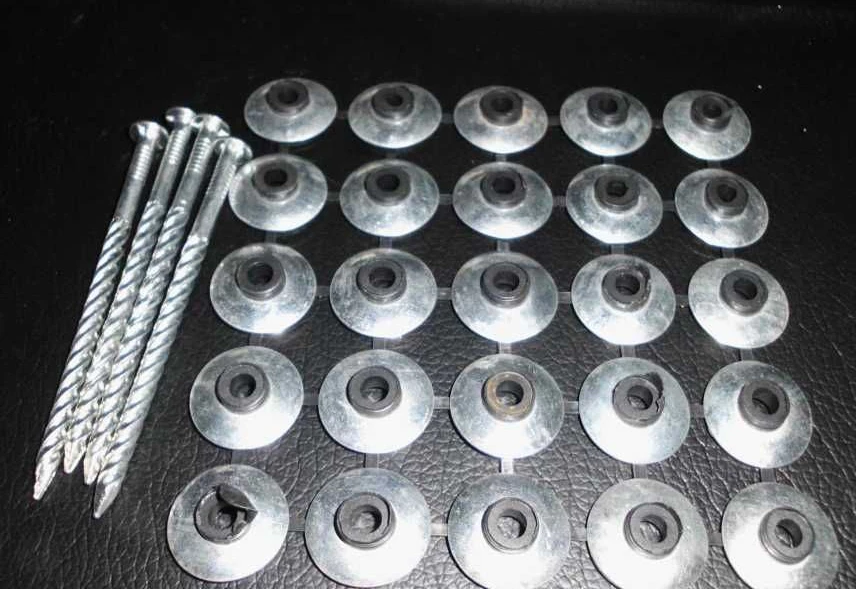
Honestly, ring shank nails aren’t the flashiest fasteners out there, but their design has a kind of genius simplicity. The rings along the shank grip the wood as it dries and contracts, providing superior holding power compared to smooth-shank nails. When you combine that with corrosion-resistant stainless steel, you get something that rarely lets you down. It’s like having a vault for your shingles and underlayment.
In the industrial equipment domain, we've learned over time that material matters. Stainless steel nails resist rust, which means fewer callbacks for roofing repairs or replacements due to nail failure. Oddly enough, not all stainless steels are created equal—even though the grade 304 is standard, some projects might call for the slightly heavier-duty 316 grade, especially near saltwater environments or industrial pollutants.
Testing these nails isn’t just a checkbox exercise. Many engineers say that real-world pullout resistance tests and corrosion testing under accelerated weather simulation help determine if a roofing nail can be trusted. I recall a midsize roofing company that switched to these ring shank nails and noticed a marked decrease in blow-off incidents during storms. Their team seemed relieved, and frankly, so were their clients.
Customization, too, is surprisingly common. Length, head diameter, and shank pattern adjustments exist depending on the substrate or roof type. While most come with a 15 to 20 mm head diameter and lengths from 1½ inch to 3 inches, bespoke options can tailor grip force to unusual materials. And yes, it feels a bit over the top sometimes, but it’s better to be precise when you’re dealing with expensive roofing systems.
| Feature | Specification |
|---|---|
| Material Grade | Stainless Steel 304 or 316 |
| Nail Length | 1½" to 3" (38mm to 76mm) |
| Shank Type | Ring Shank (multi-ring pattern) |
| Head Diameter | 15mm to 20mm |
| Finish | Bright, Passivated, or Electro-polished |
| Pull-Out Strength | Typically 150+ lbs (depending on wood density) |
| Corrosion Resistance | Excellent, ASTM-tested |
Since the industrial equipment market isn’t a one-size-fits-all game, I thought it’d be useful to highlight how a few popular vendors stack up when it comes to these nails. You know, when you’re choosing suppliers, factors like quality consistency, price, and material traceability sneak up fast as decision drivers.
| Vendor | Material Grade | Quality Certification | Price Range (per 1,000 nails) | Lead Time |
|---|---|---|---|---|
| YJD Wire Mesh | 304 / 316 SST | ISO 9001, ASTM F1667 | $120 - $160 | 2-3 weeks |
| FastenPro Nails | 304 SST | ISO 9001 | $110 - $140 | 1-2 weeks |
| MetalEdge Supplies | 316 SST (premium) | ASTM F1667 | $150 - $190 | 3-4 weeks |
In my experience, the “sweet spot” is often a balance of dependable delivery, trusted quality standards, and a fair price point. That’s where vendors like YJD Wire Mesh come in handy, especially when sourcing for both industrial and commercial roofing jobs.
Summing it up, stainless steel ring shank roofing nails might not steal the spotlight, but if you want a roofing job that holds tight, resists corrosion, and interacts well with modern materials… well, they’re probably your best bet. I guess the takeaway is simple: sometimes, the smallest parts make the biggest difference on the roof.
References:
- ASTM F1667 - Standard Specification for Driven Fasteners
- Industry Pullout Test Reports, Various Roofing Specialists (2018-2023)
- Corrosion Resistance Studies, Journal of Building Materials (2021)
© 2024 Industrial Equipment Insights