Stainless Steel Window Screen: field notes from a wire mesh insider
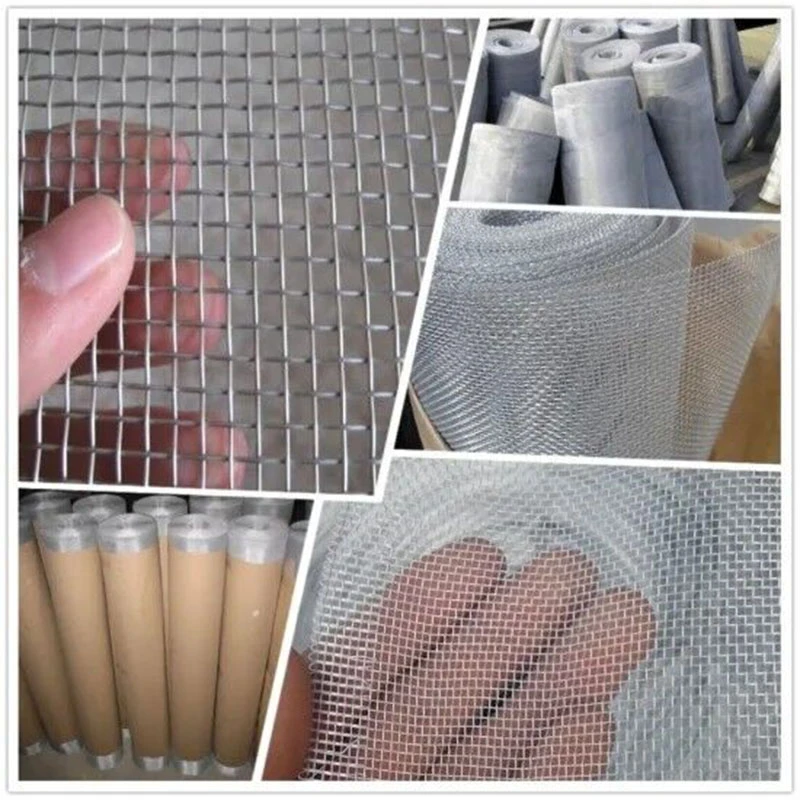
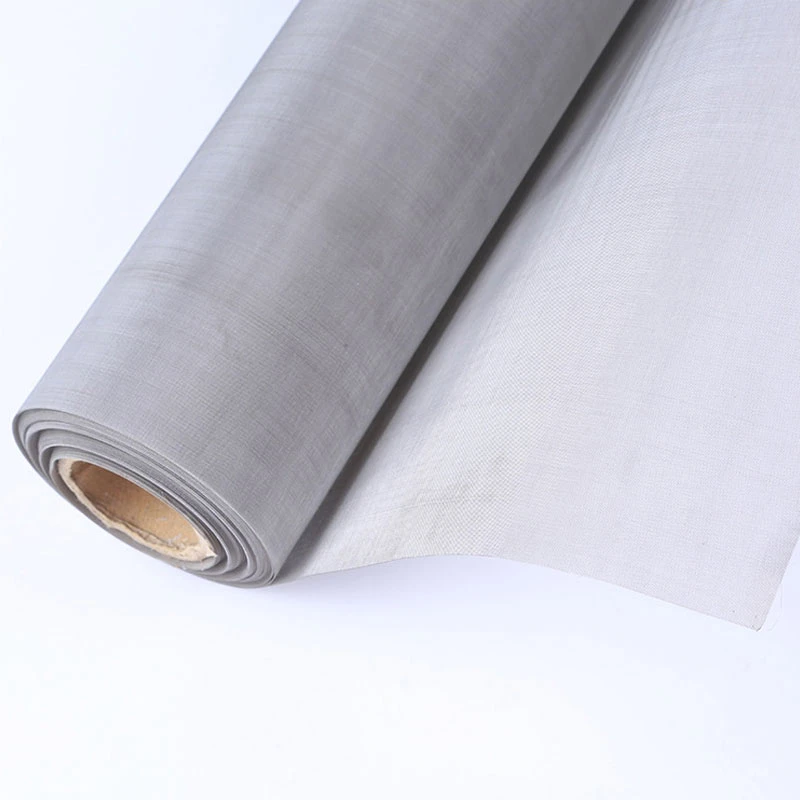
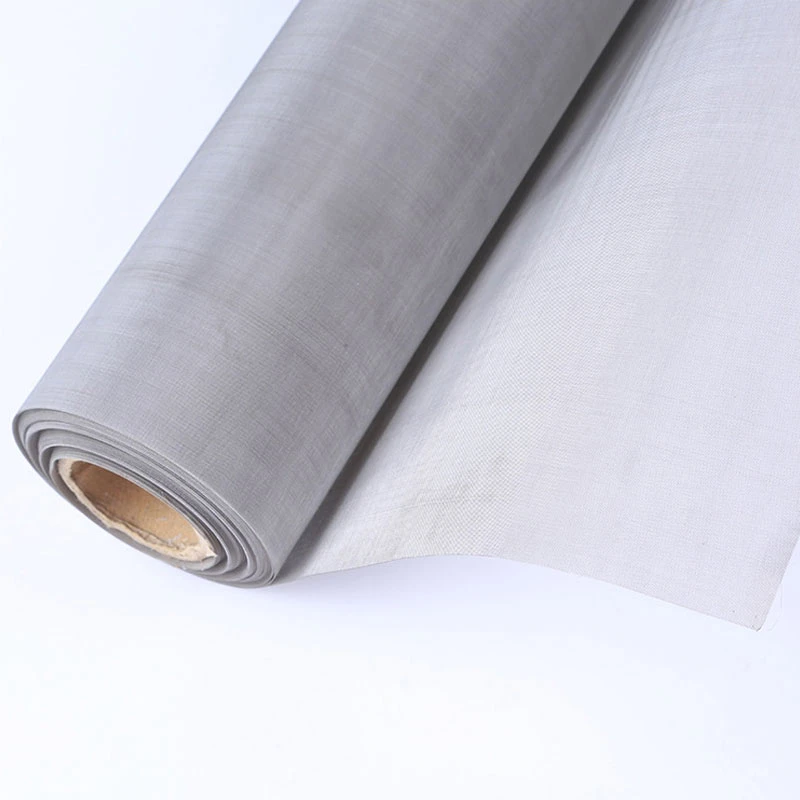
If you’ve ever wondered why builders are switching from fiberglass to metal mesh, you’re not alone. The moment I handled my first Stainless Steel Window Screen, the difference felt obvious—tighter weave, real rigidity, and that reassuring “this will last” vibe.
What’s trending (and why it matters)
Across coastal builds and high-rise retrofits, demand for 316/316L grades is climbing—salt spray and acid rain don’t play nice with cheaper meshes. There’s also a quiet shift to darker, low-reflective finishes for better outward visibility. Honestly, once you see the optical clarity of a well-woven Stainless Steel Window Screen, going back feels… dated.
Origin and build quality
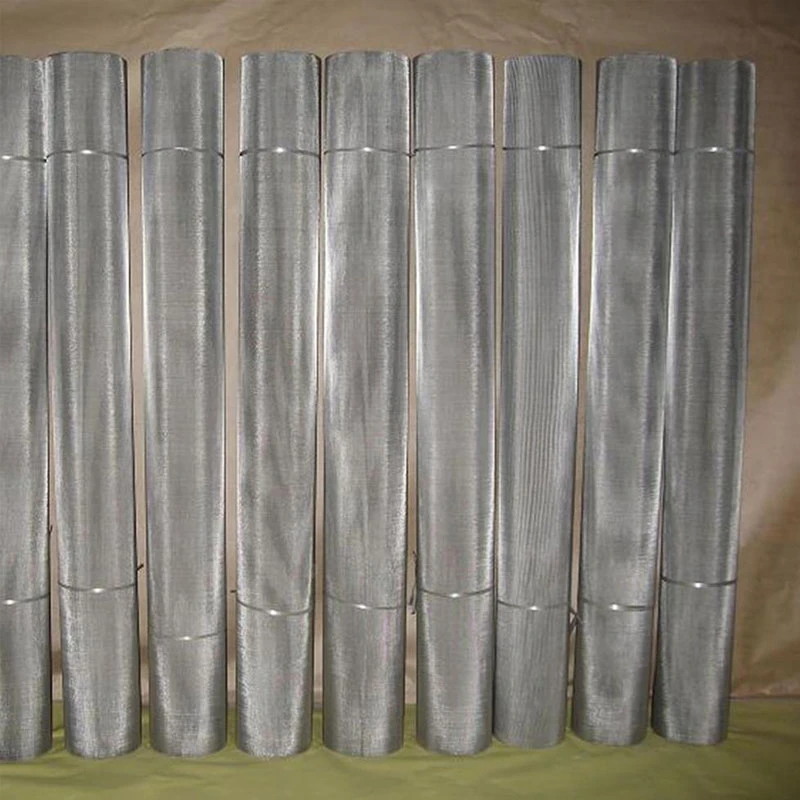
Made in the Building Material Production Base of Shenze, Shijiazhuang, Hebei, China, these screens are woven from high-quality stainless steel wire for durability and long service life. Many customers say they installed once and forgot about it—no sagging, no chalking, no pesky tears.
Typical specifications (real-world use may vary)
| Parameter | Spec (≈) | Notes |
|---|---|---|
| Mesh count | 18×16, 16×16, 18×14 | Other meshes on request |
| Wire diameter | 0.25–0.33 mm | Tensile 700–1000 MPa (typ.) |
| Open area | 40–55% | Airflow vs. insect exclusion balance |
| Material grade | SS 304, 316, 316L | 316/316L for coastal |
| Width × length | 0.8–1.5 m × 30 m | Custom cuts available |
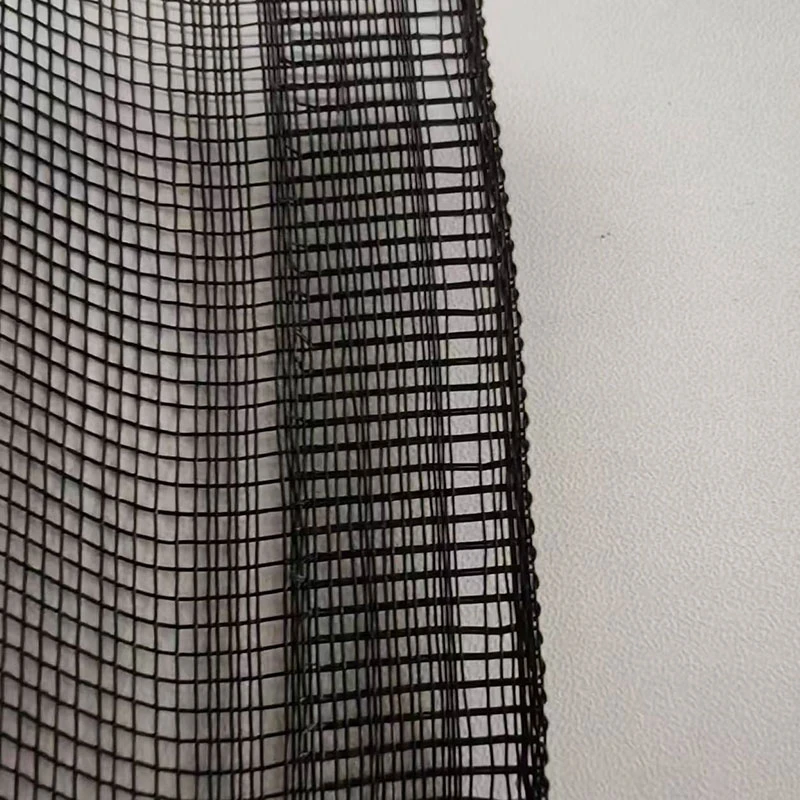
| Finish | Plain weave, degreased, passivated | Optional black powder coat |
Process, testing, and standards
- Materials: cold-drawn SS wire per ASTM A580/A580M, heat-number traceable.
- Weaving: precision plain weave to ASTM E2016 tolerances; anneal and passivate.
- QC: mesh count ±2%, wire dia. ±0.01 mm, flatness
- Corrosion: ISO 9227 NSS 240–480 h (316L shows no red rust in lab conditions).
- Certifications: ISO 9001 QMS; RoHS/REACH-compliant finishes upon request.
- Service life: ≈10–20 years inland; ≈8–12 years coastal (care-dependent).
Where it’s used
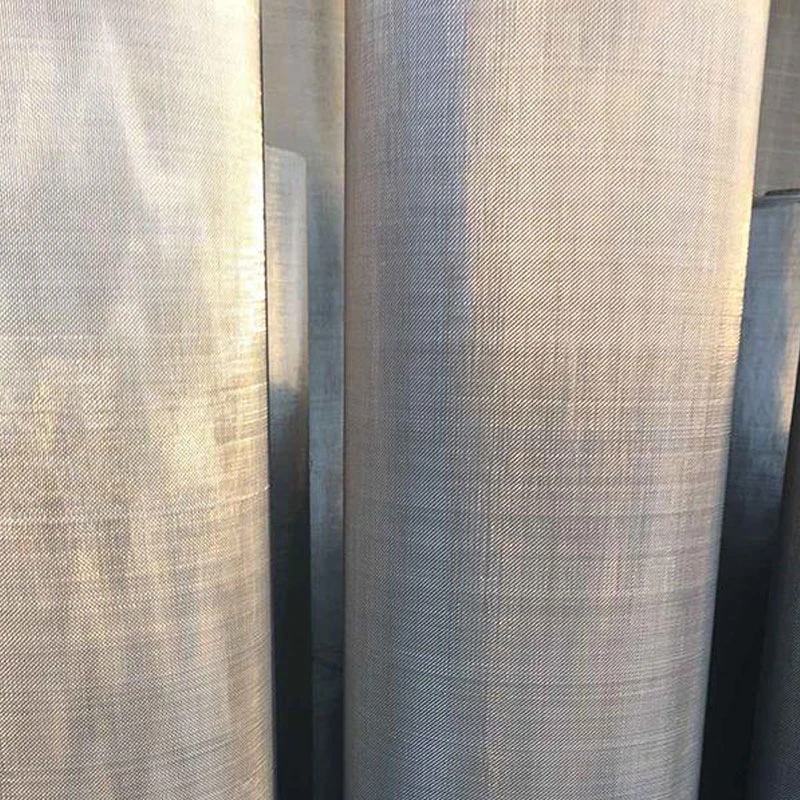
Residential doors/windows (uPVC, aluminum, wood frames), healthcare ventilation, food plants (HACCP-friendly), coastal resorts, schools, and—surprisingly—server rooms where airflow matters but pests must be out.
Real-world snapshots
- Coastal villa retrofit: swapped fiberglass for Stainless Steel Window Screen 316L; zero corrosion after a year of sea breeze and storms.
- Snack factory: 18×16 mesh cut airborne insect ingress to near-zero without choking airflow, according to the plant engineer.
Vendor comparison (quick take)
| Criteria | YJD Wire Mesh (Shenze, Hebei) | Generic Importer | Local Fabricator |
|---|---|---|---|
| Material traceability | Heat-numbered 304/316/316L | Partial | Varies |
| Mesh tolerance | ASTM E2016 Grade 2–3 | Unspecified | Shop-dependent |
| Lead time | 7–15 days | 15–30 days | 2–10 days (limited) |
| Certification | ISO 9001; test reports | Basic | Rare |
| Customization | Cut-to-size, black coat | Limited | Basic |
Customization and install notes
Choose 316/316L for seaside builds; stick to 18×16 for balanced airflow and bug control. Frames: standard spline systems work; request edge trimming to avoid frays. I guess the only surprise is how “invisible” a properly tensioned Stainless Steel Window Screen looks from inside.
Customer feedback: “We left windows open all summer—no corrosion, no dents, and the breeze is back.”
References
- ASTM E2016 – Standard Specification for Industrial Woven Wire Cloth.
- ASTM A580/A580M – Stainless Steel Wire for General Requirements.
- ISO 9227 – Corrosion tests in artificial atmospheres (salt spray tests).
- ISO 9001 – Quality management systems requirements.