Introduction to Crimped Mesh Solutions
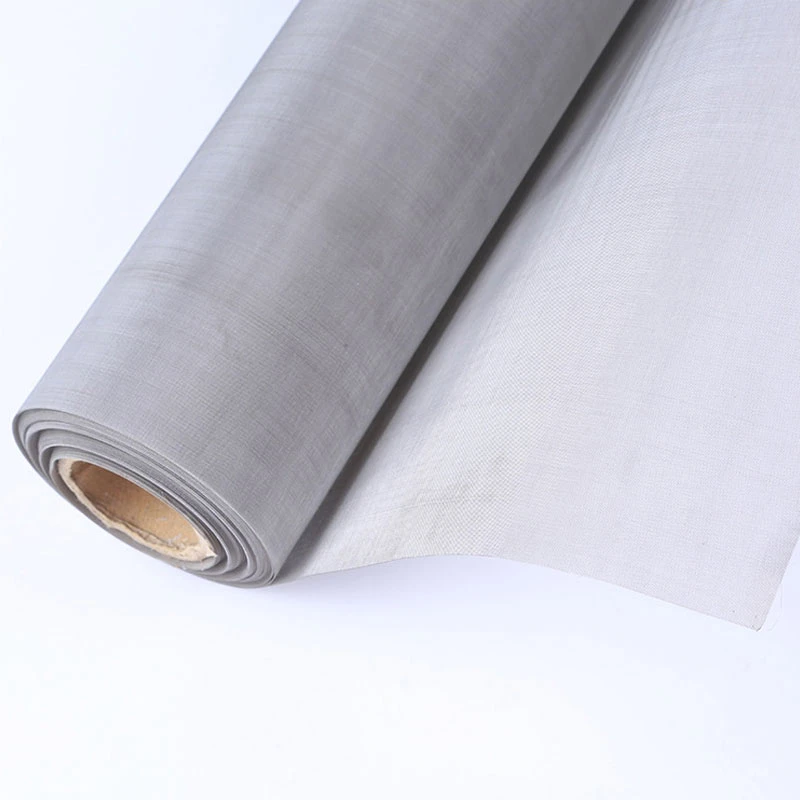
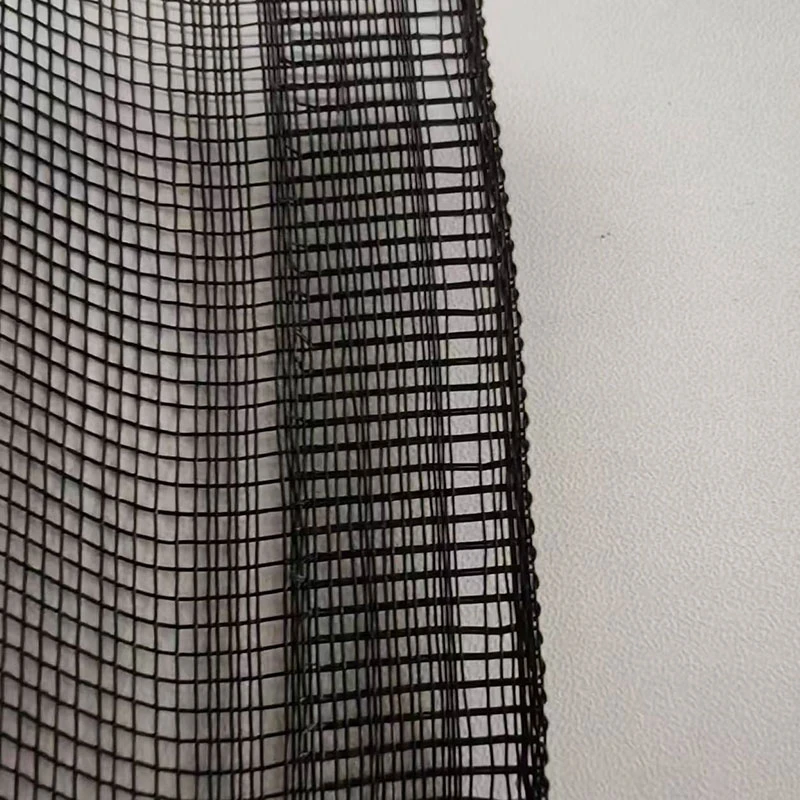
Crimped mesh represents a foundational component in industrial filtration, screening, and architectural applications, distinguished by its unique pre-crimping process that ensures exceptional structural integrity and stability. This engineered wire product is meticulously designed to meet the rigorous demands of various B2B sectors, offering superior durability, precise aperture control, and robust performance under challenging conditions. From heavy-duty screening in mining to fine filtration in petrochemical processes and aesthetic infill panels in modern architecture, the versatility and reliability of this material are unparalleled. This article delves into the technical intricacies, application advantages, and comprehensive solutions surrounding this critical industrial material, providing insights for engineers, procurement managers, and industry professionals.
Manufacturing Process Flow of Crimped Mesh
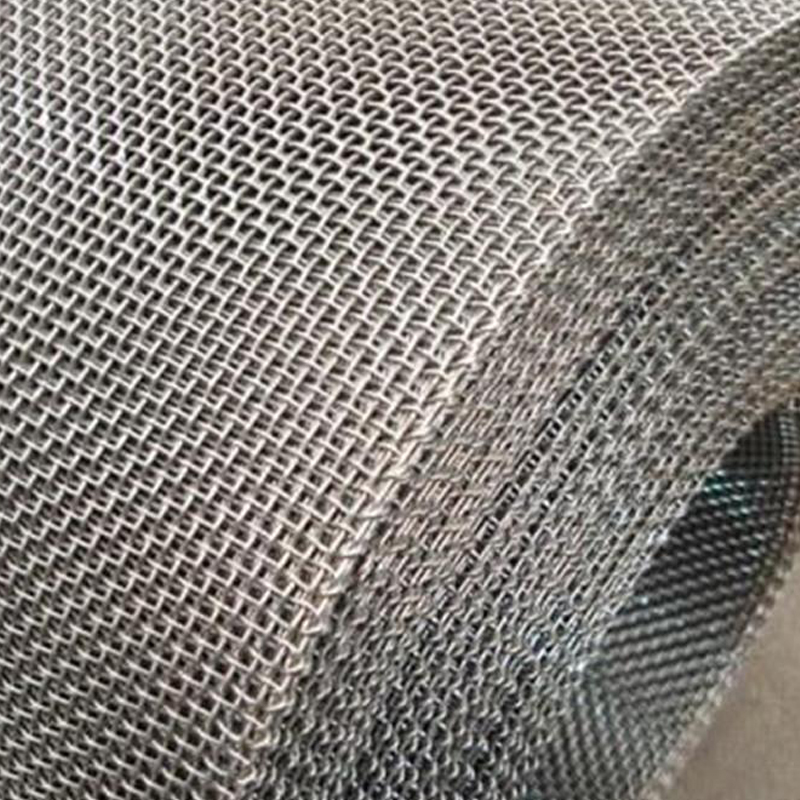
The production of crimped mesh is a sophisticated process that begins with the selection of high-grade raw materials, primarily various alloys of wire. The pre-crimping of individual wires before weaving is the defining characteristic, providing uniform aperture size and exceptional structural rigidity. This method differentiates crimped wire mesh from standard woven mesh by locking the wires firmly in place.
Key Materials and Manufacturing Steps:
- Material Selection: Wires are typically chosen based on application requirements, including stainless steel (e.g., SS304, SS316, SS316L for corrosion resistance), carbon steel (plain steel, galvanized for strength and cost-effectiveness), spring steel (for high elasticity), and specialty alloys.
- Wire Straightening and Cutting: Coiled wire spools are fed into straightening machines and cut to precise lengths required for the weaving process.
-
Pre-Crimping: This is the most critical step. Individual warp and weft wires are fed through specialized crimping machines that form uniform corrugations (crimps). Common crimp types include:
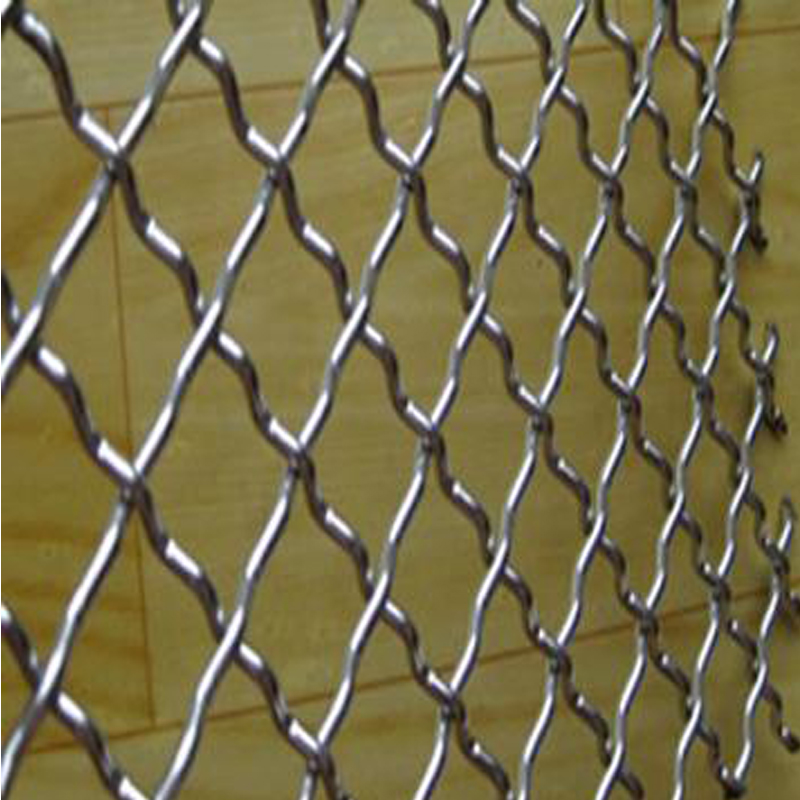
- Plain (or Single) Crimp: Wires are crimped at the points of intersection, creating a rigid structure suitable for lighter applications.
- Double Crimp: Both warp and weft wires are crimped, resulting in a robust, square opening mesh with high stability, ideal for larger opening sizes and heavier wires.
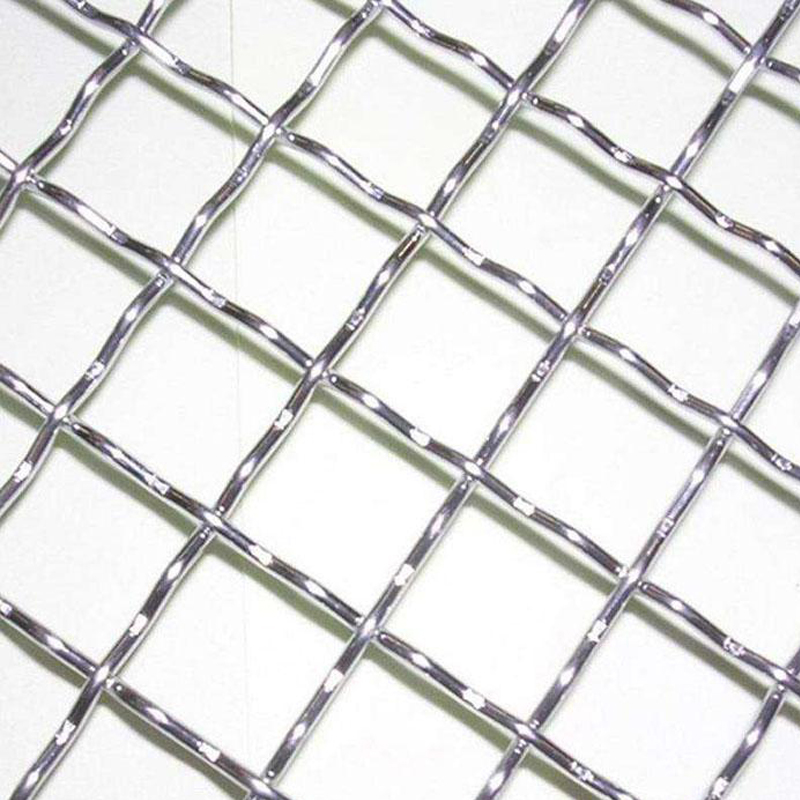
- Lock Crimp: Deep crimps are formed on both sides of the warp and weft wires, which interlock, providing exceptional rigidity and precise mesh spacing, particularly for heavier wires and large openings. This type of lock crimp wire mesh prevents wire movement and maintains aperture accuracy.
- Flat Top Crimp: Wires are crimped in such a way that the top surface is flat, creating a smooth plane suitable for architectural and decorative uses.
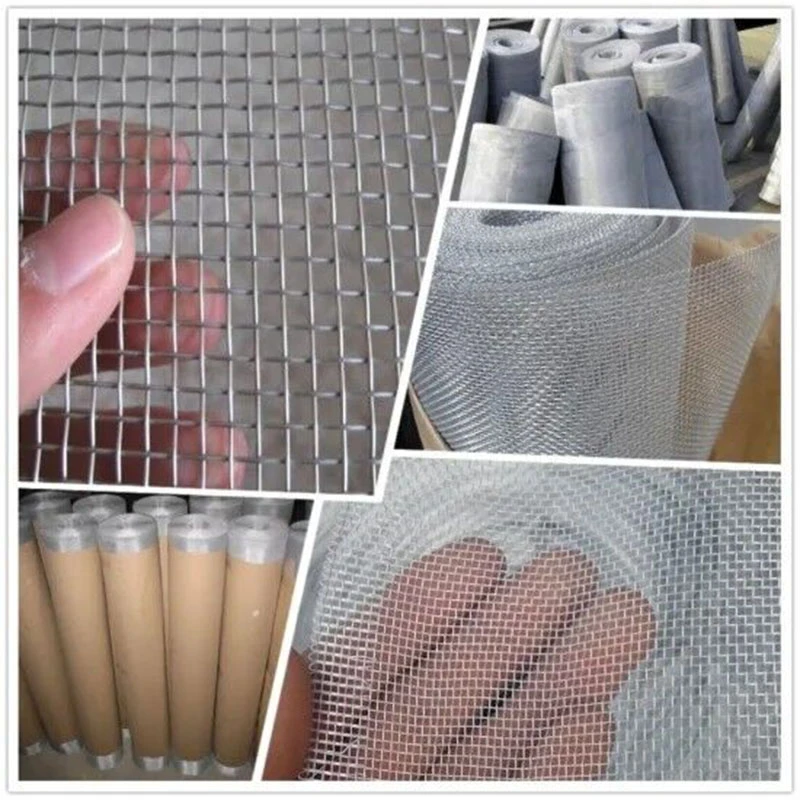
- Weaving: The pre-crimped wires are then interwoven on specialized looms. The crimps accurately position the wires and lock them into place, ensuring consistent mesh opening and preventing distortion. For materials like stainless steel crimped wire mesh, careful handling is essential to maintain surface finish.
- Finishing and Inspection: The woven mesh rolls or sheets undergo various finishing treatments, such as edge trimming, cleaning, and annealing (if required). Strict quality control ensures adherence to international testing standards like ISO 9001 for quality management and ASTM E2016 for industrial woven wire cloth.
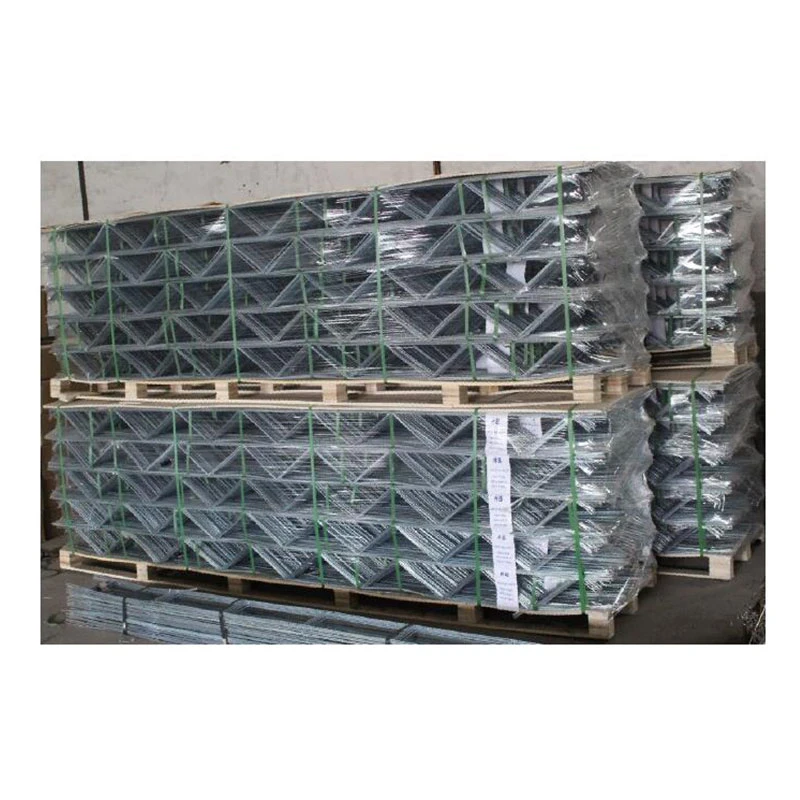
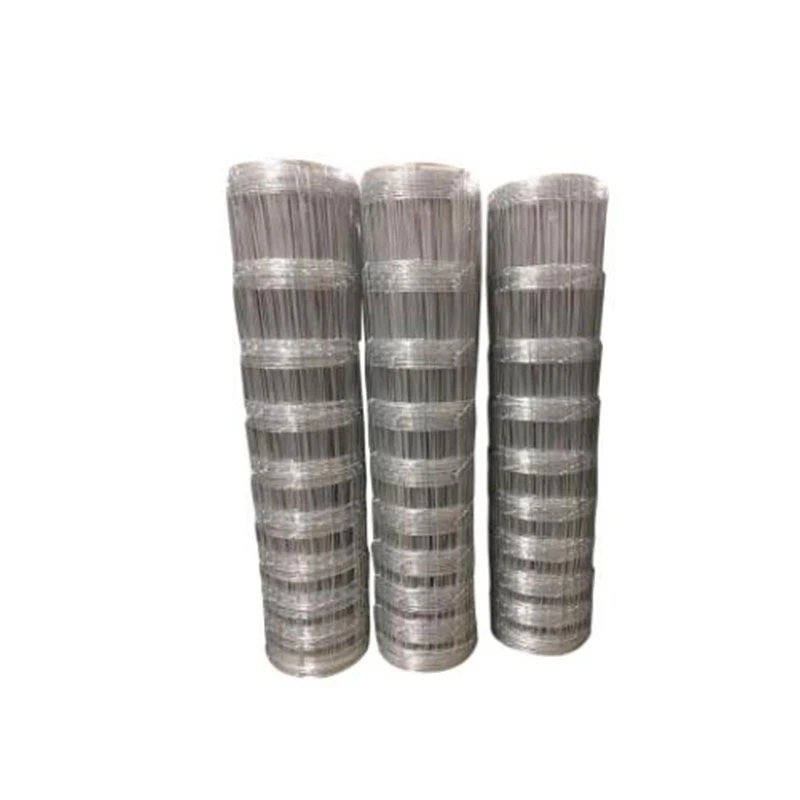
- Packaging: The finished mesh is then packaged according to client specifications, often in rolls or flat panels, protected for transport.
This meticulous process guarantees a product with an extended service life and reliable performance in target industries such as petrochemical, metallurgy, mining, water supply & drainage, and food processing, demonstrating advantages like superior energy saving through efficient screening and robust corrosion resistance in harsh environments.
Industry Trends and Market Dynamics
The market for crimped mesh is consistently evolving, driven by advancements in material science, increasing demand for higher efficiency in industrial processes, and stricter environmental regulations. Key trends include:
- Demand for High-Performance Alloys: Growing adoption of specialized stainless steel grades (e.g., Duplex, Super Duplex) and nickel alloys for enhanced corrosion resistance and high-temperature performance in extreme environments.
- Precision and Automation: Increased investment in advanced weaving machinery with automated controls to produce crimped wire mesh with even tighter tolerances and higher consistency.
- Sustainability Focus: Development of more durable meshes that require less frequent replacement, reducing waste and operational costs. Recyclable materials and energy-efficient manufacturing processes are gaining traction.
- Customization: A rising trend towards bespoke crimped mesh solutions tailored to very specific client requirements for aperture size, wire diameter, material, and panel dimensions.
- Expansion in Emerging Markets: Infrastructure development and industrial growth in regions like Southeast Asia and Africa are fueling demand for reliable screening and filtration media.
Technical Specifications and Parameters
Understanding the technical parameters of crimped mesh is paramount for selecting the optimal product for a given application. Key specifications include material composition, wire diameter, mesh opening (aperture size), crimp style, and overall dimensions. These parameters directly influence the mesh's strength, filtration efficiency, and resistance to wear and corrosion.
Typical Crimped Mesh Specifications:
| Parameter | Description | Typical Range/Value |
|---|---|---|
| Material | Wire composition determines chemical resistance and mechanical properties. | SS304, SS316, SS316L, Galvanized Steel, High Carbon Steel, Nickel Alloys |
| Wire Diameter | Thickness of individual wires. | 0.5 mm to 10.0 mm (0.02" to 0.4") |
| Mesh Opening (Aperture) | Clear distance between parallel wires. | 2.0 mm to 100.0 mm (0.08" to 4.0") |
| Mesh Count | Number of openings per linear inch (or cm). | 0.25 to 20 mesh per inch |
| Open Area Percentage | Ratio of open space to total area, influencing flow rate. | Typically 40% to 80% |
| Crimp Style | Type of pre-crimping applied to wires. | Plain, Double Crimp, Lock Crimp, Flat Top |
| Tensile Strength | Resistance to breaking under tension. | Depends on material, e.g., SS304: ~520 MPa |
| Temperature Resistance | Maximum operating temperature without degradation. | Up to 800°C for certain stainless steels |
These specifications are crucial for ensuring the chosen crimped mesh performs optimally in its intended role, whether it's for particle separation, structural support, or thermal management.
Application Scenarios and Technical Advantages
The robust nature and precise apertures of crimped mesh make it indispensable across a multitude of industrial and commercial applications. Its inherent stability, derived from the pre-crimping process, ensures consistent performance even under heavy loads or vibrations.
Key Application Areas:
- Mining and Quarrying: Used in vibrating screens for sizing aggregates, minerals, and ores. The high abrasion resistance and structural rigidity of heavy-duty double crimped wire mesh significantly extend service life, reducing downtime and maintenance costs.
- Petrochemical Industry: Filtration of catalysts, separation of solids from liquids or gases, and support grids in reactors and columns. The excellent corrosion resistance of stainless steel crimped wire mesh ensures integrity in chemically aggressive environments.
- Food Processing: Conveyor belts, drying trays, and sifting screens where hygiene and corrosion resistance are paramount. Materials like SS304 and SS316 are ideal for food-grade applications due to their inert properties.
- Architectural and Decorative: Infill panels, security screens, partitions, and facade elements. Flat top crimp styles offer a smooth aesthetic finish, while the inherent strength provides structural security.
- Agriculture: Grain drying, animal enclosures, and pest control barriers.
- Water Treatment: Pre-filtration, debris separation, and intake screens, utilizing the consistent opening sizes for efficient particle removal.
Technical Advantages:
- Exceptional Structural Stability: Pre-crimping locks wires in place, preventing shifting and maintaining precise aperture sizes. This is especially true for lock crimp wire mesh.
- High Strength-to-Weight Ratio: Offers significant load-bearing capacity without excessive weight, crucial for dynamic applications.
- Superior Abrasion Resistance: When manufactured from high-carbon or spring steel, it withstands aggressive wear in screening and sizing operations.
- Excellent Corrosion Resistance: Stainless steel variants provide longevity in corrosive and humid environments, reducing lifecycle costs.
- Consistent Filtration/Separation Efficiency: Uniform apertures ensure precise particle sizing and efficient material separation, leading to higher product quality and energy saving.
Vendor Comparison and Customization Solutions
Choosing the right supplier for crimped mesh is critical. A reliable vendor should not only offer a wide range of standard products but also possess the capability for extensive customization and adhere to stringent quality controls.
Key Factors for Vendor Comparison:
| Factor | High-Quality Vendor | Typical Vendor |
|---|---|---|
| Material Certifications | Provides MTCs (Material Test Certificates), adheres to ASTM, DIN, JIS standards. | May offer basic material reports; less rigorous traceability. |
| Customization Capability | Offers bespoke mesh sizes, wire diameters, specialized alloys, diverse crimp types (e.g., double crimped wire mesh, lock crimp wire mesh). | Limited to standard configurations; basic customization. |
| Quality Control & Testing | ISO 9001 certified, in-house laboratory for tensile strength, aperture accuracy, corrosion tests. | Basic visual inspection; relies on external testing if available. |
| Lead Times & Logistics | Reliable lead times, global shipping capabilities, efficient order tracking. | Variable lead times, potential for delays. |
| Technical Support | Experienced engineers for consultation, application-specific advice, post-sales support. | Limited technical assistance; primarily sales-focused. |
Customized Solutions:
Leading manufacturers understand that off-the-shelf solutions may not always suffice. Customization options for crimped mesh include:
- Specific Mesh Opening and Wire Diameter Combinations: Tailoring mesh parameters for precise filtration or screening efficiency.
- Material Grades: Supplying mesh in specialized alloys (e.g., Inconel, Monel) for extreme temperature or highly corrosive environments.
- Panel Dimensions and Fabrication: Providing cut-to-size panels, welded edges, or custom fabrications to integrate seamlessly into existing systems.
- Unique Crimp Patterns: Developing proprietary crimp designs for specific performance characteristics, such as enhanced rigidity or debris shedding.
- Surface Treatments: Applying coatings or finishes for aesthetic purposes or additional protection.
A true partner will engage in design consultation, offer CAD drawings, and provide samples for testing, ensuring the custom crimped mesh solution perfectly matches the client's needs.
Application Case Studies and Customer Trust
Real-world applications underscore the reliability and effectiveness of crimped mesh. Our commitment to quality is demonstrated through consistent performance and enduring partnerships with industry leaders.
Case Study 1: High-Volume Aggregate Screening
A major quarry operator faced excessive wear and frequent replacement of their vibrating screen meshes, leading to significant production losses. By implementing custom-fabricated double crimped wire mesh panels made from high-carbon spring steel, designed with a specific lock crimp pattern, the client achieved a 35% increase in screen lifespan. This resulted in an estimated annual saving of $80,000 in replacement costs and a 15% reduction in unplanned downtime, directly boosting overall operational efficiency.
Case Study 2: Corrosive Environment Filtration
In a specialty chemical plant, existing filtration screens in a solvent recovery unit were failing prematurely due to aggressive chemical attack. We provided a bespoke stainless steel crimped wire mesh solution using SS316L, engineered for enhanced resistance to chlorides and acids. The custom mesh not only extended the filter element's service life by over 200% but also maintained consistent filtration rates, reducing product contamination and ensuring compliance with stringent purity standards. This proactive solution ensured uninterrupted production and improved product quality.
Customer Feedback & Certifications:
Our long-standing relationships with clients in petrochemicals, mining, and food processing are built on a foundation of trust and consistent delivery. We are certified to ISO 9001:2015, affirming our commitment to quality management systems. Materials used are compliant with ASTM and DIN standards, and all products undergo rigorous in-house testing to ensure they meet or exceed specified performance criteria.
Ensuring Trust: FAQs, Lead Time, Warranty & Support
Building trust with our B2B partners is paramount. We provide transparent information regarding product specifications, delivery, and post-purchase support.
Frequently Asked Questions (FAQs):
-
Q: How do I determine the correct mesh size for my application?
A: The ideal mesh size depends on the particle size you need to separate and the desired flow rate. Our technical team can assist you in calculating the optimal aperture based on your specific requirements and material properties. -
Q: What is the difference between plain crimped and lock crimped mesh?
A: Plain crimped mesh has crimps at the intersections, suitable for lighter applications. Lock crimp wire mesh features deeper crimps that positively interlock wires, providing superior rigidity and stability, especially for larger openings and heavier wire diameters, making it highly resistant to wire movement and deflection. -
Q: Can your crimped mesh withstand extreme temperatures?
A: Yes, depending on the material. Stainless steel (e.g., SS310) and specialty alloys are excellent for high-temperature applications, often retaining structural integrity up to 800°C and beyond, while maintaining precise characteristics for efficient operations. -
Q: How do you ensure product consistency and quality?
A: We adhere to ISO 9001:2015 quality management standards, conducting stringent checks from raw material sourcing to final inspection. Our in-house lab performs tests for dimensional accuracy, material composition, and mechanical properties.
Lead Time and Fulfillment:
Standard crimped mesh orders typically have a lead time of 2-4 weeks, depending on volume and material availability. Custom orders may require 4-8 weeks for design, prototyping, and production. We maintain robust inventory levels for common materials and sizes to facilitate quicker turnarounds. Expedited shipping options are available upon request to meet urgent project timelines.
Warranty Commitments:
All our crimped mesh products are backed by a comprehensive warranty against manufacturing defects and material flaws. Specific warranty periods vary by product type and application, typically ranging from 1 to 5 years under normal operating conditions. Details of our warranty policy are available upon request and provided with every order.
Customer Support and After-Sales Service:
Our dedicated customer support team and technical engineers are available to assist with product selection, technical inquiries, installation guidance, and post-purchase issues. We offer comprehensive after-sales support to ensure optimal performance and longevity of our products. For immediate assistance, please contact us via phone, email, or our online portal.
Conclusion
The enduring utility and technical superiority of crimped mesh solidify its position as a critical material across diverse industrial landscapes. From enhancing efficiency in arduous mining operations to ensuring purity in sensitive pharmaceutical processes and providing robust aesthetic elements in modern architecture, its pre-crimped structure offers unparalleled strength, precision, and durability. As industries continue to demand higher performance and greater customization, the evolution of crimped wire mesh solutions will continue to be a cornerstone for reliable and effective material processing and structural design. Partnering with an experienced and certified manufacturer ensures access to cutting-edge technology, tailored solutions, and unwavering support, empowering businesses to optimize operations and achieve their strategic objectives.
References
- ASTM E2016-11, Standard Specification for Industrial Woven Wire Cloth. ASTM International.
- ISO 9001:2015, Quality management systems — Requirements. International Organization for Standardization.
- The Wire Mesh Handbook. Woven Wire Products Association.
- Nickel Institute. Resources on Nickel-Containing Stainless Steels.