Understanding Cold Drawn Steel Wire: An Essential Industrial Component
In the diverse landscape of industrial materials, cold drawn steel wire stands as a foundational product, crucial for countless manufacturing and construction applications. This specialized form of wire, including its variant known as black iron wire, is engineered through a precise cold working process that significantly enhances its mechanical properties, making it superior for demanding uses. It is distinguished by its high tensile strength, excellent surface finish, and tight dimensional tolerances, attributes that are critical for achieving performance and durability in end products.
The demand for high-performance cold drawn wire continues to grow across various sectors, driven by the need for robust, reliable, and cost-effective solutions. Manufacturers and engineers consistently seek materials that offer a blend of strength, workability, and corrosion resistance. Our range of drawn steel wire, particularly our Black Cold Drawn Iron Wire, is meticulously crafted to meet these rigorous industrial standards, ensuring optimal performance from initial application to long-term service.
Detailed Manufacturing Process of Cold Drawn Steel Wire
The production of cold drawn steel wire is a sophisticated multi-stage process that transforms hot-rolled steel rods into high-strength wire with precise dimensions and enhanced mechanical properties. Our Black Cold Drawn Iron Wire adheres to stringent manufacturing protocols to ensure consistent quality and performance.
Process Flow:
-
Raw Material Selection (Wire Rods): The process begins with carefully selected high-quality carbon steel wire rods, typically SAE 1006, 1008, or 1010 grades. These rods are sourced from reputable mills and undergo initial inspection for surface defects and compositional integrity.
Wire Rod Input →
-
Descaling: The surface of the wire rod is cleaned to remove mill scale, rust, and other impurities that could cause defects during drawing. This is commonly achieved through mechanical descaling (flexing and brushing) followed by chemical pickling in acid solutions, then rinsing and lime coating or phosphate coating. The coating acts as a lubricant carrier.
Descaling & Coating →
-
Cold Drawing: The descaled and coated wire rod is pulled through a series of progressively smaller dies at room temperature. This cold working process reduces the wire's diameter, elongates its grain structure, and significantly increases its tensile strength, yield strength, and hardness, while decreasing its ductility. Each drawing pass refines the wire's dimensions and surface finish.
Cold Drawing Dies →
-
Heat Treatment (Annealing - for black iron wire): For products like black iron wire, the drawn wire undergoes annealing. This involves heating the wire to a specific temperature and then slowly cooling it. Annealing reduces hardness, increases ductility, and improves the wire's workability for applications requiring bending or knotting. This process gives it its characteristic black finish and makes it softer compared to unannealed cold drawn wire.
Annealing (Optional) →
-
Finishing & Inspection: After drawing or annealing, the wire is spooled or coiled. Thorough quality control checks are performed to verify dimensions, tensile strength, elongation, and surface quality. Our products adhere to international standards such as ISO 9001 and meet specific customer requirements.
Final Inspection & Packaging
The resulting drawn steel wire, whether in its hard-drawn state or as annealed black iron wire, exhibits superior metallurgical characteristics. The controlled microstructure ensures a long service life, even in challenging environments.
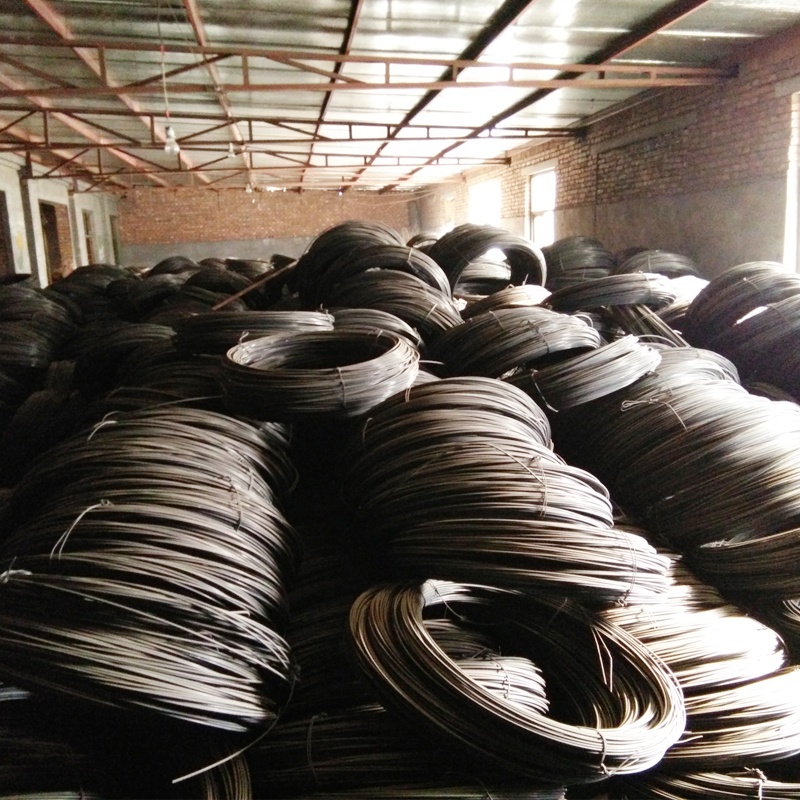
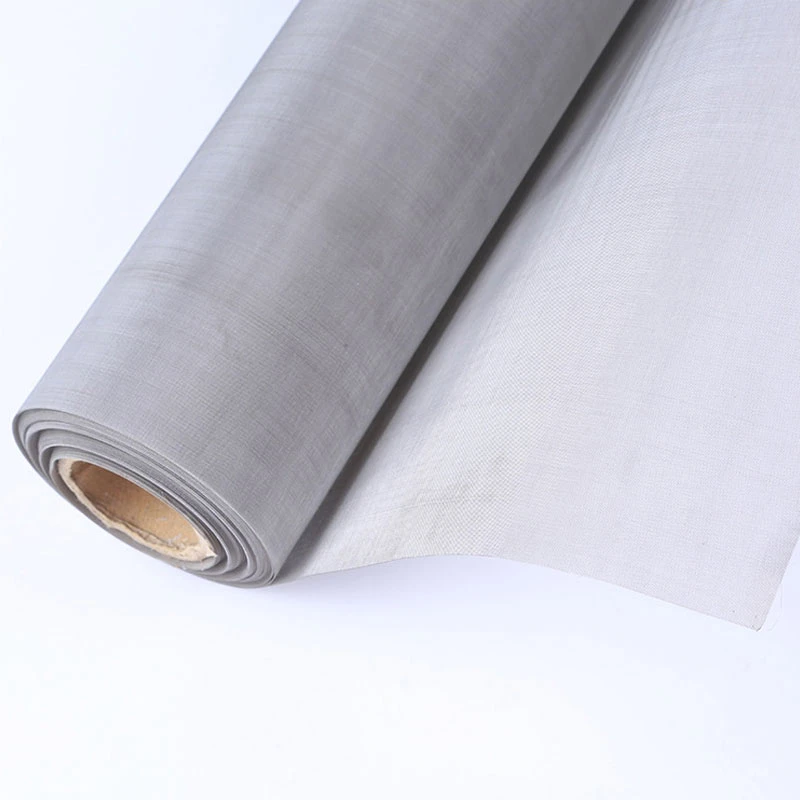
Precision manufacturing of cold drawn steel wire.
Technical Specifications and Industry Standards
Our Black Cold Drawn Iron Wire is manufactured to rigorous technical specifications and adheres to international industry standards, ensuring its suitability for a wide array of industrial applications. Key parameters such as tensile strength, elongation, and dimensional accuracy are meticulously controlled.
Typical Specifications for Black Cold Drawn Iron Wire:
| Parameter | Specification Range | Testing Standard |
|---|---|---|
| Wire Diameter | 0.5 mm to 6.0 mm (0.02 to 0.24 inches) | ASTM A853 / EN 10218-1 |
| Tensile Strength | 300-500 MPa (43,500-72,500 psi) | ASTM A370 / ISO 6892-1 |
| Elongation at Break | ≥ 15% (for annealed wire) | ASTM A370 / ISO 6892-1 |
| Material Grade | Low Carbon Steel (e.g., Q195, SAE 1006/1008) | ASTM A510 / EN 10016-2 |
| Surface Finish | Black (oxidized), Smooth | Visual Inspection |
| Coil Weight | 25 kg to 1000 kg (customizable) | Manufacturer Standard |
These specifications ensure that our cold drawn steel wire meets the stringent requirements for durability and performance in its intended applications. The precise control over metallurgical properties guarantees optimal material behavior under various stresses and environmental conditions.
Industry Trends and Market Outlook for Drawn Steel Wire
The market for drawn steel wire is experiencing dynamic shifts, driven by global economic growth, infrastructure development, and technological advancements. Key trends shaping the industry include:
- Sustainable Manufacturing: Increasing emphasis on eco-friendly production processes, including reduced energy consumption during drawing and the use of recyclable materials. This aligns with global efforts towards a circular economy.
- High-Strength, Lightweight Materials: Demand for wire with higher tensile strength-to-weight ratios, particularly in automotive and aerospace sectors, to improve fuel efficiency and performance.
- Digitalization and Automation: Integration of Industry 4.0 technologies, such as IoT sensors and AI-driven quality control, to optimize production efficiency, reduce waste, and ensure precision in wire manufacturing.
- Emerging Market Growth: Rapid urbanization and industrialization in developing regions are fueling demand for construction materials, including rebar ties and mesh, driving the market for black iron wire.
- Customization and Specialization: Growing need for bespoke wire solutions tailored to specific application requirements, including specialized coatings, alloys, and processing.
These trends underscore the importance of innovation and adaptability for suppliers of cold drawn steel wire. Our focus remains on delivering high-quality products like Black Cold Drawn Iron Wire that not only meet current industrial needs but are also positioned for future market demands.
Diverse Application Scenarios of Cold Drawn Steel Wire
The versatility and superior mechanical properties of cold drawn steel wire make it indispensable across a multitude of industries. Its controlled dimensions and enhanced strength allow for precision in manufacturing and reliability in service.
Target Industries and Typical Applications:
- Construction & Infrastructure: Used extensively for concrete reinforcement, rebar ties, mesh fencing, and binding materials. Annealed black iron wire is particularly valued for its ductility and ease of tying in construction.
- Manufacturing & Fabrication: Essential for producing nails, staples, screws, bolts, springs, and various fasteners. The consistent diameter and surface finish are critical for automated production lines.
- Agricultural Sector: Employed in vineyard trellising, fencing for livestock, bale ties, and general tying applications where strength and resilience are paramount.
- Packaging & Recycling: Used for baling waste materials like cardboard, plastic, and scrap metal, particularly the robust black iron wire for its strength and cost-effectiveness.
- Automotive Industry: Components such as seat springs, brake cable wires, and various fasteners leverage the high strength and fatigue resistance of cold drawn steel wire.
- Energy & Utilities: Used in specialized applications requiring high-strength wires for structural support or secure fastenings in power transmission infrastructure and renewable energy installations.
The adaptability of our Black Cold Drawn Iron Wire in these diverse environments highlights its role as a fundamental material in modern industry, providing reliability and enhancing the efficiency of numerous operations.
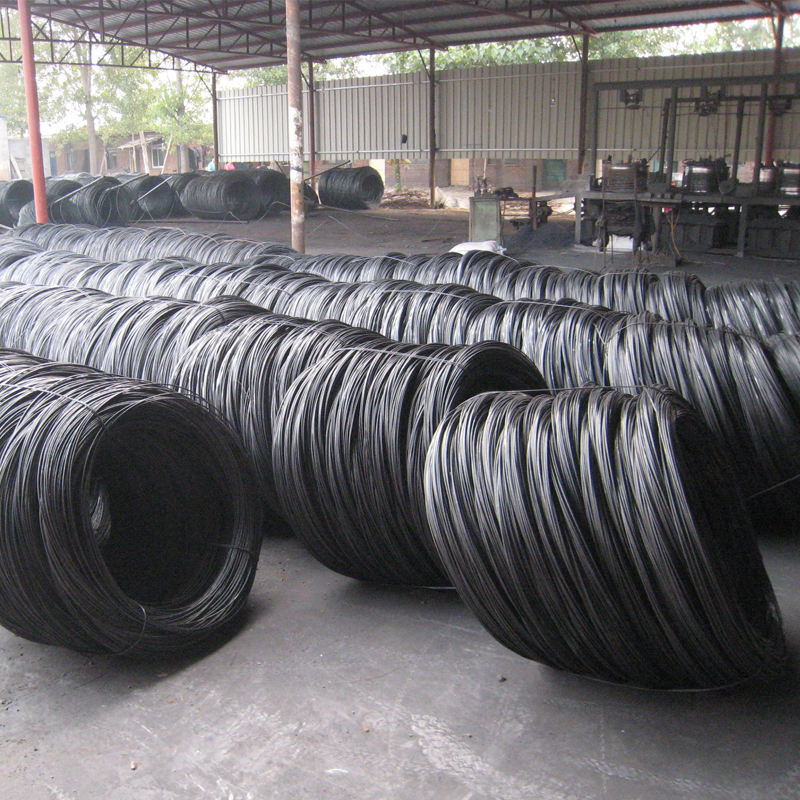
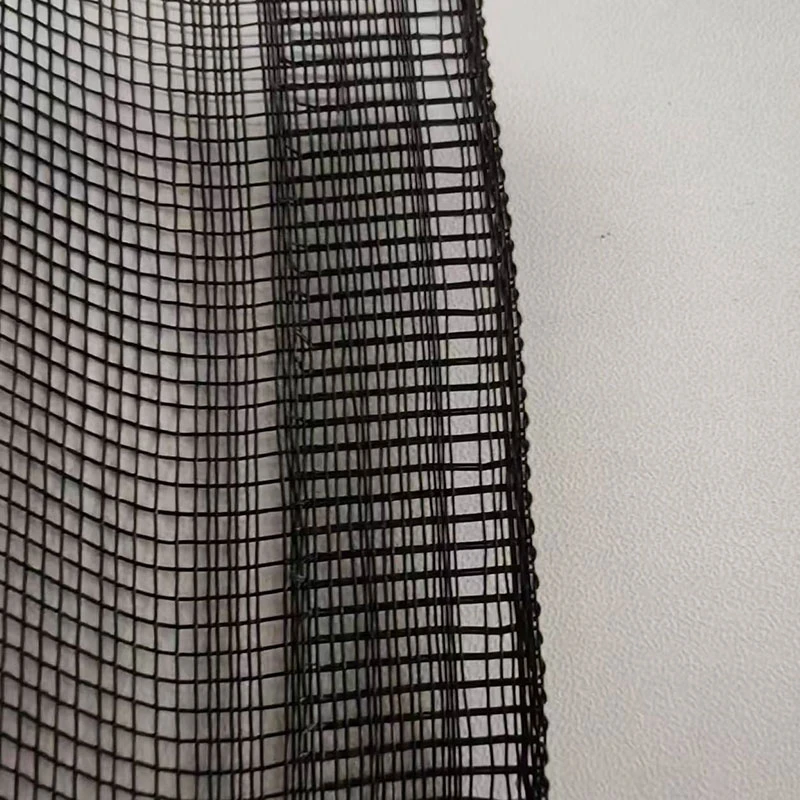
Versatile applications in construction and manufacturing.
Technical Advantages and Performance Benefits
The cold drawing process imparts a unique set of technical advantages to steel wire, distinguishing it from hot-rolled or other wire types. These benefits translate directly into enhanced performance and economic efficiencies for industrial users.
- Superior Tensile Strength: The cold working process increases the material's strength, allowing for the use of thinner wires to achieve the same load-bearing capacity, leading to material savings and lighter assemblies.
- Excellent Surface Finish: Cold drawing produces a smooth, clean surface, which is crucial for applications requiring aesthetic appeal, improved adhesion for coatings, or minimized friction in mechanical systems. This also reduces wear on tooling during subsequent processing.
- Precise Dimensional Accuracy: The controlled reduction in diameter through dies results in very tight tolerances, essential for high-precision manufacturing, automated machinery, and consistency in final products.
- Enhanced Hardness & Wear Resistance: The deformation during drawing increases the hardness of the steel, making the wire more resistant to abrasion and prolonging its service life in high-wear applications.
- Improved Machinability (Post-Drawing): While initially harder, the refined grain structure can sometimes aid in subsequent machining operations, depending on the specific application and further heat treatment.
- Cost-Effectiveness: Despite the specialized process, the enhanced properties often lead to overall cost savings due to reduced material usage, longer product life, and fewer operational failures. For instance, the competitive black iron wire price makes it an economical choice for many binding and construction tasks.
Our Black Cold Drawn Iron Wire leverages these intrinsic advantages, offering a robust and reliable solution that contributes to energy saving through optimized material use and demonstrates inherent corrosion resistance in typical environments, especially when further coated or embedded.
Vendor Comparison and Customized Solutions
Choosing the right supplier for cold drawn steel wire is paramount for ensuring project success and long-term reliability. A discerning buyer considers not just the product's base specifications but also the vendor's capabilities, quality control, and commitment to customized solutions.
Key Factors for Vendor Comparison:
- Quality Certifications: Look for ISO 9001, ASTM, or EN compliance to ensure consistent product quality and adherence to international standards.
- Manufacturing Capabilities: Assess the vendor's ability to produce a wide range of wire diameters, tensile strengths, and surface finishes, including specialized treatments.
- Lead Time and Supply Chain Reliability: Evaluate the vendor's logistical efficiency and ability to meet demanding delivery schedules without compromising quality.
- Technical Support and Expertise: A strong vendor provides expert guidance on material selection, application engineering, and troubleshooting.
- Pricing Structure and Transparency: While black iron wire price is often competitive, a reputable vendor offers clear, justifiable pricing without hidden costs.
Customized Solutions:
We understand that standard products do not always meet unique project requirements. Our engineering team specializes in developing customized drawn steel wire solutions, adapting parameters such as:
- Wire Diameter & Tolerance: Precision drawing to non-standard diameters and tighter tolerances for specialized machinery or components.
- Tensile Strength & Elongation: Adjusting the drawing schedule and heat treatment (annealing) to achieve specific combinations of strength and ductility.
- Surface Treatment & Coatings: Offering options beyond the standard black finish, such as oiling for enhanced corrosion resistance during storage or specialized coatings for particular bonding requirements.
- Packaging & Spooling: Custom coil weights, internal diameters, or specialized spools to integrate seamlessly with client production lines.
Our commitment to flexibility ensures that even the most complex client specifications for cold drawn wire can be met with engineering precision and manufacturing excellence.
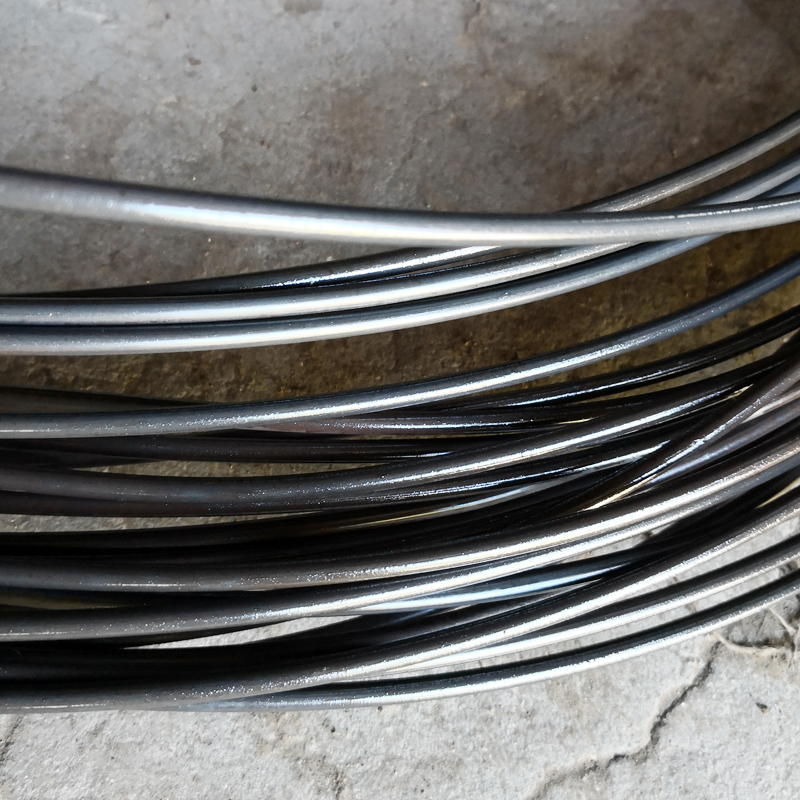
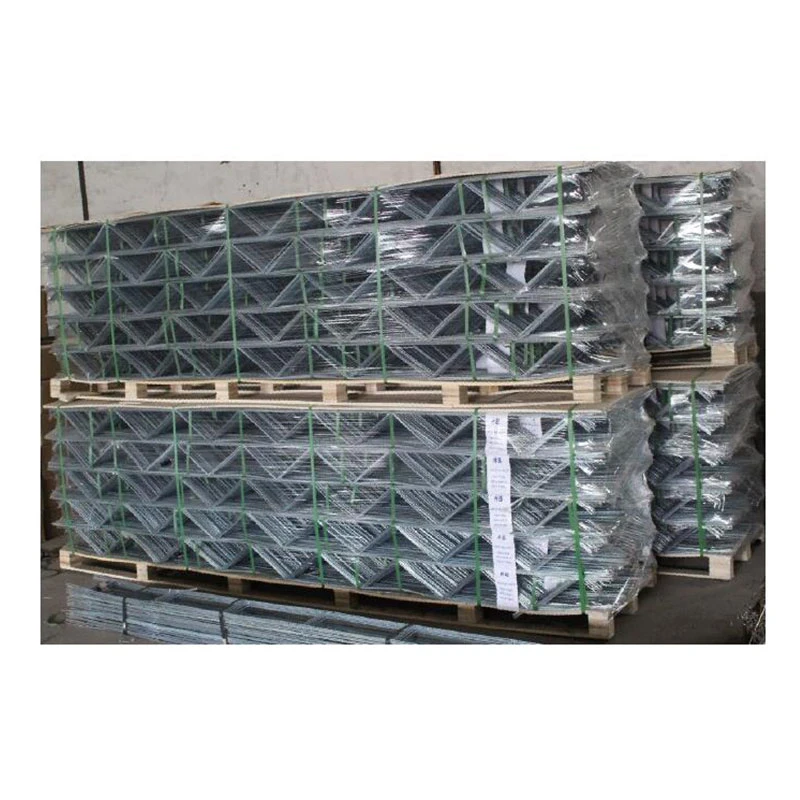
Tailored cold drawn steel wire solutions for specific needs.
Application Case Studies and Customer Experience
Our extensive experience in supplying high-quality Black Cold Drawn Iron Wire is reflected in numerous successful application case studies across diverse industries. These examples underscore the reliability and performance benefits derived from our products.
Case Study 1: High-Rise Building Construction in Metropolis X
A major construction firm required a consistent supply of durable, flexible binding wire for rebar tying in a large-scale commercial tower project. Our annealed black iron wire (2.0 mm diameter) was selected for its superior ductility and tensile strength, enabling quick and secure fastening of rebar cages. The client reported a 15% increase in operational efficiency due to the wire's consistent quality and ease of use, coupled with competitive black iron wire price, significantly reducing labor costs and project timelines. This commitment to quality and service led to a long-term supply partnership.
Case Study 2: Fastener Manufacturing for Automotive Tier-1 Supplier
An automotive component manufacturer, specializing in high-strength fasteners, needed cold drawn steel wire with extremely tight dimensional tolerances and consistent material hardness. We provided customized wire (1.2 mm diameter, high carbon grade) with a specialized surface treatment to enhance die life during cold heading processes. Our rigorous testing and ISO 9001 certified production ensured zero defects, leading to a reduction in production line downtime by 10% and improved fastener quality, meeting the stringent requirements of the automotive sector.
Customer Feedback:
"We've partnered with YJDWireMesh for over five years, and their commitment to consistent quality and timely delivery of cold drawn steel wire has been instrumental to our success. Their technical support team is highly responsive, helping us optimize our material selection for various projects."
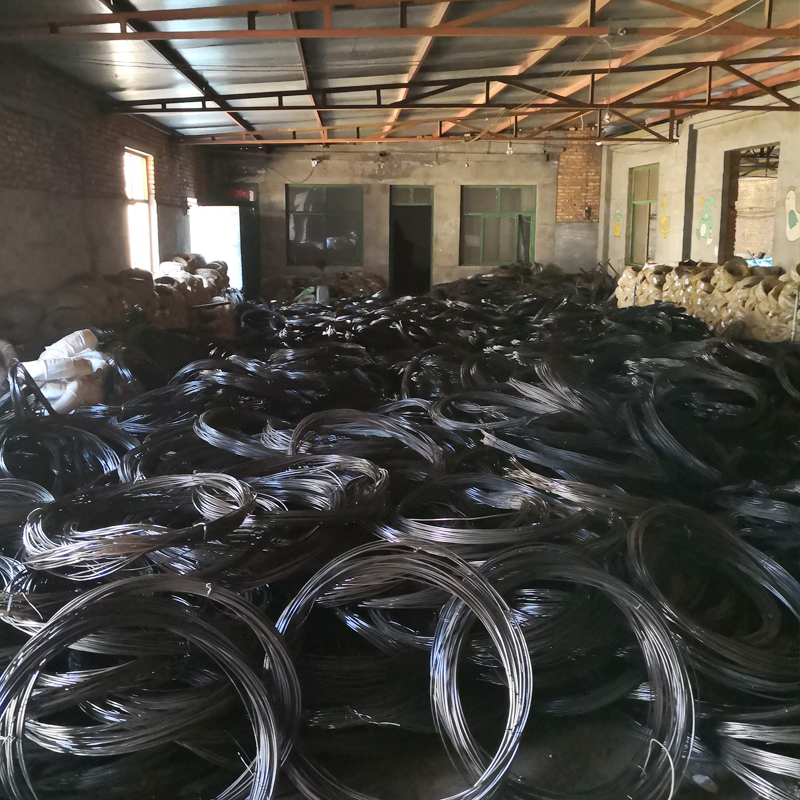
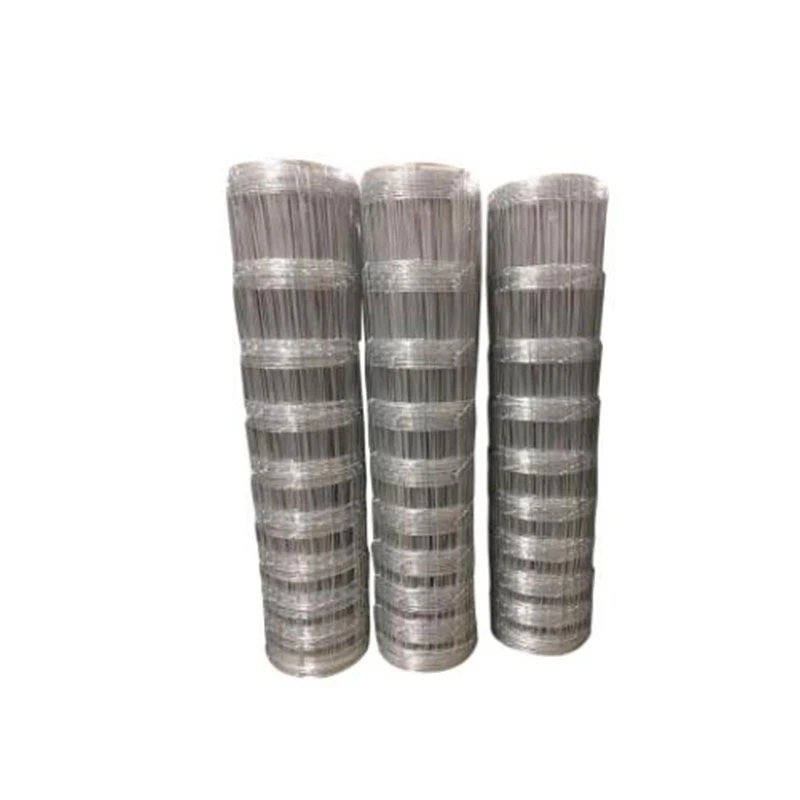
Our cold drawn steel wire in action, ensuring structural integrity.
Ensuring Trustworthiness: Certifications, Warranty, and Support
At YJDWireMesh, trust is built on transparency, quality assurance, and unwavering customer support. Our commitment to excellence is reflected in our adherence to international standards and comprehensive client care.
Quality and Certifications:
- ISO 9001 Certified: Our manufacturing processes for cold drawn steel wire are ISO 9001 certified, ensuring a consistent quality management system from raw material sourcing to final product delivery.
- Compliance with International Standards: All products, including our Black Cold Drawn Iron Wire, meet or exceed relevant ASTM, EN, and JIS standards as specified.
- Rigorous Testing: Each batch undergoes comprehensive mechanical and metallurgical testing to verify tensile strength, elongation, hardness, and dimensional accuracy.
Frequently Asked Questions (FAQ):
- Q: What is the typical lead time for an order?
- A: Standard orders for Black Cold Drawn Iron Wire typically have a lead time of 2-4 weeks, depending on quantity and specific requirements. Expedited options are available upon request.
- Q: Can you provide samples for testing?
- A: Yes, we provide samples of our cold drawn steel wire for quality evaluation and compatibility testing, subject to prior arrangement.
- Q: What are the packaging options?
- A: We offer various packaging solutions including coils (25 kg to 1000 kg), spools, and customized packaging to meet specific logistical and handling requirements.
- Q: How does the black iron wire price compare to galvanized options?
- A: Black iron wire is generally more cost-effective than galvanized wire, making it a preferred choice for applications where corrosion resistance is not the primary concern or where it will be protected post-installation (e.g., embedded in concrete).
Warranty and After-Sales Support:
We stand behind the quality of our drawn steel wire products with a comprehensive warranty against manufacturing defects. Our dedicated customer support team is available to assist with technical queries, order tracking, and any post-delivery requirements, ensuring a seamless experience for our clients.
Conclusion: Your Partner for Superior Cold Drawn Steel Wire
The production and application of cold drawn steel wire represent a cornerstone of modern industrial capability. Its enhanced mechanical properties, precision, and versatility make it an indispensable material for a vast range of critical applications, from infrastructure development to advanced manufacturing. Our Black Cold Drawn Iron Wire embodies these characteristics, produced with meticulous attention to detail and adherence to the highest quality standards.
As a leading provider, we are committed to not only delivering products that meet stringent technical requirements but also offering tailored solutions and robust support to our B2B clients. Partner with us to leverage the enduring strength and reliability of our cold drawn steel wire for your next project.

Committed to delivering high-quality cold drawn steel wire solutions.
References
- ASTM International. "A853/A853M-18 Standard Specification for Steel Wire, Carbon, for General Use." Annual Book of ASTM Standards, 2018.
- ISO 6892-1:2019. "Metallic materials - Tensile testing - Part 1: Method of test at room temperature." International Organization for Standardization, 2019.
- European Committee for Standardization. "EN 10218-1: Steel wire and wire products - General - Part 1: Test methods." CEN, 2012.
- Smith, J. A., & Jones, R. B. "Advances in Cold Drawing Processes for High-Strength Steel Wires." Journal of Materials Engineering and Performance, Vol. 25, No. 3, 2016, pp. 1123-1134.
- The Wire Association International (WAI). "Fundamentals of Wire Drawing." Industry Publication, 2021.