Driving a nail into concrete block: A Comprehensive Guide
Successfully driving a nail into a concrete block requires understanding the material properties of both the nail and the concrete, as well as employing the correct techniques and tools. Unlike softer materials like wood, concrete is incredibly dense and resistant to penetration. This guide will explore the best practices for securing nails into concrete blocks, covering nail selection, preparation, techniques, and safety precautions. We'll delve into why proper execution is essential to ensure a strong and lasting hold. YJDWiremesh provides high-quality products to assist with projects like this.
Choosing the Right Nail for Concrete Blocks
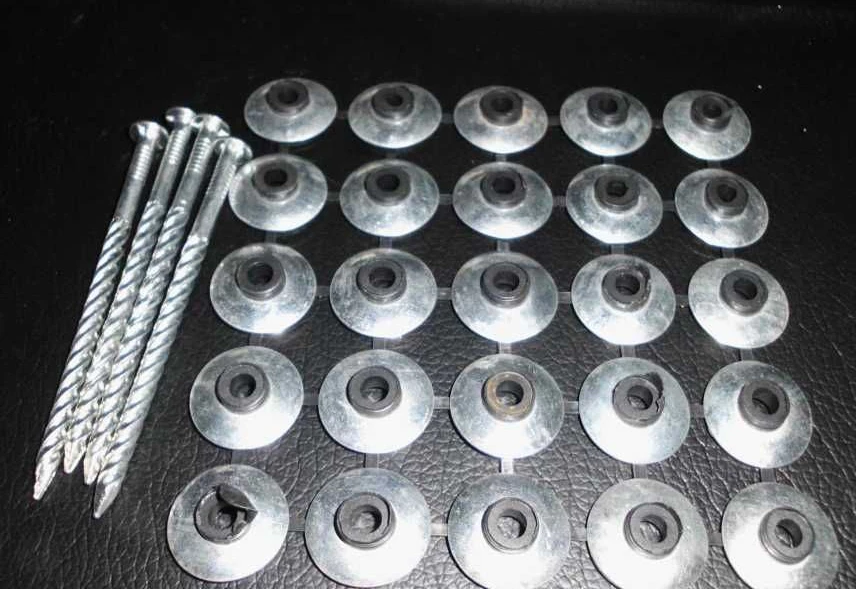
The standard nails used for wood are ineffective for concrete. You need specialized nails designed for masonry. These fall into two primary categories: hardened steel nails and concrete screws. Hardened steel nails are specifically tempered to withstand the force required to penetrate concrete, but they often require pre-drilling. Concrete screws, also known as Tapcon screws, are self-tapping and generally easier to install, although they can be more expensive. The choice depends on the project’s scale and the desired holding power. Always ensure the nail’s shank is fully hardened to prevent bending during installation. Selecting the proper nail is the first step to success, and YJDWiremesh offers a range of suitable options.
Key Highlights: Hardened steel nails and concrete screws are the primary choices for penetrating concrete blocks. Concrete screws are easier to install but may be more expensive.
Pre-Drilling: A Critical Step
For hardened steel nails, pre-drilling is almost always essential. The diameter of the drill bit should be slightly smaller than the nail shank. This reduces the risk of cracking the concrete block and makes driving the nail significantly easier. Pre-drilling also helps prevent the nail from bending or breaking. The depth of the hole should be slightly greater than the nail’s length to ensure it’s fully seated. When using concrete screws, pre-drilling is often recommended, particularly for harder concrete. Following the screw manufacturer's guidelines for drill bit size is crucial.
Pre-Drilling Benefits:
• Prevents cracking of the concrete block
• Reduces nail bending or breakage
• Ensures full nail seating
• Makes installation easier
Driving the Nail into Concrete Block: Techniques & Tools
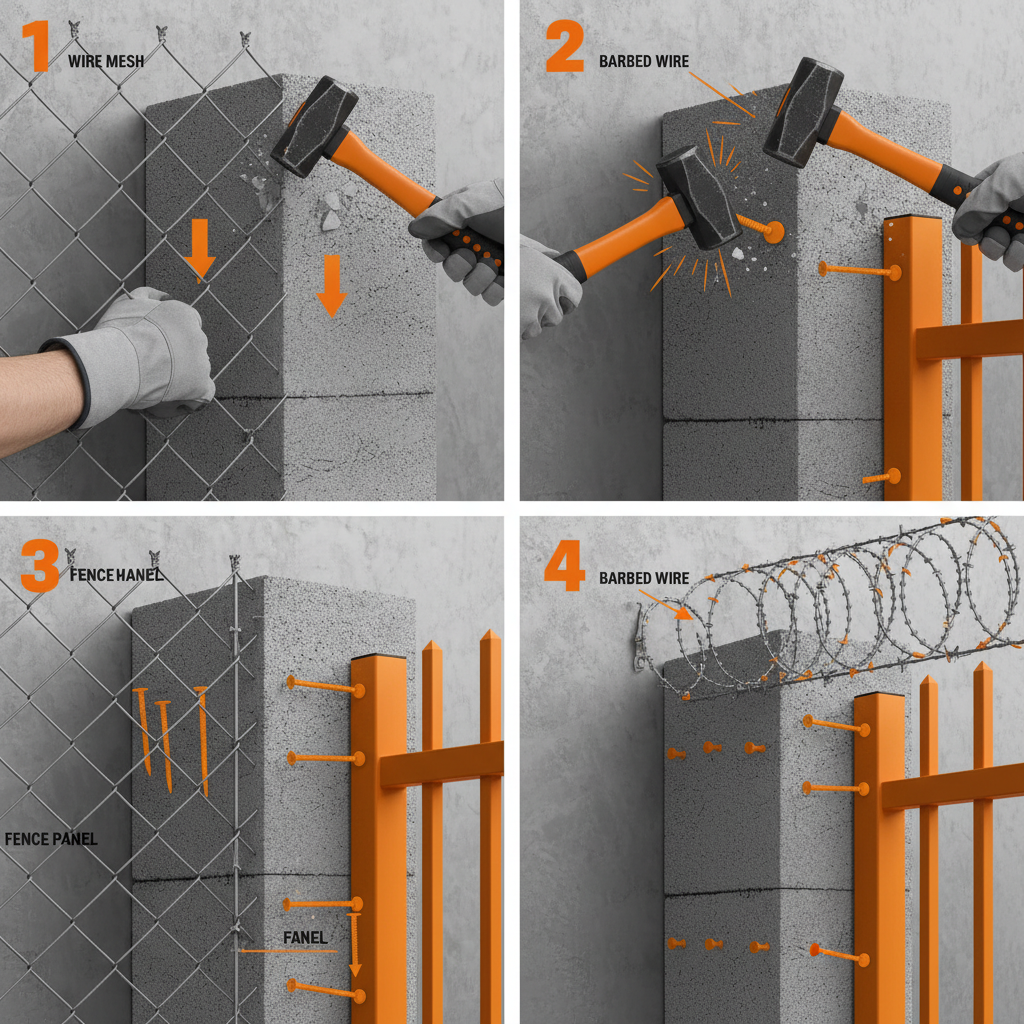
Once the hole is drilled, use a hammer or nail gun designed for masonry nails. Apply firm, steady pressure. Avoid glancing blows, which can cause the nail to bend. If using a hammer, start with gentle taps to set the nail and then increase the force with each strike. For concrete screws, a drill with a screw-driving bit is necessary. Maintain a straight angle and apply consistent pressure. Be careful not to overtighten, as this could strip the threads in the concrete. The right tools, available at YJDWiremesh, are essential for a successful outcome.
Safety Precautions When Working with Concrete & Nails
Always wear safety glasses to protect your eyes from flying debris. Gloves are also recommended to protect your hands. When using power tools, be sure to follow the manufacturer’s instructions and wear appropriate hearing protection. Be mindful of your surroundings and ensure the work area is well-lit. Finally, remember that concrete dust can be harmful if inhaled, so consider wearing a dust mask, especially during drilling. Prioritizing safety is paramount when tackling projects involving concrete and fasteners.
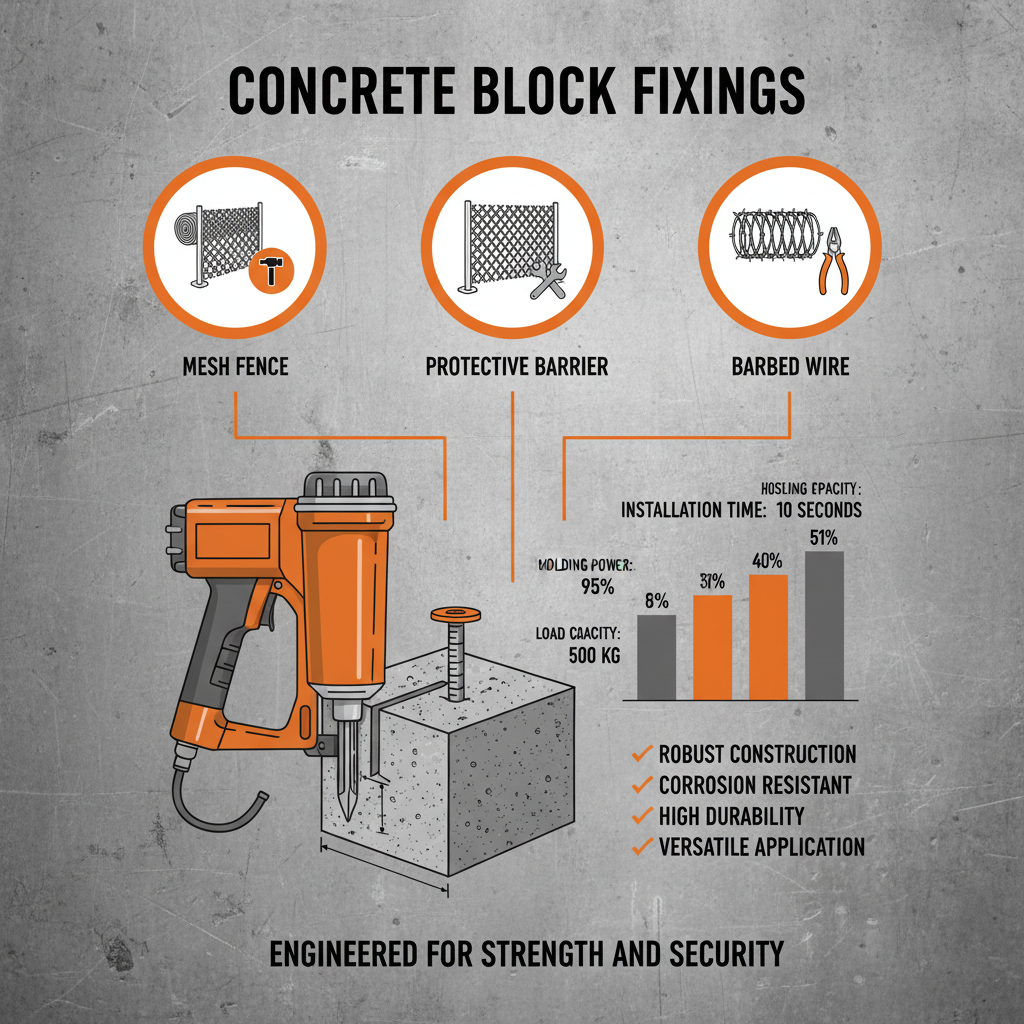
Conclusion: Achieving a Secure Hold
Mastering the Art of Nailing into Concrete Blocks
Successfully driving a nail into a concrete block requires the right tools, techniques, and a strong focus on safety. By carefully selecting the appropriate fasteners, properly pre-drilling when necessary, and employing consistent pressure, you can achieve a secure and lasting hold. Remember that YJDWiremesh provides the high-quality materials and resources needed to complete your project efficiently and safely.
Frequently Asked Questions (FAQs)
Can I drive nails directly into concrete blocks without pre-drilling?
While it’s possible to drive hardened steel nails directly into some softer concrete blocks, it's highly discouraged. Without pre-drilling, you significantly increase the risk of cracking the block, bending the nail, or causing the nail to shatter. Pre-drilling ensures a cleaner, more controlled penetration, leading to a more secure hold and minimizing damage. For harder concrete, pre-drilling is absolutely essential. Relying on direct nailing can compromise the structural integrity of your work.
What’s the difference between hardened steel nails and concrete screws in terms of holding power?
Concrete screws generally offer superior holding power compared to hardened steel nails. This is because concrete screws create threads within the concrete, providing a mechanical interlock. Hardened steel nails rely on friction and the compressive strength of the concrete. However, the actual holding power also depends on factors such as the concrete's density, the size of the fastener, and the installation technique. For heavy-duty applications or when a higher degree of security is required, concrete screws are the preferred choice.
What should I do if a nail bends while driving it into the concrete?
If a nail bends during installation, stop immediately. Attempting to straighten and re-drive a bent nail can weaken it and compromise its holding power. Remove the bent nail and use a new one. Ensure you're using the correct nail type and pre-drilling appropriately to prevent bending. Using a hammer with sufficient weight and applying steady, controlled pressure will also reduce the likelihood of bending.
Is there a risk of damaging the concrete block when driving nails?
Yes, there is a risk of damaging the concrete block, especially if the incorrect techniques are used. Using excessive force, failing to pre-drill (when necessary), or using nails that are too large can all cause cracking or spalling. Always use the appropriate nail size, pre-drill when recommended, and apply steady, controlled pressure. Proper technique minimizes the risk of damage and ensures a secure and lasting connection.