The Unsung Hero: What Is 4mm Galvanised Wire and Why It Matters
If you’ve ever wondered how fencing stands tough against rust, or how electrified barriers hold strong through storms, you might want to tip your hat to something as simple as 4mm galvanised wire. It’s a durable, rust-resistant wire fundamental to a wide range of sectors from agriculture and construction to humanitarian relief efforts. Globally, this wire type plays a surprisingly big role in safety, infrastructure, and even environmental protection. Understanding its properties and applications isn’t just for engineers or traders — it benefits anyone curious about the backbone of modern wire mesh solutions.
Mini takeaway: The 4mm galvanised wire merges simplicity and resilience in a way that quietly supports millions of daily operations worldwide.
Exploring the Global Importance of 4mm Galvanised Wire
When you think about global infrastructure, the smallest components often get overlooked. Take steel wire for instance: according to ISO reports, galvanising processes have helped extend the lifecycle of crucial components by over two decades, reducing maintenance costs significantly. 4mm galvanised wire, in particular, stands out for its optimal thickness — thick enough for durability, yet flexible enough for many uses.
Across continents, this wire helps tackle significant challenges such as safeguarding farmland, securing industrial zones, and even supporting disaster relief shelters where quick, reliable fencing or mesh cages are essential. The World Bank highlights that improved materials like galvanised wire reduce infrastructure decay in emerging markets, which saves resources and promotes stability. But despite these benefits, there’s still a persistent issue: finding the perfect balance between cost and performance in wire solutions — especially in remote or expensive-to-ship areas.
Mini takeaway: 4mm galvanised wire addresses global infrastructure durability challenges while maintaining a cost point that suits diverse economies.
Defining 4mm Galvanised Wire in Plain Terms
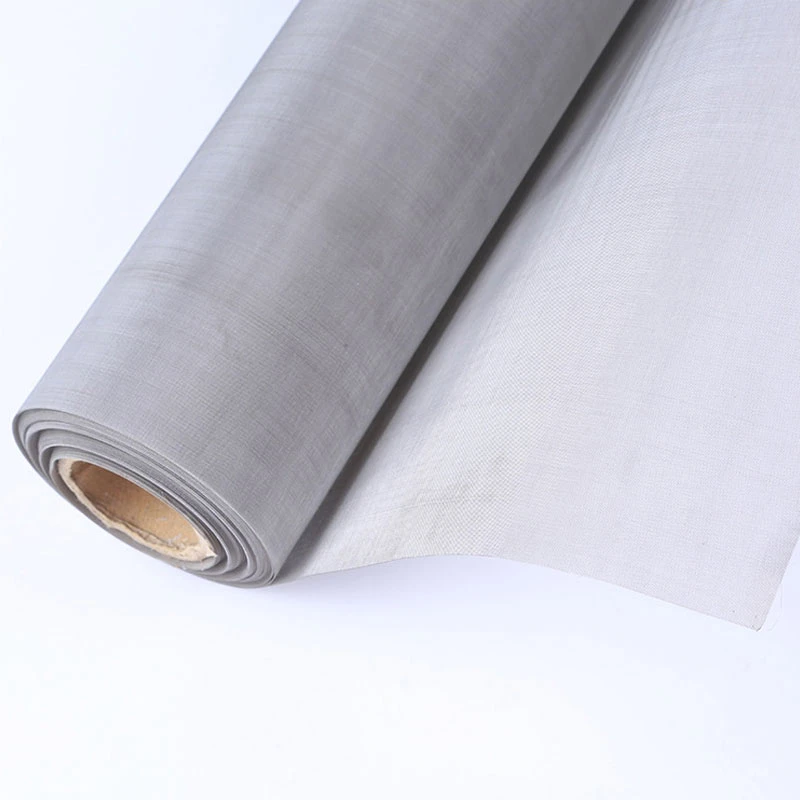
So, what exactly is this wire? At its core, 4mm galvanised wire is steel wire coated with a protective zinc layer — the ‘galvanising’ process — that prevents rust and corrosion. The 4mm refers to the wire’s diameter, roughly the thickness of 3-4 stacked pennies. This thickness is significant because it balances tensile strength with flexibility, making it a go-to for fences, meshes, cable supports, and even crafting tools.
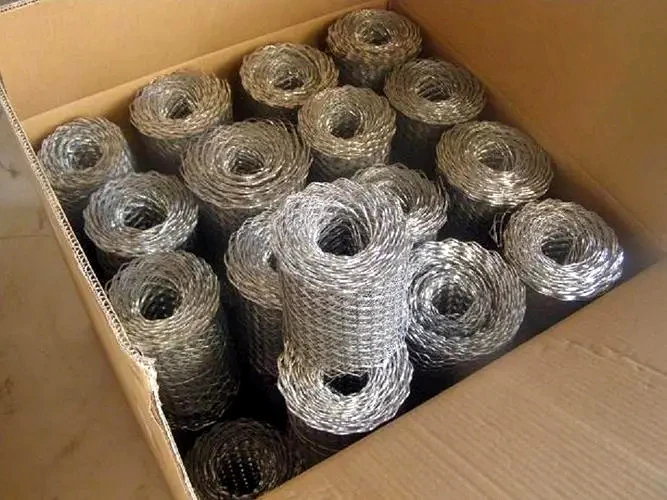
In industry terms, this product caters to sectors requiring strength and longevity without heavy weight, such as agricultural fencing, conveyor belts, and safety cages. In humanitarian contexts, the wire is used for quick assembly shelters or animal enclosures in refugee camps, thanks to its ease of handling and robustness.
Mini takeaway: 4mm galvanised wire is basically steel wire dressed to resist corrosion, sized just right for a surprisingly wide range of tough jobs.
Core Components and Key Features behind Its Popularity
Durability and Corrosion Resistance
Thanks to galvanising — zinc coating — the wire survives weather, chemicals, and salty air remarkably well. This keeps structures safe long-term with minimal maintenance.
Flexibility versus Strength
Oddly enough, 4mm wire strikes a sweet spot. It bends without snapping but stays rigid enough to form stable, reliable enclosures.
Cost Efficiency
Compared to stainless steel or coated plastics, galvanised wire offers an affordable solution, especially with volumes rising globally.
Environmental Sustainability
Steel is 100% recyclable, and galvanising extends lifespan, reducing waste. I’ve noticed many companies are emphasizing sustainability more than ever.
Versatility
- From fencing large farms to securing construction zones
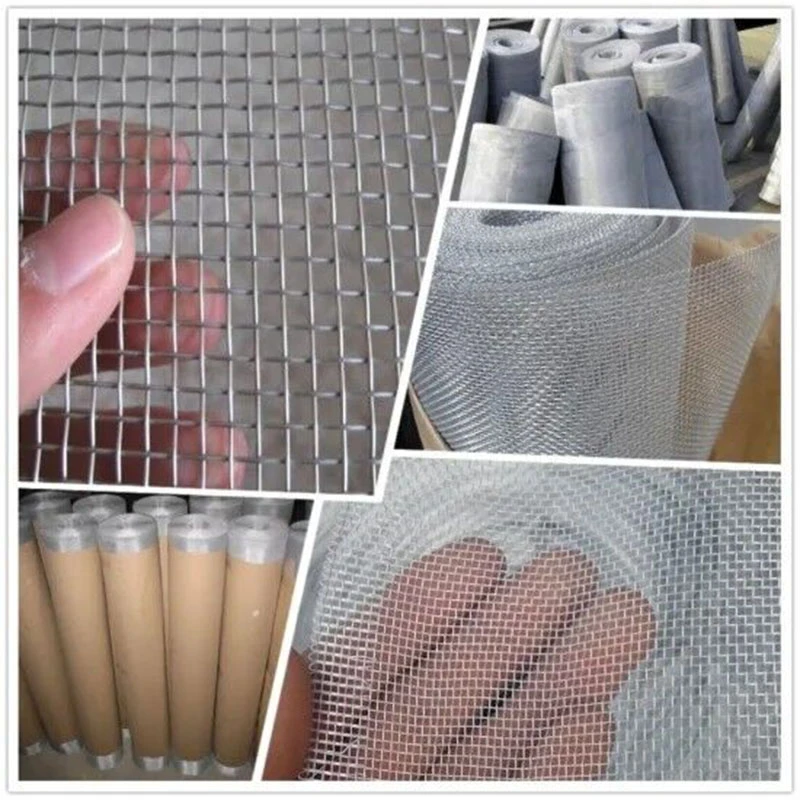
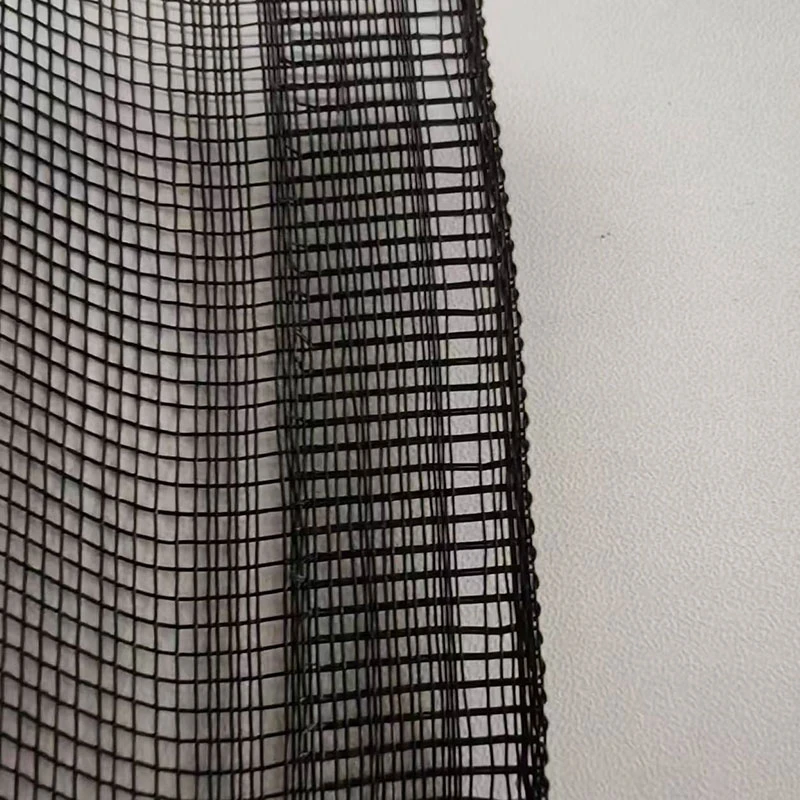
- Wire mesh formation for safety screens or cages
- Being supple enough for crafts and small-scale projects
| Specification | Detail |
|---|---|
| Diameter | 4 mm (approx. 0.157 inches) |
| Material | High-tensile steel wire |
| Coating | Hot-dip galvanised zinc coating |
| Tensile Strength | Approx. 1200 - 1600 MPa |
| Weight per 100m | ~12.3 kg |
| Typical Finish | Smooth, shiny silver-grey |
Mini takeaway: Understanding the specs confirms why this wire isn’t just any steel wire — it’s crafted to be long-lasting, flexible, and economic.
Where Does 4mm Galvanised Wire Really Make a Difference?
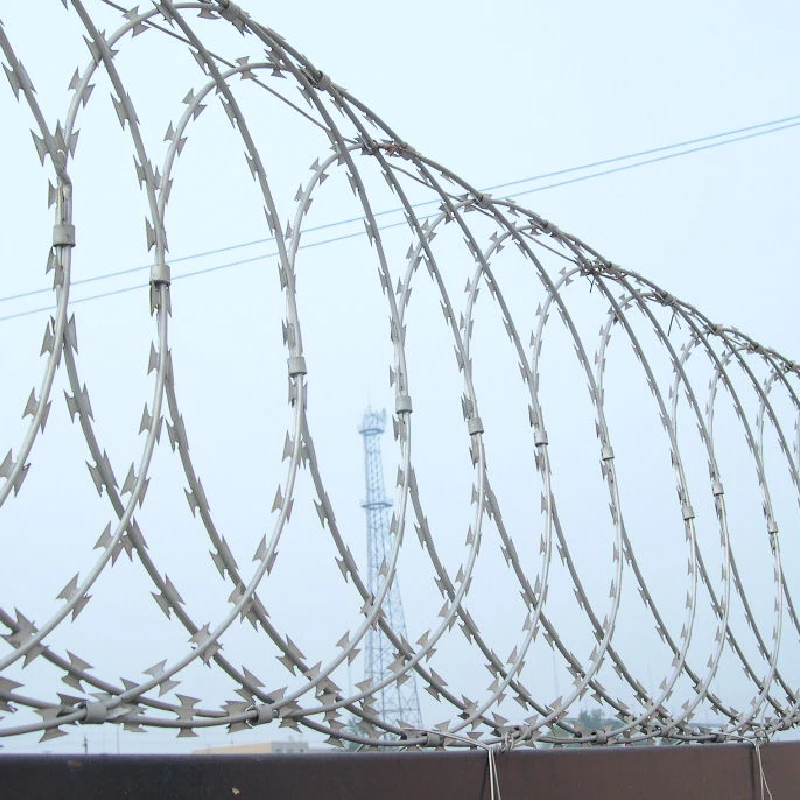
From sprawling farmland fences in Australia to high-security enclosures in Europe and quick-deploy shelters in Southeast Asia, the adaptability of 4mm galvanised wire is truly global. NGOs rely on this wire for making animal pens or barriers in displaced persons camps, where materials must be shipped light but perform heavy-duty tasks. Mining companies use it underground for cage reinforcements, while factories build conveyor protective guards from it.
- Post-disaster relief: Temporary fencing for hazard zones.
- Remote industrial areas: Protective meshes in harsh conditions.
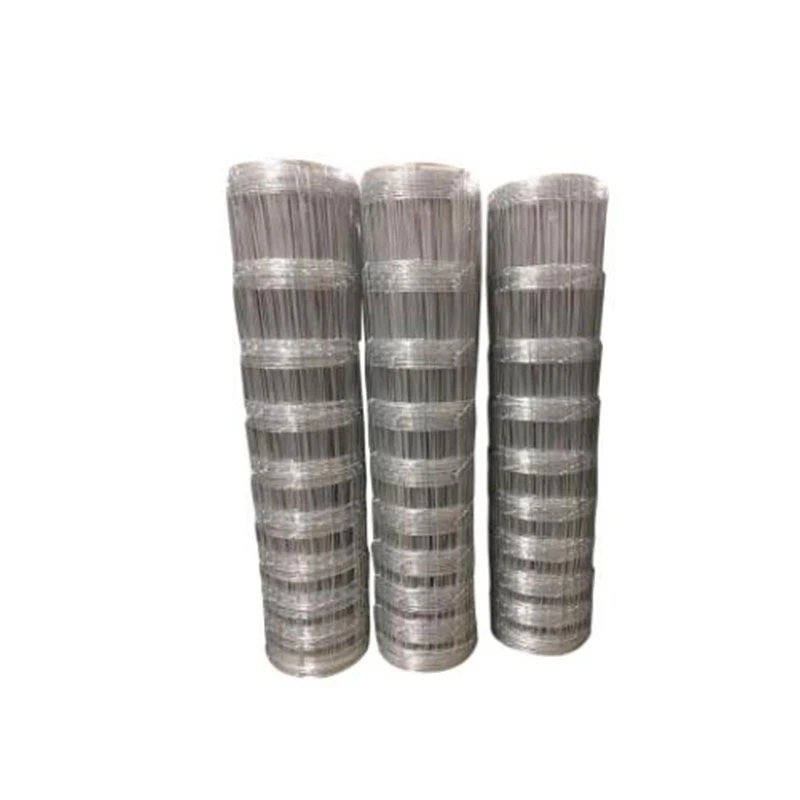
- Agriculture: Secure livestock fencing that lasts seasons.
- Construction: Reinforcement supports and scaffolding meshes.
Thank goodness it’s one of those products that just “works” and doesn’t need much fuss.
Mini takeaway: Whether remote or urban, industries everywhere trust 4mm galvanised wire for secure, cost-effective structures.
Advantages & Long-Term Value of 4mm Galvanised Wire
It boils down to a few crucial factors: cost savings over time, low maintenance, and reliable performance in hostile environments. I’ve spoken to engineers who swear by galvanised wire’s longevity, especially in salt-laden coastal regions where rust can demolish other materials quickly.
This durability feeds into social impact too — think safer work sites, more reliable animal enclosures, or sturdier shelters, all contributing to community stability and dignity. There’s a subtle trust that clients place in these wires, trusting they won’t falter when it counts.
Plus, when manufacturers optimize the zinc coating, rust resistance can last upwards of 20 years, which frankly feels like a lifetime in harsh settings.
Emerging Trends and Innovations in Wire Technology
Looking ahead, there’s a growing focus on greener galvanising methods and the use of hybrid coatings to improve environmental impact and safety. Some companies are exploring nano-coatings to extend life even further, reducing waste and the need for frequent replacements.
Digital transformation is also filtering through the supply chain — from automated wire drawing and galvanising plants to enhanced tracking systems that ensure quality control and traceability. As industrial sites embrace automation, 4mm galvanised wire integrates better with smart infrastructure designs.
Renewable energy projects, like wind farms and solar arrays, also increasingly use galvanised wire for fencing and structural supports, linking the product firmly to a sustainable future.
Challenges and Smart Solutions
Despite its strengths, 4mm galvanised wire faces some hurdles. If the coating gets scratched during transport or installation, corrosion can start prematurely. Also, sourcing high-quality raw steel can be tricky in volatile markets, pushing prices up at times.
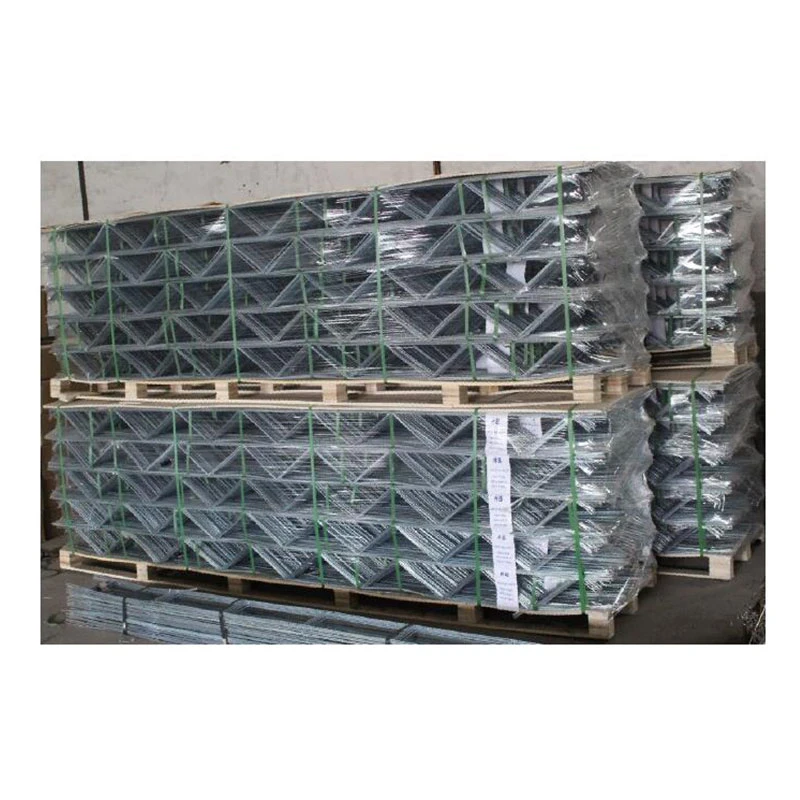
Experts recommend protective packaging and onsite training for handlers to minimise damage. Alternative coatings such as PVC are sometimes combined for extra protection, though this adds costs and weight. Bottom line: blending traditional galvanising with modern quality control and logistics can overcome most practical obstacles.
Frequently Asked Questions About 4mm Galvanised Wire
- How long does 4mm galvanised wire typically last outdoors?
- Under typical environmental conditions, properly galvanised 4mm wire can last between 15 to 25 years before significant corrosion occurs. Coastal or industrial environments might reduce this lifespan slightly.
- Is 4mm galvanised wire suitable for livestock fencing?
- Absolutely. Its thickness and corrosion resistance make it ideal for securing animals safely while enduring wear and tear from weather and movements.
- Can this wire be welded or bent easily for custom applications?
- Yes, 4mm galvanised wire offers good flexibility for bending or shaping. Welding may require care to preserve the galvanised zinc coating to prevent rust at joints.
- Where can I source reputable 4mm galvanised wire for industrial use?
- Many industrial suppliers offer this wire, and I suggest looking for vendors with certification for galvanising quality, like ISO 1461 compliance. You can also check specialist suppliers at 4mm galvanised wire.
- Is galvanised wire recyclable?
- Yes, steel wire is fully recyclable. The galvanising zinc can be recovered during steel recycling, making it an eco-friendly material option for many industries.
Vendor Options at a Glance
| Vendor | Pricing (per 100m) | Quality Certifications | Special Features | Lead Time |
|---|---|---|---|---|
| WirePro Ltd. | $180 | ISO 1461, CE | Enhanced zinc layer | 2 weeks |
| Global Galv Co. | $165 | ISO 9001, ISO 1461 | Custom coil length | 3 weeks |
| YJD Wiremesh | $170 | ISO 1461, SGS | Consistent thickness, quality control | 1 week |
Summing It Up: Why 4mm Galvanised Wire Still Holds the Field
It’s actually impressive how such a “simple” product quietly supports massive infrastructure worldwide. Whether you’re securing livestock on a sprawling ranch or erecting safety fences on a busy construction site, the reliable, cost-effective nature of 4mm galvanised wire can’t be overstated. The product’s durability, environmental benefits, and versatile performance make it a staple in global supply chains.
If you’re curious to explore more, or looking for a trusted supplier to fulfill your industrial or commercial needs, don’t hesitate — visit 4mm galvanised wire today for quality products, excellent service, and expert guidance.
References:
1. ISO 1461: Hot-dip galvanized coatings on fabricated iron and steel articles – specifications and test methods.
2. World Bank Infrastructure Report, 2022.
3. Wikipedia contributors. Galvanization - Wikipedia.