The Essential Guide to GI Wire Suppliers: Why It Matters in a Connected World
Galvanized Iron (GI) wire may not be the flashiest material you think about daily, but it plays an unexpectedly vital role in construction, agriculture, and many industrial sectors worldwide. Understanding GI wire suppliers isn't just about buying wire; it reflects on global infrastructure stability, economic development, and even humanitarian aid effectiveness. In fact, GI wire's corrosion resistance and versatility have made it a backbone product—think fencing, wire mesh, binding, you name it—that supports everything from rural farms to bustling mega-cities.
Why dig deeper into GI wire suppliers? Because knowing who provides quality, reliable wire affects project timelines, costs, and safety. It matters now more than ever as sustainability and efficiency push markets to demand better materials and supply chains.
The Global Outlook: Why GI Wire Suppliers Are Crucial Today
On a global scale, manufacturing and usage of galvanized iron wire increasingly reflect trends in urbanization and industrial growth. Industry reports estimate that the global galvanized wire market is projected to grow at around 6% annually through the next decade (ISO Standards on Wire and Wire Products). Meanwhile, United Nations data shows expanding infrastructure projects in Asia, Africa, and Latin America have raised demand for durable, cost-effective building materials.
Yet the problem many enterprises face is sourcing GI wire reliably — in appropriate quality and quantities — without inflated costs or delays. Poor quality wire can lead to premature rust or failure, which means wasted money and effort that could be devastating in critical areas like disaster relief or secure fencing.
So from industrial zones in India to agricultural farms in South America, the role of dependable GI wire suppliers is central — a small but sturdy thread connecting larger systems on a global scale.
Defining GI Wire Suppliers: What Are They and Why Do They Matter?
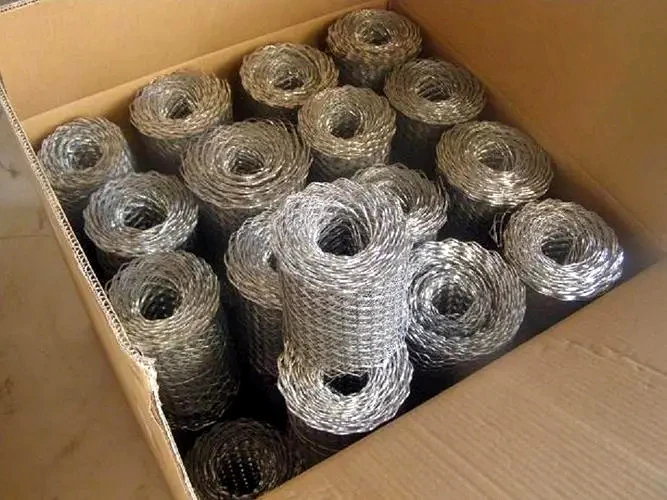
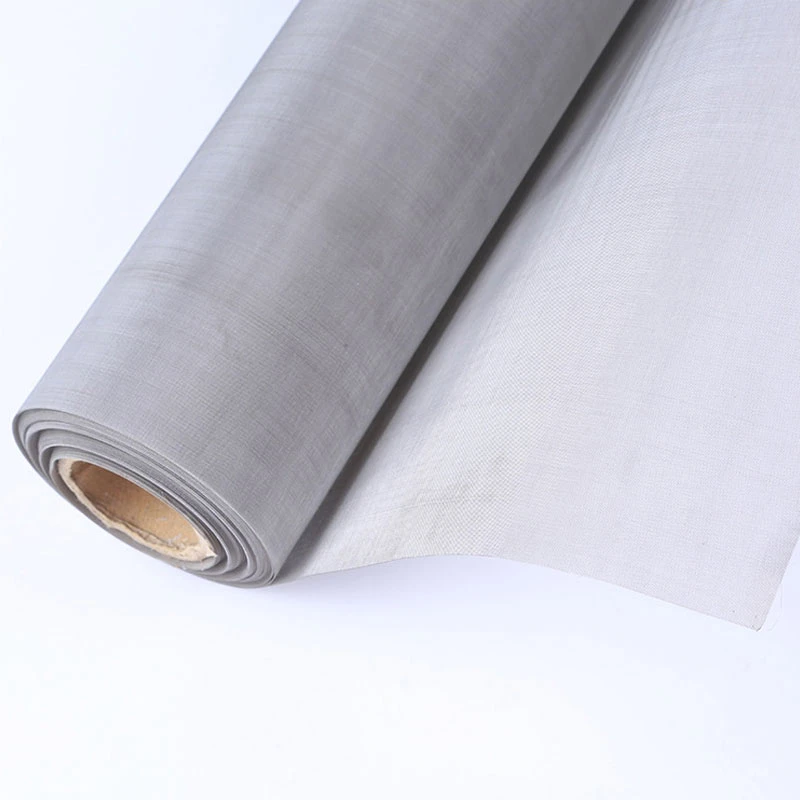
Simply put, GI wire suppliers are manufacturers, traders, or distributors who provide galvanized iron wire to end-users across industries. "Galvanized" means the iron wire is coated with zinc to prevent rust, a process that enhances durability under harsh environmental conditions.
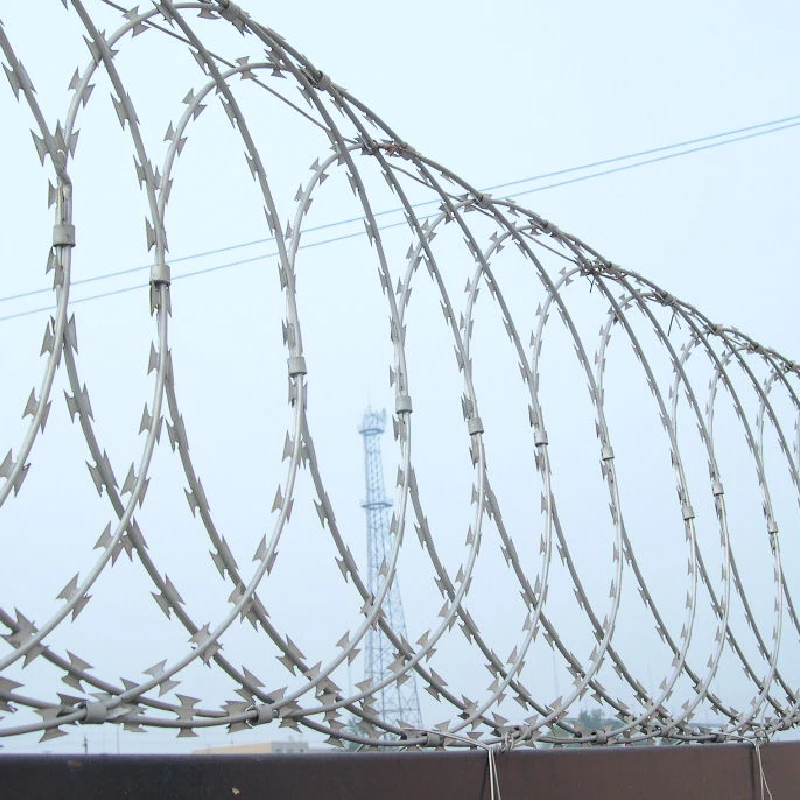
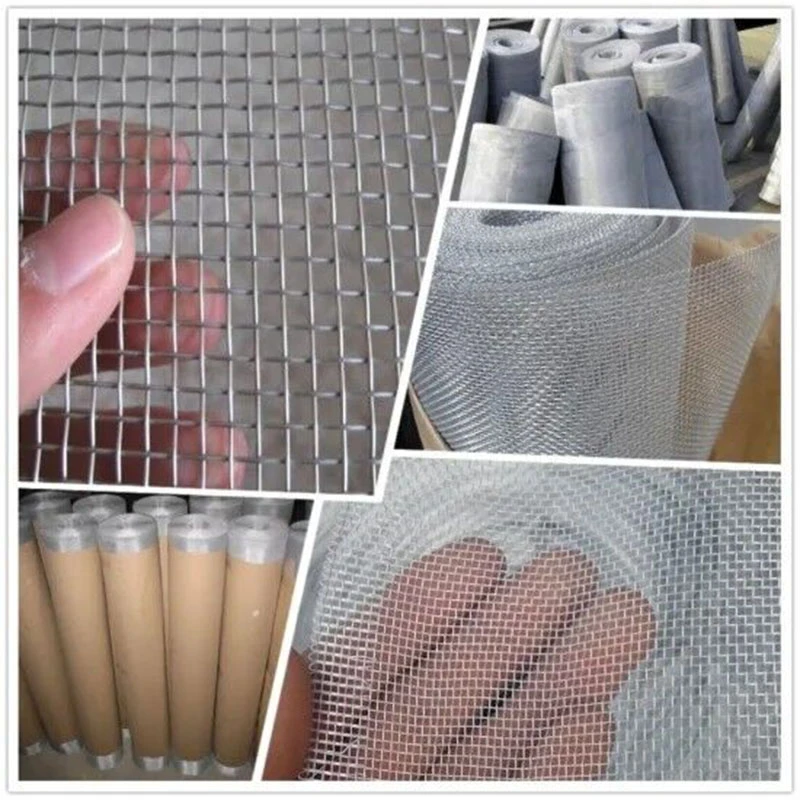
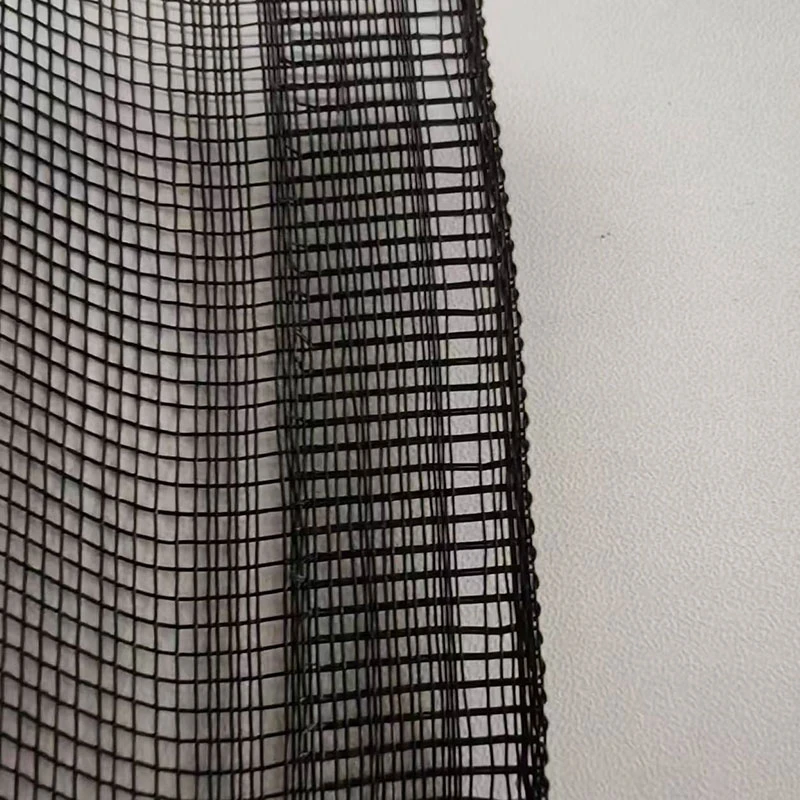
This zinc coating is crucial for applications that might see moisture, chemical exposure, or mechanical stress. Whether for barbed wire fences keeping livestock safe or mesh cages for infrastructure safety, GI wire suppliers deliver the raw material that becomes these everyday essentials.
Interestingly, beyond just industry, GI wire also shows up in humanitarian contexts — for example, temporary fencing and structural supports in refugee camps or post-disaster shelters. So these suppliers aren’t just vendors but pillars supporting global communities.
Core Attributes That Define Quality GI Wire Suppliers
Durability You Can Trust
Good GI wire hinges on robust zinc coating that can stand years without significant corrosion. Top suppliers usually adhere to ISO 1461 for hot-dip galvanizing, ensuring consistent quality that lasts.
Scalability and Supply Consistency
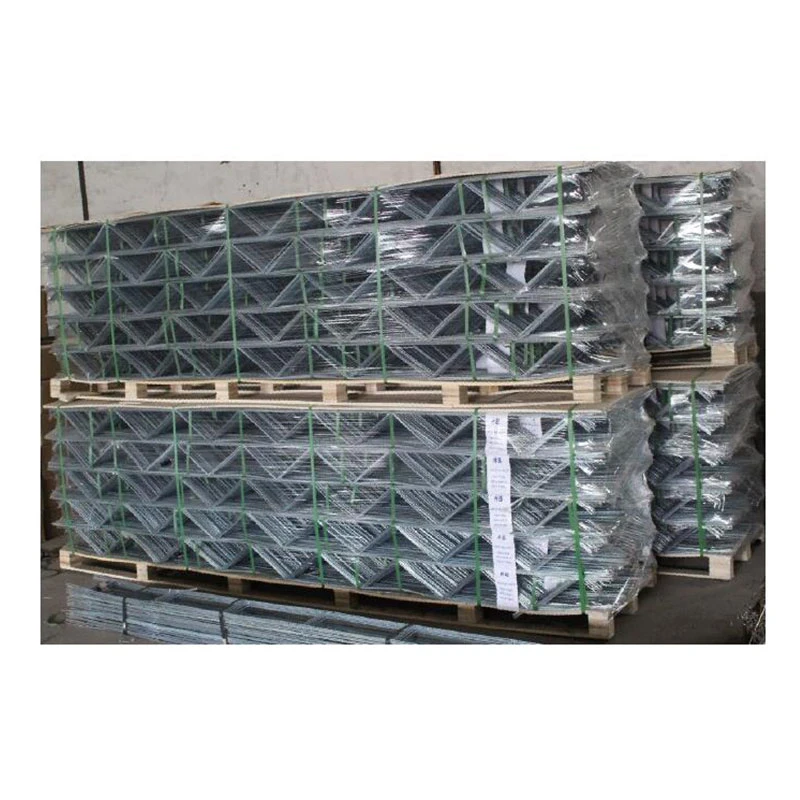
Many big infrastructure projects require tons of wire—often in phases—so suppliers must manage inventory and logistics efficiently, avoiding supply bottlenecks that disrupt timelines.
Cost Efficiency Amid Growing Demands
Raw metal prices fluctuate, but competitive GI wire suppliers offer pricing models balancing quality with affordability. Bulk purchasing agreements and flexible payment terms can also aid large-scale projects.
Customization Flexibility
Not all wire needs are the same. Wire gauge thickness, tensile strength, and length vary per application. The best suppliers provide customization options without compromising lead times.
Environmental Stewardship
Surprisingly, many suppliers now prioritize greener galvanizing processes and recycling initiatives, helping reduce environmental footprints in heavy metal manufacturing.
Where GI Wire Is Making a Real Impact: Applications & Use Cases
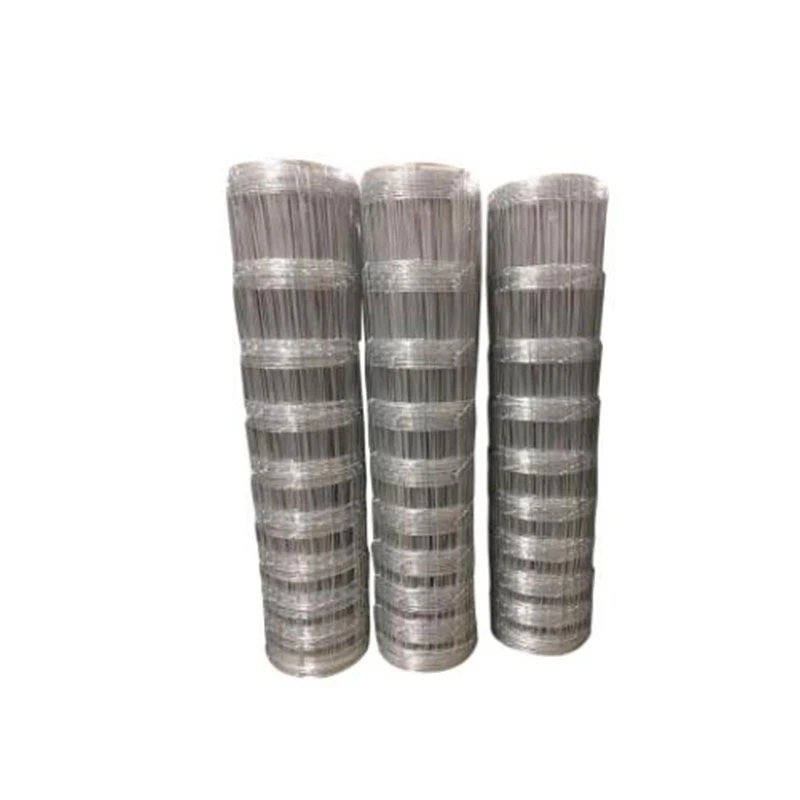
- Agricultural Fencing: In countries like Australia and Brazil, GI wire is the go-to for durable fences that protect crops and livestock.
- Construction Industry: GI wire supports rebar binding and wire mesh encasements, particularly in developing urban centers across Asia.
- Disaster Relief: NGOs often procure galvanized wire for quickly setting up perimeter fences or shelters, especially in earthquake or flood-hit zones.
- Utility Infrastructure: From power transmission to telecommunications, GI wire is used for securing cables and poles worldwide.
- Artisanal and Craft Works: Oddly enough, this wire also serves in artistic metalwork and small-scale manufacturing in European artisan communities.
For example, in Nepal’s earthquake recovery efforts, GI wire supplied by reliable vendors was essential in rebuilding safe community structures rapidly. The same goes for agricultural cooperatives in Kenya, where fencing with galvanized wire drastically reduced livestock theft.
Mini Takeaway:
From fields to factories, secure GI wire supply chains cultivate trust and reliability that literally hold the world together—often unnoticed but critically important.
Practical Advantages and Long-Term Value of Partnering with Reliable GI Wire Suppliers
- Cost Savings: Higher quality wire reduces maintenance and replacement, saving money over the years.
- Enhanced Sustainability: Zinc-coated wire lasts longer, reducing waste and resource consumption.
- Social Impact: Strong fencing deters theft and protects livelihoods, carrying emotional weight in rural areas.
- Safety and Innovation: Reliable suppliers fuel innovation, enabling new designs and specialized industrial applications.
Many engineers say that reliable wire is often a project's unsung hero. It’s the backbone you rarely think about until something fails. When that happens, it’s painfully clear how essential good suppliers truly are.
What’s Next? Trends and Innovations in GI Wire Supply
Looking ahead, eco-conscious galvanizing methods are gaining traction, spurred by policies promoting reduced chemical waste. Automation in production lines increases consistency and cuts costs. Digital tracking and blockchain are also beginning to provide transparency in supply chains, an invaluable tool for global buyers and exporters.
Moreover, hybrid materials merging galvanized wire with polymers or composites offer exciting new properties, like lighter weight or increased flexibility, which open doors for niche but growing markets.
Challenges in the GI Wire Industry and Practical Solutions
Supply chain disruptions, fluctuating raw material costs, and inconsistent quality control remain perennial issues. However, companies implementing strong supplier vetting and investing in local galvanizing plants reduce dependency and enhance resilience.
Also, training end-users on proper handling and installation is often overlooked but crucial—to ensure wire longevity and user safety.
GI Wire Suppliers – Frequently Asked Questions (FAQ)
Q1: How do I choose the right GI wire supplier for my project?
A: Prioritize suppliers with certified galvanization standards, transparent pricing, and positive reviews from similar industries. Check their track record for delivery consistency and offer samples if possible.
Q2: Can GI wire be recycled or reused?
A: Absolutely. GI wire is recyclable by melting down and reprocessing the metal. Reusing is context-dependent; if the zinc coating is intact and wire undamaged, reuse is feasible.
Q3: What are common applications of galvanized wire in agriculture?
A: Mostly fencing for livestock and crop protection, trellising for vine crops, and binding posts or greenhouse structures. It resists weather and animal wear team well.
Q4: Are there environmental concerns linked to galvanizing processes?
A: Traditional galvanizing uses chemicals and generates waste, but modern plants are adopting eco-friendly methods and waste treatment to mitigate impact.
Q5: How quickly can GI wire be delivered internationally?
A: Delivery depends on supplier location and logistics. Many suppliers can arrange shipment within 1-3 weeks for standard orders, expedited for urgent needs.
Product Specification Table: Sample GI Wire Features
| Specification | Details |
|---|---|
| Material | High carbon steel wire |
| Coating Type | Hot-dip galvanized zinc layer |
| Gauge Range | 8 to 20 AWG (4.17 mm to 0.81 mm) |
| Tensile Strength | 500 - 750 MPa |
| Length per Coil | Up to 1000 meters |
| Standard Compliance | ISO 1461 / ASTM A641 |
Vendor Comparison Table: A Snapshot of GI Wire Suppliers
| Supplier | Location | Product Range | Customization Options | Delivery Time |
|---|---|---|---|---|
| YJD Wire Mesh | China | Fencing, Mesh, Binding Wire | Custom gauge, length, zinc coating thickness | 1–3 weeks worldwide |
| Global Wire Corp. | USA | Industrial Wire, Specialty Wire | Limited | 2–4 weeks (domestic only) |
| WirePlus Ltd. | India | Agricultural Wire, Binding Wire | Custom length and gauge | 3–5 weeks (international) |
Wrapping It Up: Long-Term Benefits and Next Steps
Reliable GI wire suppliers offer more than just metal threads; they bring stability, safety, and opportunity. From keeping farms productive to empowering infrastructure growth, they weave an invisible safety net across the globe. For anyone involved in construction, agriculture, or relief work, partnering with dependable suppliers—like gi wire suppliers you can trust—means projects that run smoother and last longer.
Take a moment to browse your options, understand specifications, and think future-forward. Because in today’s world, quality galvanized wire is more than just hardware; it’s a trusted link in a much bigger chain.