Field Notes on Twist Iron Wire: What Builders and Buyers Are Really Asking
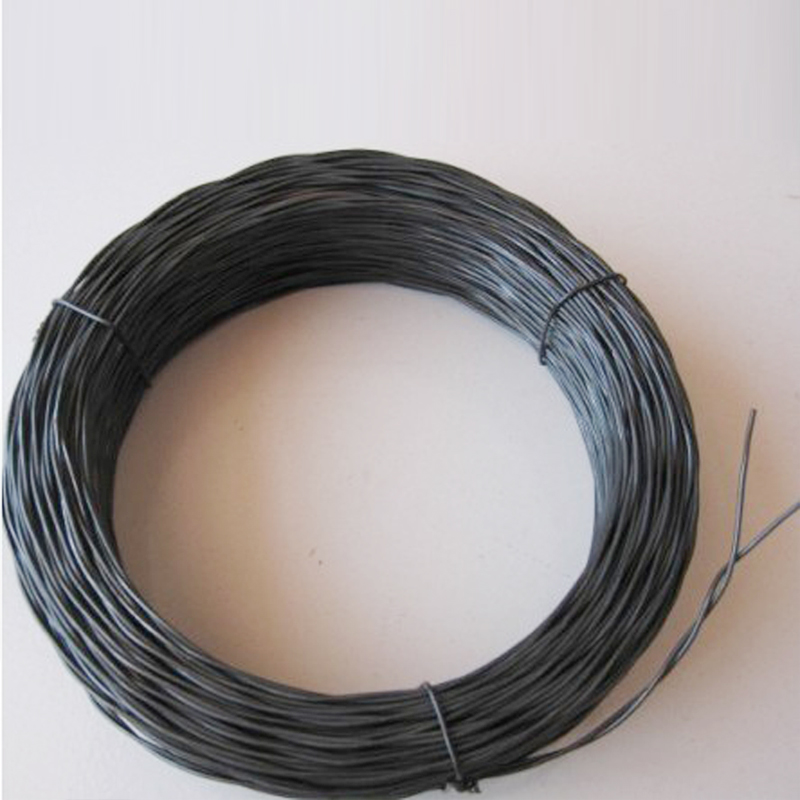
I’ve walked more than a few factory floors in Shenze, Shijiazhuang—the Building Material Production Base in Hebei—and the product I keep coming back to is Twist Iron Wire. The reason is simple: good elasticity and controllable softness matter when your crew is tying rebar at 6 a.m. or bundling pallet loads under pressure. This line lets you dial in hardness/softness during the annealing process, which, to be honest, saves headaches later on.
Industry snapshot
Demand is up in construction and agriculture, especially where labor wants fewer breaks and cleaner ties. Surprisingly, packaging and vineyard trellising are catching up—light gauges, softer anneal, faster twist. Many customers say they want coil weights that don’t ruin backs but still run all morning on a stand. Makes sense.
Technical specifications (core set)
| Material | Low-carbon steel (Q195/SAE 1008) |
| Diameter range | ≈ 0.8–2.0 mm (custom to 3.0 mm) |
| Tensile strength | ≈ 300–450 MPa (annealed); 450–650 MPa (light-drawn) |
| Coating options | Black annealed, electro-galvanized (EG), hot-dip galvanized (HDG) |
| Elongation | ≈ 15–25% (real-world use may vary) |
| Torsion/bend | ≥ 20 torsions; ≥ 6 bends (no crack) per EN/ASTM methods |
| Coil weight | ≈ 1–50 kg (jobsite handy) or 100–500 kg (line feed) |
| Service life | Black: indoor 1–3 yrs; EG: 2–5 yrs; HDG: 5–10+ yrs coastal dependent |
Process flow and QC (the practical version)
Wire rod → pickling & rinsing → drawing → controlled annealing (softness tuning) → optional galvanizing (EG/HDG) → twisting → spooling/coil forming → inspection → packing.
- Testing standards: ASTM A641/A641M (zinc), EN 10218-2 (tolerances), ISO 6892-1 (tensile), ISO 7800 (torsion), ASTM B117 (salt spray for coated).
- Typical test data: TS 380 MPa; El 22%; torsion 25 cycles; HDG zinc mass ≈ 120 g/m²; 72–168 h salt spray no red rust (HDG).
Where it’s used and why it works
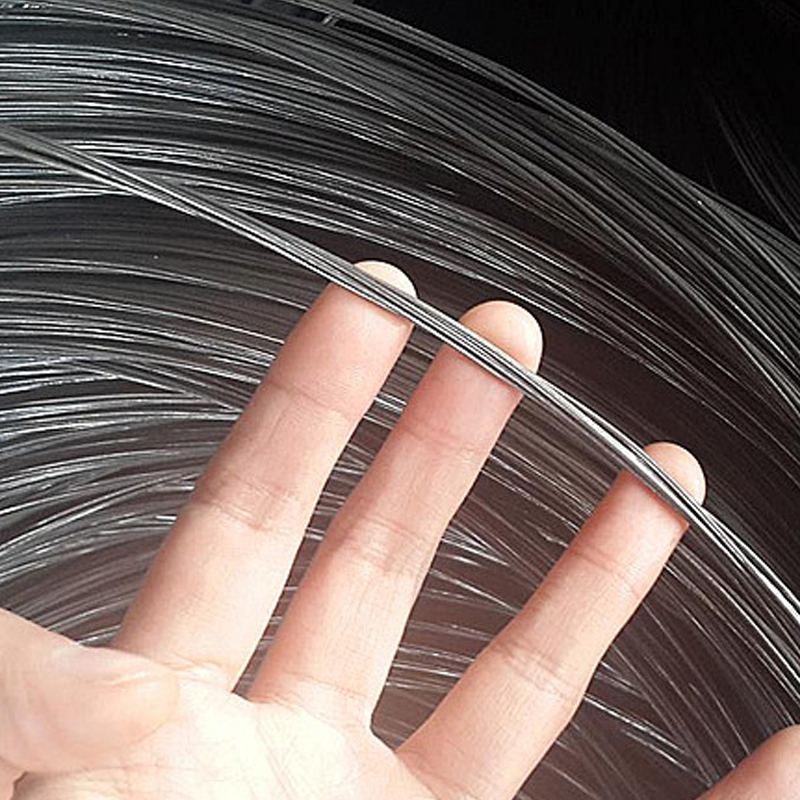
- Construction: rebar tying, formwork fastening; softer Twist Iron Wire reduces wrist fatigue.
- Agriculture: vineyard/cane training, bale ties; HDG Twist Iron Wire handles dew and fertilizers better.
- Packaging & logistics: pallet bundling, tag ties; consistent twist = fewer snap-offs.
- Fencing & DIY: craft projects, temporary lashings; actually fun to work with.
Advantages: controllable ductility via anneal, clean surface (less glove tearing), and coil formats that suit field kits. One foreman told me their rebar crew shaved 8–12% off tie times just switching to a softer grade of Twist Iron Wire.
Customization and packaging
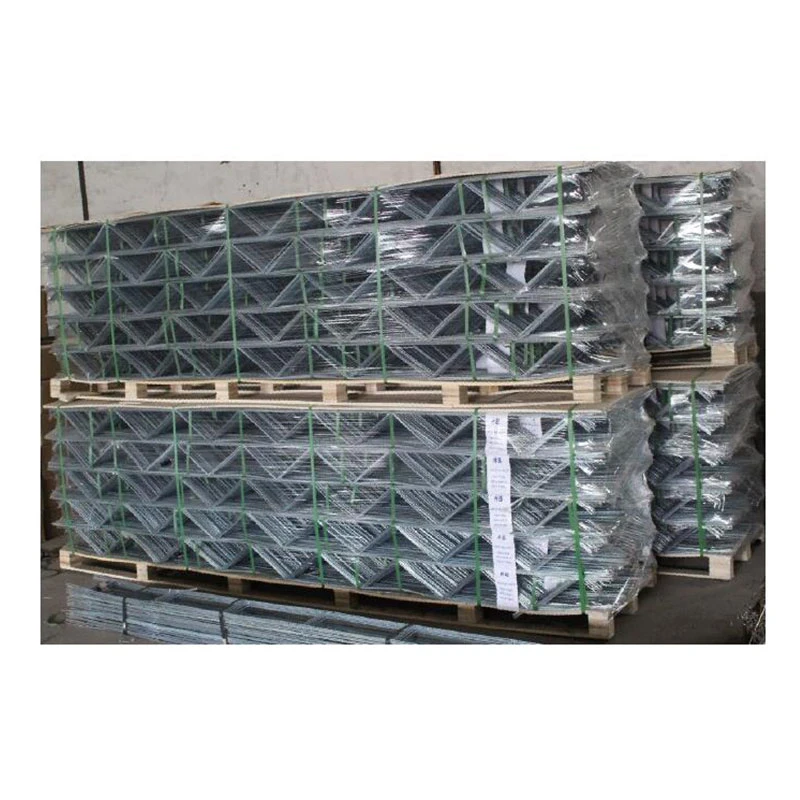
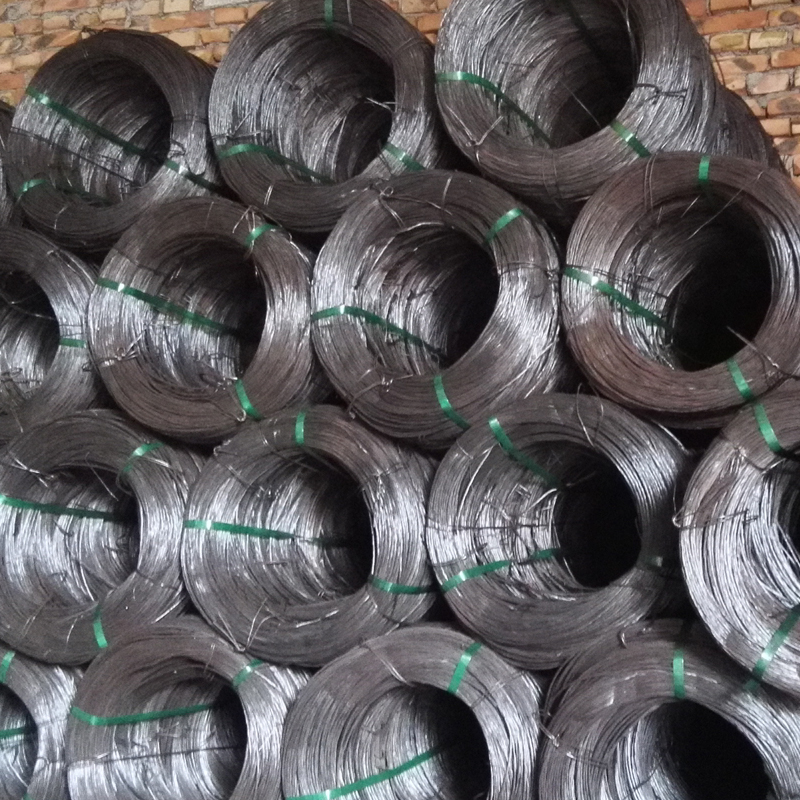
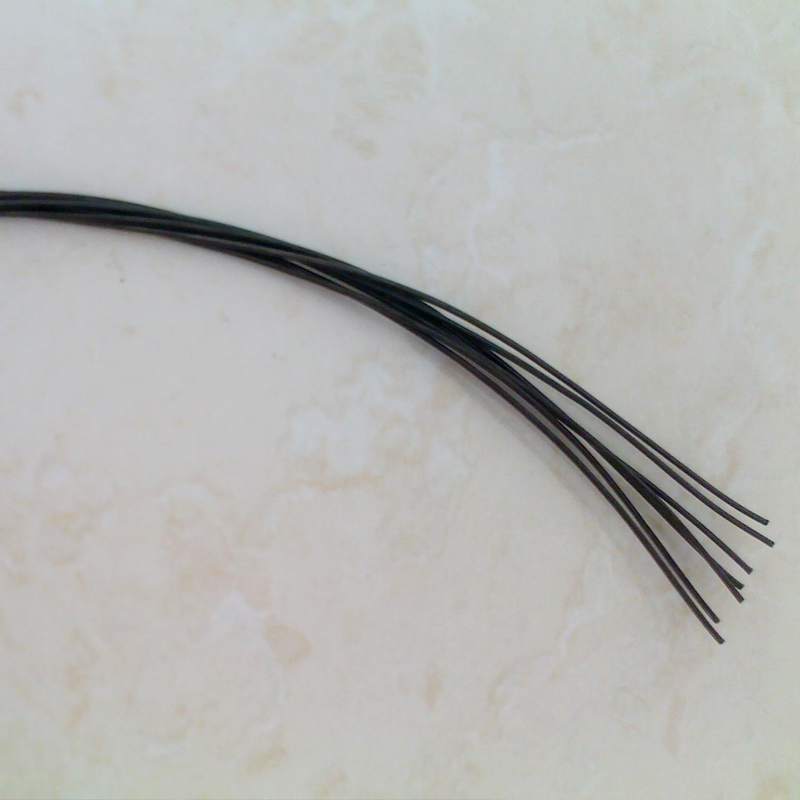
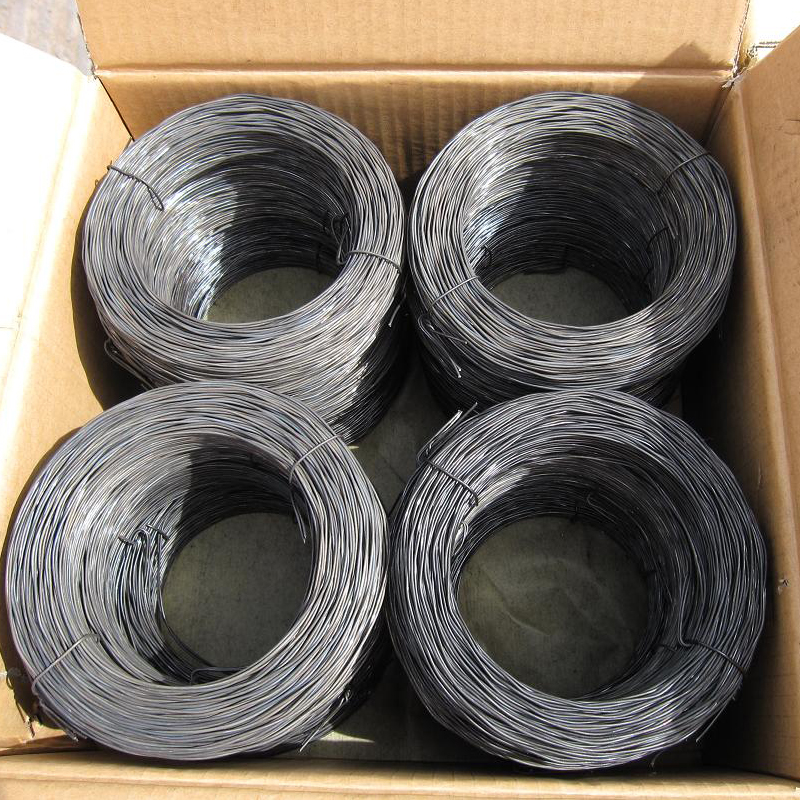
Diameters, coil weights, twist pitch, and coating are all customizable. Packaging can be shrink film, woven bag, or carton with neutral or OEM labels. For export yards, I usually recommend 25 kg coils on pallets—easier forklifting, fewer dents.
Case study: A coastal contractor switched to HDG Twist Iron Wire (1.2 mm, soft) for pier reinforcement. After 6 months, site audits showed less red rust and a noticeable drop in snapped ties. Not lab science, but the punch list was cleaner.
Vendor comparison (what buyers really weigh)
| Vendor | Custom dia. | Coating | MOQ | Lead time | Certs | Notes |
|---|---|---|---|---|---|---|
| Factory in Shenze (origin: Hebei) | 0.8–3.0 mm | Black/EG/HDG | ≈ 1 ton | 7–15 days | ISO 9001, RoHS, REACH | Stable anneal control; test sheets provided |
| Local wholesaler | Common sizes only | Mostly black/EG | ≈ 200–500 kg | Ready stock | Varies | Fast but limited specs |
| Trading company | Wide range | All options | ≈ 1–2 tons | 15–25 days | On request | More flexibility, higher margin |
Compliance and documentation
Certificates available: ISO 9001, mill test certificate (MTC), coating mass reports to ASTM/EN, RoHS/REACH statements. If you need third-party inspection, book it early—slots go fast during peak season.
References
- ASTM A641/A641M – Zinc-Coated (Galvanized) Carbon Steel Wire, latest edition.
- EN 10218-2 – Steel wire and wire products: General wire dimensions and tolerances.
- ISO 6892-1 – Metallic materials—Tensile testing—Part 1.
- ASTM B117 – Standard Practice for Operating Salt Spray (Fog) Apparatus.