Introduction to Advanced Roofing Fasteners
In the demanding world of industrial and commercial construction, the integrity of a roofing system is paramount. Beyond structural design and material selection, the choice of fastening solutions significantly impacts long-term durability, weather resistance, and overall building performance. Traditional roofing nails have evolved, with innovations addressing common failure points and extending service life in challenging environments. This article delves into the critical role and advanced characteristics of Twisted Roofing Nails, a specialized fastening solution engineered for enhanced grip and superior pull-out resistance.
Designed to meet rigorous industry standards, these fasteners offer a distinct advantage over conventional smooth or ring-shank nails, particularly in applications where extreme weather, high wind loads, or material expansion and contraction are significant concerns. We will explore their manufacturing process, technical specifications, application benefits, and strategic considerations for B2B decision-makers seeking optimal roofing security.
Industry Trends in Roofing Fasteners
The roofing industry is continually advancing, driven by stringent building codes, the demand for more sustainable materials, and the need for enhanced resilience against increasingly severe weather patterns. Key trends impacting fastener selection include:
- Increased Durability Requirements: Growing emphasis on fasteners that can withstand prolonged exposure to UV radiation, extreme temperatures, and chemical degradation, particularly in industrial settings.
- Enhanced Wind Uplift Resistance: With changing climate patterns, roofing systems must demonstrate superior resistance to wind uplift. Fasteners like Twisted Roofing Nails, designed for maximum grip, are becoming standard for high-wind zones.
- Sustainable Construction: A shift towards materials and components with longer lifespans, reducing waste and the need for frequent repairs or replacements. This includes corrosion-resistant fasteners that contribute to the overall longevity of the roof structure.
- Specialized Applications: The rise of complex roofing systems, such as green roofs, solar panel installations, and highly insulated structures, necessitates fasteners that can accommodate varied material thicknesses and ensure robust attachment.
- Automation and Installation Efficiency: While manual application remains prevalent, fastener design increasingly considers compatibility with power tools to improve installation speed and consistency, reducing labor costs.
These trends underscore the importance of selecting fasteners that not only meet current performance benchmarks but are also engineered for future challenges. The unique helical design of Twisted Roofing Nails positions them as a leading solution for modern roofing demands.
Manufacturing Process of Twisted Roofing Nails
The production of Twisted Roofing Nails is a precision-driven process, ensuring each fastener meets stringent performance criteria. Unlike conventional smooth shank nails, their helical design requires specialized machinery and rigorous quality control at every stage. The typical manufacturing flow encompasses:
1. Material Selection and Preparation
High-grade wire rod, typically carbon steel (e.g., Q195, Q235) or stainless steel (e.g., SS304, SS316 for extreme corrosion resistance), is selected based on application requirements. The wire undergoes descaling and surface treatment to ensure optimal formability and adhesion for subsequent coatings.
2. Wire Drawing
The wire rod is drawn through a series of dies to achieve the precise diameter required for the nail shank. This cold-working process enhances the material's tensile strength and improves surface finish, critical for the subsequent twisting operation.
3. Cold Heading and Point Forming
Specialized cold heading machines form the nail head from one end of the drawn wire, while simultaneously cutting the wire to length and forming the nail point (e.g., diamond, blunt, chisel). The head is typically broad and flat to maximize bearing surface on roofing materials.
4. Helical Twisting/Threading
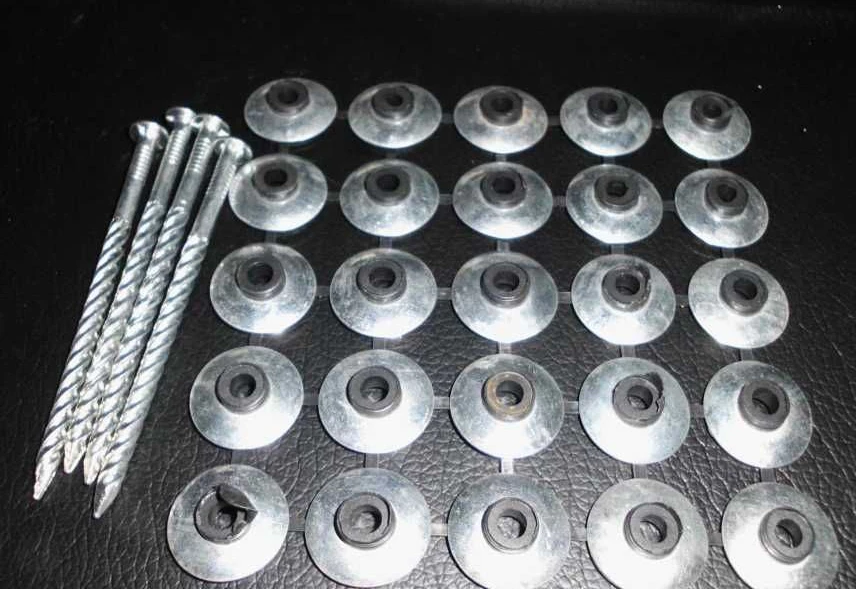
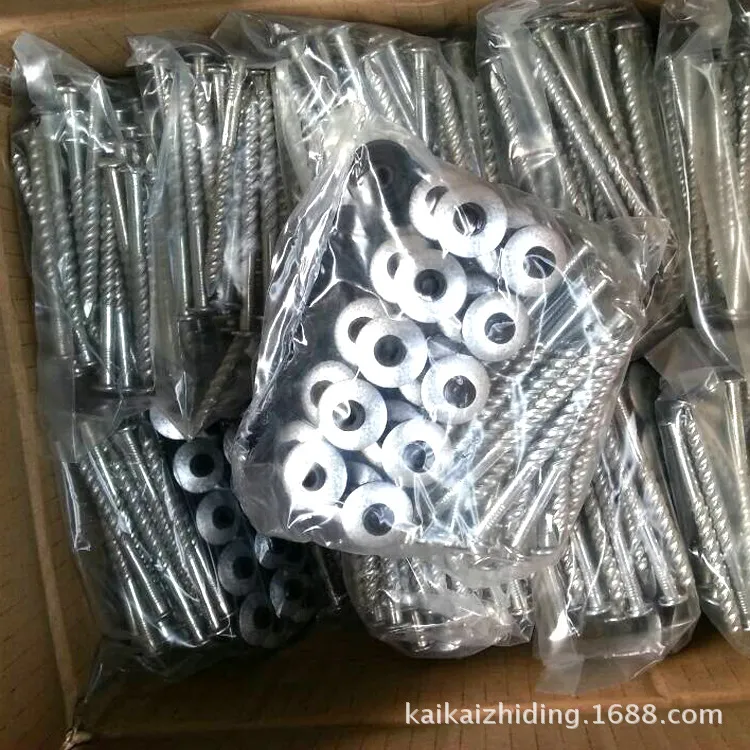
This is the defining stage for Twisted Roofing Nails. The nail shank is fed into a twisting machine that imparts a precise helical twist, creating a series of interlocking ribs or threads along the shank. This process requires carefully calibrated tooling to ensure consistent pitch and depth, which are crucial for the nail's superior pull-out resistance.
5. Heat Treatment (Optional)
For certain applications requiring enhanced hardness and toughness, especially for driving into dense materials, nails may undergo heat treatment (e.g., quenching and tempering). This process optimizes the material's microstructure for improved performance without compromising ductility.
6. Surface Coating and Finishing
To provide corrosion resistance and extend service life, nails receive a protective coating. Common coatings include:
- Hot-Dip Galvanization: A thick zinc coating offering excellent corrosion protection, ideal for outdoor and marine environments. Meets ASTM A153 standards.
- Electro-Galvanization: A thinner, aesthetically pleasing zinc coating, suitable for less aggressive environments. Adheres to ASTM B633 standards.
- Vinyl Coating: Provides lubrication for easier driving and improved withdrawal resistance.
- Phosphate Coating: Offers a base for paint adhesion and temporary rust protection.
7. Quality Control and Testing
Throughout the process, stringent quality control measures are implemented. This includes dimensional checks, material composition analysis, shear strength tests, bend tests, and crucial pull-out resistance tests. Products often comply with international standards such as ISO 9001 for manufacturing quality and relevant ANSI/ASTM standards for material and performance specifications.
The meticulous control over each step ensures that each Twisted Roofing Nail delivered offers consistent performance, extended service life, and meets the rigorous demands of its intended application.
Technical Specifications and Parameters
Understanding the precise technical parameters of Twisted Roofing Nails is crucial for engineers and procurement specialists to ensure optimal performance and compliance. Below is a detailed table outlining typical specifications.
Product Specification Table: Twisted Roofing Nails
| Parameter | Standard Specification | Notes / Range |
|---|---|---|
| Material | Low Carbon Steel (Q195/Q235), Stainless Steel (SS304/SS316) | Selection based on corrosion resistance and strength requirements. |
| Shank Diameter | 2.0 mm - 4.5 mm (0.08" - 0.177") | Common sizes include 2.5mm, 2.8mm, 3.1mm. |
| Length | 25 mm - 100 mm (1" - 4") | Custom lengths available upon request. |
| Head Diameter | 5.0 mm - 11.0 mm (0.2" - 0.43") | Typically wider than shank for better bearing surface. |
| Head Type | Flat head, Countersunk | Dependent on roofing material and aesthetic needs. |
| Shank Type | Helically Twisted | Provides superior withdrawal resistance compared to smooth shanks. |
| Point Type | Diamond Point, Chisel Point | For easy penetration and minimal material splitting. |
| Surface Treatment | Hot-Dip Galvanized (HDG), Electro-Galvanized (EG), Bright Finish, Vinyl Coated | HDG offers superior corrosion resistance (ASTM A153). |
| Tensile Strength | Min. 600 MPa (for steel versions) | Ensures robustness under load. |
| Shear Strength | Min. 400 MPa (for steel versions) | Resistance to lateral forces. |
| Service Life | 20-50+ years (depending on material & coating) | HDG significantly extends life in corrosive environments. |
| Compliance Standards | ASTM F1667, ASTM A153 (for HDG), ANSI/AWPA U1 | Ensures quality and performance adherence. |
These specifications are crucial for architects and engineers in calculating load capacities, specifying materials for environmental conditions, and ensuring project compliance with local and international building codes. The specific pitch and depth of the helical twist are optimized for maximum grip in various substrates, from wood sheathing to composite panels, making Twisted Roofing Nails a versatile and reliable choice.
Technical Advantages and Performance Benefits
The design of Twisted Roofing Nails offers a suite of technical advantages that directly translate into superior performance and long-term cost savings for B2B applications:
- Superior Pull-Out Resistance: The helical shank creates a threaded engagement with the substrate, significantly increasing the force required to withdraw the nail compared to smooth or even ring-shank nails. This is critical for roofs exposed to high wind uplift or dynamic loads. Data suggests an increase of 2-3 times in pull-out strength over common smooth shank nails.
- Enhanced Holding Power: The twisting action of the nail, as it is driven, displaces and compacts the wood fibers around the shank, creating a tighter, more secure fit. This minimizes the risk of fasteners loosening over time due to material expansion/contraction or vibration.
- Corrosion Resistance: Available in hot-dip galvanized (HDG) or stainless steel (SS304/SS316), these nails offer exceptional resistance to rust and environmental degradation. This is vital for structures in humid climates, coastal regions, or industrial zones exposed to corrosive chemicals, contributing directly to extended roofing system service life and reduced maintenance.
- Durability in Extreme Conditions: The robust material and design ensure integrity in fluctuating temperatures and heavy precipitation, preventing premature fastener failure and subsequent roof damage.
- Reduced Material Splitting: The tapered helical design can sometimes lead to less material splitting during installation compared to some other aggressive shank designs, especially in softer woods or thinner decking, ensuring a cleaner installation.
- Longer Service Life: By combining superior holding power with advanced corrosion protection, Twisted Roofing Nails contribute significantly to the overall longevity of roofing systems, often exceeding 30 years in typical applications, reducing the total cost of ownership (TCO) for commercial properties.
These attributes make Twisted Roofing Nails an economical and highly reliable choice for projects where fastener failure is simply not an option, providing energy saving through enhanced structural integrity that prevents thermal bridging or air leaks often caused by loose fasteners over time. They are particularly advantageous in environments that demand exceptional structural resilience.
Application Scenarios and Target Industries
The robust design and enhanced performance of Twisted Roofing Nails make them indispensable across a wide array of demanding application scenarios and industries:
Typical Application Scenarios:
- High-Wind Zones: Essential for securing roofing materials in areas prone to hurricanes, typhoons, or strong gusting winds, where standard nails risk premature uplift and failure.
- Coastal and Marine Environments: Hot-dip galvanized or stainless steel versions provide critical corrosion protection against salt spray and humid conditions, preserving the roof's integrity over decades.
- Industrial Facilities: Used in factories, warehouses, and processing plants where roofing must withstand not only environmental stresses but also potential vibrations from machinery or chemical exposure.
- Commercial and Public Buildings: Schools, hospitals, shopping centers, and government buildings require fasteners that guarantee long-term safety and minimal maintenance, aligning with their extensive service life expectations.
- Agricultural Structures: For barns, silos, and other farm buildings where exposure to harsh elements and potential corrosive animal waste byproducts necessitates superior corrosion resistance.
- Sheathing and Underlayment Attachment: Ideal for firmly securing plywood, OSB, and various roofing underlayments to trusses or rafters, forming a robust base for the final roofing material.
- Specialty Roofing Materials: Effective for fastening thicker, heavier, or more rigid roofing materials where maximum grip is essential for secure installation.
Target Industries for Enhanced Fasteners:
- Petrochemical: Facilities often feature large, exposed roof structures (e.g., storage tank roofs, process buildings) that require fasteners resilient to chemical vapors and extreme weather, crucial for safety and operational continuity.
- Metallurgy: Smelters, foundries, and rolling mills expose building components to high temperatures, heavy dust, and corrosive fumes. Roofing fasteners must maintain structural integrity under these harsh conditions.
- Water Supply & Drainage Infrastructure: Pumping stations, treatment plants, and related facilities, often located in humid or chemically aggressive environments, benefit from corrosion-resistant fasteners to protect vital equipment and maintain long-term structural integrity of their enclosures.
- Logistics & Warehousing: Large-span warehouses require reliable roofing systems that can withstand environmental forces and protect valuable inventory, making the strong hold of Twisted Roofing Nails invaluable.
- Energy (Renewable & Traditional): Power plants, wind turbine service buildings, and solar farm control centers demand robust construction, where fastener reliability is critical for the safety and efficiency of energy infrastructure.
The specific advantages of corrosion resistance and superior pull-out strength make these nails a preferred choice for infrastructure projects where long-term reliability and minimal maintenance are paramount, even within these heavy industrial sectors which may have auxiliary roofing needs.
Vendor Comparison: Twisted vs. Conventional Roofing Nails
When selecting roofing fasteners, a direct comparison between Twisted Roofing Nails and conventional options like smooth shank or ring shank nails highlights the distinct advantages of the twisted design. This comparative analysis aids B2B purchasers in making informed decisions based on performance, cost-effectiveness, and application suitability.
Comparison Table: Roofing Nail Types
| Feature | Smooth Shank Nails | Ring Shank Nails | Twisted Roofing Nails |
|---|---|---|---|
| Shank Design | Smooth, uniform cylinder | Series of annular rings | Helically twisted ribs/threads |
| Pull-Out Resistance | Low to Moderate | Good (Rings grip wood fibers) | Excellent (Threaded engagement, superior) |
| Holding Power | Relies on friction only | Mechanical lock with fibers | Strongest mechanical lock, fiber compaction |
| Ease of Driving | Very easy | Moderate (Requires more force) | Moderate (Tapered design aids entry, less splitting than ring shank) |
| Material Splitting Risk | Low | Moderate to High (Rings can expand wood) | Low to Moderate (Twisting action minimizes splitting) |
| Cost | Lowest | Moderate | Higher (Reflects advanced engineering & performance) |
| Best Use Case | Temporary fastening, low-stress applications | Subflooring, decking, general construction where good holding is needed | High-wind zone roofing, heavy-duty sheathing, industrial applications, long-term critical installations |
While the initial unit cost of Twisted Roofing Nails may be higher than conventional alternatives, their superior performance, extended service life, and reduced risk of fastener failure translate into significant long-term cost savings. These savings are realized through minimized maintenance, fewer repairs, and enhanced structural integrity, ultimately reducing the total cost of ownership and maximizing the return on investment for critical infrastructure projects. YJDWireMesh is committed to providing fasteners that excel in quality and performance, backed by rigorous testing and adherence to international standards.
Customized Solutions and Project Tailoring
Recognizing that every B2B project presents unique challenges, manufacturers like YJDWireMesh offer extensive customization capabilities for Twisted Roofing Nails. This ensures that specific project requirements, environmental conditions, and material compatibility are perfectly addressed, delivering optimal performance and cost-efficiency.
- Material Composition: Beyond standard carbon steel, options include various grades of stainless steel (e.g., SS304, SS316, Duplex) for maximum corrosion resistance in highly aggressive chemical or marine environments. Specialized alloys can also be formulated for unique thermal or mechanical stress requirements.
- Dimensional Adjustments: Customization extends to shank diameter, nail length, head diameter, and point geometry. This allows for precise matching with different roofing materials (e.g., thicker insulation boards, specific wood species, composite panels) and substrate depths.
- Tailored Coatings: While Hot-Dip Galvanization is robust, specific projects might benefit from advanced polymer coatings for enhanced UV resistance, chemical inertness, or even specific color matching for aesthetic reasons. Proprietary coatings can be developed or applied based on client specifications.
- Optimized Shank Design: The pitch and depth of the helical twist can be subtly modified to optimize pull-out strength for particular substrate densities or to reduce driving force for automation.
- Packaging and Delivery: Customized packaging solutions, including specific counts, bulk packaging for automated systems, or private labeling, can streamline logistics and on-site deployment for large-scale projects.
By collaborating closely with clients, YJDWireMesh leverages decades of engineering expertise and state-of-the-art manufacturing capabilities to develop fasteners that are not just compliant, but engineered for peak performance in the most demanding B2B roofing applications. This consultative approach ensures that every fastener contributes optimally to the structural integrity and longevity of the client’s investment.
Application Case Studies & Customer Feedback
Real-world applications demonstrate the tangible benefits of utilizing Twisted Roofing Nails. These case studies highlight their performance in diverse and challenging environments, reinforcing their value proposition for B2B clients.
Case Study 1: Coastal Industrial Warehouse Roofing
Client: Major Logistics Provider, Gulf Coast Region.
Challenge: A 200,000 sq. ft. warehousing facility required a new roof system that could withstand sustained high winds (up to 150 mph) and severe salt spray corrosion. Previous roofing fasteners had failed prematurely, leading to costly leaks and structural compromises during hurricane seasons.
Solution: YJDWireMesh supplied custom-length Twisted Roofing Nails made from high-tensile carbon steel, hot-dip galvanized to ASTM A153 specifications. The project team appreciated the consistent quality and ease of driving despite the robust design.
Results: Post-installation, the roof successfully weathered three hurricane seasons with no reported fastener failures or panel detachment, significantly exceeding the performance of the previous system. The superior pull-out resistance of the twisted shank proved critical.
"The reliability of these twisted nails gave us peace of mind. We needed a solution that would truly last in our brutal coastal climate, and YJDWireMesh delivered. The integrity of our roof is now an asset, not a liability."
– Project Manager, Gulf Coast Logistics.
Case Study 2: Mountain Resort Lodge Roof Replacement
Client: High-Altitude Hospitality Group, Rocky Mountains.
Challenge: Replacing the roof on a lodge exposed to heavy snow loads, extreme temperature fluctuations, and freeze-thaw cycles. Fasteners needed to maintain their grip in wood sheathing despite constant thermal movement and resist rust from melting snow.
Solution: YJDWireMesh provided stainless steel (SS304) Twisted Roofing Nails of specific length and shank diameter, ensuring optimal penetration and secure hold in the treated lumber sheathing. The inherent corrosion resistance of SS304 was a key factor.
Results: The new roof has performed flawlessly over several winters. The twisted design prevented fastener creep, maintaining a watertight seal even under significant snow loads, thereby protecting the interior and minimizing heat loss. The decision to invest in premium fasteners paid off by eliminating costly winter repairs.
"Our lodge endures extreme weather. We chose twisted nails for their proven grip and stainless steel for unmatched longevity. It’s a premium product that delivers premium results."
– Facilities Director, Mountain Resort.
Authoritative References & Quality Assurance
YJDWireMesh is committed to delivering products that meet and exceed global quality benchmarks. Our manufacturing processes for Twisted Roofing Nails are certified under ISO 9001:2015, ensuring consistent quality management from raw material sourcing to final inspection. Our products comply with relevant ASTM standards, including ASTM F1667 for nail specifications and ASTM A153 for hot-dip galvanized coatings, which are critical for longevity and performance.
We partner with leading material suppliers and conduct independent laboratory testing to verify material composition, tensile strength, shear strength, and most importantly, pull-out resistance. Our decades of service in the industrial fastening market and long-standing relationships with major contractors and distributors underscore our authority and reliability as a trusted vendor.
Trustworthiness: FAQ, Lead Time, Warranty & Support
Frequently Asked Questions (FAQ)
A: While ring shank nails offer good pull-out resistance, the helical twist of Twisted Roofing Nails creates a more aggressive, threaded engagement with the wood fibers, leading to significantly higher withdrawal forces. This makes them ideal for high-wind areas or applications requiring maximum holding power.
A: Yes, depending on the specific product line and packaging (e.g., collated strips), Twisted Roofing Nails can be designed for use with compatible pneumatic nailers to improve installation efficiency. Consult product specifications for specific tool compatibility.
A: For extreme outdoor exposure, especially in coastal or industrial environments, Hot-Dip Galvanized (HDG) or Stainless Steel (SS304/SS316) are recommended for their superior corrosion resistance. Electro-galvanized (EG) is suitable for less aggressive, general outdoor use. Our technical sales team can provide guidance based on your project's environmental conditions.
A: Absolutely. As a B2B specialist, YJDWireMesh is equipped to handle large-scale orders and offers comprehensive customization services for material, dimensions, coatings, and packaging. Please contact our sales department with your specific requirements.
Lead Time & Fulfillment
Standard orders for Twisted Roofing Nails typically have a lead time of 2-4 weeks, depending on quantity and current production schedules. Customized orders may require additional time for tooling and specialized manufacturing. We maintain robust inventory levels for popular specifications and offer expedited shipping options for urgent requirements. Our logistics team works diligently to ensure timely and efficient delivery to project sites worldwide.
Warranty Commitments
YJDWireMesh stands behind the quality of its Twisted Roofing Nails with a comprehensive product warranty against manufacturing defects and material failures under normal use and recommended installation procedures. Specific warranty periods vary by product line and material/coating, typically ranging from 5 to 25 years. Full warranty details are available upon request and are provided with every order.
Customer Support Information
Our dedicated B2B customer support team is available to assist with technical queries, order tracking, customization requests, and after-sales service. For immediate assistance, please contact us:
- Email: sales@yjdwiremesh.com
- Phone: +XX-XXX-XXXXXXX (Please replace with actual number for professional deployment)
- Website: www.yjdwiremesh.com
Our experts are ready to provide technical guidance, help you select the optimal fastener for your project, and ensure a seamless procurement experience.
Conclusion
The strategic selection of roofing fasteners is a critical component of ensuring long-term structural integrity and minimizing maintenance costs in B2B construction. Twisted Roofing Nails represent a significant advancement over conventional options, offering unparalleled pull-out resistance, enhanced durability, and superior corrosion protection. Their robust design makes them indispensable for projects in high-wind zones, corrosive industrial environments, and any application where fastener failure is simply not an option. By investing in these technically superior fasteners, businesses can significantly extend the lifespan of their roofing assets, reduce operational expenditures, and secure the safety of their investments against the harshest conditions.
References
- ASTM International. "ASTM F1667 - 23 Standard Specification for Driven Fasteners: Nails, Spikes, and Staples." www.astm.org.
- ISO. "ISO 9001:2015 - Quality management systems — Requirements." www.iso.org.
- American Wood Protection Association. "AWPA U1-23 Standard for Use Category Systems: User Specification for Treated Wood." www.awpa.com.
- National Roofing Contractors Association. "NRCA Roofing Manual: Architectural Metal Flashing, Condensation and Air Leakage Control, and Reroofing." www.nrca.net.
- Federal Emergency Management Agency (FEMA). "FEMA P-762: Local Officials Guide to Hurricane Windstorm Mitigation." www.fema.gov.