Types of Nails in Construction: A Handy Guide for Industry Pros
Having spent a solid decade in the industrial equipment sector, I’ve come to appreciate the quiet heroes of construction — nails. Oddly enough, they don’t get as much spotlight as power tools or heavy machinery. But if you think about it, the strength and longevity of any structure depend a lot on the choice of nails and fasteners. Today, let’s walk through some common types of nails in construction. I’ll toss in a few personal impressions and maybe a story or two because frankly, nails ain’t just nails to those of us who’ve handled thousands of them on site.
First off, nails come in different shapes, sizes, and materials — each tailored for a particular job. Whether you’re framing a house or laying shingles on a roof, the nail you choose can make or break structural integrity.
Common Nail Types & Their Typical Uses
Let’s talk about a few categories that pop up often:
- Common Nails: The workhorse of framing lumber, these have thick shanks and large flat heads. When framing walls or building heavy wooden structures, these babies hold tight under stress. I usually recommend them for any solid wood-to-wood connection.
- Box Nails: These look similar to commons but have thinner shanks to reduce splitting in thinner or softer wood. I’ve seen a lot of cabinetry projects use these because they’re less aggressive but still keep things snug.
- Casing Nails: With smaller heads meant to be hidden with putty or paint, these show up in trim work and fine woodworking. I once worked with a trim carpenter who swore by 16d casing nails — “they’re invisible heroes,” he’d say.
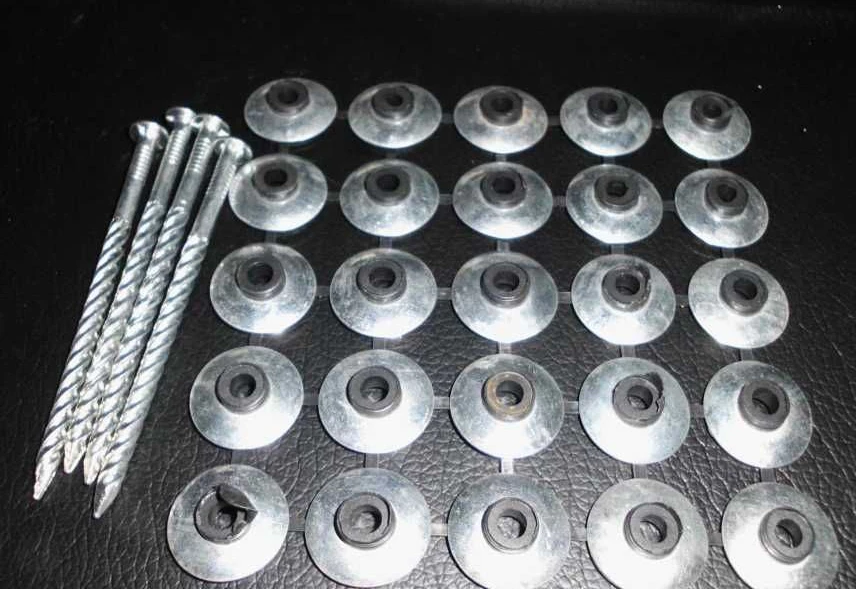
- Roofing Nails: Shorter shanks with large flat heads and sometimes plastic washers to hold down shingles. You can’t skimp here if you want a durable roof.
- Finish Nails: These have tiny heads and are used where you want a clean finish, often in molding or paneling. They require a nail gun for quick installation — saves time and looks sharp.
Material & Coating Matter More Than You Might Think
Here’s the kicker — beyond type and size, the material and coating can seriously influence performance. Plain steel nails are common, but if you’re working outdoors or in wet conditions, galvanized or stainless steel nails could be the difference between last year’s job still standing or a tomorrow’s repair call.
Many engineers I’ve chatted with stress the importance of corrosion-resistant nails when working on docks or coastal buildings. There’s simply no point investing in quality wood if your fastener fails. I once saw a contractor choose subpar nails for a seaside project, and guess who was back for warranty repairs within a year? Exactly.
Quick Specs Snapshot
| Nail Type | Length | Shank Diameter | Typical Use | Material/Coating |
|---|---|---|---|---|
| Common Nail | 2" - 4" | 0.12" - 0.148" | Framing, heavy construction | Steel (plain or galvanized) |
| Box Nail | 1.25" - 3.25" | 0.09" - 0.12" | Trim, light framing | Steel (galvanized options available) |
| Casing Nail | 1" - 3" | 0.08" - 0.11" | Trim, molding | Steel (usually bright or galvanized) |
| Roofing Nail | 0.75" - 1.5" | 0.12" | Roof shingles, waterproofing | Galvanized steel, with plastic cap |
| Finish Nail | 1" - 2.5" | 0.072" - 0.085" | Moldings, cabinetry | Steel, bright or stainless |
Vendors & Quality: What I’ve Learned in the Field
You might wonder — is that just me? No. Across the years, I’ve tested products from different suppliers. Some vendors obviously prioritize consistency and corrosion resistance more than others. Sometimes it really shows, particularly when nails bend or snap halfway through a framing job — a real headache.
| Vendor | Nail Strength | Corrosion Resistance | Price Range | Comments |
|---|---|---|---|---|
| YJD Wire Mesh | High | Excellent (galvanized & stainless options) | Mid-range | Reliable quality, consistent sizing, trusted by many pros |
| Vendor B | Moderate | Good (limited galvanized options) | Budget | Affordable but occasional inconsistency reported |
| Vendor C | High | Fair (limited stainless steel) | High-end | Premium nails; pricey but durable |
A Quick Customer Story
I recall a client in Wisconsin working on a deck project, swamped in moisture-prone conditions. We recommended galvanized common nails from YJD Wire Mesh — they came through with flying colors, no rust, no loosening after the first snow. That kind of trust in a nail supplier? Priceless.
So yeah, picking the right nail is sort of like choosing the right tool; it influences not only the immediate build quality but long-term stability. For those into serious construction or heavy DIY, tying good hardware with solid craftsmanship definitely pays off.
If you want to explore further or source quality nails yourself, check out YJD Wire Mesh — they’re a name many of us rely on.
To wrap up? Never underestimate the simple nail. It’s often the smallest link holding your whole project together — literally and figuratively.
References:
- American Wood Council, "Nails & Fasteners Guide", 2023.
- Construction Industry Institute, Corrosion Resistance in Fasteners, 2022.
- Personal experience and field notes from 10+ years in industrial construction equipment.