Why 10 Gauge Galvanized Wire Matters in a Changing World
Every so often, a simple product — like 10 gauge galvanized wire — quietly holds together not just fences, but entire industries. It’s a behind-the-scenes hero in agriculture, construction, and even humanitarian efforts worldwide. Why does this bare metal thread matter? Because its resilience and versatility help communities create secure boundaries, protect livestock, and reinforce infrastructure in places both bustling and remote. Understanding this wire opens doors to smarter project planning, cost control, and environmental responsibility — all vital as the world faces rapid urbanization and climate challenges.
Connecting the Dots: The Global Context of 10 Gauge Galvanized Wire
Look around, and you’ll notice galvanized steel wires are everywhere. In fact, the global steel wire and wire rope market size was valued over $40 billion in recent years — Statista reports — with galvanized varieties forming a huge slice. This product’s importance jumps out especially in developing economies, where fencing and durable construction help protect farmland and manage resources. According to the International Organization for Standardization (ISO), galvanized wire also plays a key role in meeting sustainability and safety standards worldwide.
But here’s the catch: simply having wire isn’t enough. Varied climates, combined with changing industrial needs, mean you need materials that last without frequent replacement or environmental harm. The 10 gauge galvanized wire addresses these challenges by combining strength, corrosion resistance, and versatility — making it a staple for engineers, builders, and even NGOs working in disaster relief.
10 Gauge Galvanized Wire: What Exactly Is It?
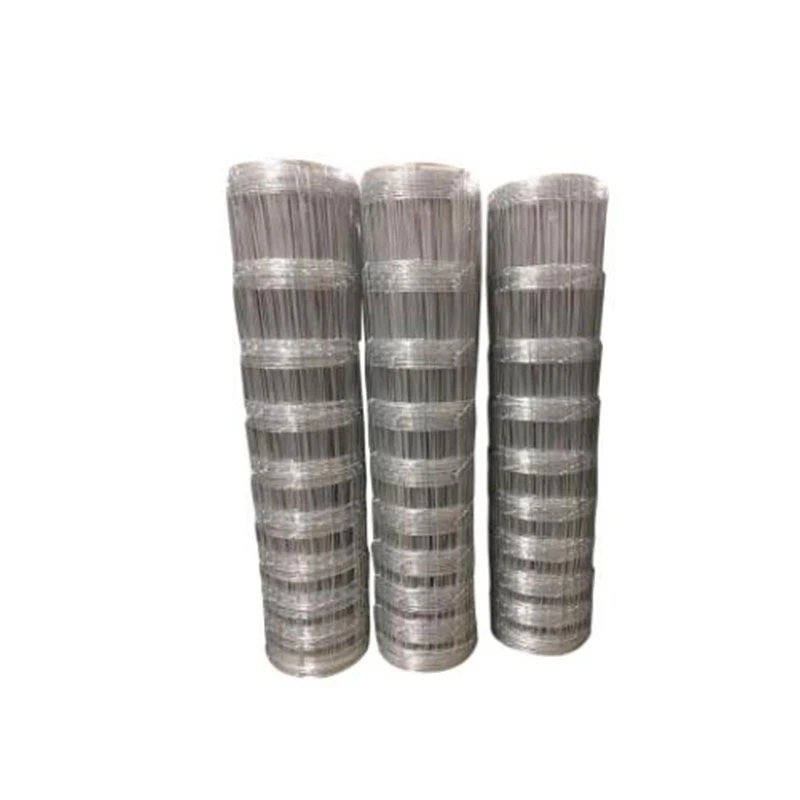
In simple terms, 10 gauge galvanized wire is a steel wire about 0.135 inches (3.4 mm) thick, coated with a layer of zinc to protect it from rust. The “galvanized” part means the wire is dipped in molten zinc — sometimes electroplated — giving it longevity against weather and wear. This thickness is a perfect balance: thick enough to be strong and durable, yet flexible enough to work in fencing, binding, or structural applications.
In modern industries — from agriculture fencing in rural Kenya to electrical mesh cages in manufacturing plants in the US — this wire’s combination of strength and corrosion resistance makes it indispensable. Oddly enough, it’s also found unexpected advocacy in humanitarian contexts, where reliable, portable solutions are crucial, like in refugee camps or remote construction zones.
Mini takeaways:
- 10 gauge galvanized wire balances strength and flexibility.
- Zinc coating extends lifespan, critical in harsh environments.
- Applications cross industry and humanitarian lines.
Core Aspects of 10 Gauge Galvanized Wire
1. Durability: Built to Withstand the Elements
The zinc coating isn’t just for show — it creates a sacrificial layer. When exposed to moisture, zinc corrodes first, sparing the steel underneath. This makes 10 gauge galvanized wire ideal for fencing in rainy climates or salty coastal areas. Engineers often note its lifespan can reach 20 or even 30 years with proper installation.
2. Strength and Tensile Properties
Because it’s thicker than, say, 12 or 14 gauge wire, it holds up against heavy loads, making it the go-to option for livestock enclosures or industrial cages. Its tensile strength ensures it won’t snap or sag under strain, which saves replacement costs in the long term.
3. Cost Efficiency and Availability
Though slightly pricier than thin wires, 10 gauge galvanization delivers higher value due to durability. Plus, since galvanized wire production is widespread, availability is rarely an issue globally — that’s crucial for timely project delivery.
4. Flexibility for Multiple Uses
You can bend or twist it without breaking (within reason). This adaptability means it’s not just for fencing: it’s used in crafting wire mesh, cable supports, and even DIY projects.
5. Environmental Considerations
Galvanized zinc can be recycled, and many factories use sustainable methods to limit environmental impact. Plus, longer wire life reduces waste from frequent replacements.
Mini takeaways:
- Durability and corrosion resistance extend lifespan.
- Thickness provides necessary strength for many uses.
- Widely available, making it a practical choice globally.
Where Does 10 Gauge Galvanized Wire Get Used? Real-World Applications
The practical side? It’s everywhere. In Australia, farmers rely on it for kangaroo-proof fencing. In sub-Saharan Africa, NGOs use it to construct temporary shelters or secure food storage areas in disaster zones. In North America and Europe, it forms an essential part of chain link fences around industrial sites.
Take the example of a cattle ranch in Wyoming, which swapped to 10 gauge galvanized wire after repeated winter breakages with thinner wire. The switch improved containment and halved maintenance visits. Or think of wildfire-prone California, where galvanized fencing helps prevent sparks from flying around unsecured areas.
A quick specification glance:
| Property | Specification |
|---|---|
| Diameter | 0.135 inches / 3.4 mm |
| Zinc Coating | 60-80 g/m² (hot-dip galvanized) |
| Tensile Strength | 380-500 MPa |
| Typical Uses | Fencing, mesh, binding, cages |
| Approximate Lifespan | 20-30 years (in outdoor conditions) |
Mini takeaways:
- Flexible application spectrum across climates and industries.
- Case deployments prove its real-world reliability and ROI.
- Integral to many safety and infrastructure projects.
Comparing Global Vendors: What Should You Look For?
| Vendor | Coating Type | Production Method | Lead Time | Typical Price (USD/kg) |
|---|---|---|---|---|
| YJD Wire Mesh | Hot-Dip Galvanized | Continuous Galvanizing Line | 2-3 weeks | $1.75 |
| Global Wire Co. | Electro-Galvanized | Batch Processing | 4-6 weeks | $1.55 |
| Steel Masters Inc. | Hot-Dip Galvanized | Continuous Galvanizing Line | 3-4 weeks | $1.90 |
Advantages & Long-Term Value of 10 Gauge Galvanized Wire
Cost-wise, the initial investment pays off. Less maintenance, fewer replacements—these wires keep fences and structures secure for decades. Emotionally, that means peace of mind to farmers guarding their livestock, or safety officers protecting industrial workers. Socially, it supports dignity by enabling communities to safeguard resources effectively, fostering trust and stability.
Environmentally, its recyclability and reduced waste contribute to greener supply chains. And the resilience to harsh weather conditions means fewer emergency repairs and less downtime.
Looking Ahead: Trends in 10 Gauge Galvanized Wire
The future looks promising. Some manufacturers experiment with eco-friendly zinc coatings, reducing pollutants in production. Others integrate smart wire technologies — like embedded sensors within galvanized wire mesh — to monitor fence integrity, tension, or breakage remotely. Automation in manufacturing also means faster, more customizable wire production to meet specific project needs.
Green energy projects often incorporate galvanized wire mesh in solar panel installations, preventing damage from animals and debris. As urban areas expand, and disaster risks grow with climate change, practical yet innovative wiring solutions like 10 gauge galvanized wire will remain vital.
Challenges & Practical Solutions
Of course, it’s not all rosy. Corrosion under extreme acidic conditions or mechanical wear remains a challenge — occasionally leading to premature failure. But many producers now offer higher zinc coatings or combined coatings (galvanized plus polymer) to overcome these issues. Proper installation techniques, like correct tensioning and grounding, also extend lifespan.
Then there’s logistics to consider. Remote sites might struggle with timely deliveries or consistent quality, so choosing experienced vendors with robust supply chains (like YJD Wire Mesh) helps mitigate those hurdles.
FAQ: 10 Gauge Galvanized Wire Essentials
Q1: How does 10 gauge galvanized wire compare to thinner gauges for fencing?
A1: Thicker wire like 10 gauge offers superior strength and durability, making it ideal for heavy-duty applications such as livestock fencing or industrial enclosures. Thinner gauges may be cheaper but often require more frequent replacement due to breakage or corrosion.
Q2: What environments does galvanized wire perform best in?
A2: It excels in outdoor environments prone to moisture, rain, or salt exposure, thanks to zinc’s corrosion resistance. However, extremely acidic or industrial chemical environments may require specialized coatings.
Q3: Can I reuse galvanized wire from old fencing?
A3: Yes, galvanized wire is recyclable and reusable if it remains structurally sound. Inspect carefully for corrosion or damage before reuse.
Q4: What’s the typical lead time when ordering 10 gauge galvanized wire?
A4: Lead times vary but generally range from 2 to 6 weeks depending on vendor and order size. Planning ahead is key for large projects.
Q5: How do I ensure compliance with environmental standards using galvanized wire?
A5: Select suppliers that adhere to recognized standards, such as ISO certifications, and inquire about their environmental policies, including zinc recycling and waste management.
Wrapping Up: Why 10 Gauge Galvanized Wire Is a Smart Investment
In real terms, investing in quality 10 gauge galvanized wire means investing in security, sustainability, and peace of mind. Whether for sprawling ranches, industrial facilities, or humanitarian projects abroad, it delivers on durability and cost-effectiveness time and again. If you’re considering your next fencing or structural project, it’s worth visiting YJD Wire Mesh for options that meet high standards and global demand.
After all, sometimes the simplest materials hold up the biggest dreams…