Understanding 14 Gauge Galvanized Wire: Why It Matters Worldwide
If you've ever stumbled across fencing in a backyard, construction site, or agricultural field, there’s a good chance 14 gauge galvanized wire played a role. But beyond the familiar, this humble material carries outsized importance in industries and communities around the globe. Its durability, cost-effectiveness, and resistance to corrosion make it a quiet hero in everything from urban infrastructure projects to humanitarian relief efforts. Understanding what this wire really is—and why so many industries depend on it—helps us appreciate a little how vast and interconnected resource management and modern manufacturing have become.
Global Context: The Reach and Relevance of 14 Gauge Galvanized Wire
Globally, the demand for resilient yet affordable materials has surged. According to the International Organization for Standardization (ISO), galvanized steel products, including wires, keep infrastructure operating safely under increasingly harsh environmental conditions (1). From booming construction in Asia’s rapidly urbanizing cities to agriculture in sub-Saharan Africa, the need for affordable, corrosion-resistant materials has never been greater.
Yet here’s the rub — many regions face the challenge of materials that can withstand climate extremes without excessively driving up costs. The use of 14 gauge galvanized wire—situated strongly between toughness and flexibility—has grown as a low-cost but high-performance solution. It fills a niche where durability meets scalability. In other words, it’s a linchpin to more sustainable development and logistics in tough environments.
Mini Takeaway:
- Demand for metal wire that resists corrosion is critical globally.
- 14 gauge galvanized wire hits a sweet spot for durability and cost.
- This material supports projects from agriculture to disaster relief worldwide.
What Exactly Is 14 Gauge Galvanized Wire?
Put simply, 14 gauge galvanized wire is steel wire with a diameter of roughly 1.63 mm (or 0.064 inches), coated in a layer of zinc to protect it from rust and decay. The “14 gauge” specification tells you the thickness, which in turn impacts strength, flexibility, and wire mesh compatibility. Galvanization—a process developed in the late 18th century—means dipping the steel in molten zinc. This zinc acts as a sacrificial layer, protecting the core steel from moisture and oxygen.
In practical terms, this means 14 gauge galvanized wire is tough enough to handle outdoor conditions but still flexible enough for numerous fabrication purposes. Fast forward to the present day, and this wire ties directly to modern infrastructure, agriculture, and even humanitarian uses—think boundary fencing, snares, or mesh cages in post-disaster rebuilding projects. It's not just industrial; it’s human-centered in many ways.
Mini Takeaway:
- 14 gauge = about 1.63 mm thick steel wire.
- Galvanization protects steel with zinc to prevent rust.
- Used in fencing, mesh, construction, and humanitarian aid.
Key Factors Influencing 14 Gauge Galvanized Wire Performance
Durability & Corrosion Resistance
One can't talk about galvanized wire without mentioning its resistance to corrosion. The zinc coating delays oxidation, extending service life—often 15+ years outdoors in moderate climates. This makes 14 gauge galvanized wire more than a one-season wonder and perfect for fencing in wet or coastal areas.
Flexibility vs. Strength Balance
Although thicker wire generally means stronger wire, 14 gauge hits a design sweet spot. It provides enough tensile strength (often around 60,000 psi) while staying pliable enough for weaving or forming shapes, essential for both wire mesh and agricultural fencing.
Cost Efficiency
Compared with heavier gauges or stainless steel, galvanized wire is relatively affordable, especially considering longevity. It enables widespread fencing projects or lightweight barriers without breaking the budget.
Compatibility with Other Materials
It bonds well with steel posts, wooden stakes, and even plastic insulators used in electric fencing, making 14 gauge galvanized wire a versatile choice.
Environmental Impact
Since the materials are recyclable and the zinc coating stretches lifespan, this wire is a more sustainable choice compared to untreated steel alternatives.
Mini Takeaway:
- Offers long-lasting corrosion protection.
- Balances tensile strength and flexibility well.
- Affordable and versatile across many supports and insulators.
Real-World Uses and Global Applications
Across continents, 14 gauge galvanized wire is the silent workhorse:
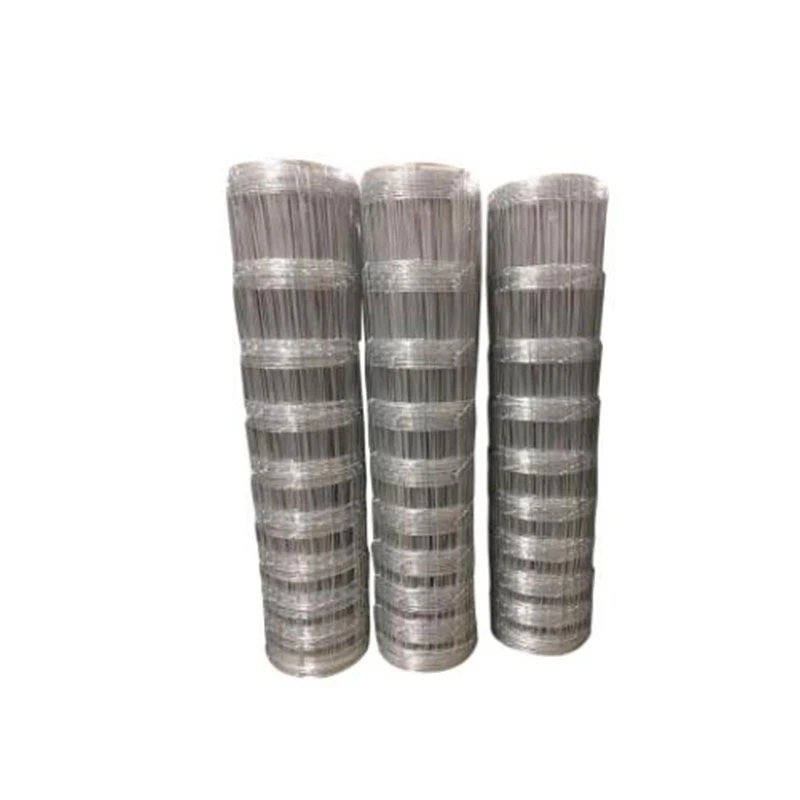
- Agriculture: From fencing livestock to supporting trellises, it keeps farms productive and animals safe.
- Construction & Infrastructure: Used in mesh reinforcement and temporary fencing at building sites globally, from South America to Southeast Asia.
- Disaster Relief: In post-hurricane or earthquake recovery zones, sturdy fencing and wire cages made from this wire help protect supplies or secure perimeters, vital for NGOs and UN missions alike.
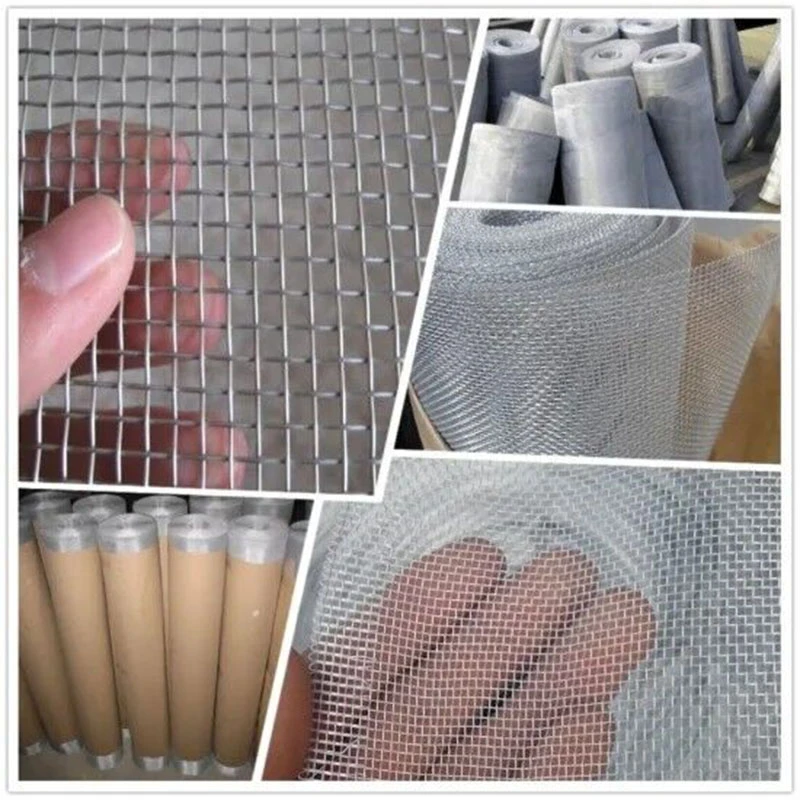
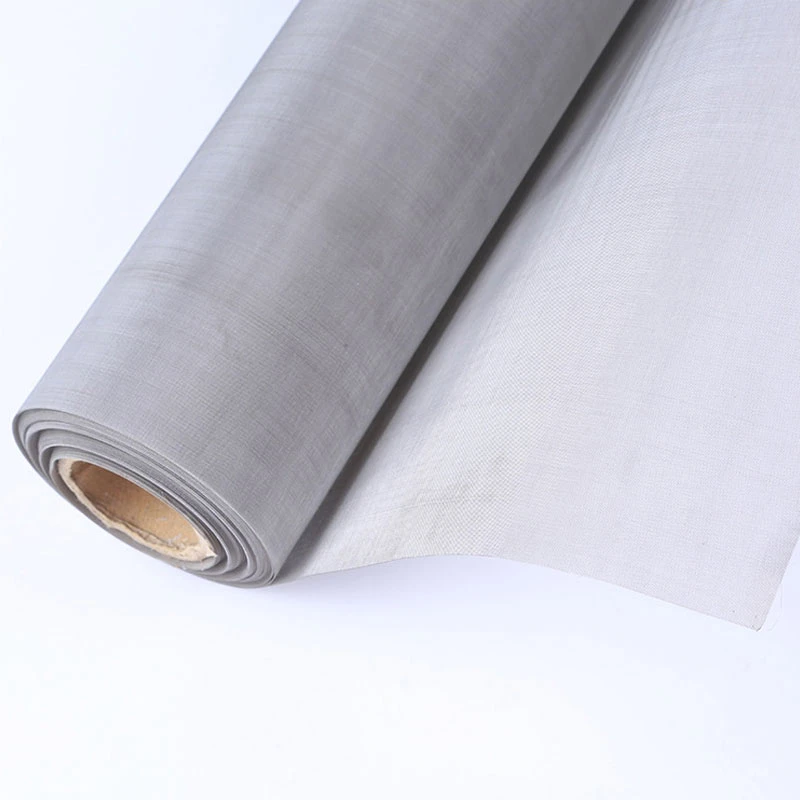
- Manufacturing: Integral in producing wire meshes for machinery guards, filters, and more.
Interestingly, remote industrial zones—areas frequently exposed to extreme weather—rely on its corrosion resistance to reduce maintenance challenges.
Mini Takeaway:
- Extensively used in agriculture, infrastructure, and relief work.
- Supports safety, property protection, and equipment reinforcement worldwide.
Specifications of Typical 14 Gauge Galvanized Wire
| Specification | Detail |
|---|---|
| Wire Diameter | 1.63 mm (14 gauge) |
| Material | High tensile steel, hot-dip galvanized |
| Zinc Coating Weight | 40-60 g/m² |
| Tensile Strength | Approx. 60,000 psi |
| Corrosion Resistance | 15+ years in moderate climate |
| Typical Uses | Fencing, mesh, construction reinforcements |
Advantages & Long-Term Value of Using 14 Gauge Galvanized Wire
Choosing 14 gauge galvanized wire, frankly, comes down to a blend of logic and trust. Logically, it reduces replacement frequency: zinc layers mean it doesn’t rust prematurely, saving money over time. It’s also easier to work with versus thicker gauges without sacrificing safety.
On the emotional side, this wire supports community safety and livestock welfare, which enhance lives silently and steadily. NGOs and governments alike lean on it to keep fences standing where livelihoods and food security depend on it. There’s a kind of dignity in something that protects without fuss.
How Does 14 Gauge Galvanized Wire Stack Up Among Vendors?
| Vendor | Zinc Coating Range | Tensile Strength | Typical Lead Time | Bulk Pricing |
|---|---|---|---|---|
| YJD Wire Mesh | 45-60 g/m² | 58,000 - 62,000 psi | 2-3 weeks | Competitive |
| Global Steel Inc. | 40-55 g/m² | 60,000 psi | 3-4 weeks | Mid-range |
| Industrial Wireworks | 50-60 g/m² | 55,000 - 60,000 psi | 1-2 weeks | Higher end |
Future Trends and Innovations in 14 Gauge Galvanized Wire Production
Innovation isn’t always flashy, but it’s happening beneath the surface. Manufacturers are increasingly adopting improved hot-dip galvanization processes to enhance coating uniformity. Meanwhile, environmentally friendly zinc-aluminum alloy coatings are gaining traction to reduce environmental impact while boosting corrosion resistance. The rise of automating wire molding and weaving processes is also pushing quality and customization forward, letting companies tailor products to niche industries.
Another subtle yet important shift is closer integration with digital supply chains — allowing real-time quality tracking and inventory management. This means that industries reliant on 14 gauge galvanized wire can better predict failures or maintenance needs before things go sideways.
Challenges and Expert Solutions
Of course, no product is perfect. Galvanized wire can suffer from coating abrasion during handling or installation, which compromises corrosion resistance. Also, in extremely acidic or salty marine environments, even galvanized wire eventually corrodes.
Experts recommend combining galvanized wire with polymer coatings or using stainless steel wire for critical marine projects. Better packaging and transport protocols help reduce coating damage. And routine inspections—especially in industrial or coastal settings—make a surprise-free lifecycle much more manageable.
FAQ: Practical Questions About 14 Gauge Galvanized Wire
- Q: How does 14 gauge galvanized wire compare to stainless steel wire?
A: Stainless steel offers superior corrosion resistance but at a significantly higher cost. 14 gauge galvanized wire balances durability and affordability, making it preferable for general fencing and construction where extreme corrosive environments aren’t a factor. - Q: Can galvanized wire be welded or shaped easily on-site?
A: Yes, 14 gauge galvanized wire is fairly flexible and can be bent or shaped by hand or tools. Welding is possible but requires precautions to avoid damaging the zinc coating. - Q: What environments shorten the lifespan of galvanized wire?
A: Areas with high salt exposure (seaside) or acidic soils accelerate corrosion despite galvanization. In these cases, enhanced coatings or alternative materials are recommended. - Q: Is galvanized wire recyclable?
A: Absolutely. Steel wires and zinc coatings can be reclaimed and recycled efficiently, reducing environmental footprint. - Q: How can NGOs import galvanized wire for relief efforts internationally?
A: Many vendors provide export documentation and bulk shipping options. NGO procurement teams should verify quality certifications and customs regulations—partners like YJD Wire Mesh are experienced in this process.
Wrapping Up: Why 14 Gauge Galvanized Wire Remains Essential
When you trace the lifecycle of a simple wire, it’s astonishing how it threads through agricultural fields, city construction, disaster zones, and supply chains. The long-term benefits of 14 gauge galvanized wire—durability, economy, and versatility—aren’t just technical specs but principles upon which many modern solutions depend. Whether you’re equipping a remote farm or building a temporary shelter after a typhoon, it’s the kind of material that quietly delivers assurance and trust.
Ready to explore premium 14 gauge galvanized wire options? Visit https://www.yjdwiremesh.com — your global partner for quality and reliability.