Black annealed steel wire is a staple in industries ranging from construction to packaging, prized for its unique balance of flexibility and strength. Two key properties define its performance: weight (which influences handling and application suitability) and tensile strength (a measure of its ability to resist breaking under tension). Shijiazhuang Yajiada Metal Products Co., Ltd, with a legacy dating back to 1992 (formerly YinQuan wire factory), has mastered the production of black annealed wire and black annealed binding wire, adhering to the tenet of "integrity, quality, reputation, and mutual benefit." Their expertise ensures consistent weight and strength across batches, making their products a top choice for wholesalers serving diverse client needs. This article explores how weight and tensile strength interact in black annealed steel wire, helping wholesalers guide clients toward the right product for their applications.
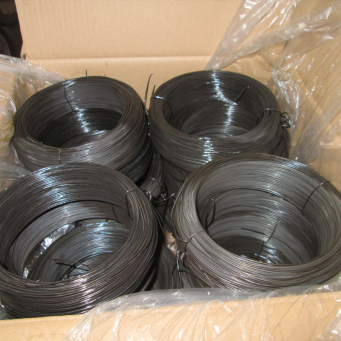
Understanding Weight in Black Annealed Wire
- Gauge and Weight Relationship: The weight of black annealed wire is closely tied to its gauge (thickness). Thicker wires (lower gauge numbers) are heavier per foot, while thinner wires (higher gauges) are lighter. For example, a 12-gauge black annealed steel wire weighs significantly more than a 18-gauge variant. This matters for wholesalers, as clients often calculate shipping costs and storage needs based on weight.
- Application-Specific Weight Needs: In packaging, lightweight black annealed binding wire (like 20-gauge) is preferred for bundling delicate items, as it adds minimal bulk. Conversely, construction applications demand heavier wires (like 10-gauge) for tasks like reinforcing mesh, where weight correlates with stability. Wholesalers can highlight that Yajiada’s range covers this spectrum, ensuring clients find the right weight for their use case.
- Weight Consistency in Bulk Orders: For wholesalers supplying large quantities, consistent weight per unit length is crucial. Yajiada’s manufacturing processes ensure each spool of black annealed wire has uniform weight, making it easier for clients to calculate material needs—whether they’re ordering 10 spools or 1000.
Tensile Strength Characteristics of Black Annealed Steel Wire
- Annealing’s Impact on Strength: The annealing process (heating and slow cooling) gives black annealed steel wire its signature balance of ductility and tensile strength. Unlike hard-drawn wires, annealed variants are softer and more flexible, with tensile strength ranging from 300–500 MPa (megapascals). This makes them ideal for applications requiring bending or twisting without breaking, such as tying rebar or bundling.
- Variations by Gauge: Thicker black annealed wire generally has higher tensile strength. A 14-gauge wire, for instance, can withstand more force before breaking than a 16-gauge wire of the same material. Wholesalers should note that this relationship allows clients to trade off strength and flexibility—thinner wires bend easier but break sooner, while thicker ones offer more resistance.
- Testing for Reliability: Yajiada subjects black annealed binding wire to rigorous tensile strength tests, ensuring each batch meets industry standards. This reliability is key for clients in safety-critical applications, like construction, where wire failure could lead to structural issues.
Balancing Weight and Strength in Black Annealed Binding Wire
Achieving the right balance between weight and strength in black annealed binding wire is crucial for meeting application needs. For pallet strapping, a 16–18 gauge wire strikes a ideal chord: its moderate weight (0.8–1.3 lbs per 50ft) makes handling efficient during bulk operations, while its tensile strength (320–400 MPa) ensures pallets stay secure during transit. In furniture assembly, where minimizing bulk is key, 19–21 gauge wires (0.4–0.7 lbs per 50ft) offer enough strength (300–350 MPa) to hold components together without adding unnecessary heft, and their flexibility allows for precise tying around joints. For horticultural supports, 14–15 gauge wires (1.2–1.8 lbs per 50ft) provide the stability needed to support growing plants, with tensile strength (380–450 MPa) to resist bending under weight, while still being malleable enough to shape into custom forms. Wholesalers can use these examples to help clients identify which black annealed binding wire variant aligns with their specific operational demands.
Factors Affecting Weight and Tensile Strength of Black Annealed Wire
- Raw Material Quality: The steel used to make black annealed wire directly impacts its properties. High-purity steel with consistent composition ensures uniform weight and tensile strength. Yajiada sources premium steel, a detail wholesalers can emphasize to clients prioritizing reliability.
- Annealing Process Control: Over-annealing can reduce tensile strength, while under-annealing leaves the wire too brittle. Yajiada’s precise temperature and cooling controls ensure black annealed steel wire achieves the optimal strength-flexibility balance— a key differentiator for wholesalers competing on quality.
- Post-Production Handling: Rough handling or improper storage can damage the wire’s surface, affecting its perceived weight (due to rust) and actual tensile strength. Wholesalers should advise clients to store black annealed binding wire in dry, covered areas to maintain its properties.
Black Annealed Wire FAQS
Does Heavier Black Annealed Steel Wire Always Have Higher Tensile Strength?
Not always, but in most cases, yes. Heavier (thicker) black annealed steel wire typically has higher tensile strength due to its greater cross-sectional area. However, the annealing process also plays a role—over-annealed thick wires may have lower strength than properly annealed thinner ones.
How Does Black Annealed Binding Wire Compare to Galvanized Wire in Terms of Tensile Strength?
Black annealed binding wire generally has lower tensile strength than galvanized wire but offers more flexibility. Galvanized wires are harder and stronger but less malleable, making annealed wires better for applications requiring bending or twisting.
Can the Tensile Strength of Black Annealed Wire Be Increased?
No, the tensile strength is set during annealing. Attempting to harden black annealed wire post-production (e.g., by cold working) will reduce its flexibility and may cause it to crack. Wholesalers should guide clients to select the right gauge upfront for their strength needs.
What Weight of Black Annealed Wire Is Best for Bulk Shipping?
For bulk shipping, lighter gauges (18–22) of black annealed wire are more cost-effective, as they reduce overall shipment weight. However, if clients need higher strength, a balance (like 16-gauge) ensures both usability and manageable shipping costs.
Where Can Wholesalers Source Consistent Black Annealed Steel Wire?
Shijiazhuang Yajiada Metal Products Co., Ltd offers reliable black annealed steel wire, black annealed wire, and black annealed binding wire with consistent weight and tensile strength. Visit their website to explore their range and partner with a supplier committed to quality and mutual success.