A Field Guide to the drywall screw market: specs, trends, and hard-won lessons
I’ve spent enough time on job sites and in factories to know a good fastener when I hear it bite. And yes, you can hear it. That clean, steady drive is what installers listen for. To be honest, I didn’t expect a humble drywall screw to keep evolving, but here we are: faster collated systems, better coatings, and stricter standards are raising the bar.

What’s new on site and in the factory
Across residential, modular, and light commercial builds, contractors are swapping wood screws for the modern drywall screw because they do less damage to timber, back out cleanly, and—surprisingly—can be reused when you must rework a panel. Demand is especially strong in prefab shops that need consistent drive torque and lower strip rates.
Origin matters too. One major base is Shenze, Shijiazhuang, Hebei, China—an ecosystem where wire drawing, cold heading, heat treatment, and coating lines sit within a few kilometers. That cuts lead times and, in my experience, often means tighter process control.
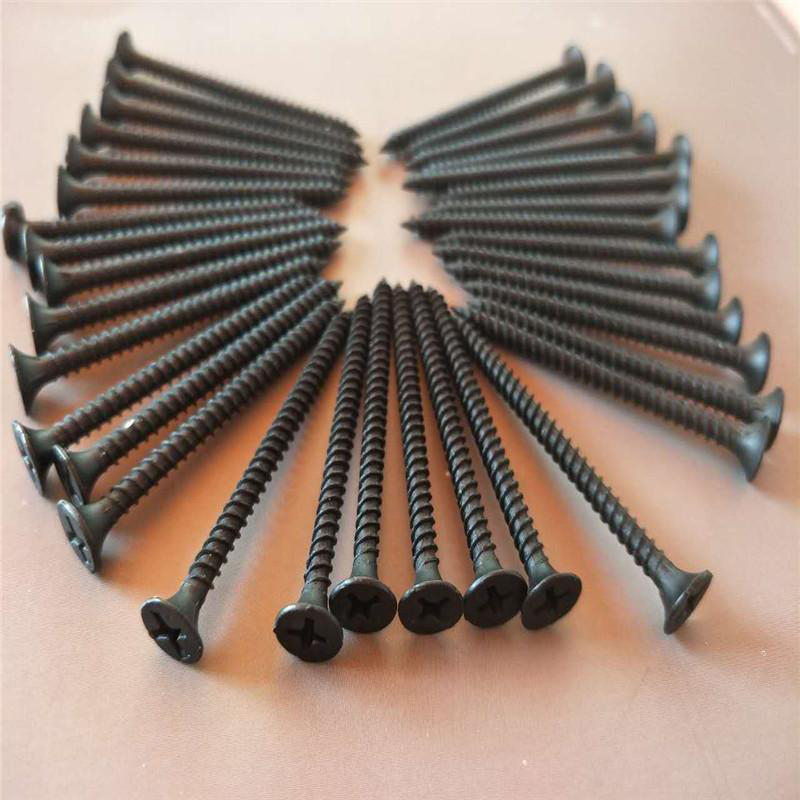
Core specifications (the quick version)
| Item | Spec (≈ / typical) |
|---|---|
| Material | C1022 steel wire, cold-headed; case hardened |
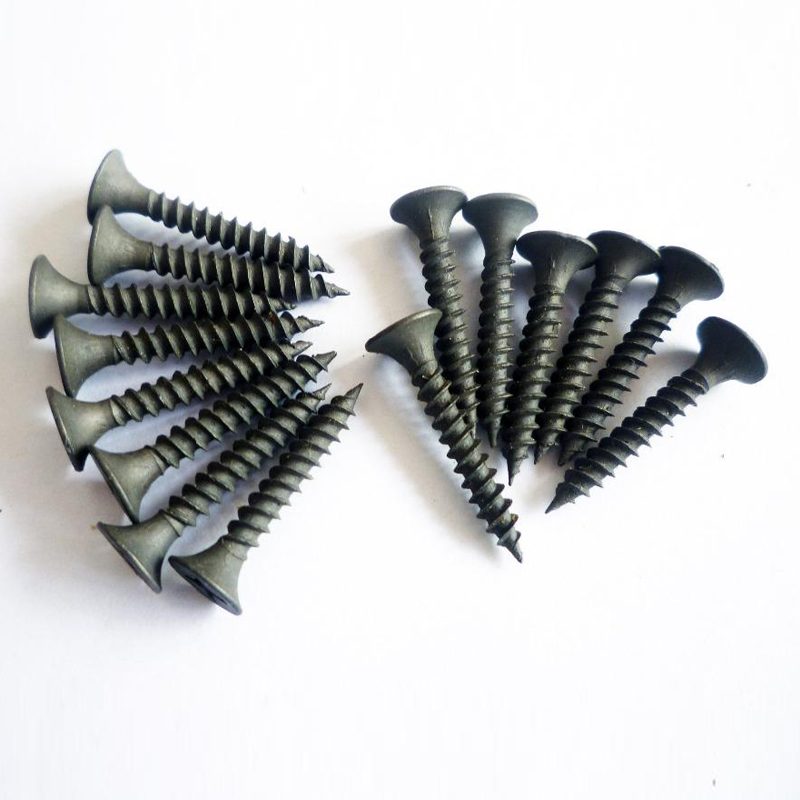
| Thread types | Coarse for wood studs; fine for metal studs; self-drilling option |
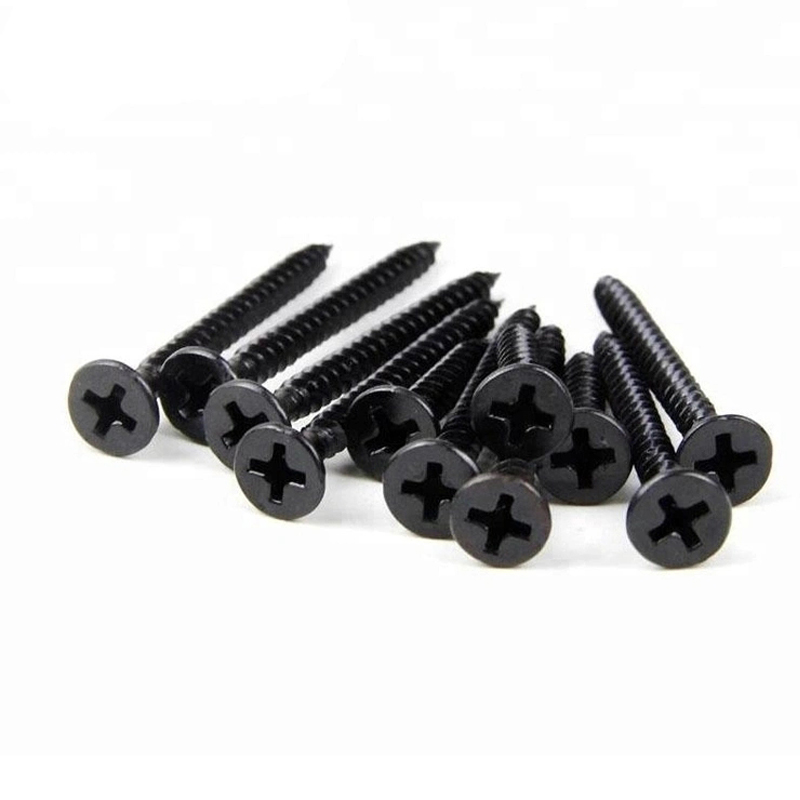
| Head | Bugle, Phillips #2 (most common); square/Pozi on request |
| Sizes | 3.5–5.5 mm dia; 19–64 mm length (popular: 25, 32, 38, 41, 50 mm) |
| Coating | Phosphate (paintable), black oxide, zinc, ceramic/Ruspert for higher corrosion |
| Standards | ASTM C1002, EN 14566, SAE J78 (as applicable) |
| Performance | Pull-out in pine ≈ 280–420 N; torsional strength per ASTM; salt spray 24–500+ h by coating |
How it’s made and tested
Process flow (abridged): wire rod selection → spheroidize annealing → pickling/phosphate lube → multi-station cold heading (bugle head) → thread rolling → case hardening (carburize/quench) → temper → coating → baking for hydrogen embrittlement relief (for zinc) → 100% visual + sampling tests.
Testing: torque and torsional strength (ASTM C1002), drive performance in gypsum over 0.55 mm metal studs (EN 14566), coating thickness and salt spray (ISO 9227), RoHS/REACH checks. Case hardness typically 560–700 HV0.1, core hardness 270–430 HV—good balance of bite and toughness. Service life indoors is commonly 10–20 years; coastal interiors vary—coating really matters.
Where they shine (and why installers care)
- Wood studs: coarse-thread drywall screw reduces splitting; seats flush without mushrooming the paper.
- Light-gauge steel: fine-thread or self-drilling tips for 0.42–1.2 mm studs; consistent clutch setting.
- Ceiling grids, furring channels, and sheathing—especially in prefab lines with collated strips.
Many customers say the newer phosphate coatings paint better and creep less. I’d agree—less cam-out and fewer paper blowouts once you dial in RPM.
Vendor snapshot (real-world averages)
| Vendor | Origin | Certs | Lead time | Price index | Notes |
|---|---|---|---|---|---|
| YJD (Shenze) | Hebei, China | ASTM, EN 14566, RoHS | 2–4 weeks | ≈ 1.00 | Strong process integration; broad coating menu |
| Vendor A | SEA | EN 14566 | 3–6 weeks | ≈ 0.95 | Competitive pricing; limited self-drilling range |
| Vendor B | EU | CE, EN 14566 | 1–3 weeks | ≈ 1.25 | Premium coatings; shorter MOQs |
Customization and packaging
Options include collated belts, ceramic-coated exterior-grade drywall screw, drill-point tips for heavier studs, and private-label cartons. Typical QC retains lot traceability for 2–3 years—worth asking for, especially on big rollouts.
Mini case files
- Hospital corridor retrofit: switched to fine-thread, phosphate drywall screw; rework rate fell from 3.2% to 0.8% over 12,000 m².
- Prefab housing line: collated coarse-thread variant cut install time ≈ 14% (time-study across 4 lots).
Installer feedback? “Less cam-out, cleaner heads, and the paper stays intact.” That last bit saves hours over a project, no exaggeration.
Compliance quick-check
Ask suppliers for: ASTM C1002 or EN 14566 reports, ISO 9227 salt-spray results (hours to red rust), material certs, and RoHS/REACH declarations. If exterior-adjacent, request ≥ 240 h NSS and confirm coating thickness.
- ASTM C1002 – Standard Specification for Steel Self-Piercing Tapping Screws for the Application of Gypsum Board: https://www.astm.org/c1002
- EN 14566 – Mechanical fasteners for gypsum plasterboard systems: https://standards.iteh.ai/catalog/standards/cen/9a7f2c94-2f65-4a2c-9f1d-0d3dbdb3a7e8/en-14566
- ISO 9227 – Corrosion tests in artificial atmospheres (salt spray): https://www.iso.org/standard/63543.html
- SAE J78 – Tapping Screw and Metallic Drive Screws: https://www.sae.org/standards/content/j78