Understanding 12 Gauge Galvanized Wire: Why It Matters Worldwide
There’s something quietly fascinating about the unsung heroes of construction and manufacturing — and 12 gauge galvanized wire happens to be one of them. Although a technical-sounding term, this particular wire plays a surprisingly vital role across continents and industries, especially in building safe infrastructures and durable products. Recognizing its global relevance not only demystifies a core material but also highlights how such a simple item contributes to sustainability, safety, and even humanitarian efforts.
Globally, with increasing industrial activities, the demand for reliable and cost-efficient materials is rapidly growing. The World Steel Association estimates a steady rise in steel-related product usage, and galvanized wire largely benefits from this trend. Understanding why 12 gauge galvanized wire is preferred can clarify projects’ success, whether in fencing secure zones or in agricultural settings.
The Global Landscape: Why 12 Gauge Galvanized Wire Can't Be Ignored
From sprawling farms in Brazil to urban fencing in Europe, galvanized wire is everywhere. According to ISO’s standards on wire diameters and galvanization techniques, 12 gauge wire strikes a balance between toughness and flexibility, making it indispensable. The wire’s corrosion resistance is especially crucial given global weather uncertainties intensified by climate change 12 gauge galvanized wire often steps in to protect vulnerable infrastructure — saving millions in repair costs annually.
Yet challenges remain. Environmental agencies warn about traditional wire coatings' ecological impacts. Hence, the surge for greener galvanizing processes and innovations adds a fresh twist to this age-old product’s story. The growing importance of using the right "gauge" — or thickness — also ensures integrity in high-stress uses.
A Simple Definition for a Complex Product
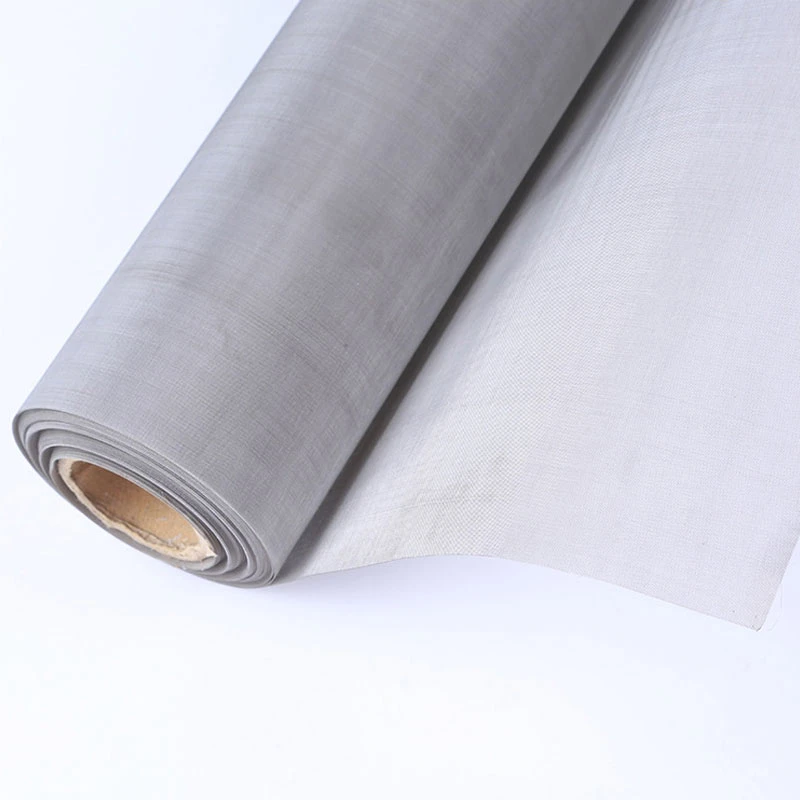
Simply put, 12 gauge galvanized wire is steel wire with a diameter roughly 2.05 millimeters (or about 0.080 inches), coated with a layer of zinc to prevent rust and deterioration. The '12 gauge' references its American Wire Gauge (AWG) size, a standard that helps engineers and builders pick the right wire for their needs.
Why does this matter? Well, galvanized wire is a backbone in everything from secure fencing to suspension in the construction sector. It also supports humanitarian infrastructure, like borderlines in refugee camps or protective barriers post-natural disasters, where rapid setup and durability mean everything.
Core Aspects Behind 12 Gauge Galvanized Wire
Durability
The zinc galvanization acts as a shield against moisture and oxygen, which would otherwise eat away the steel. This means structures last longer, with less maintenance — a boon in places where repairs are costly or time-consuming.
Strength
It holds firm under stress, bending rather than breaking. This flexibility accommodates shifting grounds or weather conditions, perfect for fences or cages exposed to daily wear and tear.
Cost Efficiency
While not the cheapest wire, 12 gauge strikes a sweet spot where upfront cost and lifecycle expenses meet optimally; the longevity reduces replacement frequency substantially.
Scalability
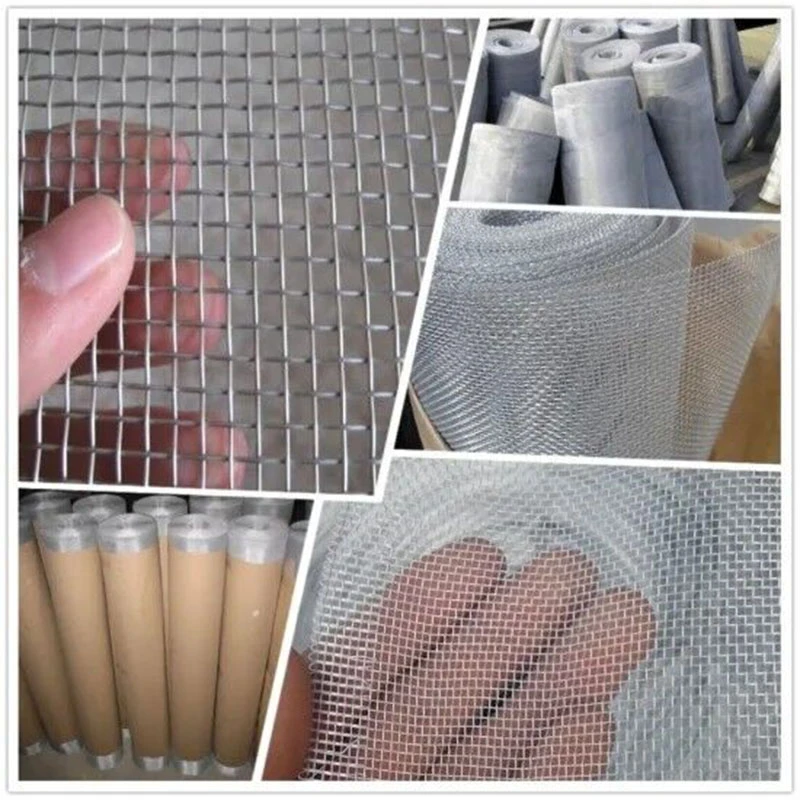
Used extensively in both small-scale farm fencing and large industrial applications, adapting the wire’s length and mesh patterns is straightforward, which saves logistics and manufacturing efforts.
Eco and Safety Factors
New galvanizing methods reduce heavy metal waste, and zinc itself is recyclable, making it more eco-friendly than alternative coatings. Plus, smooth finishes prevent injuries during installation or use.
Mini takeaway:
It's a wire that blends strength, durability, and environmental thoughtfulness, offering solutions across a surprising number of applications.
Global Use Cases: Where and How 12 Gauge Galvanized Wire Shines
The wire's versatility shows in its worldwide applications:
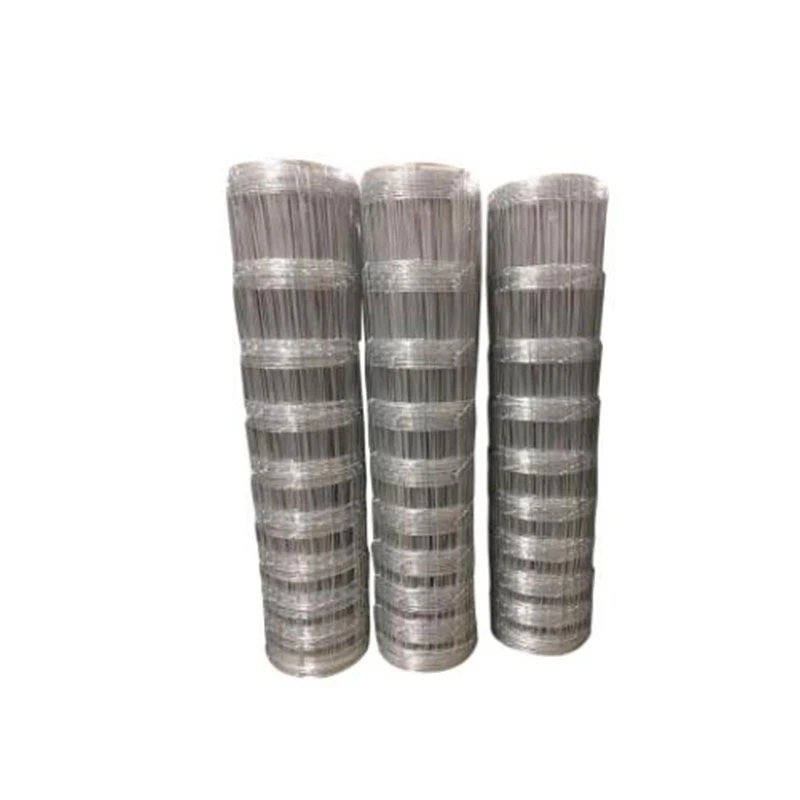
- Agriculture: Farmers rely on it for long-lasting fencing, keeping livestock in and predators out, especially in Australia and South Africa.
- Construction: Scaffolding support and concrete reinforcement in fast-expanding urban areas in Asia favor galvanized wire for strength and corrosion resistance.
- Disaster Relief: NGOs implementing temporary shelters, like in post-earthquake Nepal, use wire fencing to secure sites quickly.
- Utilities: Power distribution companies employ galvanized wire for overhead cable supports, particularly in cold, moist climates in Canada and Scandinavia.
Anecdotally, I heard a story about a remote mining operation in Peru where quick fencing installations prevented wildlife damage and theft — all thanks to readily available galvanized wire. It’s small items like this that make big operational differences.
Mini takeaway:
Whether in the outback or big cities, 12 gauge galvanized wire supports infrastructures that matter.
Advantages & Long-term Value
It’s tempting to think of wire as just a simple commodity, but consider the broader impact:
- Cost Savings: Less frequent replacements and fewer repairs lighten budgets over time.
- Sustainability: Advances in galvanizing mean less pollution and easier recycling.
- Safety & Security: Resistant barriers protect communities and sensitive areas, building trust alongside physical boundaries.
- Innovation: Custom coatings and mesh designs enable tailored solutions — no one-size-fits-all anymore.
It’s a rare case where efficiency meets emotion — creating security, preserving environments, and empowering builders.
Product Specification Table
| Specification | Detail |
|---|---|
| Wire Gauge | 12 AWG (approx. 2.05 mm) |
| Material | High tensile steel |
| Coating | Zinc galvanization (hot-dip or electroplated) |
| Tensile Strength | Approximately 350–500 MPa |
| Length per Coil | 50 meters to 200 meters |
Looking Ahead: Future Trends & Innovations
The future of 12 gauge galvanized wire isn’t static. The drive toward greener galvanizing methods is already reshaping production, cutting down harmful emissions by using zinc recycling technologies. Smart manufacturing techniques, including automated quality testing and digital tracking via IoT (Internet of Things), promise to enhance consistency and speed.
Interestingly, some firms experiment with hybrid wire coatings — blending galvanization with polymer layers for extreme environments — a trend driven by renewable energy projects where cables need exceptional corrosion resistance. The rise of circular economy principles means that every wire pulled from a setup ideally gets recycled and repurposed without waste.
Mini takeaway:
The tried-and-true 12 gauge galvanized wire is quietly evolving — integrating sustainability with technology.
Challenges and Forward-Thinking Solutions
On the flip side, galvanized wire still faces environmental scrutiny. Zinc runoff and heavy metal contamination remain issues in certain processes. There’s also a need for better mechanical properties in ultra-demanding projects, where traditional wire cannot quite meet new industrial standards.
Innovators recommend combining galvanized wire with reinforcing composites or switching to zinc-aluminum alloy coatings for enhanced performance. More importantly, industry-wide adoption of standard testing protocols aligned with ISO guidelines ensures that products meet modern expectations safely and sustainably.
Vendor Comparison Table
| Vendor | Galvanizing Method | Product Range | Lead Time | Sustainability Certification |
|---|---|---|---|---|
| YJD Wire Mesh | Hot-dip galvanizing | 12 to 20 gauge wires | 2–4 weeks | ISO 14001 Certified |
| Global Mesh Inc. | Electro galvanizing | 10 to 16 gauge wires | 3–5 weeks | No |
| SteelPro Wire | Zinc-aluminum alloy | 12 gauge specialty lines | 4–6 weeks | ISO 9001 Certified |
FAQs About 12 Gauge Galvanized Wire
- How long does 12 gauge galvanized wire generally last outdoors?
- Typically, hot-dip galvanized 12 gauge wire can last 15–20 years outdoors, depending on environmental conditions. Areas with heavy rainfall or industrial pollution may see shorter lifespans unless special coatings are used.
- Is 12 gauge galvanized wire suitable for temporary fencing in disaster zones?
- Absolutely. Its strength and corrosion resistance make it ideal for rapid-deployment fencing, securing sites without frequent maintenance, which is critical during disaster relief operations.
- Can galvanized wire coatings be recycled or reused after removal?
- Yes, zinc coatings can often be recycled, and the steel wire underneath is fully recyclable. This supports greener construction and waste management practices.
- What factors affect the cost of 12 gauge galvanized wire?
- Costs vary by coating method, zinc thickness, steel quality, and order size. Hot-dip galvanized wire generally costs more upfront but offers better longevity.
- Where can I buy high-quality 12 gauge galvanized wire in bulk?
- Many vendors specialize in bulk supply — including YJD Wire Mesh — offering certifications and customized orders tailored to your needs.
Wrapping It Up: The Unsung Value of 12 Gauge Galvanized Wire
In the grand scheme of construction and manufacturing, 12 gauge galvanized wire might not be flashy, but its reliable, protective qualities stick with you — pun intended. It’s a quiet partner to progress, sustainability, and safety. So next time you pass a fence or see temporary shelters spring up, you might think of that little wire, resisting rust and holding steady, all around the globe.
For those interested, visit our website: https://www.yjdwiremesh.com to explore options and get a feel for how this small but mighty material can fit your projects.