Understanding 16 Gauge Iron Wire: More Than Just a Metal Strand
16 gauge iron wire might not be the first thing that springs to mind when thinking about global trade or industrial innovation, but it's quietly essential. This modest wire plays a big role in construction, fencing, manufacturing, and even humanitarian relief. Knowing its properties and applications helps industries cut costs, improve durability, and innovate sustainably.
Why Does 16 Gauge Iron Wire Matter Globally?
Iron wire, particularly in the 16 gauge thickness, is a staple in many sectors worldwide. According to ISO standards, gauge measurements ensure consistency, and 16 gauge ~ roughly 1.29 mm in diameter ~ hits a sweet spot between strength and flexibility. The World Bank estimates that infrastructure projects worldwide rely heavily on materials like this for fencing, rebar binding, and more.
But here’s the rub: rapid urbanization creates huge demand for affordable, reliable building materials. 16 gauge iron wire offers a solution that's cost-effective yet resilient enough to handle structural stress. It’s often the unsung hero in rebuilding efforts after natural disasters or in remote regions where supply chains are tight.
Defining 16 Gauge Iron Wire in Plain Terms
At heart, 16 gauge iron wire is simply a metal wire about 1.29 mm thick made primarily of iron. It is sturdy enough to hold its shape but flexible enough to bend for various uses. Think fencing mesh, crafting, or even gardening — the uses go far beyond the industrial.
Modern industry relies on such wires because they bridge the gap between raw steel rods and thinner, less durable alternatives. Humanitarian programs, for example, often pack coils of this wire in emergency kits to quickly create secure enclosures or repair damaged structures.
Mini takeaway:
16 gauge iron wire is a versatile, universally relevant material that balances strength with adaptability, making it integral across different industries.
Core Characteristics That Define Usability
Durability
Iron wires at 16 gauge have decent tensile strength, resisting breaking under stress. They also withstand weathering fairly well once coated or galvanized.
Flexibility & Workability
Not too stiff, not too flimsy — the wire can be bent or twisted without snapping, making it a favorite for many assembly and repair tasks.
Cost Efficiency
Compared to thicker steel rods, 16 gauge wire is economical, especially in bulk, helping large projects stay on budget.
Compatibility with Coatings
It readily accepts protective zinc galvanization or PVC coatings, boosting longevity and corrosion resistance.
Scalability in Applications
From DIY gardening needs to large-scale infrastructure fences, its size and strength support a surprisingly wide range of scaling.
Mini takeaway:
16 gauge iron wire’s balanced properties make it a flexible solution adaptable to lots of real-world needs.
Real-World Uses: Where and How It’s Making a Difference
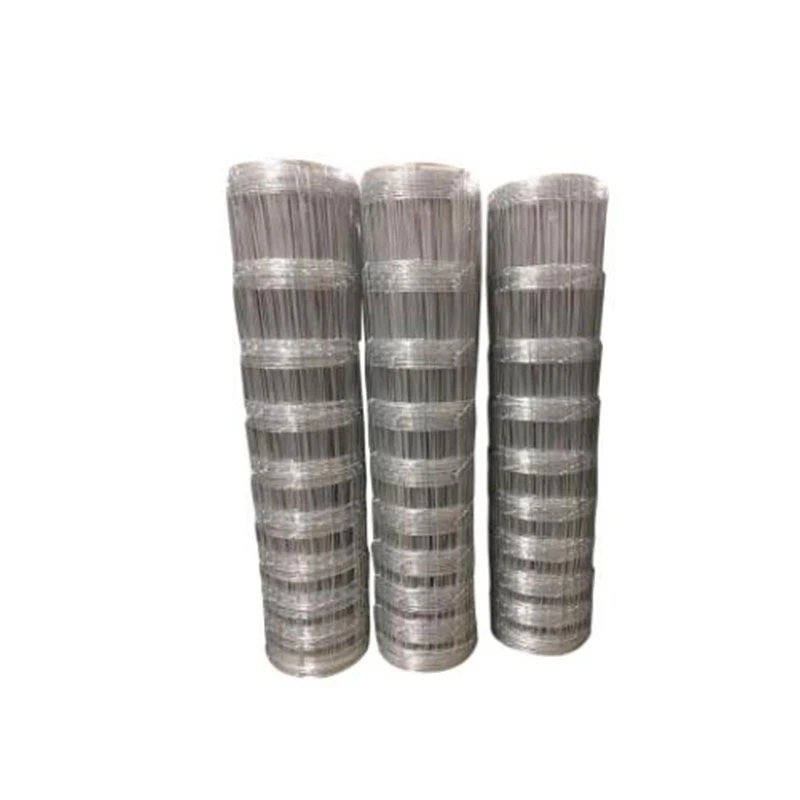
Imagine a post-disaster recovery site. Teams need to erect temporary fencing quickly to secure aid zones. 16 gauge iron wire—especially galvanized versions—can easily be wired up for fences, mesh cages, or even basic structural ties for shelters.
In industrial zones in Asia and Africa, small-scale factories rely on this wire for manufacturing fasteners or as binding agents. Agriculture benefits too, where it reinforces crop fencing or trellises, especially in regions where budget constraints clash with the need for quality.
Construction firms in Europe and North America often use 16 gauge wiring to secure rebar in concrete forms, essential for compliance with strong building codes.
Many NGOs incorporate 16 gauge iron wire into their toolkit — versatile, transportable, and indispensable.
Mini takeaway:
From shelter to agriculture, 16 gauge iron wire is everywhere, quietly enabling infrastructure, safety, and productivity.
Product Specifications: A Quick Snapshot
| Specification | Value |
|---|---|
| Diameter | 1.29 mm |
| Material Composition | Iron (mild steel) |
| Tensile Strength | Approx. 350-500 MPa |
| Common Coatings | Galvanized, PVC-coated |
| Typical Uses | Fencing, binding, construction, agriculture |
Top Vendors Compared: What Sets Them Apart?
| Vendor | Material Quality | Coating Options | Lead Time | Price per kg |
|---|---|---|---|---|
| YJD Wire Mesh | High-grade mild steel | Galvanized, PVC | 2 weeks | $1.20 |
| Global Wire Co. | Standard mild steel | Galvanized only | 3 weeks | $1.15 |
| EcoWire Ltd. | Recycled iron blend | PVC-coated (environmental grades) | 4 weeks | $1.30 |
Why Choose 16 Gauge Iron Wire? Advantages & Lasting Value
- Cost Efficiency: Great strength at a modest price point.
- Reliability: Consistent quality ensures safety in structures and fencing.
- Sustainability: Many vendors offer recycled or eco-friendly coatings.
- Social Impact: Helps communities by enabling affordable, fast construction.
- Innovation-Ready: Compatible with automation processes in factories.
Ultimately, working with 16 gauge iron wire feels like investing not just in a product but in trust and resilience, whether you’re an engineer or a field worker.
The Road Ahead: Future Trends in 16 Gauge Iron Wire
New technology is transforming how these wires are produced and used. Automation in wire drawing and coating means tighter tolerances and faster turnovers. Advances in eco-friendly coatings are making wires rust-resistant without toxic chemicals — a win for sustainability.
Material science is also exploring alloy blends that offer strength beyond classic iron, so expect 16 gauge wires to get stronger and lighter. Digitally optimized supply chains and IoT-enabled inventory may soon track wire quality and usage more precisely — the digital transformation creeping into even simple steel strands.
Challenges & How To Get Around Them
There’s no perfect wire. Common challenges include corrosion if coatings are damaged, shipment delays, or supply price volatility that can throw project budgets out of whack. But clever vendors offer pre-coated wire bundles, quality control certificates, and flexible MOQ (minimum order quantities) to help buyers manage risks.
On the field, protective re-coating or weather-resistant storage helps prolong lifespan. Some industries are already piloting nanotech coatings that self-heal minor damage — pretty neat, right?
FAQ: Your Quick Guide on 16 Gauge Iron Wire
- Is 16 gauge iron wire suitable for outdoor fencing?
- Yes, especially when galvanized or PVC-coated. These coatings protect against rust and weather exposure, making the wire durable for years outdoors.
- How flexible is 16 gauge iron wire for crafting or repairs?
- It’s moderately flexible; you can bend it by hand with moderate force, making it practical for both construction use and DIY projects.
- Can 16 gauge iron wire be used in electrical grounding?
- While iron wire is conductive, copper is preferred for electrical grounding. Iron wire is more common in structural or fencing roles.
- What is the typical lifespan of 16 gauge iron wire outdoors?
- If well-coated and maintained, it can last 10-15 years or more. Uncoated wire will corrode faster, reducing its durability substantially.
- How can international NGOs import 16 gauge wire efficiently?
- Partnering with reliable suppliers like YJD Wire Mesh who understand global logistics and provide certification streamlines imports and customs clearance.
Wrapping Up: Why 16 Gauge Iron Wire Should Be on Your Radar
In an age of high-tech marvels and complex infrastructure, sometimes it’s the simple materials that quietly hold everything together. 16 gauge iron wire balances cost, strength, and versatility like few others, making it a backbone material worldwide.
If you’re sourcing wire for fencing, construction, or agricultural needs, consider the long-term value this grade offers. For more details and purchase options, visit our website and explore the possibilities.