Understanding Wire Galvanised: Why It Matters Worldwide
Wire galvanised — a term you might have encountered in construction sites, industrial projects, or even in rural fencing — is one of those humble yet crucial materials that keep our modern world resilient. At its simplest, it refers to steel wire coated with zinc to prevent rust. But beneath this straightforward definition lies a story: about durability, global trade, sustainability, and even humanitarian efforts.
Globally, millions of tons of galvanised wire are produced annually, serving industries from agriculture to infrastructure, defense to disaster relief. And with rising concerns over climate change and infrastructure longevity, understanding how wire galvanised works and its benefits can save money, lives, and carbon footprints.
Today, we’ll unpack what wire galvanised really is, why it remains a staple across so many sectors, and what the future might hold for this seemingly simple yet mighty product.
Wire Galvanised in the Global Context: An Industry Backbone
If you pause and think how many structures—bridges, fences, cages, transmission lines—are fundamentally protected by galvanised wire, you’ll realize this product punches far above its weight. Roughly 70% of steel produced worldwide undergoes some galvanisation process, according to the International Zinc Association [1]. That's a staggering figure given steel’s role as the backbone for infrastructure.
In emerging economies, wire galvanised fills a critical need — providing affordable, corrosion-resistant solutions that last longer under harsh climates. According to UNIDO data [2], billions of meters of galvanised fencing wire have been deployed in rural electrification and agricultural projects in Africa and Asia in the past decade. So, the challenge it addresses is pretty clear: how to keep infrastructure safe and reliable while minimizing both maintenance and environmental impact.
What Is Wire Galvanised, Really?
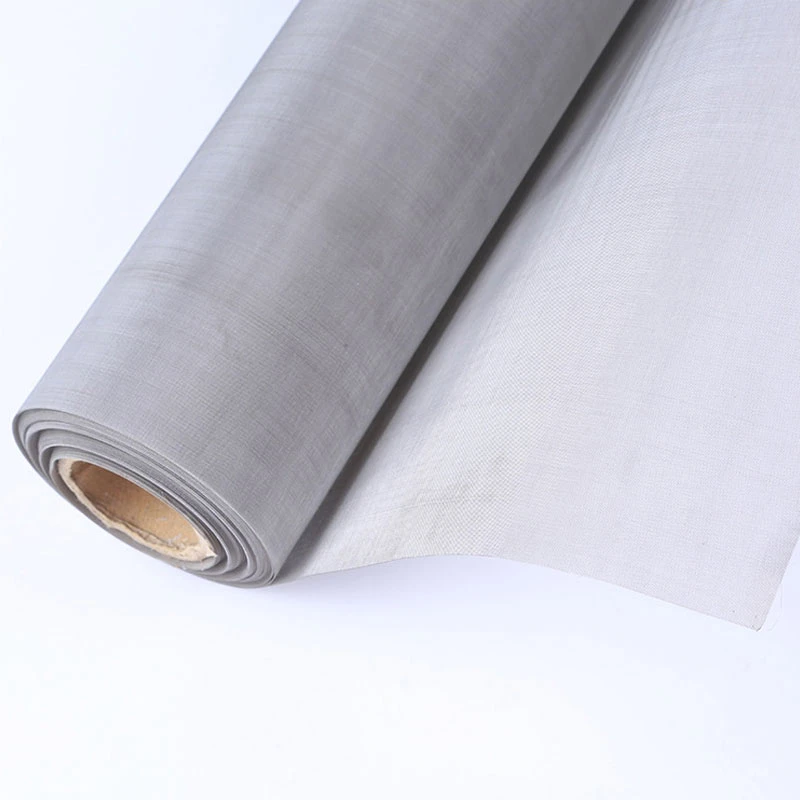
Simply put, wire galvanised is steel or iron wire coated with a layer of zinc. This zinc acts as a sacrificial barrier, preventing the iron underneath from oxidizing — a process you'd know better as rusting. The coating is usually applied by dipping the wire in molten zinc (hot-dip galvanisation) or by electroplating (cold galvanisation).
But it’s not just about rust prevention. This coating extends the wire’s life, making it suitable for outdoor and industrial environments where exposure to moisture and chemicals could otherwise rapidly degrade untreated metal. Nearly every sector that needs metallic strength but fears corrosion — from high-tensile fencing in Australia to mesh cages in European factories — relies on galvanised wire.
Humanitarian organizations, especially those involved in disaster relief, also turn to wire galvanised fences and cages to rapidly secure areas/population centers due to the wire’s durability and logistical convenience.
Core Features of Wire Galvanised That Make It a Go-To Choice
Durability Under Harsh Conditions
One of the key reasons engineers swear by galvanised wire is its remarkable resistance to weather-induced damage. Zinc doesn’t just form a passive coating — it actively protects steel by corroding in place of iron, offering years of reliable service, sometimes 20+ in the right conditions. This means fewer replacements and less downtime.
Cost Efficiency Over Time
At first glance, galvanised wire might cost a bit more than bare wire, but the longer lifespan pays off. Maintenance costs tumble, and the protection against corrosion saves structures from expensive repairs. For farmers or manufacturers in remote areas, this cost predictability is gold.
Versatility and Scalability
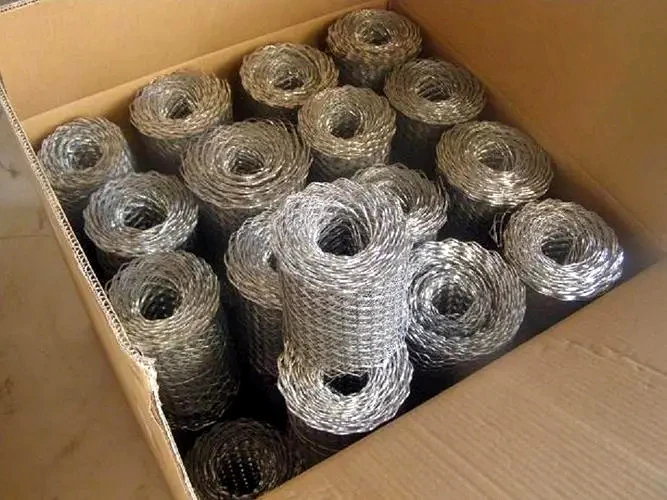
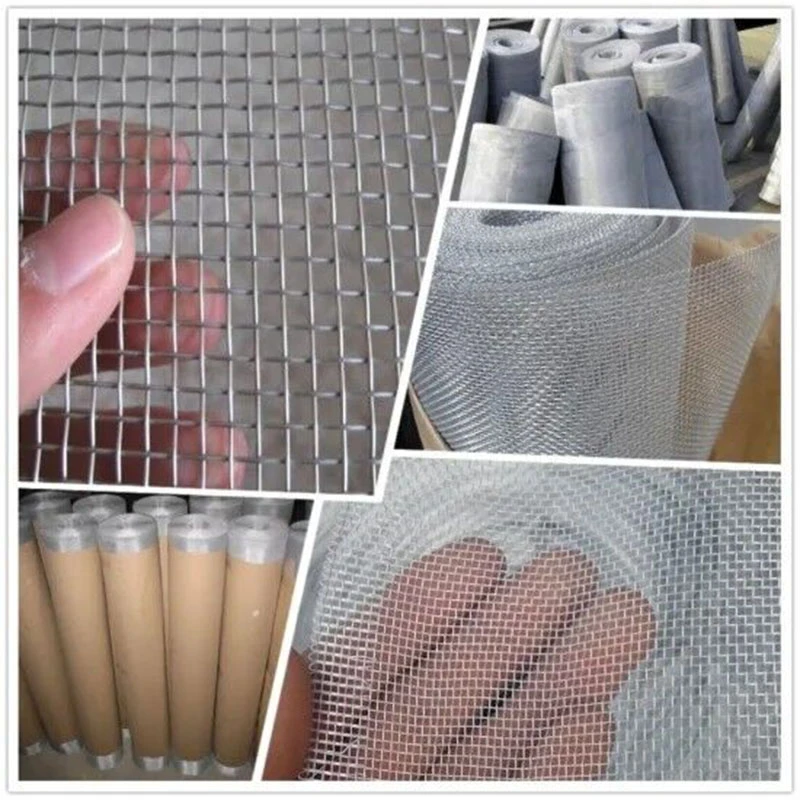
Whether you need thick wire for foundations or thin strands for fencing nets, galvanised wire comes in many gauges, lengths, and forms (coils, straight lengths). This versatility makes it useful whether you’re fencing a few hectares or designing complex industrial shielding.
Eco-Friendly Aspect
Thankfully, zinc is abundant and recyclable. Galvanised wire itself can be recycled without degrading its properties, making it a suitable option as industries move towards greener supply chains.
Corrosion Protection Meets Safety
Beyond preventing rust, galvanising helps maintain the structural integrity essential for safety, especially in environments subjected to moisture, salt (near seas), or chemicals.
Customization & Quality Control
Modern manufacturers control the zinc coating thickness, wire strength, and flexibility to tailor galvanised wire for clients’ specific needs — a boon for specialized projects and long-term warranties.
Where Globally Is Wire Galvanised Making a Real Impact?
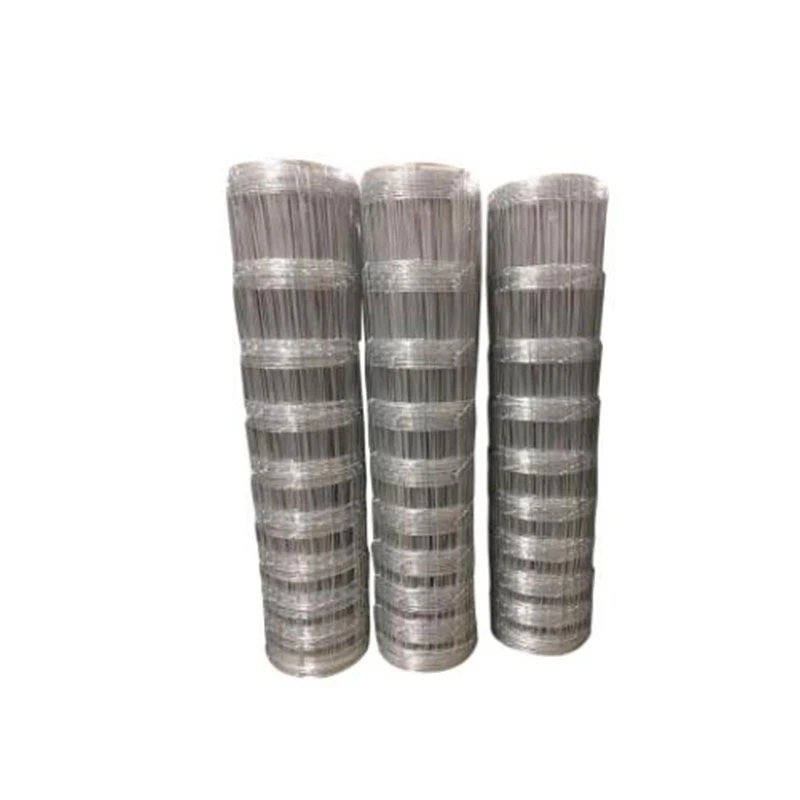
- Agriculture: In large scale farms from Brazil to India, galvanised fencing secures livestock and crops, withstanding the elements season after season.
- Construction: Reinforcement meshes and tie wires protect concrete structures worldwide, from skyscrapers in Dubai to bridges in Canada.
- Energy Sector: Transmission lines in harsh climates use galvanised wire to reduce outages and maintenance.
- Disaster Relief and Humanitarian Work: Wire galvanised fencing creates safe perimeters in refugee camps, as seen in recent UNHCR deployments in East Africa [3].
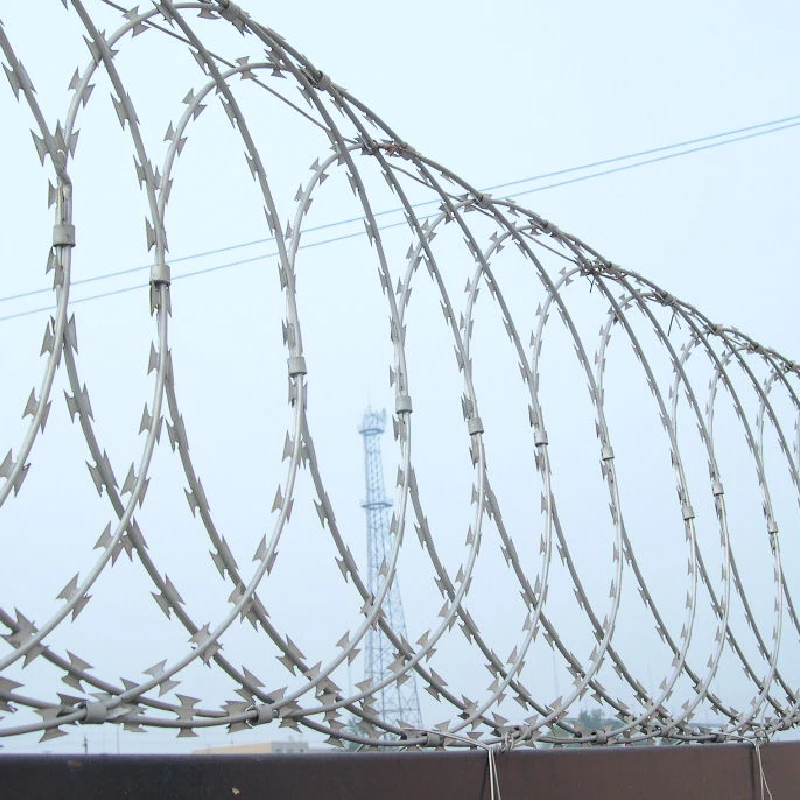
- Remote Industrial Sites: Mining and oil extraction sites—often exposed to corrosive environments—rely on galvanised wire solutions for fencing and safety barriers.
In short, from the Sahara Desert to Nordic tundras, galvanized wire silently holds up structures against nature and time.
Advantages & Long-Term Value of Wire Galvanised
It’s easy to dwell on technical specs, but wire galvanised offers a blend of tangible benefits that make it indispensable:
- Reliability & Safety: Fences, reinforcements, or electrical grounding wires all need to perform consistently to protect people and assets.
- Cost Savings: Fewer replacements and repairs save resources and headaches.
- Environmental Impact: Extended lifespan and recyclability reduce waste and resource extraction.
- Social Value: Durable infrastructure supports livelihoods — farmers can protect crops, refugees get secure shelters, communities get better-built roads.
- Innovation Catalyst: New coating techniques and alloy mixes continue improving galvanised wire’s performance.
It’s oddly reassuring how a thin zinc layer can be a quiet guardian of human safety and economy.
Product Specification Table - Typical Wire Galvanised Attributes
| Parameter | Typical Range | Remarks |
|---|---|---|
| Wire Diameter | 0.5 mm – 5 mm | Varies by application |
| Zinc Coating Thickness | 45 – 275 g/m² | Hot-dip galvanisation standard |
| Tensile Strength | 350 – 700 MPa | Depends on steel grade |
| Coating Method | Hot-dip / Electro-galvanised | Hot-dip more durable |
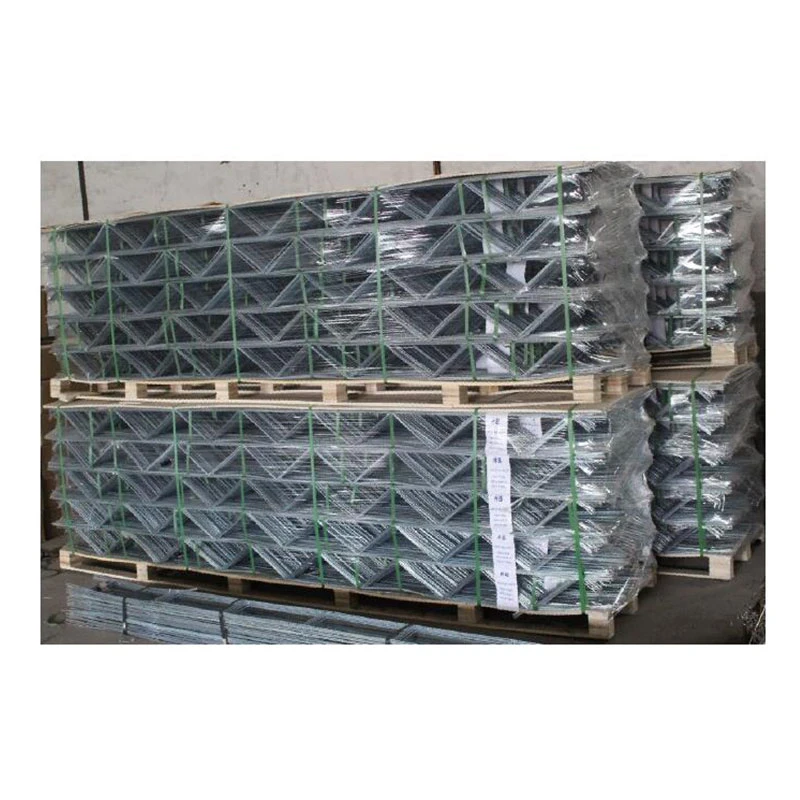
| Packaging | Coils, Reels, Straight Lengths | Customizable by supplier |
Comparing Leading Wire Galvanised Vendors
| Vendor | Product Range | Approx. Pricing (per kg) | Lead Time | Customization | Global Reach |
|---|---|---|---|---|---|
| YJD Wiremesh | Wide (0.5 - 5 mm) Hot-dip & Electro |
$1.50 - $2.20 | 2-4 Weeks | High | Global Shipping |
| Global Steel Ltd. | Standard thicknesses Limited gauges |
$1.30 - $1.80 | 3-5 Weeks | Low | Regional |
| IronTrust Wire | Niche specialty wires | $2.00 - $3.00 | 1-3 Weeks | Medium | International |
Looking Ahead: Future Trends & Innovations in Wire Galvanisation
Digital automation is beginning to influence galvanised wire production, enabling precise coating control and better quality assurance. Machine learning algorithms help predict coating durability, optimizing materials and reducing waste. On the sustainability front, greener zinc sourcing and recycling programs promise to trim the industry’s ecological footprint.
Meanwhile, innovations in hybrid coatings — combining galvanisation with organic polymers or nano-layers — aim to provide enhanced corrosion resistance and longer life spans, especially in marine or chemically harsh settings.
Moreover, the rise of renewable energy infrastructure demands wires that cope with extreme environments, pushing research into stronger and lighter galvanised wires. It feels like we’re on the cusp of 3D printed or smart wires, though that might still be a few years out...
Common Challenges & What Industry Experts Suggest
Of course, even galvanised wire isn’t perfect. One challenge is ensuring consistent zinc coating thickness, especially on thinner gauges, which some lower-quality suppliers struggle with. This can shorten corrosion protection unexpectedly.
Another issue is damage during transport or installation — scratches can expose the steel underneath, starting rust locally.
Experts recommend purchasing from reputable suppliers with certification standards like ISO 1461 (for hot-dip galvanised coatings) and requesting lab testing on batches. Proper handling and storage also make a big difference — something some end-users overlook.
FAQ: Frequently Asked Questions About Wire Galvanised
- What is the lifespan of galvanised wire in outdoor settings?
- Typically, galvanised wire lasts between 15 to 25 years outdoors, depending on the zinc coating thickness and environmental conditions. Coastal or industrial areas may reduce that lifespan due to corrosive agents.
- Is galvanised wire safe for agricultural use around animals?
- Yes. Zinc coatings are non-toxic and widely used in agricultural fencing. However, occasional inspection is advised to avoid sharp rusted edges which may cause injury.
- Can wire galvanised be recycled?
- Absolutely. Both the steel and zinc coating can be melted down and reused without losing strength or protective qualities, supporting circular economy goals.
- How does galvanised wire compare cost-wise to stainless steel wire?
- Galvanised wire is significantly more affordable initially, making it ideal for large-scale or disposable uses. Stainless steel offers superior corrosion resistance but at several times the cost.
- Where can I find customized wire galvanised products?
- Many specialized suppliers, like wire galvanised providers, offer customization services including coil lengths, tensile strength, and coating methods to fit your specific application.
Wrapping Up: Why Wire Galvanised Remains an Essential Solution
From protecting vital infrastructure to serving remote communities, wire galvanised quietly supports the world’s demand for durable, cost-effective metal protection. Its adaptability and sustainability ensure it will remain a cornerstone product even as new materials and technologies arise.
If you’re looking for reliable galvanised wire — whether for fencing, construction, or industrial use — trusting a seasoned supplier like wire galvanised can make all the difference in performance and longevity.
Curious to learn more or ready to source your next batch? Visit our website: https://www.yjdwiremesh.com for expert guidance and top-quality products.
References: