Understanding Wire Galvanizing Lines: Why This Industry Matters Globally
Wire galvanizing lines might not be a phrase you hear every day, but their importance in manufacturing and infrastructure worldwide is huge. Simply put, these production lines coat steel wire with a layer of zinc to protect it from rust and corrosion. Given the global push toward durable, long-lasting metal products, understanding wire galvanizing lines helps stakeholders—from factory owners to engineers and environmentalists—appreciate how essential this process is for building everything from fence meshes to automotive parts. Plus, the benefits are tangible: improved product longevity, cost savings over time, and broader sustainability goals.
A Global View: Why Wire Galvanizing Lines Are More Relevant Than Ever
At the heart of many industries—construction, automotive, agriculture, and even disaster relief—lies the need for corrosion-resistant wire products. According to the International Organization for Standardization (ISO), galvanized wire usage has grown by an average of 5% yearly over the last decade, largely due to infrastructure booms in emerging markets. The World Bank also highlights how durable materials reduce replacement and maintenance costs in rapidly urbanizing regions. But here's the catch: without efficient wire galvanizing lines, manufacturers face challenges like inconsistent coating quality, slowing production, and rising energy costs. This makes optimizing your galvanizing line not just a choice, but a necessity.
Mini takeaway:
Wire galvanizing lines play a pivotal role in meeting global demands for reliable, durable metal wire, responding to urbanization and industrial efficiency challenges.
Wire Galvanizing Line: What Does It Actually Mean?
In the simplest terms, a wire galvanizing line is a fully or semi-automated system that takes raw steel wire and sends it through various stages—including cleaning, heating, and dipping in molten zinc—to coat it uniformly. This zinc layer fends off rust and extends the wire’s life dramatically. In modern industry, this process isn’t just about protection; it’s part of a supply chain that supports everything from secure fencing around sensitive zones to lightweight cable components in electrical projects.
On the humanitarian side, think of post-disaster reconstruction efforts, where galvanized wire is crucial for quickly assembling durable shelters or fencing off relief camps, ensuring safety and stability for displaced populations.
Mini takeaway:
Wire galvanizing lines transform raw steel wire into corrosion-resistant products that serve vital industrial and humanitarian needs worldwide.
Core Components: What Makes an Efficient Wire Galvanizing Line Tick?
1. Durability of Coating
The heart of it all is producing a uniform, thick zinc coating that sticks well, resists abrasion, and doesn’t crumble. Modern lines achieve this through precise temperature control and wire speed management.
2. Scalability and Throughput
Depending on demand, production speed can vary widely—some lines handle thousands of meters per hour, while others specialize in smaller custom runs. Flexibility is key, especially for manufacturers balancing large orders with custom requirements.
3. Energy Efficiency
Given the molten zinc bath needs consistent heating at around 450°C, energy consumption is a significant cost factor. Innovative systems now recycle heat or use advanced insulation to reduce wastage.
4. Automation & Control Systems
Many engineers swear by integrated PLC controls and real-time monitoring sensors that help ensure consistent quality and traceability, allowing quick intervention if something goes awry.
5. Maintenance Accessibility
Because these lines run hot and fast, ease of maintenance—like straightforward access to zinc tanks or line components—translates into less downtime and lower costs.
| Specification | Typical Value | Remarks |
|---|---|---|
| Wire Diameter Range | 0.5 mm – 4.0 mm | Suitable for fencing, construction |
| Production Speed | 500 - 1500 m/min | Varies by line model |
| Zinc Coating Thickness | 40 – 80 g/m² | Adheres to ISO standards |
| Energy Consumption | ~120 KWh/ton | Improvements ongoing |
Mini takeaway:
Performance in durability, throughput, energy, and automation determines the success and cost-effectiveness of a wire galvanizing line.
Real-World Applications Across the Globe
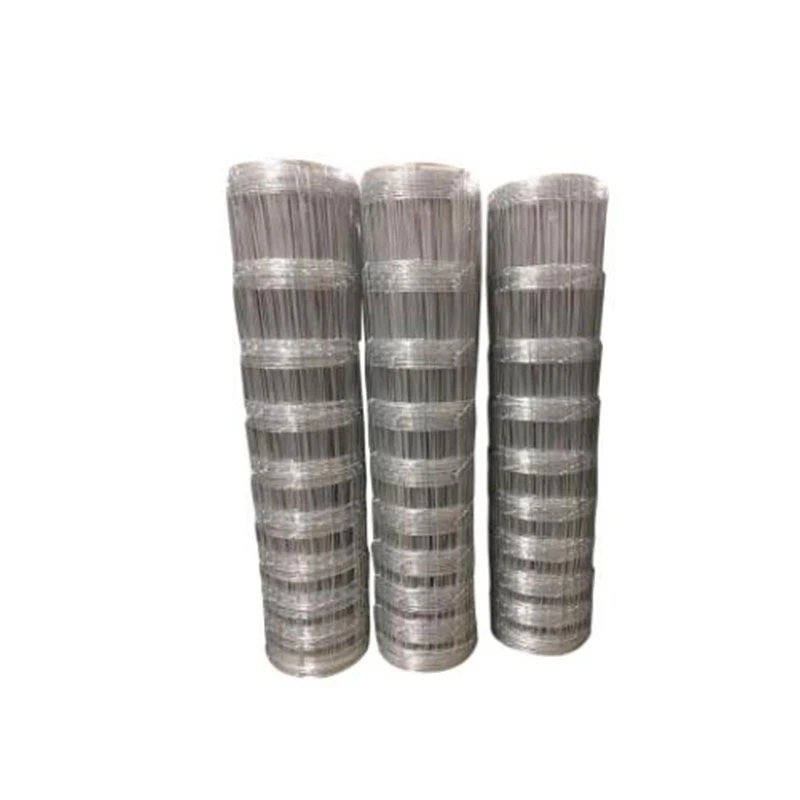
The visual language of galvanized wire can be found everywhere—from sprawling agricultural fences in North America preventing livestock loss, to sturdy mesh reinforcing concrete structures in Europe and Asia.
In Southeast Asia, industries rely heavily on galvanized wire lines to supply protective meshes for rapid urban development, while humanitarian NGOs in sub-Saharan Africa use galvanized wire fencing produced on these lines to secure camps and protect freshwater sources.
And a little-known but interesting fact: some remote industrial zones use galvanizing lines rigged with solar-powered heaters to maintain zinc bath temperatures where grid power is unreliable.
Mini takeaway:
Wire galvanizing lines support diverse applications worldwide, underpinning infrastructure, security, and humanitarian projects.
Advantages & Long-Term Value You Can Count On
- Cost Efficiency: Galvanized wire drastically cuts maintenance and replacement expenses over product lifetime.
- Sustainability: Reduced corrosion waste lessens environmental impact, and many lines now integrate energy-saving tech.
- Safety & Social Impact: Durable fencing and reinforcements enhance safety in communities—a subtle but powerful contribution.
- Reliability: The repeatability and precision of modern lines ensure high consistency, building trust with end users.
Frankly, it’s these combined benefits that make investing in a modern wire galvanizing line a smart long-term play—whether you’re an industrialist or NGO supplier.
Looking Ahead: Trends in Wire Galvanizing Technology
Everything's trending green these days, and galvanizing is no exception—many manufacturers experiment with renewable energy sources to power the zinc baths and use improved materials like zinc-aluminum alloys for better corrosion resistance.
Then there's digital transformation: IoT sensors now monitor zinc purity and wire speed in real time, feeding data back for AI-driven optimizations. This kind of automation reduces defects and boosts uptime.
Finally, environmentally friendly policies and tighter ISO compliance are pushing manufacturers toward cleaner production, creating a win-win for business and planet alike.
Challenges & How the Industry Is Tackling Them
Of course, galvanizing lines aren’t perfect. High energy use remains a drawback, especially in regions with expensive power. Also, managing zinc waste and dross is tricky.
Innovative approaches include waste zinc recycling techniques and improved bath filtration systems. Plus, modular galvanizing lines can be rapidly deployed or relocated, tackling challenges in developing or remote areas.
I noticed that collaborations between equipment makers and service providers now focus heavily on predictive maintenance to minimize unexpected breakdowns, which has been a real pain point historically.
Vendor Comparison: Typical Wire Galvanizing Line Providers
| Vendor | Automation Level | Energy Efficiency | Customization Options | Typical Lead Time |
|---|---|---|---|---|
| YJD Wire Mesh Co. | High (PLC-based) | Moderate (with heat recovery) | Wide (custom wire sizes, speeds) | 8-12 weeks |
| SteelTech Systems | Medium (semi-automated) | Basic | Limited (standard specs) | 6-10 weeks |
| Global Galvanizers | High | Advanced (green energy integration) | Moderate | 10-14 weeks |
Frequently Asked Questions About Wire Galvanizing Lines
Q1: What are the main advantages of using a wire galvanizing line over manual coating methods?
A1: Automated wire galvanizing lines ensure consistent coating thickness, faster production speeds, and higher product quality. They reduce labor costs and minimize human error, leading to more reliable and uniform corrosion protection compared to manual methods.
Q2: How can manufacturers improve energy efficiency on wire galvanizing lines?
A2: Key strategies include using heat recovery systems, improving furnace insulation, optimizing line speed to reduce heating time, and integrating renewable energy sources where possible. Regular maintenance of heating elements also helps maintain efficiency.
Q3: Are wire galvanizing lines suitable for custom wire diameters and coatings?
A3: Yes, many modern lines are designed for flexibility, allowing adjustments in wire diameter, coating thickness, and speed. This customization helps meet varied industry needs, from light fencing wire to heavy-duty construction applications.
Q4: How is environmental waste managed in wire galvanizing operations?
A4: Zinc dross and waste are captured and often recycled within the plant. Advanced filtration systems reduce emissions, and compliance with ISO 14001 environmental standards helps ensure waste management meets global environmental protocols.
Q5: Can NGOs and international groups import wire galvanizing lines for local use?
A5: Absolutely. Many vendors offer modular and containerized galvanizing lines designed for quick deployment in remote or developing regions. This can support local manufacturing or relief operations with on-site galvanized wire production.
Conclusion: Why Investing in a Wire Galvanizing Line Makes Sense
In real terms, the wire galvanizing line isn’t just another piece of industrial equipment—it’s a cornerstone of durable infrastructure and safety worldwide. With ongoing innovations in energy efficiency, automation, and customizability, these lines are becoming smarter and kinder to the planet by the day. Whether you’re building fences in a developing country or manufacturing parts for high-tech industries, a quality galvanizing line pays dividends in reliability and sustainability.
If you’re ready to explore how a modern wire galvanizing line can elevate your production, visit our website and discover tailored solutions crafted for the next generation of wire manufacturing.