Securely Fastening: A Guide to Nailing into Concrete Floor
Successfully nailing into a concrete floor requires the right techniques and tools. Concrete is a robust material, demanding specialized fasteners and methods to ensure a secure hold. This article provides a comprehensive overview of the process, covering suitable nail types, essential tools, and step-by-step instructions. Whether you're securing flooring, attaching baseboards, or installing other fixtures, understanding the nuances of this process is crucial for a lasting and reliable result. Choosing the correct approach significantly impacts the project's durability and safety.
Understanding the Challenges of Nailing into Concrete
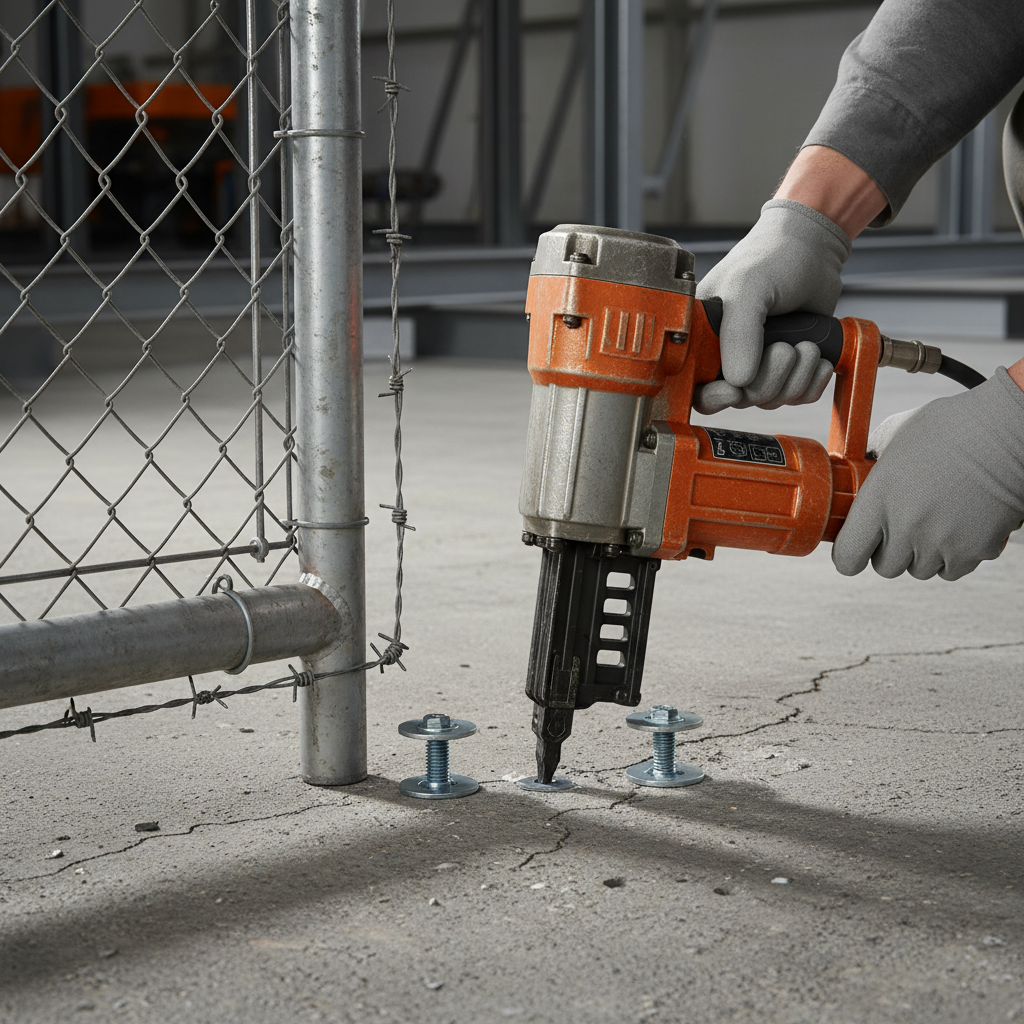
Concrete’s inherent hardness and density present a unique challenge when attempting to drive nails directly into it. Standard steel nails will typically bend or break, failing to provide a sufficient hold. The process requires fasteners specifically designed for concrete, and even then, pre-drilling is almost always necessary. The density of the concrete, its age, and the presence of aggregate materials (like gravel or stone) all influence the difficulty. Moreover, improper technique can lead to cracked or damaged concrete, compromising its structural integrity. It is vital to use the correct method and tools to achieve a secure fastening.
Key Considerations: The density of the concrete, its age, and the presence of aggregate materials all influence the difficulty. Improper technique can lead to cracked or damaged concrete.
Choosing the Right Fastener: Concrete Nails and Alternatives
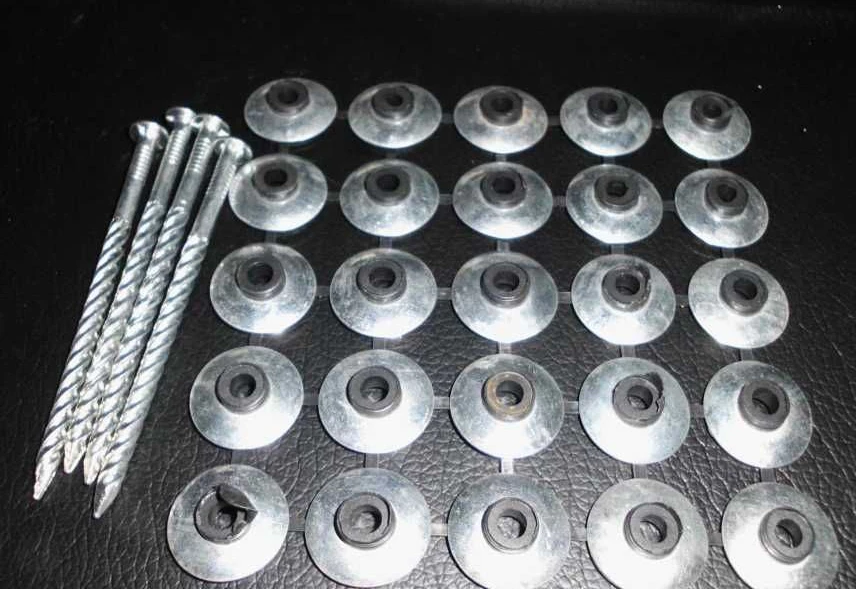
While directly nailing into concrete is difficult, specialized fasteners are available. Concrete nails are hardened steel nails designed to penetrate concrete with sufficient force. However, they're often used in conjunction with a powder-actuated nailer (more on that later). Alternatively, concrete screws offer superior holding power and are generally easier to install. Sleeve anchors and wedge anchors are also excellent choices for heavier-duty applications, providing a robust and reliable connection. The optimal fastener depends on the load-bearing requirements and the specific application. YJDWiremesh offers a variety of high-quality fasteners suitable for concrete applications.
Fastener Options:
• Concrete Nails: Hardened steel nails for direct penetration.
• Concrete Screws: Offer superior holding power and ease of installation.
• Sleeve Anchors: For medium to heavy-duty applications.
• Wedge Anchors: For heavy-duty applications requiring a very strong hold.
Essential Tools for Nailing into Concrete Floor
Successfully nailing into concrete requires the right tools. A hammer drill is essential for creating precise pilot holes. The drill bit should be specifically designed for concrete (masonry bit). A powder-actuated nailer (also known as a Ramset) can drive concrete nails quickly and efficiently, but requires proper training and safety precautions. Safety glasses are non-negotiable, as concrete drilling and nailing can generate dust and debris. Gloves will protect your hands. A vacuum cleaner is useful for removing dust during the drilling process. Finally, a measuring tape and pencil are needed for accurate marking.
Step-by-Step: How to Nail into a Concrete Floor
1. Mark the Location: Precisely mark the spot where you want to drive the nail or install the fastener. 2. Pre-Drill a Pilot Hole: Using a hammer drill and a concrete drill bit, drill a pilot hole slightly smaller than the diameter of the fastener. The depth should match the intended length of the fastener. 3. Insert the Fastener: Insert the concrete nail or screw into the pilot hole. 4. Drive or Screw: If using a concrete nail and a hammer, apply firm, consistent pressure. If using a concrete screw, use a screwdriver or drill with a screwdriver bit. 5. Ensure Secure Fit: Verify the fastener is securely embedded in the concrete. Avoid overdriving, which can damage the concrete.
Safety Precautions When Nailing into Concrete
Safety is paramount when working with concrete. Always wear safety glasses to protect your eyes from flying debris. Use ear protection when operating a hammer drill or powder-actuated nailer. If using a powder-actuated nailer, receive proper training and strictly follow the manufacturer’s instructions. Wear gloves to protect your hands. Be aware of any hidden electrical wiring or plumbing within the concrete before drilling. Work in a well-ventilated area to avoid inhaling concrete dust. YJDWiremesh prioritizes safety in all our product recommendations.
Conclusion: Achieving a Secure and Lasting Hold
Successfully nailing into a concrete floor requires the right tools, techniques, and a commitment to safety. Choosing the appropriate fastener – whether it's a concrete nail, screw, or anchor – is crucial for a reliable hold. Remember to always pre-drill pilot holes and follow safety precautions to protect yourself and ensure a durable result. For high-quality fasteners and expert advice, explore the offerings at YJDWiremesh.
Frequently Asked Questions (FAQs)
Can I nail directly into concrete without pre-drilling?
While it might be possible in some cases with very soft concrete and specialized concrete nails, it's generally not recommended. Attempting to drive a nail directly into concrete without pre-drilling often results in bent or broken nails and can damage the concrete surface. Pre-drilling creates a pilot hole, reducing the stress on the nail and ensuring a cleaner, more secure fastening. It’s always best practice to pre-drill, even when using concrete nails.
What size drill bit should I use for pre-drilling?
The drill bit size should be slightly smaller than the diameter of the fastener you're using. A general rule of thumb is to use a drill bit that's about 75% of the fastener's diameter. For example, if you're using a ¼-inch concrete screw, a 5/32-inch or 3/16-inch drill bit would be appropriate. It’s crucial to test the fit before drilling multiple holes to ensure the fastener will seat properly.
Is a powder-actuated nailer safe to use?
Powder-actuated nailers are powerful tools and should be used with extreme caution. They require thorough training and a complete understanding of the manufacturer’s instructions. Always wear appropriate safety gear, including safety glasses, ear protection, and gloves. Ensure the work area is clear of obstructions and bystanders. Improper use can lead to serious injury. Only trained and experienced individuals should operate these tools.
What should I do if I hit rebar while drilling?
Hitting rebar while drilling is common in reinforced concrete. Stop drilling immediately. Do not attempt to force the drill through the rebar. You may need to reposition the fastener slightly to avoid the rebar. If repositioning isn't possible, you might need to use a different fastening method, such as a chemical anchor, specifically designed for securing to rebar. Drilling through rebar can damage your drill bit and create a weak point in the concrete.